Online casino entertainment is often judged by what first catches the eye: bright colour, animated reels, dramatic tables, a crowded lobby. Yet a more convincing sense of quality tends to come from details that barely announce themselves. The pause before a page settles, the clarity of a label, the restraint of a sound effect: these are the quiet signals that make a digital space feel thoughtfully made rather than merely busy.
That distinction matters because a casino platform is also an environment. People encounter it on different screens, in different moods, and for different stretches of time. A polished experience does not need to imitate a grand hotel or flood the display with spectacle. It can feel premium through calm navigation, coherent visual choices, and a steady rhythm that lets the entertainment remain the focus.
Room to breathe in the lobby
The lobby is the first impression, but its quality is not measured by how much it can fit on one screen. It is measured by how easily its elements make sense together. A clear hierarchy between featured titles, categories, and supporting information gives the page a feeling of purpose. When every tile competes for attention, the result can feel less like abundance than clutter.
Spacing plays an unusually important role. A little distance between cards can make artwork easier to read, while consistent proportions help the page feel composed. Typography matters too: small labels should remain legible without becoming the loudest feature. These are modest choices, but they affect whether browsing feels smooth or effortful.
As a point of reference for this visual language, caramelodogluckyrun.online can be considered alongside other digital casino settings: the impression comes not from a single decorative flourish, but from the way the interface, imagery, and surrounding space work as a whole. The strongest design decisions often seem almost invisible because they remove friction without calling attention to themselves.
Motion with a sense of measure
Animation can give a platform energy, but its timing determines whether that energy feels inviting or restless. A gentle transition between sections suggests continuity. A card that responds cleanly when selected gives the interface a tactile quality, even though the screen itself offers no physical texture. By contrast, constant movement can make a page feel impatient, as if every element is asking to be noticed at once.
The more premium impression comes from variation and restraint. Some moments can be lively; others should stay still. When motion is reserved for meaningful changes, it becomes easier to understand the interface and more satisfying to experience. Even the duration of a fade or the softness of a highlight can shape the overall mood.
Useful signs of measured motion include:
Transitions that feel consistent from one area to another.
Highlights that clarify focus rather than compete with content.
Animations that finish promptly and leave the screen settled.
These details do not transform entertainment into something solemn. They simply give its visual energy a framework, much as thoughtful lighting can make a lively room feel comfortable instead of overwhelming.
Sound, silence, and atmosphere
Audio has a direct line to mood. A short musical phrase or a soft interface tone can make a digital setting feel more dimensional, while a carefully chosen quiet moment can be just as expressive. Sound does not need to fill every gap. In fact, silence can make a platform feel more composed by allowing its visual character to stand on its own.
Consistency is central here. If the sound palette feels related to the colours, typography, and animation, the experience has a stronger identity. A refined interface may use warm tones and restrained effects; a more theatrical one may lean into vivid sound and high contrast. Neither approach is inherently better. What matters is that the elements seem to belong to the same place.
For adult audiences, atmosphere is often more persuasive than novelty. A familiar visual cue, used with care, can feel reassuring, while a surprising effect may be memorable without becoming tiring. The difference lies in proportion. Good sensory design gives the experience character, then knows when to step back.
The finishing touches that hold a mood together
Premium feeling is rarely the result of one expensive-looking feature. It accumulates through small acts of consistency: buttons that behave as expected, readable information, orderly transitions, and imagery that feels chosen rather than assembled. Even the tone of short interface messages contributes. Plain, human language can make a digital environment feel more welcoming than a string of generic prompts.
There is also value in coherence across devices. A carefully arranged desktop page may feel spacious, while a mobile screen requires a more compact composition. The goal is not to make both versions identical; it is to preserve the same character as the layout changes. When that character survives a shift in screen size, the platform feels designed rather than simply resized.
In the end, the memorable quality of online casino entertainment may be less about spectacle than about its supporting details. A calm lobby, purposeful motion, balanced sound, and thoughtful wording create an atmosphere that feels complete. These touches rarely demand applause. Their success is subtler: the experience feels easy to inhabit, and the design seems to understand when to be seen and when to disappear.
Et nettkasino kan romme hundrevis av spill, men et stort utvalg er ikke automatisk det samme som en rik opplevelse. Når alt presenteres på én gang, kan variasjonen bli vanskelig å få øye på. En tydelig spillsal gjør det motsatte: Den gir hvert valg en ramme, slik at forskjellene mellom spillene blir lettere å oppfatte, og selve utforskingen får en roligere rytme.
Dette handler ikke om å gjøre utvalget mindre, men om å gjøre det mer lesbart. For voksne som ønsker underholdning på nett, påvirker oversikten hvordan tiden oppleves. En ryddig side kan gjøre det enkelt å veksle mellom ulike stemninger, mens en uoversiktlig side kan få selv et omfattende bibliotek til å virke ensformig. Klarhet gir dermed variasjonen rom til å merkes.
Utvalg trenger en tydelig inngang
Den første følelsen oppstår ofte før et spill åpnes. Et rolig sideoppsett, forståelige kategorier og korte beskrivelser kan gi et inntrykk av at utvalget henger sammen. I stedet for en vegg av likeartede bilder møter man et landskap med tydelige områder: eventyrpreg, klassiske spilleautomater, bordspill eller nyere varianter med mer livlige uttrykk. Kategoriene blir små holdepunkter, ikke regler for hva man bør velge.
Et eksempel på hvordan et enkelt spill kan få en tydelig identitet gjennom navn og presentasjon, er 12 Masks of Fire: Night Fever Bonusspinnene. Når slike særtrekk står frem uten at skjermen fylles av unødvendige detaljer, blir det lettere å forstå hva som skiller én tittel fra den neste. Beskrivelsen fungerer da som et vindu inn i uttrykket, ikke som et løfte om en bestemt opplevelse.
Det er særlig nyttig når et bibliotek rommer mange spill som ved første blikk ligner på hverandre. Små forskjeller i tema, lyd, tempo og visuell stil kan bli borte dersom alle titlene får samme plass og presenteres på samme måte. En gjennomtenkt inngang lar særpreget komme frem, og gjør valget mer interessant uten å gjøre det krevende.
Klarhet gjør forskjellene synlige
Variasjon handler om mer enn antall. Den merkes i kontrasten mellom et spill med dempet, klassisk utforming og et annet med sterke farger og en tydelig fortelling. Den merkes også i hvordan ulike spill er gruppert, og om det er lett å forstå hva som venter bak en tittel. Når informasjonen er knapp, men treffende, kan besøkende danne seg et inntrykk uten å måtte lete gjennom lange tekster.
En oversiktlig spillsal kan for eksempel gjøre følgende sider ved utvalget lettere å oppfatte:
Tematiske forskjeller mellom titler blir synlige ved første øyekast.
Spill med ulikt visuelt uttrykk får plass ved siden av hverandre uten å drukne i inntrykk.
Korte beskrivelser gir sammenheng uten å dominere hele siden.
Enkel navigering gjør det behagelig å vende tilbake til utforskingen.
Poenget er ikke at alle sider skal se like ut, men at utformingen skal hjelpe blikket med å skille mellom dem. Når kategorier er forståelige og overgangene mellom dem er naturlige, oppstår en følelse av oppdagelse. Utvalget kan virke større, ikke fordi flere titler legges til, men fordi flere av forskjellene faktisk kommer til syne.
En behagelig rytme i møtet med spillsalen
God oversikt har også en rytmisk side. Hvis hvert felt roper etter oppmerksomhet, blir besøket fort hektisk. Hvis alt er dempet og likt, kan siden virke livløs. En balansert utforming veksler mellom tydelige høydepunkter og roligere områder, slik at øyet får små pauser. Det gjør utforskingen mer behagelig og gir plass til nysgjerrighet uten at skjermen føles overfylt.
Detaljer som søkefelt, kategorier og visning av nylig besøkte titler kan bidra til denne rytmen, så lenge de ikke tar over. De fungerer best som diskrete hjelpemidler i bakgrunnen. Besøkende kan da orientere seg på sin egen måte, enten de har lyst til å se noe velkjent eller bare vil få et inntrykk av hva biblioteket rommer.
Også på mobil blir dette merkbart. En side som er lett å forstå på en større skjerm, kan bli trang og rotete når den tilpasses et mindre format. Tydelige overskrifter, lesbare beskrivelser og gode mellomrom hjelper med å bevare oversikten. Det handler ikke om å vise alt samtidig, men om å la innholdet komme frem i en rekkefølge som føles naturlig.
Mer oversikt, rikere underholdning
Når spillsalen er gjennomtenkt, blir selve biblioteket lettere å lese som en samling ulike uttrykk, snarere enn en lang rekke valg. Det kan gi underholdningen en mer personlig karakter: Noen legger merke til fortellingene, andre til fargene, lydene eller den klassiske følelsen i utformingen. En tydelig presentasjon gir plass til disse inntrykkene uten å fortelle folk hva de skal synes.
Den beste opplevelsen er derfor ikke nødvendigvis den med flest titler på forsiden. Den oppstår når utvalget virker tilgjengelig, forskjellene er enkle å få øye på, og det er behagelig å bevege seg mellom ulike stemninger. Klarhet gjør ikke variasjonen mindre. Den gjør den lettere å oppleve, og det er nettopp der en god spillsal kan løfte nettbasert underholdning fra en katalog til en mer innbydende helhet.
Online casino entertainment has grown into a distinctive form of digital leisure, shaped as much by atmosphere as by the games themselves. For an adult audience, the appeal often begins with the feeling of entering a polished virtual lounge: lights shimmer across the screen, sound design creates a gentle sense of occasion, and every menu seems arranged to make the experience feel smooth and immediate.
Rather than existing as plain collections of tables and reels, modern casino platforms increasingly resemble entertainment spaces with their own visual identities. Some feel glamorous and theatrical, while others are quiet, minimalist, or inspired by luxury hotels. The result is an experience that blends interactive entertainment with the visual language of film, hospitality, music, and contemporary app design.
What creates the atmosphere of an online casino?
Q: Why does visual design matter so much?
A: Visual design establishes the emotional tone before any interaction takes place. Rich colors, carefully chosen typography, animated backgrounds, and layered lighting can suggest excitement, sophistication, or relaxation within seconds. A dark interface with gold details may evoke an intimate evening lounge, while a brighter layout can feel more playful and energetic.
Good design also gives the platform a sense of place. Instead of presenting isolated features, it connects them through consistent menus, icons, transitions, and imagery. This coherence makes the environment feel intentional, much like a well-designed hotel lobby or a beautifully arranged entertainment venue.
Atmosphere is often built from small details rather than one dramatic effect. Soft motion in the background, a subtle glow around selected elements, or a smooth transition between pages can make the experience feel refined. These touches do not need to be loud to be memorable; sometimes the most effective design is the kind that quietly supports the mood.
Color palettes that create a recognizable personality
Typography that balances elegance with readability
Motion effects that add energy without clutter
Sound and imagery that reinforce the overall theme
How do different visual themes shape the experience?
Q: Why do online casinos use such varied themes?
A: Different themes allow platforms to speak to different tastes. A classic casino aesthetic may use deep reds, polished wood, velvet textures, and golden highlights. A modern digital lounge might prefer glass-like panels, cool blues, and crisp geometric shapes. Other spaces may draw inspiration from travel, music, fantasy, cinema, or urban nightlife.
These themes are not merely decorative. They influence how the environment feels over time. A carefully curated setting can make a short visit feel like a small evening ritual, while a colorful and animated design may bring a lighter, more spontaneous tone. For adults looking for entertainment after work or during a quiet break, the mood can be just as important as the available content.
Live casino rooms add another layer of atmosphere. Real presenters, studio lighting, elegant backgrounds, and visible table action create a connection to traditional casino culture while retaining the convenience of a digital setting. The presentation may resemble a television program, with camera angles, graphics, and transitions helping to turn each session into a more social and polished spectacle.
In contrast, automated games often rely on illustration, animation, and sound to create their identity. Some are sleek and restrained, while others are filled with storybook characters, dramatic landscapes, or retro visual references. This variety gives online casino entertainment a broad creative range, allowing it to sit comfortably alongside other forms of digital media.
What role do sound and movement play?
Q: Can sound design change the character of a platform?
A: Absolutely. Sound can make a digital environment feel warmer, more dramatic, or more immersive. A soft musical loop may create a relaxed background, while crisp audio cues can add a sense of occasion to important moments. In well-produced spaces, sound is rarely random; it is designed to match the visual style and pace of the interface.
Movement works in a similar way. Animated cards, glowing buttons, rotating symbols, and responsive transitions give the screen a sense of life. When used thoughtfully, animation creates rhythm and helps the environment feel active without becoming overwhelming. The best interfaces usually maintain a balance between visual energy and calm, so the screen remains enjoyable rather than exhausting.
Many adults appreciate the ability to shape the mood around their own preferences. Quiet interfaces may suit someone who enjoys a more relaxed digital setting, while vibrant effects can appeal to those who prefer spectacle. This flexibility reflects a wider trend in entertainment: audiences increasingly value experiences that feel personal, polished, and easy to enter.
How does layout influence comfort and enjoyment?
Q: What makes a casino interface feel welcoming?
A: A welcoming layout usually combines clear organization with visual breathing room. Categories should feel distinct without appearing crowded, and important information should be presented in a way that is easy to understand at a glance. This is especially valuable on smaller screens, where excessive decoration can quickly become distracting.
Modern platforms often use large visual tiles, horizontal galleries, and neatly grouped sections to create an editorial feel. Featured entertainment may appear like a selection in a streaming service, while live rooms can be arranged like channels in a digital television guide. This familiar structure helps the environment feel less technical and more like a curated destination.
Responsive design is another essential part of the experience. A platform that looks elegant on a desktop should remain comfortable on a tablet or phone. Proportions, spacing, and navigation all need to adapt while preserving the original atmosphere. When this works well, the transition between devices feels natural rather than disruptive.
Industry conversations about digital presentation often overlap with broader discussions of partnership, branding, and online audience experience. For an example of a business-focused reference point outside the entertainment interface itself, southcharlottepartners.com offers context on how digital identities can be presented in a polished online setting.
Balanced spacing helps pages feel calm and premium.
Consistent icons make navigation feel familiar.
Responsive layouts preserve the mood across devices.
Clear visual grouping makes browsing more enjoyable.
Why does the overall mood matter to adult audiences?
Q: Is the appeal mainly about visual pleasure?
A: Visual pleasure is a major part of it, but the broader appeal is the feeling of stepping into a different atmosphere. Adults often seek entertainment that offers a change of pace, whether that means a glamorous digital lounge, a lively live studio, or a visually rich world filled with music and animation.
The strongest online casino experiences understand that presentation can transform an ordinary screen into a recognizable setting. Design, sound, layout, and pacing work together to create a sense of occasion. The experience becomes less about a collection of individual features and more about entering a carefully produced world for a little while.
That is why atmosphere remains central to the future of online casino entertainment. As technology develops, platforms will continue to borrow from streaming media, luxury hospitality, interactive storytelling, and mobile design. The most memorable spaces will be those that feel distinctive without becoming complicated, stylish without losing comfort, and engaging without demanding too much from the audience.
For adults, this combination of convenience and ambience is part of the appeal. A well-designed online casino can feel like a small digital escape: polished, atmospheric, and ready to provide an entertaining change of scene whenever the moment calls for it.
Wpłata BLIK w kasynie online może być jedną z metod zasilenia salda, dlatego przed rozpoczęciem gry warto zaplanować zarówno płatność, jak i sposób korzystania z serwisu. Odpowiedzialna gra opiera się na świadomych decyzjach: ustalonym budżecie, kontroli czasu oraz znajomości dostępnych ustawień konta. Te proste zasady pomagają traktować gry jako formę rozrywki, a nie sposób zarządzania domowymi finansami.
Budżet ustalony przed wpłatą
Dobrym początkiem jest określenie kwoty przeznaczonej na rozrywkę jeszcze przed uruchomieniem płatności. Powinna ona mieścić się w osobnym, wcześniej zaplanowanym budżecie i nie wpływać na wydatki związane z codziennymi potrzebami. Warto też ustalić limit pojedynczej sesji oraz przyjąć, że wpłata BLIK służy realizacji tego planu, a nie jego doraźnej zmianie.
BLIK wykorzystuje aplikację bankową do potwierdzania transakcji, co pozwala wygodnie kontrolować płatność w środowisku bankowości mobilnej. Przed zatwierdzeniem operacji można sprawdzić jej kwotę, a po transakcji zachować podgląd wydatków w historii rachunku. Przydatnym nawykiem jest uwzględnianie takich wpłat w osobistym zestawieniu budżetu rozrywkowego, podobnie jak innych zaplanowanych kosztów czasu wolnego.
Limity, czas i ustawienia konta
Serwisy oferujące gry online mogą udostępniać narzędzia wspierające planowanie, w tym limity wpłat, przypomnienia o czasie gry lub możliwość przerwy. Przed rozpoczęciem warto sprawdzić, jakie ustawienia są dostępne i gdzie znajdują się w panelu użytkownika. Wybranie limitu zgodnego z własnym budżetem pozwala zachować jasne ramy korzystania z platformy.
Równie istotne jest zaplanowanie czasu. Można z góry określić długość sesji i zakończyć ją po upływie ustalonego przedziału, niezależnie od bieżącego wyniku. Przerwy między sesjami sprzyjają zachowaniu równowagi między grą a pozostałymi aktywnościami. Pomocne bywa także korzystanie z przypomnień, jeśli platforma je udostępnia.
Informacje o płatnościach i zasadach gry
Przed wpłatą warto zapoznać się z zasadami dotyczącymi płatności, wypłat oraz warunków korzystania z gier. Poszczególne serwisy mogą opisywać te kwestie w regulaminie i sekcjach pomocy. Uważne przeczytanie informacji o minimalnych i maksymalnych kwotach, czasie księgowania oraz dostępnych metodach wypłat ułatwia zaplanowanie całego procesu. Przy omawianiu tematu kasyno online blik istotne jest również rozumienie, że metoda wpłaty i zasady samej gry to dwa odrębne elementy korzystania z serwisu.
Warto sprawdzić także, czy konto ma ustawienia dotyczące historii transakcji i podsumowania aktywności. Regularny wgląd w te informacje pomaga ocenić, czy korzystanie z platformy pozostaje zgodne z wcześniej przyjętym planem. Jeśli operator udostępnia materiały o odpowiedzialnej grze, mogą one wyjaśnić funkcje limitów oraz sposoby zarządzania kontem.
Świadome decyzje przed rozpoczęciem
Gry w kasynie online są przeznaczone dla osób pełnoletnich. Przed założeniem konta warto sprawdzić wymagania dotyczące wieku i tożsamości, a także zapoznać się z zasadami obowiązującymi w danym serwisie. Bezpieczne przechowywanie danych logowania oraz korzystanie z własnego urządzenia i aplikacji bankowej stanowią element uporządkowanego korzystania z usług internetowych.
Odpowiedzialna gra zaczyna się od konkretnych decyzji: ustalenia kwoty i czasu, poznania ustawień konta oraz świadomego potwierdzania każdej płatności. Dzięki temu BLIK pozostaje wyłącznie wygodnym narzędziem płatniczym, a zasady korzystania z gier są określone przed rozpoczęciem sesji.
Wypłacalne kasyna internetowe różnią się nie tylko dostępnymi metodami płatności i czasem realizacji przelewów, lecz także zasadami określającymi maksymalną kwotę wypłaty. Limit wpływa na to, jaką część środków można otrzymać w jednym zleceniu lub w wybranym okresie. Zrozumienie tych reguł ułatwia porównanie ofert i zaplanowanie sposobu korzystania z wygranych.
Co oznacza limit maksymalnej wypłaty?
Limit wypłaty to górna granica kwoty, którą operator może przekazać graczowi w określonym przedziale czasu. Może dotyczyć pojedynczej transakcji, doby, tygodnia albo miesiąca. W praktyce kilka limitów może obowiązywać równocześnie: osobny dla jednej wypłaty oraz kolejny dla łącznej sumy wypłacanej w danym okresie.
Warto odróżnić limit wypłaty od limitu wygranej. Pierwszy określa tempo lub wielkość przekazywania środków, drugi zaś może wskazywać maksymalną nagrodę z danej gry, promocji albo rundy. Zasady dla różnych produktów bywają odmienne, dlatego istotne jest sprawdzenie, do których gier i sytuacji odnosi się podana wartość.
Jak limity wpływają na dostęp do środków?
Jeśli kwota do wypłaty mieści się w limicie pojedynczego zlecenia, można ją otrzymać w jednej transakcji, po przejściu wymaganych etapów obsługi. Gdy przekracza ustalony pułap, wypłata może być realizowana w kilku częściach, zgodnie z harmonogramem operatora. W takim układzie limit nie musi zmieniać całkowitej kwoty należnej graczowi, ale może wpływać na czas jej przekazania.
Znaczenie ma również sposób naliczania limitu. Warto sprawdzić, czy dotyczy on kwoty brutto, pojedynczej metody płatności, czy wszystkich wypłat łącznie. Przy porównywaniu legalne polskie kasyna jednym z użytecznych kryteriów jest właśnie przejrzystość informacji o maksymalnych kwotach oraz okresach rozliczeniowych.
Regulamin, weryfikacja i metody płatności
Warunki wypłaty są zwykle opisane w regulaminie oraz w sekcji poświęconej płatnościom. Przed skorzystaniem z serwisu warto ustalić wysokość limitu dla wybranej metody, minimalną kwotę wypłaty i częstotliwość składania zleceń. Przydatne jest też sprawdzenie, czy limity różnią się zależnie od poziomu konta lub rodzaju gry.
Operatorzy mogą wymagać potwierdzenia tożsamości i danych płatniczych przed realizacją wypłaty. Jest to element procedur związanych z obsługą konta. Czas przekazania środków zależy następnie od procesu po stronie kasyna oraz od banku lub dostawcy płatności. Z tego powodu szybkość obsługi i maksymalna kwota wypłaty są odrębnymi parametrami, które warto rozpatrywać osobno.
Jak porównywać zasady wypłat?
Rzetelne porównanie warto rozpocząć od zapisania limitów dziennych, tygodniowych i miesięcznych, a także od sprawdzenia, czy określono osobny pułap dla pojedynczej transakcji. Następnie można zestawić dostępne metody płatności, minimalne kwoty oraz przewidywany czas realizacji. Takie podejście pozwala ocenić, jak zasady odpowiadają planowanej wysokości i częstotliwości wypłat.
Wypłacalne kasyna internetowe zapewniają różne modele rozliczeń, dlatego sama informacja o dostępności wypłat nie opisuje w pełni warunków dostępu do środków. Limity maksymalne pomagają określić, czy większa kwota zostanie przekazana jednorazowo, czy w kilku transzach. Uwzględnienie ich obok czasu obsługi, metod płatności i zasad weryfikacji daje pełniejszy obraz oferty.
The internet has made it easier to find information, but easier access does not guarantee accuracy. News reports, research summaries, social media posts, and commercial pages can all present claims with varying levels of evidence. A careful reader therefore needs more than a quick impression. Evaluating information involves checking who produced it, what supports it, when it was published, and whether its wording matches the strength of the available evidence.
Start with the source
The identity and purpose of a publisher provide important context. A government agency, university, professional association, news organization, business, and anonymous account may follow very different editorial standards. This does not mean one category is always correct or another is always unreliable. Instead, the source should be examined in relation to the claim being made.
Look for an author’s name, relevant qualifications, an editorial policy, contact information, and a clear publication date. Reliable organizations generally make it possible to understand who is responsible for the material. If a page uses dramatic language but offers no author, supporting documentation, or explanation of its methods, that absence should lower confidence.
Separate evidence from assertion
A statement may sound authoritative without being well supported. Stronger material identifies the basis for its conclusions, whether that means a published study, official statistics, court records, technical documentation, or interviews with named experts. Readers should distinguish between primary evidence and commentary about that evidence.
Links and references can help, but their presence alone is not proof of quality. A citation may be outdated, misrepresented, or unrelated to the point it appears to support. When a claim matters, read beyond the summary and inspect the original source where practical. In web publishing, a simple test page—test—may confirm that a link works, but it says nothing about the reliability of the surrounding argument.
Check dates and context
Information can be accurate when published and misleading later. Medical guidance, software instructions, economic data, and legal interpretations may change as new evidence or rules emerge. Check both the original publication date and any revision history. A recent page may also repeat an old claim, so freshness should not be confused with reliability.
Context matters just as much as timing. A statistic can appear alarming when presented without its denominator, comparison group, or time period. A quotation may change meaning when separated from the surrounding remarks. Before accepting a striking claim, ask what information has been omitted and whether another interpretation fits the same facts.
Compare independent sources
Consulting multiple sources is useful when they are genuinely independent. Several pages may repeat the same wording because they copied a single report, not because the claim has been confirmed. Compare sources with different editorial processes and look for agreement on the underlying facts rather than identical phrasing.
Disagreement does not automatically indicate that all positions are equally credible. Give greater weight to sources that explain their methods, acknowledge uncertainty, and engage with relevant counterevidence. In technical or scientific matters, broad agreement among qualified institutions is generally more informative than a confident objection from an unsupported commentator.
Pause before sharing
Emotionally charged content deserves additional scrutiny. Anger, fear, and surprise can encourage rapid sharing before a reader has checked the details. A short pause can prevent the spread of a false headline, altered image, or inaccurate quotation. Search for the key claim, examine the full article rather than its preview, and consider whether the wording is designed to inform or provoke.
Good information literacy is not a demand for absolute certainty. It is a habit of proportioning confidence to evidence. By checking sources, tracing claims, considering context, and comparing independent accounts, readers can make more reliable judgments without treating every online statement as equally trustworthy.
When you find yourself wandering the charming streets around Hoan Kiem Lake in Hanoi, the aroma of delicious food wafts through the air, beckoning you to step inside one of the many bustling restaurants nearby. This area is a treasure trove of culinary delights, blending the vibrant flavors of traditional Vietnamese cuisine with modern dining experiences. From cozy eateries that offer local favorites to elegant establishments serving gourmet dishes, Hoan Kiem is a foodie paradise waiting to be explored. In this guide, we’ll take a closer look at ten remarkable restaurants near Hoan Kiem Lake that not only provide exquisite food but also a chance to soak in the rich culture that surrounds this iconic landmark.
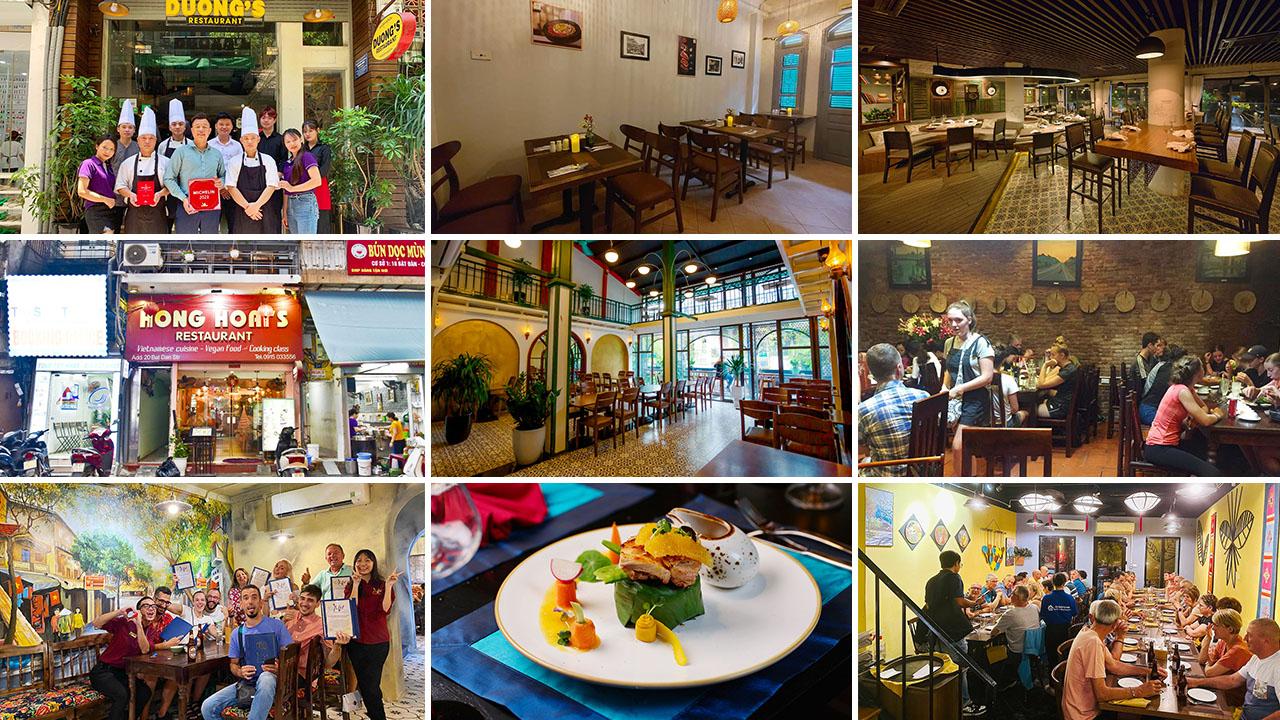
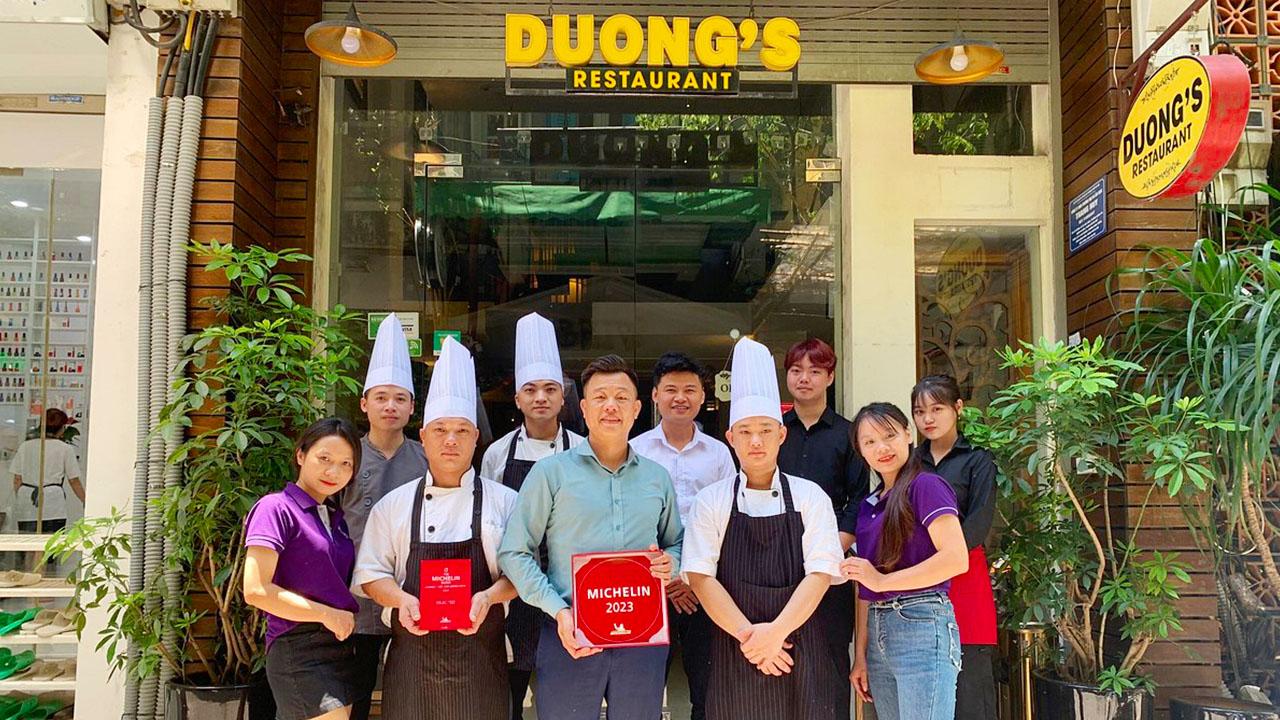
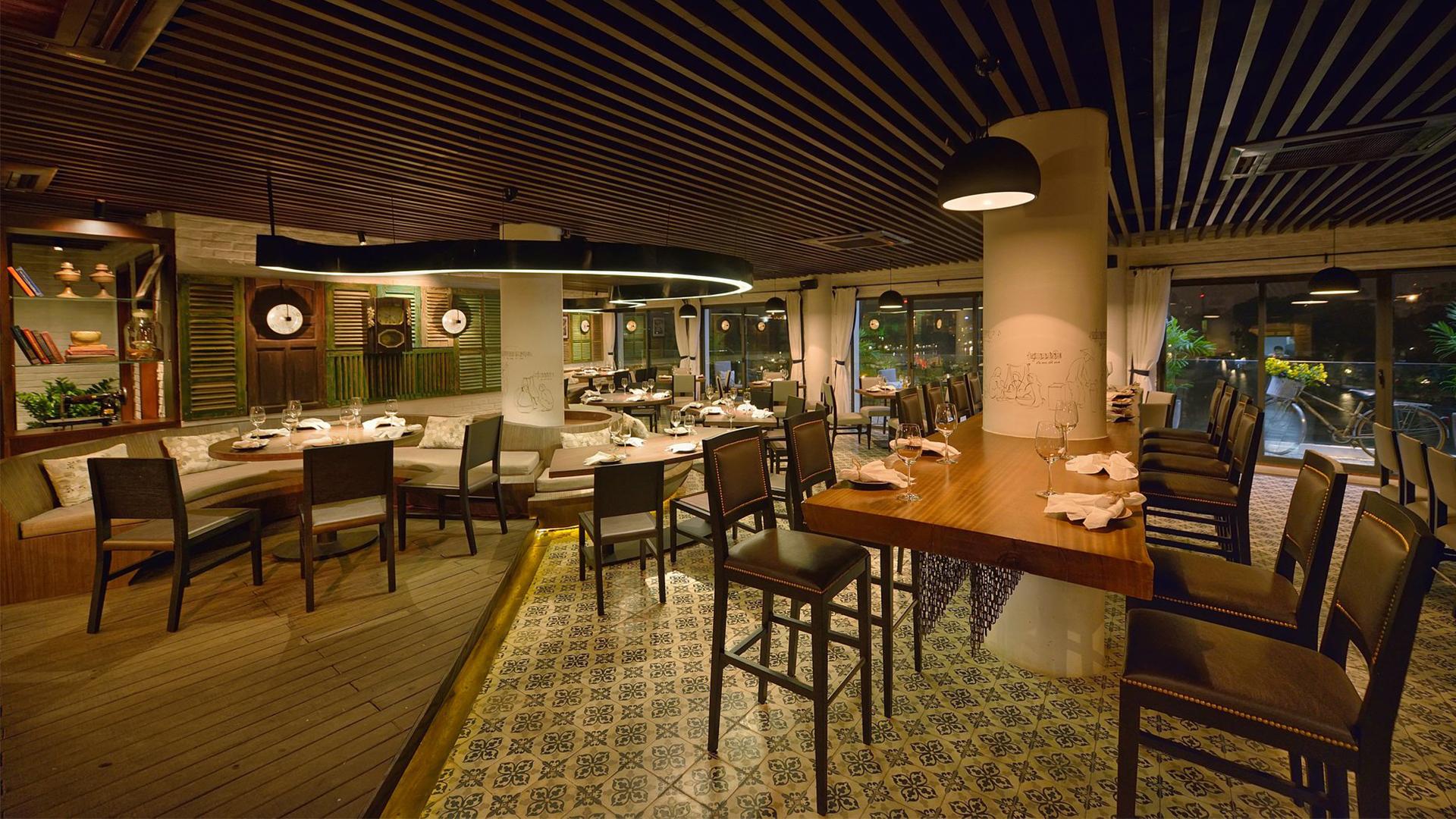
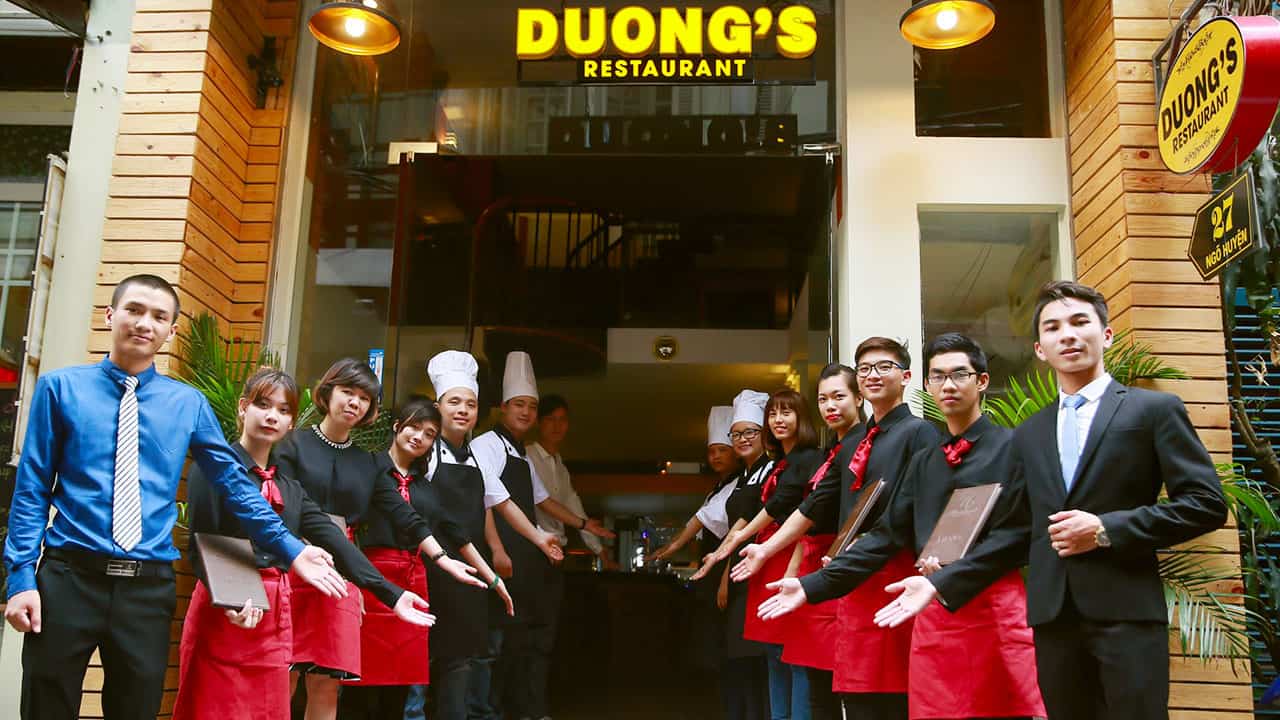
Duong’s Restaurant is often heralded as one of the must-visit dining spots near Hoan Kiem Lake. This treasure of Vietnamese cuisine has captured the hearts of both locals and tourists alike. Recognized in the 2023 MICHELIN Guide Vietnam, Duong’s is celebrated for its authentic flavors and innovative culinary techniques. Founded by Hoang Duong, a celebrity chef known for his warm hospitality and exceptional cooking skills, the restaurant stands out for its attention to detail and commitment to using fresh, quality ingredients sourced from local markets.
Duong’s Restaurant
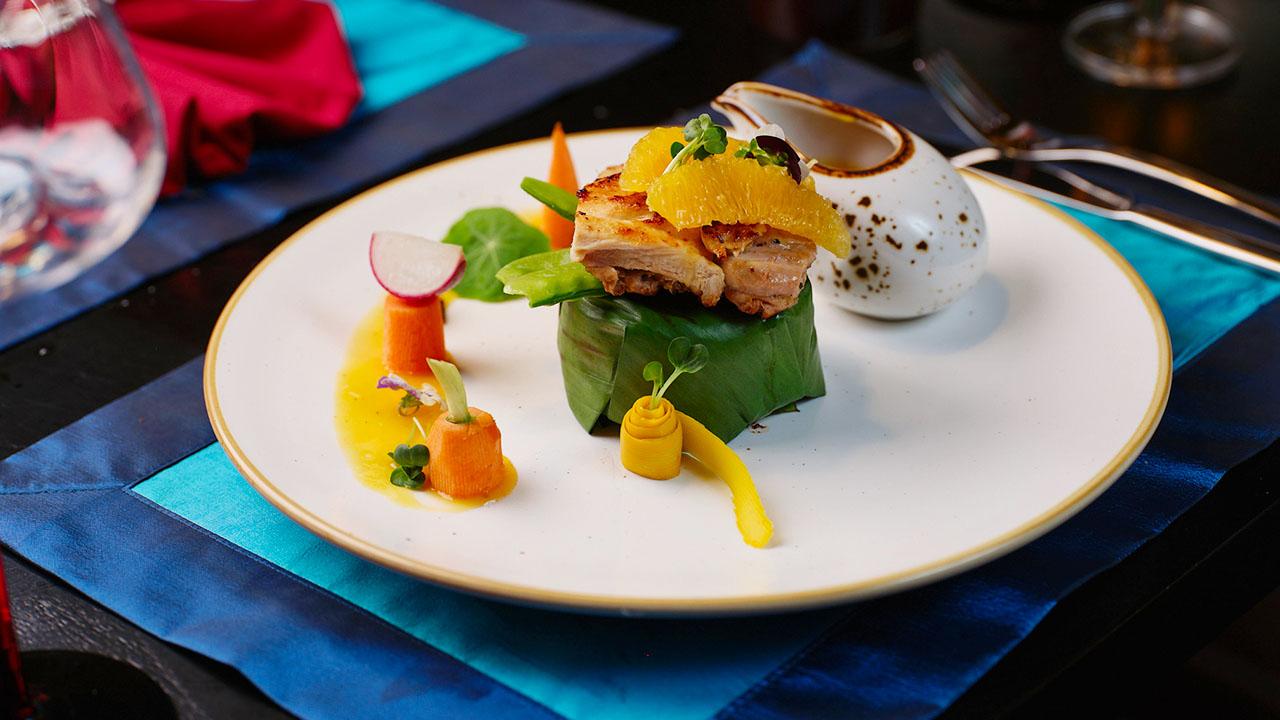
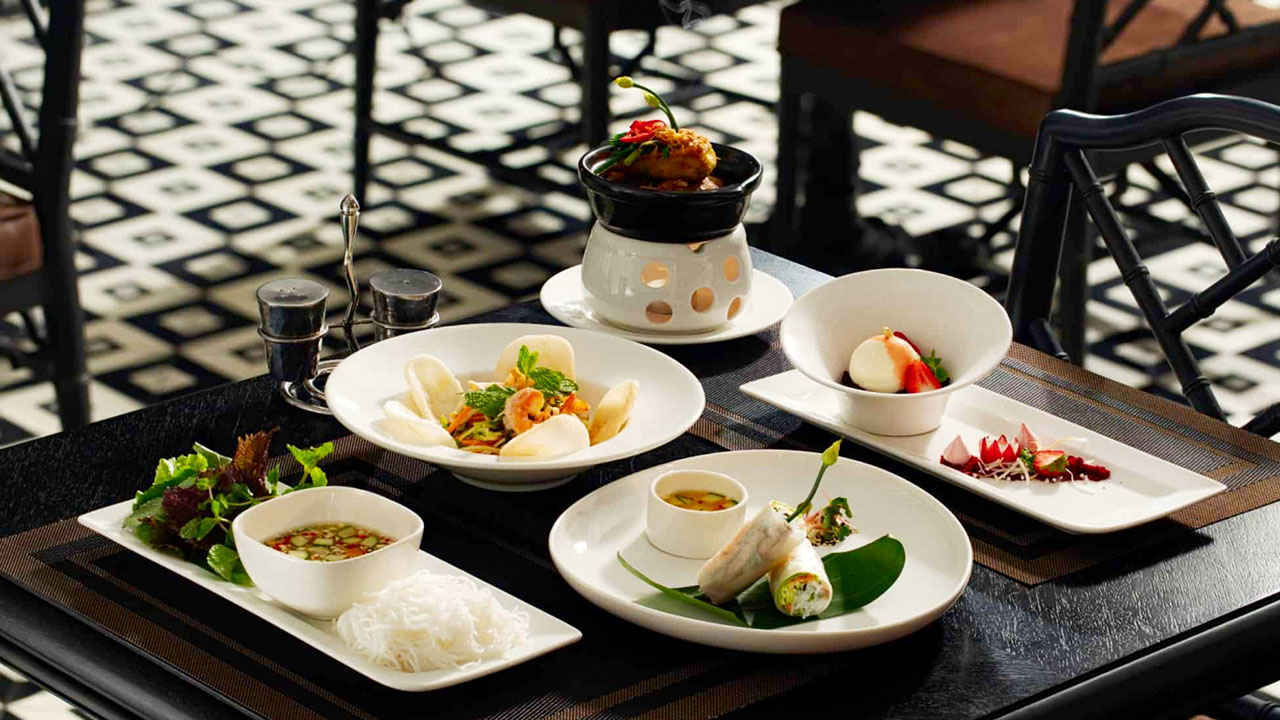
The ambiance at Duong’s is inviting, with cozy seating and friendly staff who are eager to provide recommendations. Notable menu highlights include the Deep-fried spring rolls, which are crispy and filled with fresh herbs and vegetables, and the signature roasted duck breast with orange sauce, served with seasonal vegetables. The desserts, such as the beautifully crafted chocolate mousse, are perfect ending notes to an already delightful meal. The harmonious blend of flavors, combined with the traditional presentation, makes dining here a truly memorable experience.
Comparison Highlights:
Item
Description
Price (VND)
Deep-fried spring rolls
Rice noodles, dipping fish sauce, fresh herbs
120,000
Duck breast
Orange sauce, truffle & herbs risoto
280,000
Chocolate mousse
Served w/ cinnamon ice-cream
140,000
Dual experiences await here whether you’re indulging in the hearty dishes or savoring the lighter options, each bite showcases the essence of Vietnamese gastronomy. Patrons often leave glowing reviews on various platforms, solidifying Duong’s as a cherished part of Hanoi’s culinary scene.
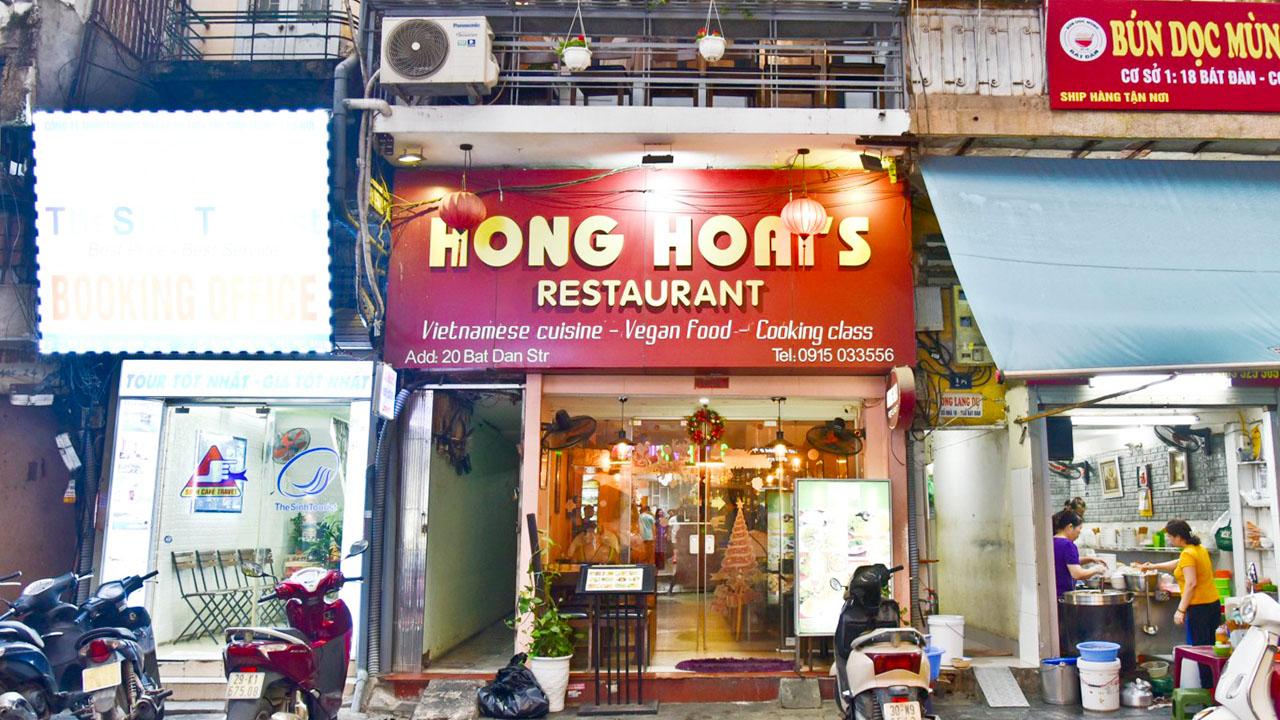
Hong Hoai’s Restaurant
Address: 20 Bat Dan, Hoan Kiem District, Hanoi.
Phone: 0915 033 556.
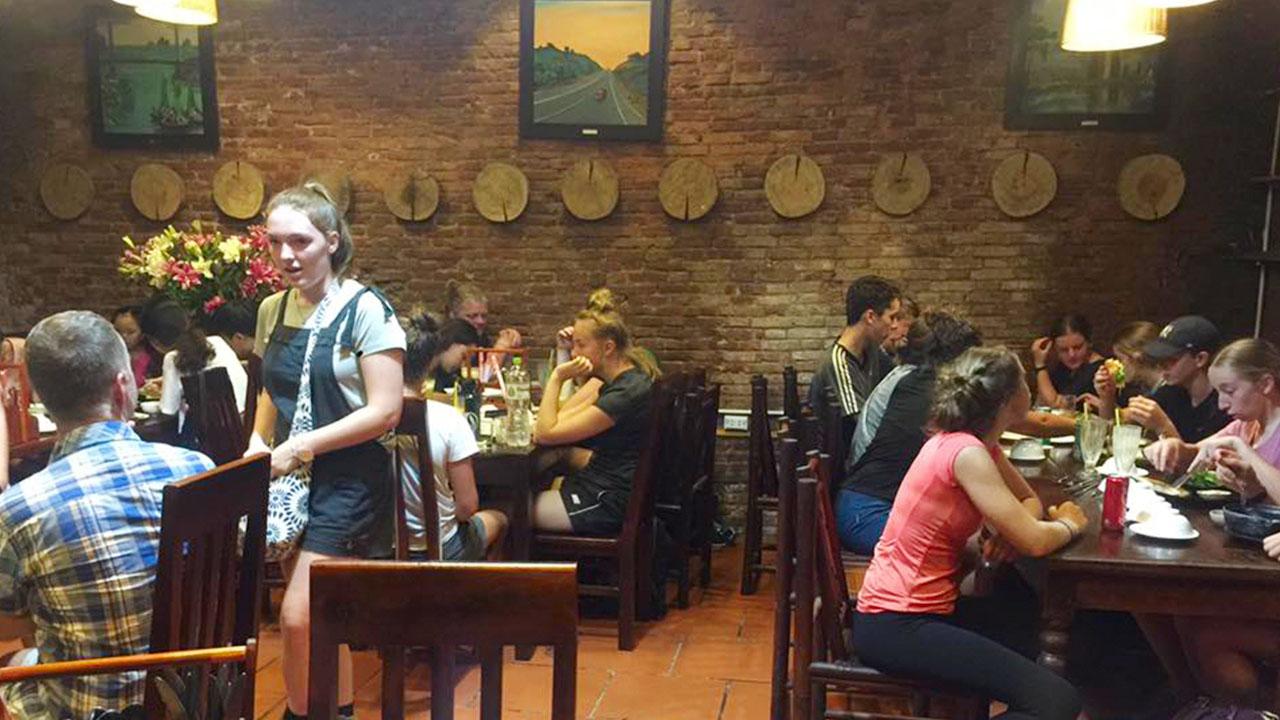
Nestled in the heart of the bustling Hoan Kiem area, Hong Hoai’s Restaurant is a culinary gem that tends to fly slightly under the radar. Although specific accolades may be a bit less publicized compared to more prominent establishments, locals often rave about its authentic Vietnamese cuisine that captures the essence of home-cooked meals. The restaurant prides itself on providing a warm and welcoming atmosphere, where diners can enjoy traditional dishes that evoke comfort and nostalgia.
Hong Hoai’s Restaurant
Dishes to look for here include the rich and flavorful Pho Bo (beef noodle soup), a staple in Vietnamese culture. The restaurant also excels with its Bun Thang, a fresh and fragrant broth with thin rice noodles, topped with a medley of herbs and meats. Prices are incredibly reasonable, making it a fantastic choice for anyone who wants to indulge without breaking the bank.
Hong Hoai’s restaurant successfully merges the aesthetics of traditional Vietnamese decor with a friendly, family-oriented ambiance, promising an experience that feels both intimate and authentic.
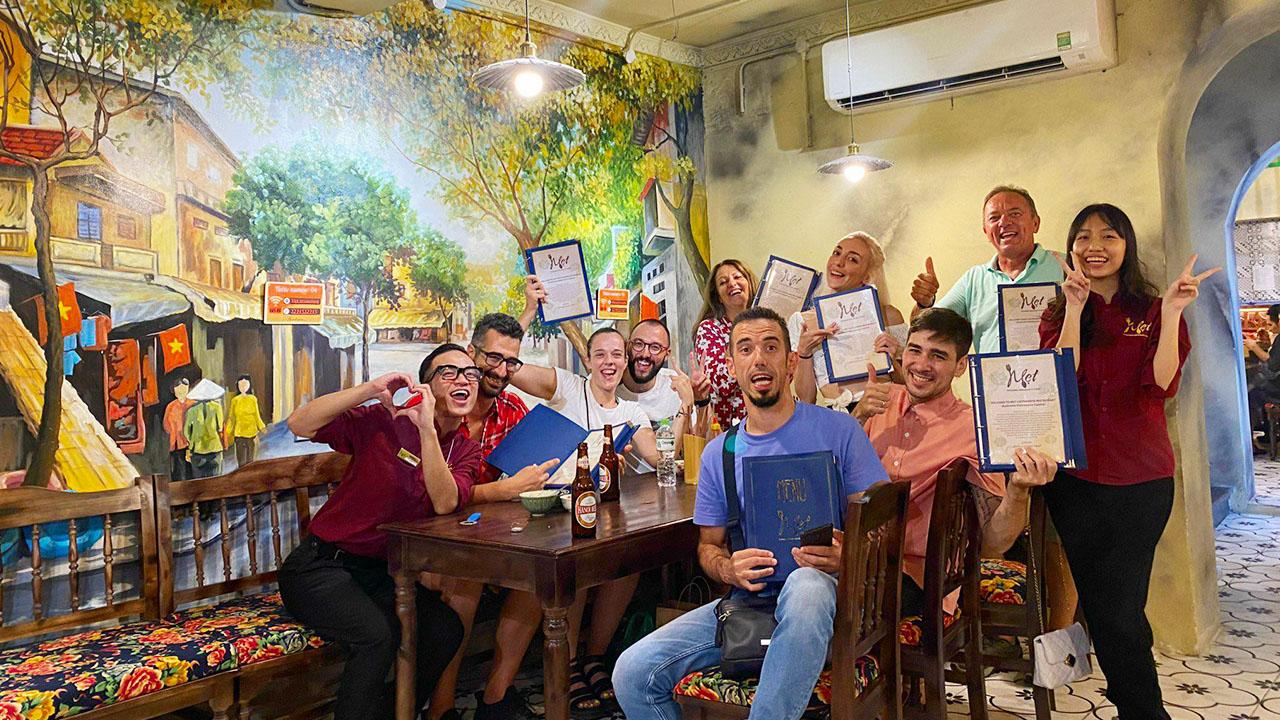
Mẹt Vietnamese Restaurant & Vegetarian Food
Address: 110 Hang Gai, Hoan Kiem District, Hanoi.
Phone: 0985 627 976.
For those looking to embrace a plant-based dining option, Mẹt Vietnamese Restaurant & Vegetarian Food is a true standout among the Hoan Kiem culinary landscape. Established over a decade ago, Mẹt is revered for its commitment to providing an authentic vegetarian and vegan dining experience. It captivates diners with its wide variety of dishes crafted from the freshest local produce, ensuring every meal is packed with flavor.
Mẹt Vietnamese Restaurant
Signature dishes like the vegetarian bun cha and mushroom curry are crafted with precision, showcasing the rich and diverse tastes of Vietnamese cuisine without the use of meat. The restaurant prides itself on being both eco-conscious and health-focused, appealing to a modern audience that cares about what they eat.
The prices are incredibly accessible, typically ranging from 80,000 to 120,000 VND for an entree. This makes Mẹt an ideal location for everyone whether you’re a lifelong vegetarian or just curious to explore plant-based options. The warm decor and lively atmosphere cultivate a sense of community, making it an ideal spot for family gatherings or social events.
Menu Highlights:
Dish
Description
Price (VND)
Vegetarian Bun Cha
Rice noodles with marinated grilled mushrooms
90,000
Spring Rolls
Fresh rice rolls filled with vegetables
80,000
Mushroom Curry
Creamy coconut curry with seasonal vegetables
120,000
Overall, Mẹt is not just a restaurant; it’s a haven for anyone wishing to enjoy vibrant flavors while maintaining a vegetarian lifestyle.
Hanoi Corner Restaurant
Address: 11 Hang Be, Hoan Kiem District, Hanoi.
Phone: 0862 370 384.
Situated in a vibrant corner of Hanoi, Hanoi Corner Restaurant offers an eclectic fusion of traditional Vietnamese dishes served in a modern setting. The inviting decor, featuring local art and comfortable seating, creates an ambient atmosphere perfect for all occasions, whether casual or celebratory.
Hanoi Corner Restaurant
Hanoi Corner prides itself on serving Pho with a variety of broths, tailored to suit the palate of each diner. The restaurant also showcases Banh Mi, a beloved Vietnamese sandwich that bursts with flavors, laden with freshly cooked ingredients. It’s often commented that the combination of crispy baguettes with savory fillings offers a mini culinary tour through Vietnam in a single meal.
Best enjoyed with a group, the menu is designed for sharing, so families and friends can savor an array of flavors. Prices are fair, typically ranging from 70,000 VND for appetizers to about 200,000 VND for main dishes. The accessibility of the location makes it a popular choice for both locals and tourists, ensuring that the ambiance remains vibrant throughout the dining hours.
Customer Favorites:
Dish
Description
Price (VND)
Pho Bo
Traditional beef noodle soup
80,000
Banh Mi
Vietnamese sandwich with a variety of fillings
70,000
Grilled Vegetables
Seasonal grilled vegetables served with dipping sauce
90,000
Though the dining scene is bustling, Hanoi Corner maintains a warmth that makes patrons feel welcomed, ensuring a delightful dining experience.
Nhà Hàng Little Hanoi
Address: 25 Hang Be, Hoan Kiem District, Hanoi.
Phone: 024 3926 0168.
Just a short walk from Hoan Kiem Lake, Nhà Hàng Little Hanoi is a beloved restaurant known for its myriad of traditional Vietnamese dishes, leaning heavily on recipes passed down through generations. With a focus on delivering authentic flavors in a homely environment, Little Hanoi creates the perfect hideaway for food lovers.
Nhà Hàng Little Hanoi
The menu boasts local classics such as the Cha Ca (grilled fish), which is beautifully flavored and served sizzling at the table, and Bun Rieu, a tangy soup complete with crab and tomato. Diners appreciate the cozy layout as it enhances the family-friendly atmosphere that the restaurant has cultivated.
Popular Dishes:
Dish
Description
Price (VND)
Cha Ca
Grilled fish served with herbs and noodles
150,000
Bun Rieu
Crab and tomato noodle soup
120,000
Steamed Spring Rolls
Delicate rolls with assorted fillings
70,000
With reasonable prices and ample portion sizes, Nhà Hàng Little Hanoi is a fantastic choice for family dining or casual meals with friends.
L’essence de Cuisine
Address: 99B Hang Gai, Hoan Kiem District, Hanoi.
Phone: 0988 256 226.
For those craving a refinement in their dining experience, L’essence de Cuisine shines as a premier destination near Hoan Kiem Lake. Renowned for its exquisite blend of Asian and Vietnamese culinary arts, passengers of taste will find themselves enchanted by the restaurant’s innovative dishes and elegant presentation.
At L’essence, traditional recipes are reimagined with a modern twist, employing high-quality ingredients and delicate cooking methods that bring forth profound flavors. Highlights include the Duck with Tamarind Sauce and the Seafood Banh Mi, showcasing the best of both Vietnamese culinary traditions and contemporary innovation.
Menu Overview:
Dish
Description
Price (VND)
Duck with Tamarind
Rich duck prepared with a tangy tamarind glaze
250,000
Seafood Banh Mi
Fresh seafood nestled in a crispy baguette
150,000
Mango Salad
Colorful salad with a zesty dressing
90,000
Atmosphere:
With its sophisticated decor and attentive service, L’essence de Cuisine provides a dining experience that is both intimate and upscale, making it ideal for romantic dinners or special celebrations. A visit here allows guests not just to dine but to also partake in a unique culinary journey.
Vietnamese Lantern Restaurant
Address: 4B Dinh Liet, Hoan Kiem District, Hanoi.
Phone: 0333 505 473.
At the intersection of culture and cuisine is the Vietnamese Lantern Restaurant. This charming eatery immerses diners in a vibrant atmosphere reminiscent of traditional Vietnamese village life, adorned with lanterns and wooden decor. The restaurant specializes in offering authentic Vietnamese dishes that are accessible in both taste and price.
Vietnamese Lantern Restaurant
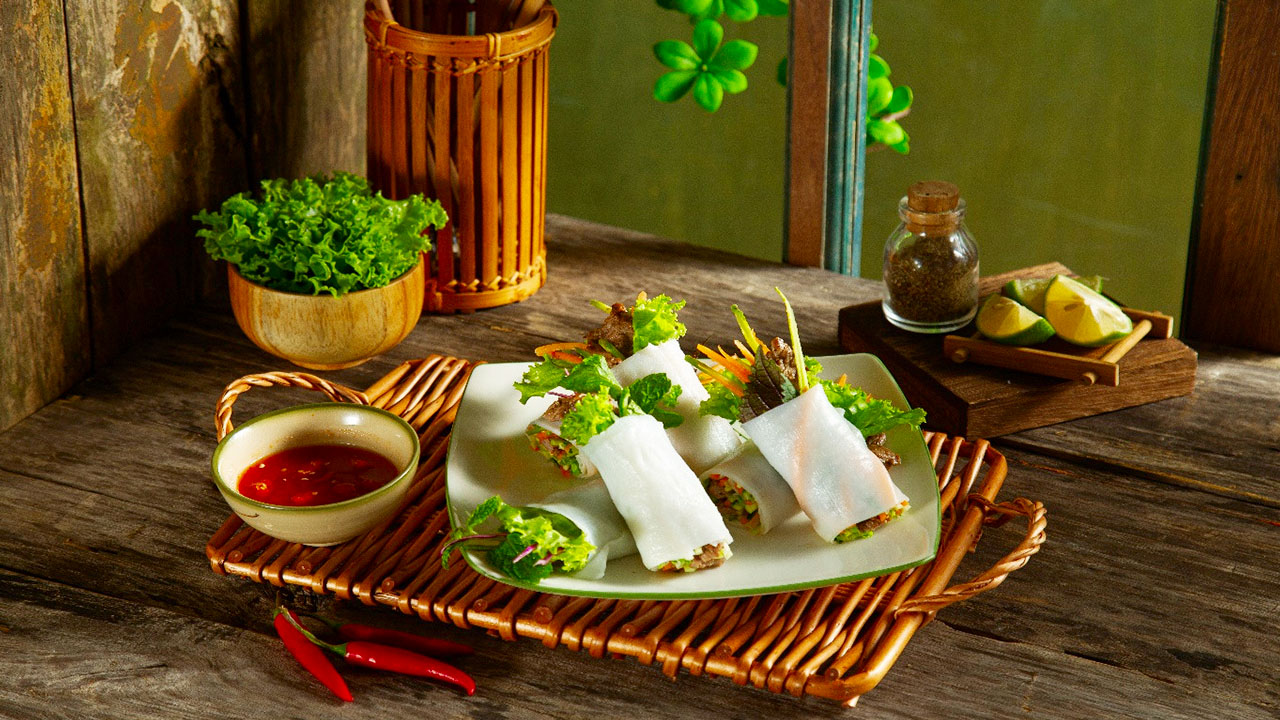
With dishes like Hu Tieu (noodle soup) and Goi Cuon (fresh spring rolls), patrons are treated to culinary delicacies that capture the essence of Vietnamese flavors. One particularly notable option is the Cao Lau, a regional specialty from Hoi An, known for its unique texture and taste.
Pricing Information:
Dish
Description
Price (VND)
Hu Tieu
Traditional noodle soup with a savory broth
90,000
Goi Cuon
Fresh spring rolls served with peanut sauce
80,000
Cao Lau
Local specialty noodle dish
120,000
Vietnamese Lantern Restaurant also prides itself on sourcing ingredients from local farmers, which not only supports the community but also guarantees freshness. The genuine warmth of the staff and presenters makes each meal feel like a homecoming.
Cau Go Vietnamese Cuisine (Restaurants Near Hoan Kiem Lake)
Address: 9 Dinh Tien Hoang, Hoan Kiem District, Hanoi.
Phone: 024 3926 0808.
Perched above street level, Cau Go Vietnamese Cuisine offers diners stunning views of Hoan Kiem Lake, creating an idyllic backdrop for enjoying authentically prepared Vietnamese dishes. The restaurant captures the hearts of visitors with its elegant environment and refined menu selection, which reflects the rich culinary traditions of Vietnam.
Cau Go Vietnamese Cuisine
At Cau Go, guests can explore a variety of renowned dishes, such as the Deep-Fried Spring Rolls and a mix of rice and noodle dishes that embrace the deep, savory flavors of Vietnam. The use of fresh herbs adds layers of complexity yet keeps dishes rooted in tradition.
The dining experience here goes beyond food; it includes breathtaking views that transform ordinary meals into extraordinary moments. The restaurant’s dedication to high standards ensures satisfaction in every aspect, from culinary artistry to customer service.
Popular Dishes Include:
Dish
Description
Price (VND)
Deep-Fried Spring Rolls
Crispy rolls filled with savory fillings
100,000
Rice Noodle with Grilled Pork
A classic combo of flavors
120,000
Vegetarian Options
Various dishes tailored for plant-based diets
90,000
Meaningful dining experiences await diners who choose to experience the charm and culinary excellence that Cau Go brings to the table.
Lake View Side Restaurant
Address: 47 Hang Dau, Ly Thai To, Hoan Kiem District, Hanoi.
Phone: 0834 063 388.
As the name hints, Lake View Side Restaurant presents an exceptional dining experience complemented by stunning lakeside views. Known for its diverse menu, the restaurant offers a delightful array of both traditional Vietnamese and Western cuisine, making it a versatile option for all types of palates.
Lake View Side Restaurant
The atmosphere is relaxed yet sophisticated, encouraging diners to linger over conversations while enjoying their meals. Signature items on the menu include flavorful Grilled Fish and Vietnamese Hot Pot, which entice visitors with their shared dining experience.
Dining Highlights:
Dish
Description
Price (VND)
Grilled Fish
Fresh fish marinated with local herbs
180,000
Vietnamese Hot Pot
A combination of meats and fresh veggies cooked at the table
200,000
Assorted Appetizers
Various Vietnamese appetizers for sharing
90,000
For anyone seeking a picturesque meal while soaking in the cultural richness of Hanoi, Lake View Side Restaurant is an ideal choice.
Downtown Cafe & Restaurant
Address: 07 Hang Muoi, St, Hoan Kiem District, Hanoi.
Phone: 0916 292 882.
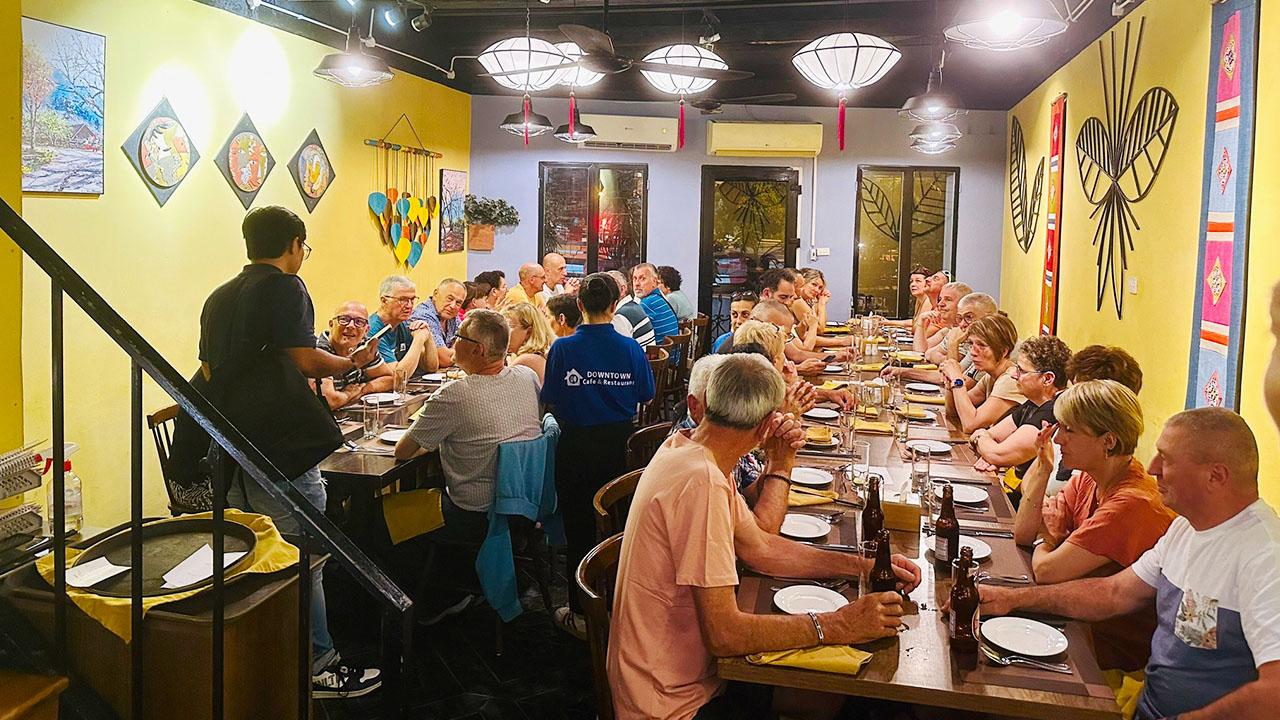
Completing our list is Downtown Cafe & Restaurant, a lively establishment that serves a wonderful blend of Vietnamese and international cuisine. Patrons enjoy the laid-back vibe as they savor delicious dishes amid the bustle of city life.
Downtown Cafe & Restaurant
This venue is well-loved for its diverse menu, which appeals to various tastes, from authentic Vietnamese dishes to familiar Western fare. The restaurant’s signature Crab Spring Rolls, featuring perfectly spiced fillings wrapped in crispy layers, are a favorite among regulars.
Menu Options:
Dish
Description
Price (VND)
Crab Spring Rolls
Crispy rolls filled with fresh crab and herbs
100,000
Vietnamese Fried Rice
Flavorful rice with assorted vegetables
90,000
Beef Stew
A rich, savory dish served with crusty bread
180,000
Combining a vibrant atmosphere, varied menu offerings, and friendly service, Downtown Cafe & Restaurant is the perfect spot for leisurely meals or quick bites.
In conclusion, the area surrounding Hoan Kiem Lake in Hanoi is a culinary haven that celebrates authentic Vietnamese flavors while embracing modern dining experiences. The ten restaurants near Hoan Kiem Lake highlighted in this list exemplify a diverse range of cuisines, ensuring that every visitor can find something that delights their palate. From the cozy corners of Duong’s to the upscale ambiance of L’essence de Cuisine, the dining options are rich and varied, promising lasting memories that reflect the vibrant culture of Vietnam. So, whether you’re a local or a traveler, take a moment to indulge in the culinary scenes that Hoan Kiem has to offer; you’re bound to discover something spectacular!
Hanoi, Vietnam’s bustling capital, is a city that captivates the senses with its rich history, vibrant culture, and, of course, its delectable cuisine. The Hanoi Old Quarter, a maze of narrow streets lined with ancient temples, colonial architecture, and bustling markets, is a foodie’s paradise. From iconic street food to upscale restaurants, the Old Quarter offers endless tantalizing dining options. Whether you’re a seasoned foodie or a first-time visitor, this guide will help you discover the best dinner in Hanoi Old Quarter.
Best Dinner in Hanoi Old Quarter
Top Traditional Vietnamese Dishes to Try
Hanoi’s culinary scene is a delightful blend of traditional flavors and modern influences. A dinner in the Old Quarter wouldn’t be complete without savoring some of these essential Vietnamese dishes:
Pho: The Quintessential Noodle Soup
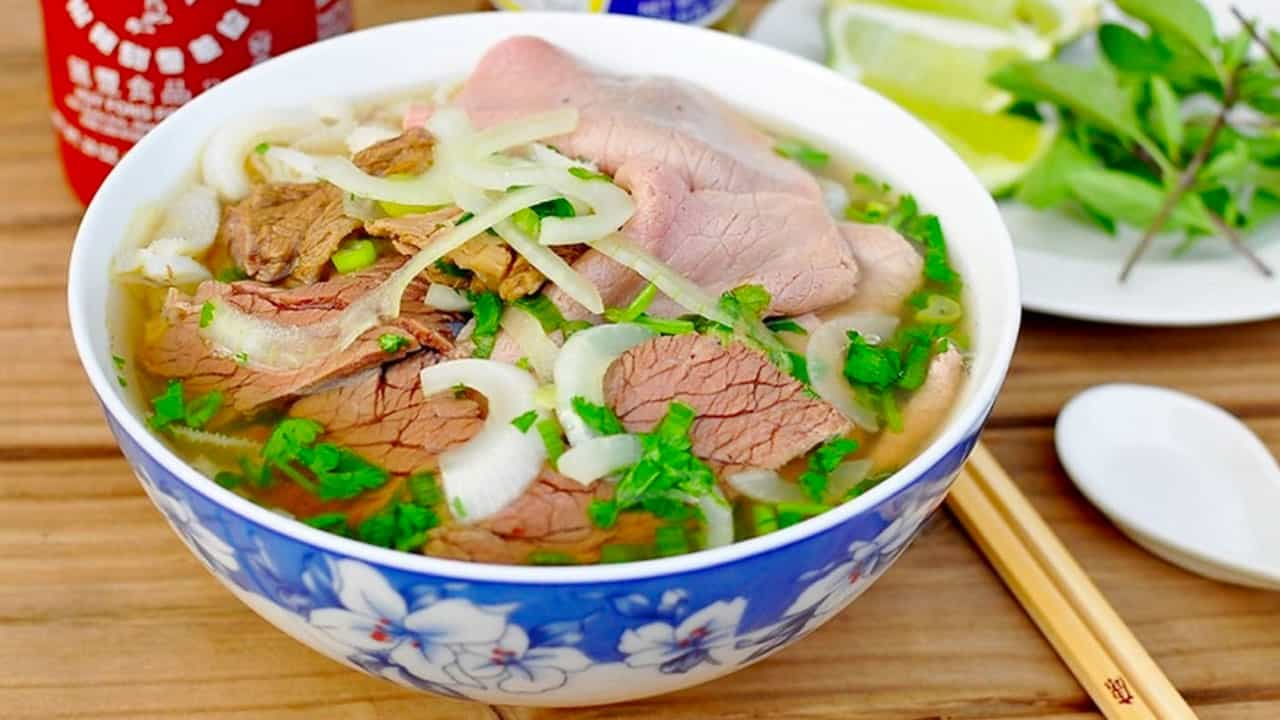
Pho, Vietnam’s national dish, is a comforting and aromatic noodle soup that embodies the country’s culinary spirit. This beloved dish consists of a fragrant broth, simmered for hours with beef bones, spices, and often a touch of ginger, forming a base that warms the soul. Slippery rice noodles, tender beef slices, fresh herbs, and a squeeze of lime complete this flavorful symphony.
Pho Hanoi
The beauty of pho lies in its regional variations, and in Hanoi, the focus is primarily on beef. You can find countless pho stalls and restaurants throughout the Old Quarter, each offering their unique interpretation of this dish. Some establishments pride themselves on using family recipes passed down through generations, while others experiment with innovative ingredients. No matter where you choose to indulge, the experience of slurping up a bowl of hot pho while sitting on a tiny plastic stool on the sidewalk is quintessentially Hanoi.
Bun Cha: Grilled Pork with Rice Noodles
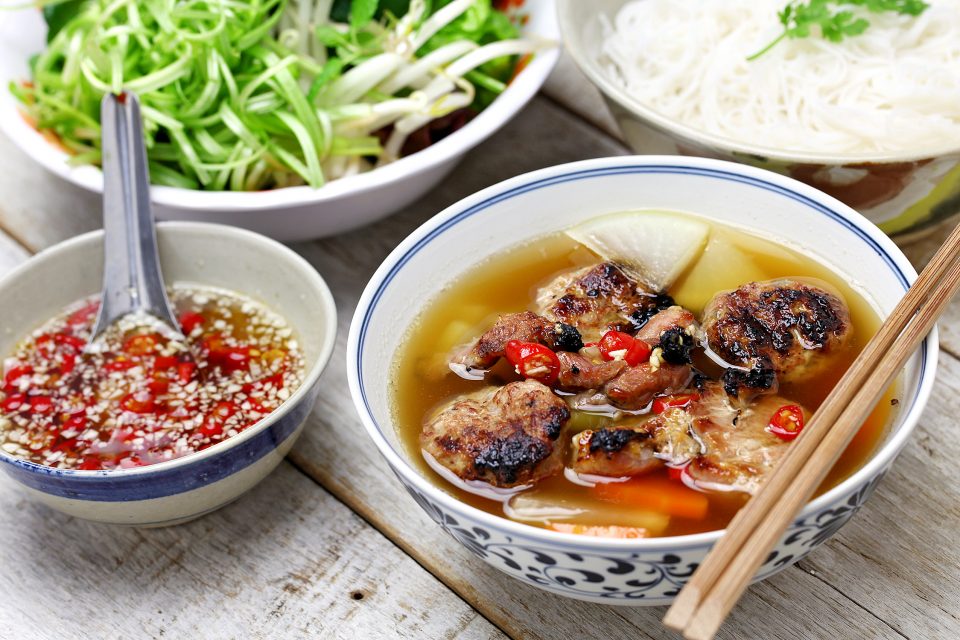
Bun Cha is a Hanoi specialty that tantalizes taste buds with its sweet, savory, and smoky flavors. This dish features succulent pork patties marinated in a blend of fish sauce, garlic, and pepper, grilled to perfection over charcoal. The grilling process imparts a delightful smokiness that elevates the dish to new heights.
Bun Cha Hanoi
Served over a bed of rice noodles, bun cha is accompanied by a plate of fresh herbs, pickled vegetables, and a dipping sauce made with fish sauce, lime juice, and chili. The combination of textures and flavors creates a harmonious balance that leaves diners craving more. Many locals enjoy bun cha as a casual meal, making it a must-try when exploring the Old Quarter.
Cha Ca: Grilled Fish Specialty
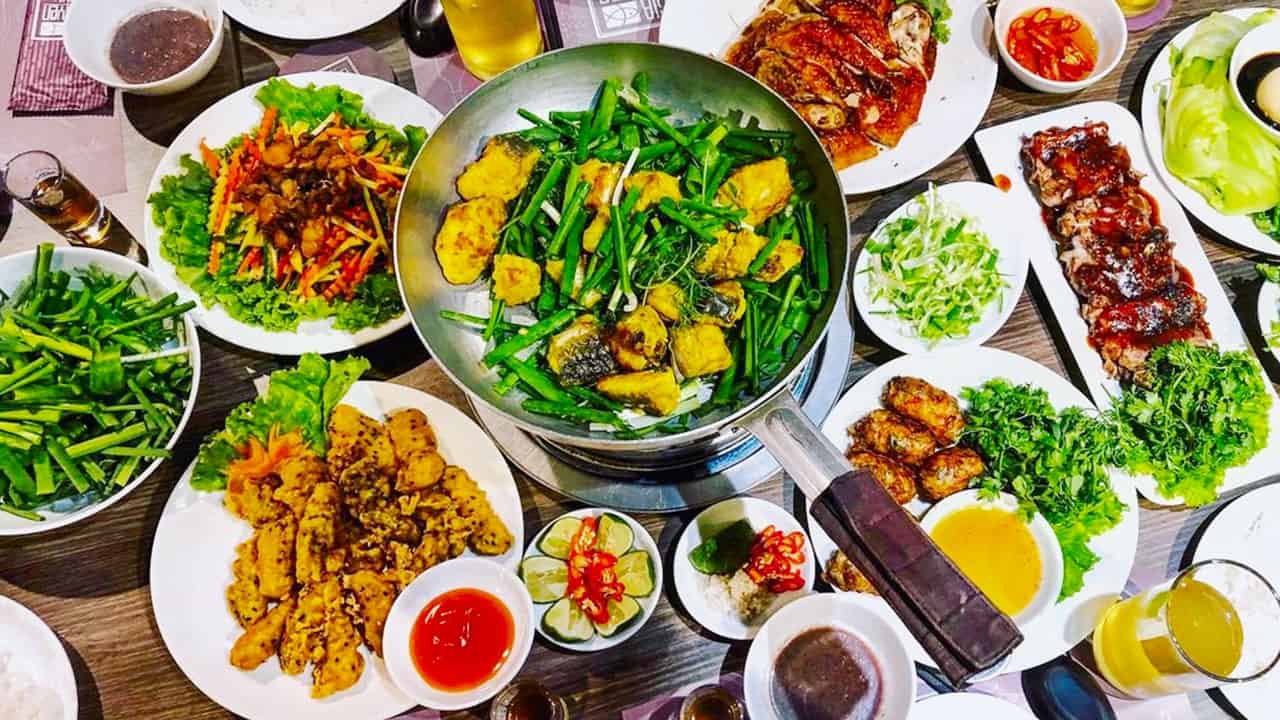
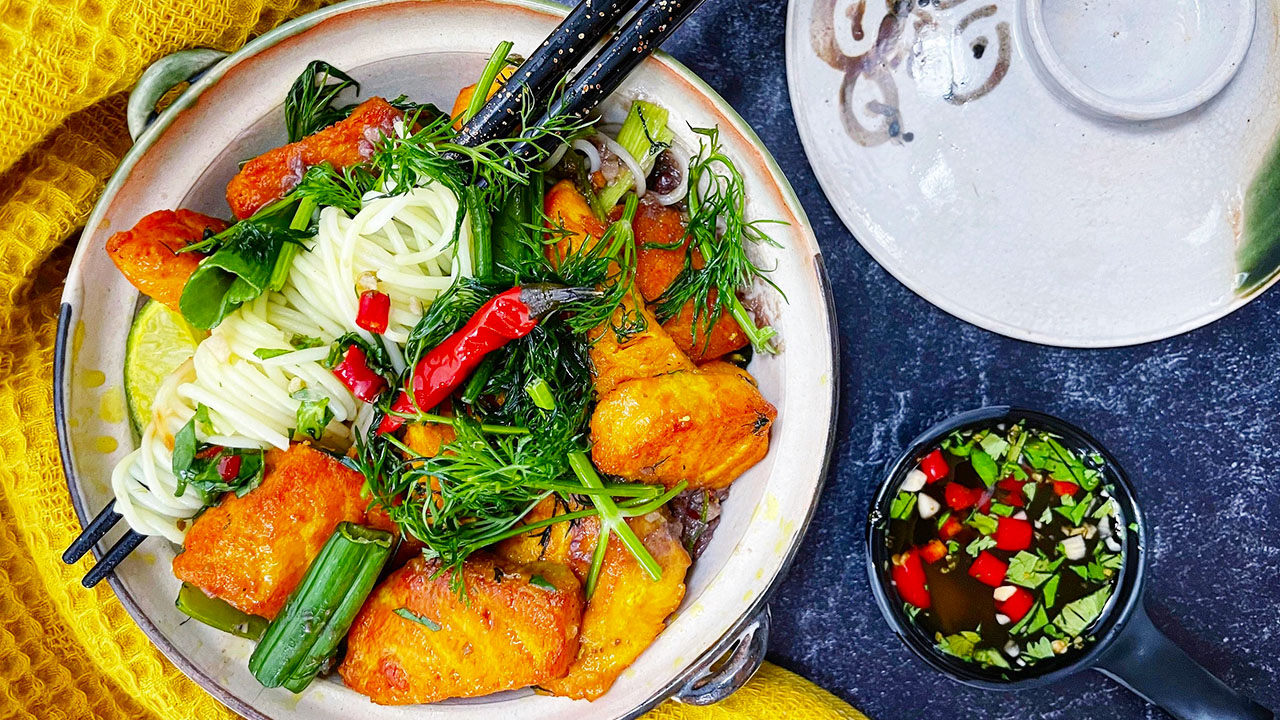
For a unique and flavorful experience, go for Cha Ca, a Hanoi delicacy featuring grilled turmeric fish. Typically made with basa or catfish, the fish is marinated in a blend of turmeric, dill, and other spices before being grilled over a charcoal fire. The result is a beautifully charred piece of fish that bursts with flavor.
Cha ca Hanoi
Cha Ca is traditionally served with a generous portion of dill, roasted peanuts, and a tangy dipping sauce made with fish sauce, lime juice, and chili. Diners are encouraged to mix everything together, creating a delightful medley of flavors and textures. This dish is not only delicious but also reflects the culinary creativity that defines Hanoi’s food scene.
Xoi: Sticky Rice Delights
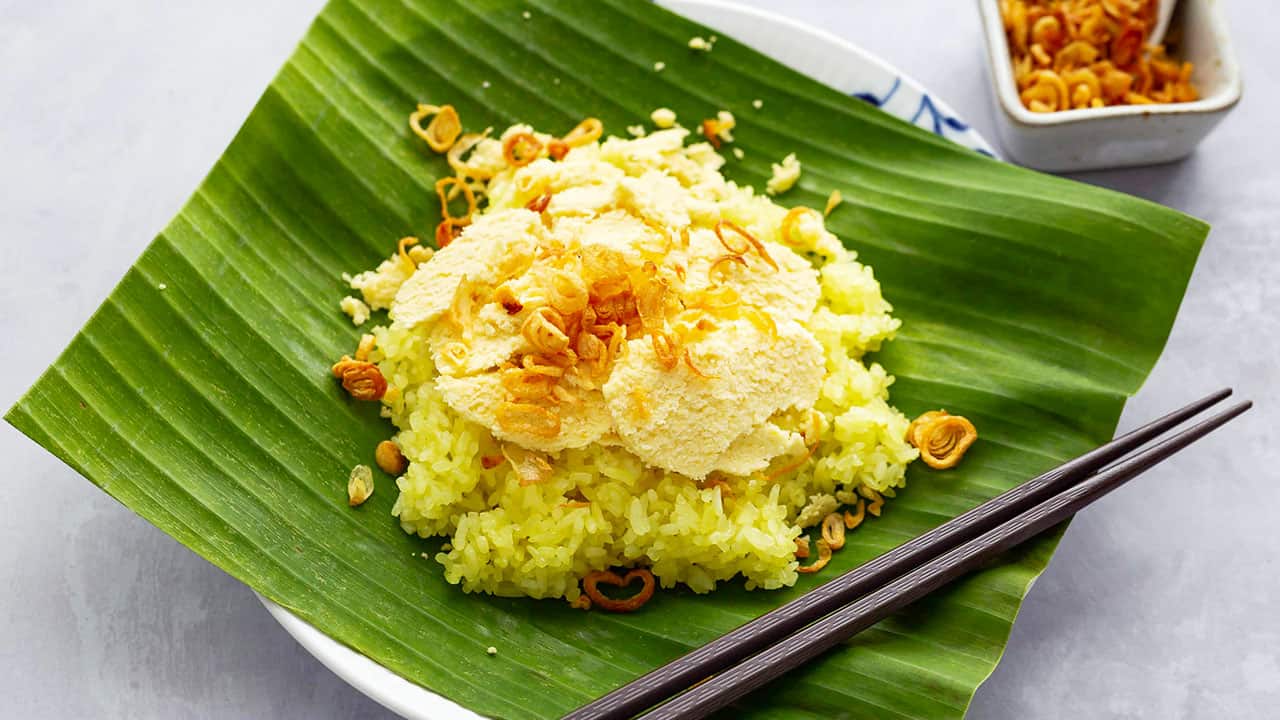
Xoi, or sticky rice, is a versatile and popular staple in Vietnamese cuisine. In the Old Quarter, you’ll find numerous varieties of xoi, each offering a unique flavor and texture. Some popular options include Xoi Xeo (sticky rice with mung beans), Xoi Ga (sticky rice with shredded chicken), and Xoi Lac (sticky rice with peanuts).
Xoi – Sticky Rice
Sticky rice is often enjoyed as a side dish or a main course, depending on the toppings and accompaniments. The chewy texture of the rice pairs perfectly with savory meats, sweet toppings, or even fried shallots. Whether enjoyed at a street stall or a sit-down restaurant, xoi is a comforting dish that showcases the diversity of Vietnamese cuisine.
Best Restaurants for Dinner in Hanoi Old Quarter
Hanoi’s Old Quarter boasts a diverse array of restaurants, catering to every taste and budget. From Michelin-recognized establishments to charming, family-run eateries, here are some of the best places to enjoy a memorable dinner:
Duong’s Restaurant: Michelin Recognized
Duong’s restaurant is a haven for those seeking an authentic and refined Vietnamese dining experience. This Michelin-recognized establishment is known for its elegant ambiance and impeccable service. The restaurant’s interior combines traditional Vietnamese decor with modern touches, creating a warm and inviting atmosphere.
Duong’s Restaurant Ngo Huyen
Duong’s menu features a selection of classic Hanoi dishes, prepared with meticulous care and using the freshest ingredients. Each dish is thoughtfully presented, showcasing the artistry of Vietnamese cuisine. Diners can expect to find favorites like pho, bun cha, and cha ca, alongside innovative creations that highlight the chef’s culinary expertise. For a truly special evening, consider pairing your meal with one of the restaurant’s carefully curated wine selections.
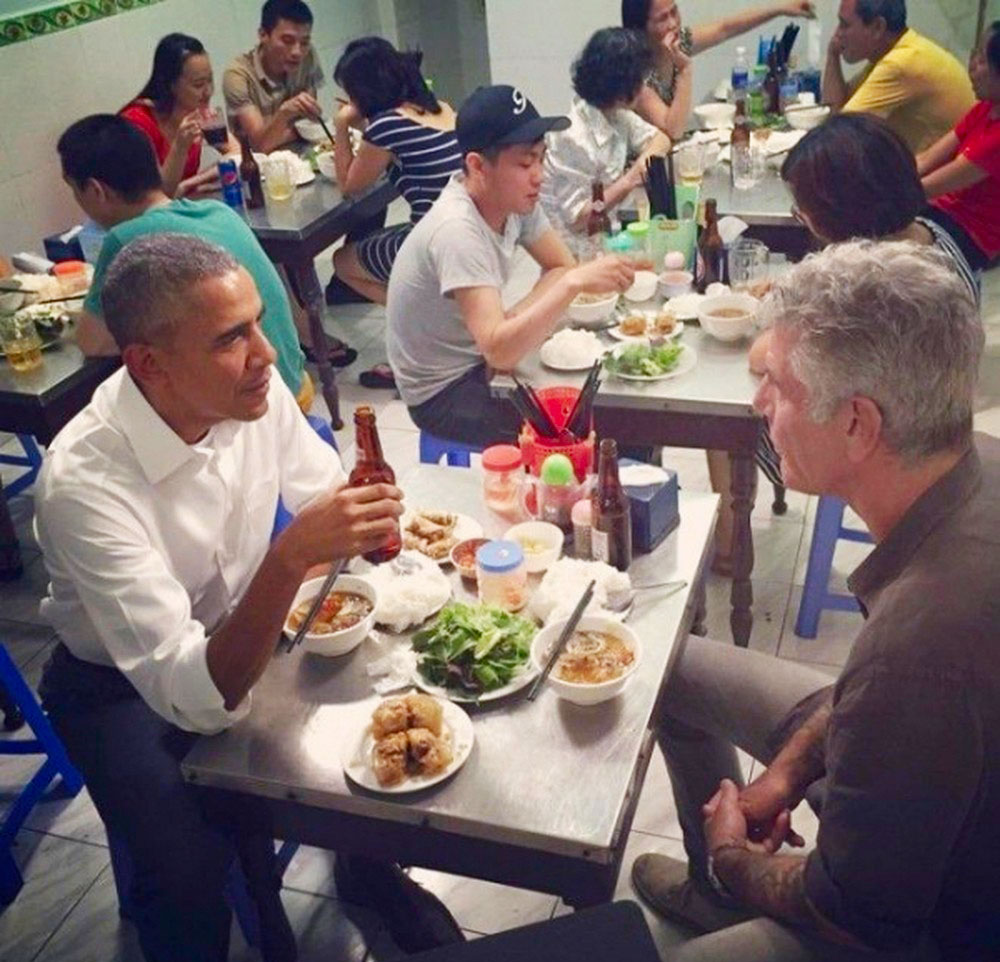
Bun Cha Huong Lien: Barack Obama’s Favorite
Bun Cha Huong Lien is a legendary Hanoi restaurant that gained international fame after President Barack Obama dined there during his official visit in 2016. This family-run eatery specializes in bun cha, a traditional Hanoi dish featuring grilled pork. The bun cha here is known for its succulent pork patties, tangy dipping sauce, and generous portion of fresh herbs.
Bun Cha Huong Lien
The atmosphere at Bun Cha Huong Lien is casual and welcoming, making it a great spot for both locals and tourists alike. The restaurant’s popularity means it can get busy, especially during peak dining hours, but the wait is well worth it. Enjoy your meal while soaking in the lively ambiance and the aroma of grilled pork wafting through the air.
Met Vietnamese Restaurant: A Blend of Tradition and Modern Flavors
Met Vietnamese Restaurant offers a unique blend of traditional Vietnamese flavors and modern culinary techniques. The restaurant’s menu features creative interpretations of classic dishes, alongside innovative signature creations that push the boundaries of Vietnamese cuisine.
Met Vietnamese Restaurant
The cozy ambiance and attentive service make it a perfect spot for a romantic dinner or a special celebration. Diners can expect to find dishes that highlight seasonal ingredients and showcase the chef’s passion for culinary excellence. Whether you’re in the mood for a classic pho or something more adventurous, Met Vietnamese Restaurant promises a memorable dining experience.
Hanoi Social Club: A Unique Dining Experience
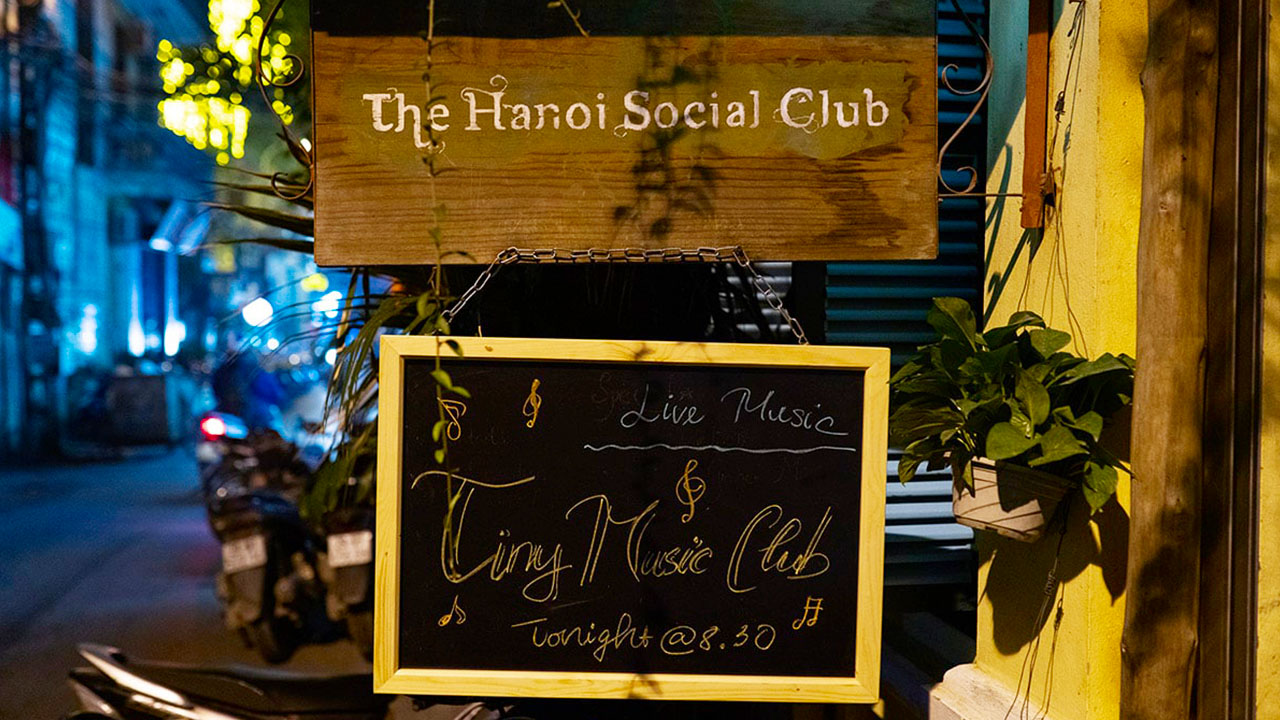
Hanoi Social Club is a modern and stylish restaurant that offers a unique dining experience in the heart of the Old Quarter. The restaurant features a lively atmosphere, a carefully curated menu featuring Vietnamese and international dishes, and a selection of craft cocktails.
Hanoi Social Club
With its eclectic decor and comfortable seating, Hanoi Social Club is the perfect place to unwind after a day of exploring the city. The menu includes a variety of vegetarian and vegan options, making it a great choice for diners with dietary restrictions. Whether you’re looking for a hearty meal or a light snack, Hanoi Social Club has something to satisfy every palate.
Must-Try Street Food Dinner Options
The Old Quarter’s vibrant street food scene is a highlight of any foodie adventure in Hanoi. These must-try street food options will satisfy your taste buds and immerse you in the local culture:
Banh Mi: The Iconic Vietnamese Sandwich
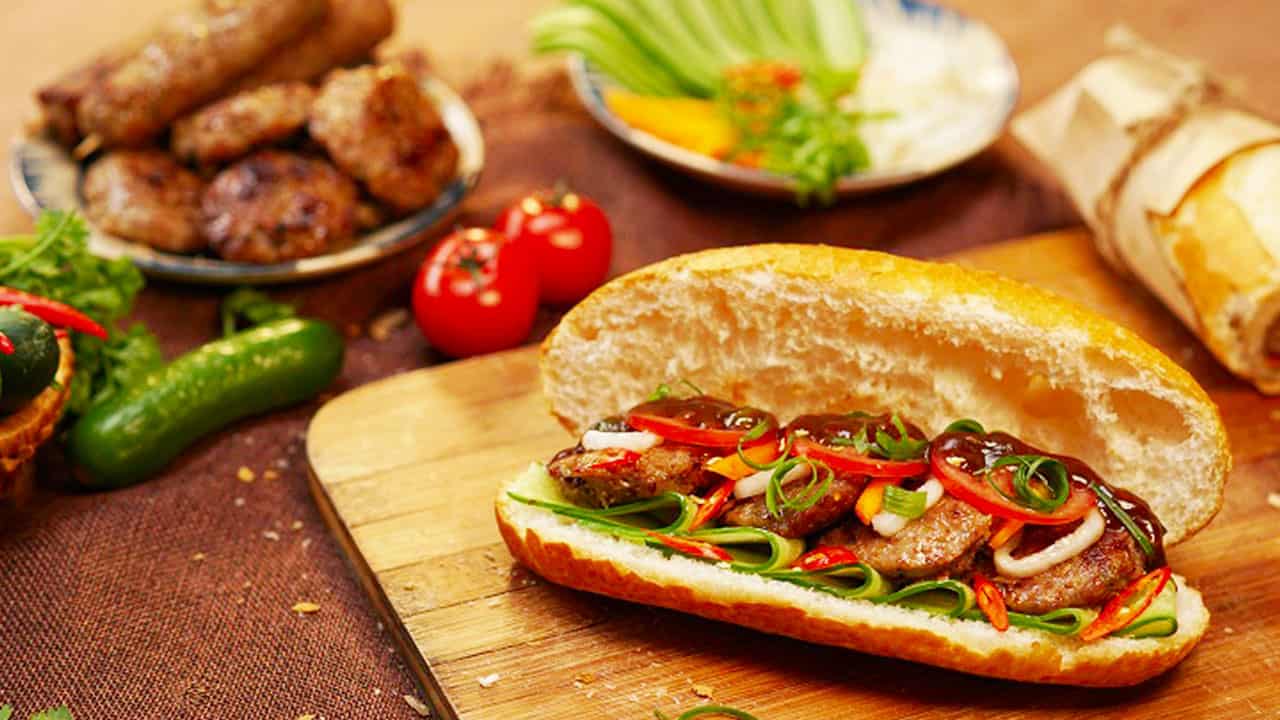
Banh mi, the iconic Vietnamese sandwich, is a street food staple that captures the essence of Hanoi’s culinary heritage. It involves crusty French baguettes filled with a combination of savory ingredients such as pickled vegetables, fresh herbs, meats, and a tangy, spicy sauce.
Banh Mi or bread is a dish that is so familiar to the people of Hanoi’s Old Quarter.
The beauty of banh mi lies in its versatility; you can find various fillings ranging from grilled pork to tofu and even seafood. Each vendor adds their unique twist, resulting in a delightful array of flavors and textures. Grab a banh mi from a street stall and enjoy it while strolling through the bustling streets of the Old Quarter for an authentic Hanoi experience.
Mien Luon: Eel Noodles
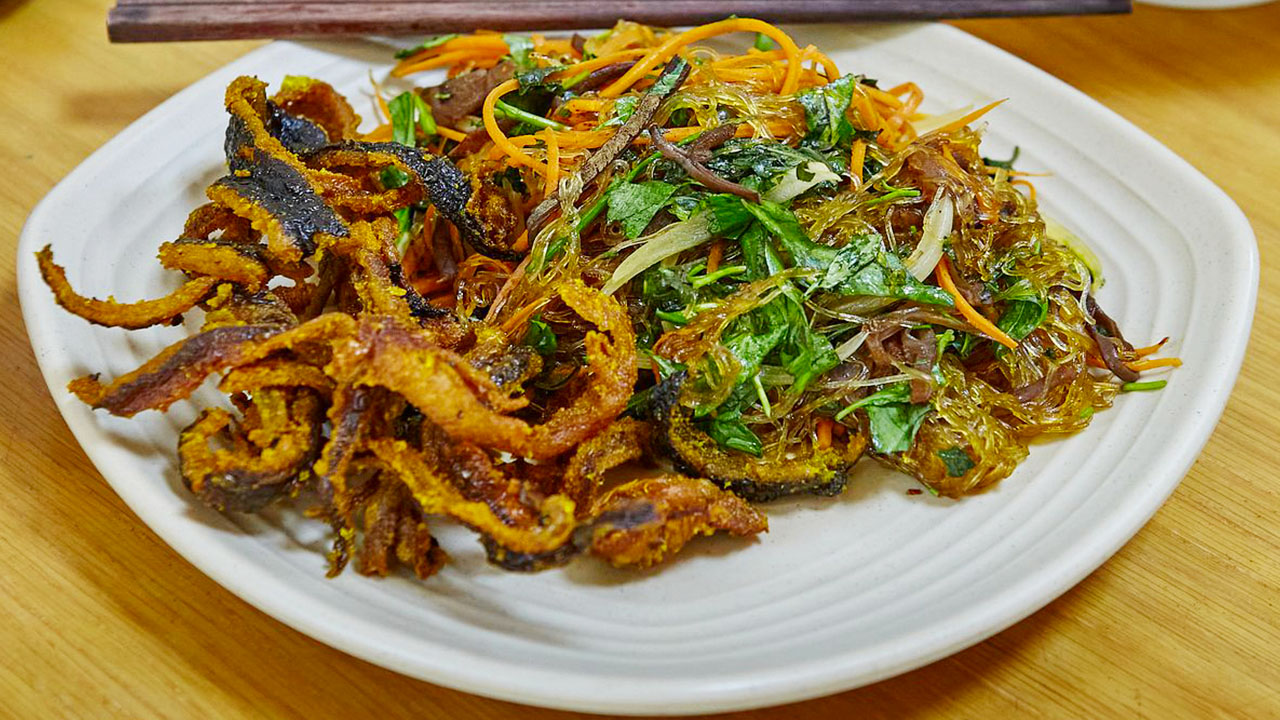
Mien Luon, or eel noodles, is a Hanoi street food delicacy that combines savory and subtly sweet flavors. Grilled eel, marinated in a mixture of spices, is served over a bed of vermicelli noodles, along with a light, flavorful broth.
Mien Xao Luon
This dish is typically topped with fresh herbs and a drizzle of fish sauce, creating a refreshing and satisfying meal. Mien Luon is a favorite among locals, and trying it from a street vendor allows you to experience the true essence of Hanoi’s culinary scene. The combination of tender eel and delicate noodles makes for a delightful dining experience.
Banh Ran: Local Vietnamese Doughnuts
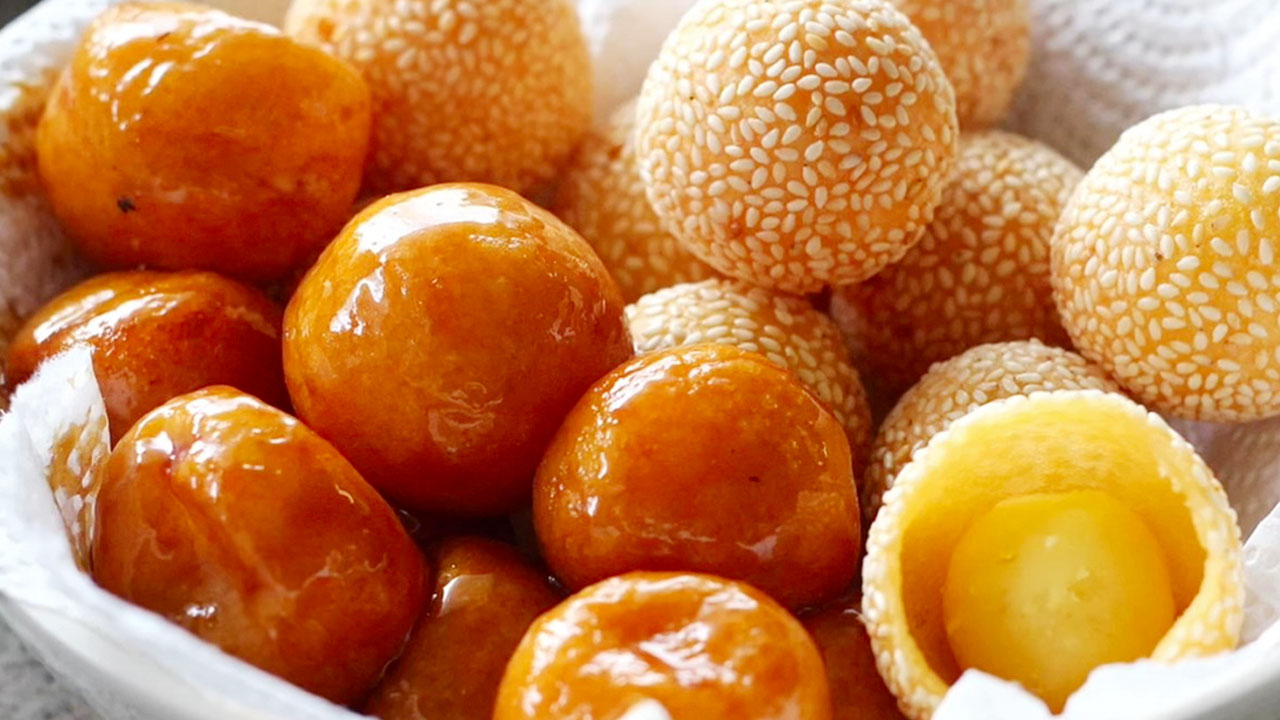
Banh Ran, or local Vietnamese doughnuts, are a popular street food snack that can be enjoyed as part of a larger dinner. These deep-fried dough balls, seasoned with powdered sugar, can be found at numerous street food stalls in the Old Quarter.
Banh Ran
Banh Ran is often filled with a sweet or savory filling, such as mung bean paste or ground meat, adding an extra layer of flavor to this delightful treat. Enjoy them as a snack while exploring the streets or as a dessert after a satisfying meal. Their crispy exterior and soft interior make them an irresistible indulgence.
Cafe Trung: Egg Coffee for Dessert
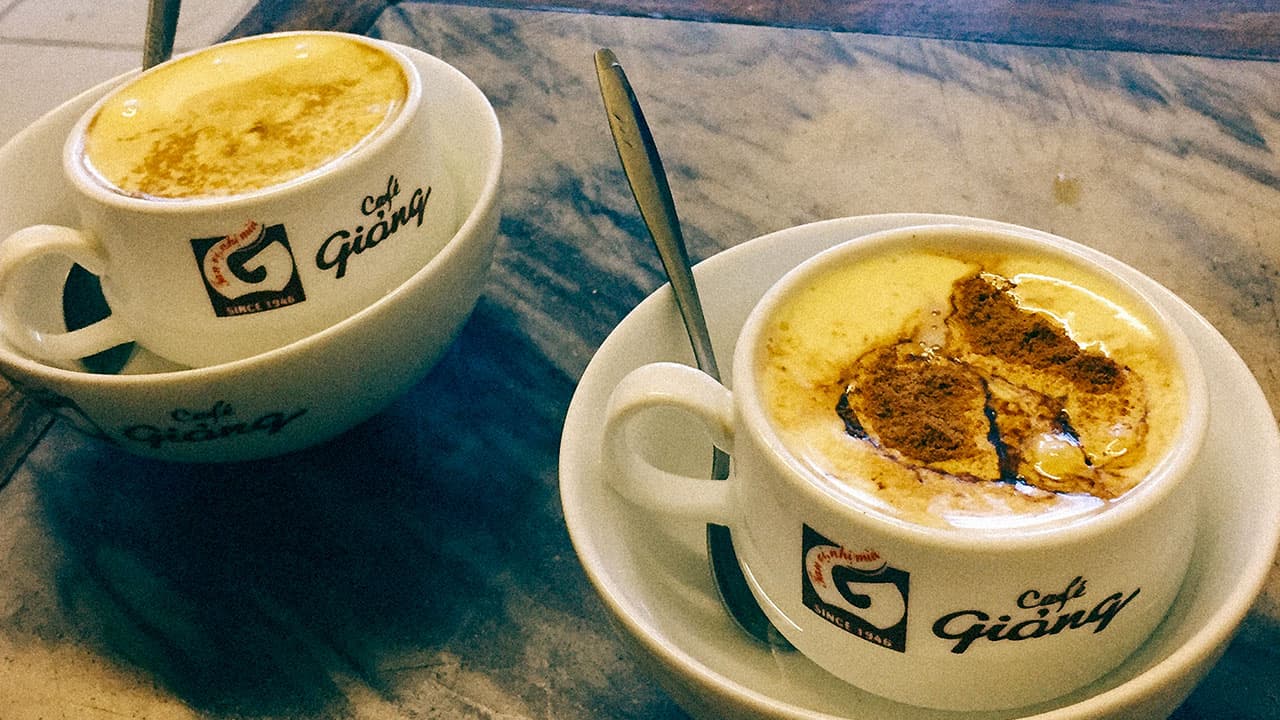
For a unique and indulgent dessert, try Cafe Trung, Hanoi’s signature egg coffee. This creamy concoction combines strong Vietnamese coffee with a mixture of egg yolks, condensed milk, and sugar, resulting in a rich and frothy beverage that is both sweet and satisfying.
Egg coffee
Cafe Trung is typically served hot, and the velvety texture of the egg foam contrasts beautifully with the bold flavors of the coffee. It’s a must-try for anyone visiting Hanoi, and many cafes in the Old Quarter offer their own take on this beloved drink. Pair it with a slice of cake or a pastry for a delightful end to your meal.
Celebrity-Endorsed Dining Spots
Besides Obama’s favored Bun Cha Huong Lien, several other restaurants in the Old Quarter have caught the attention of celebrities and foodies worldwide:
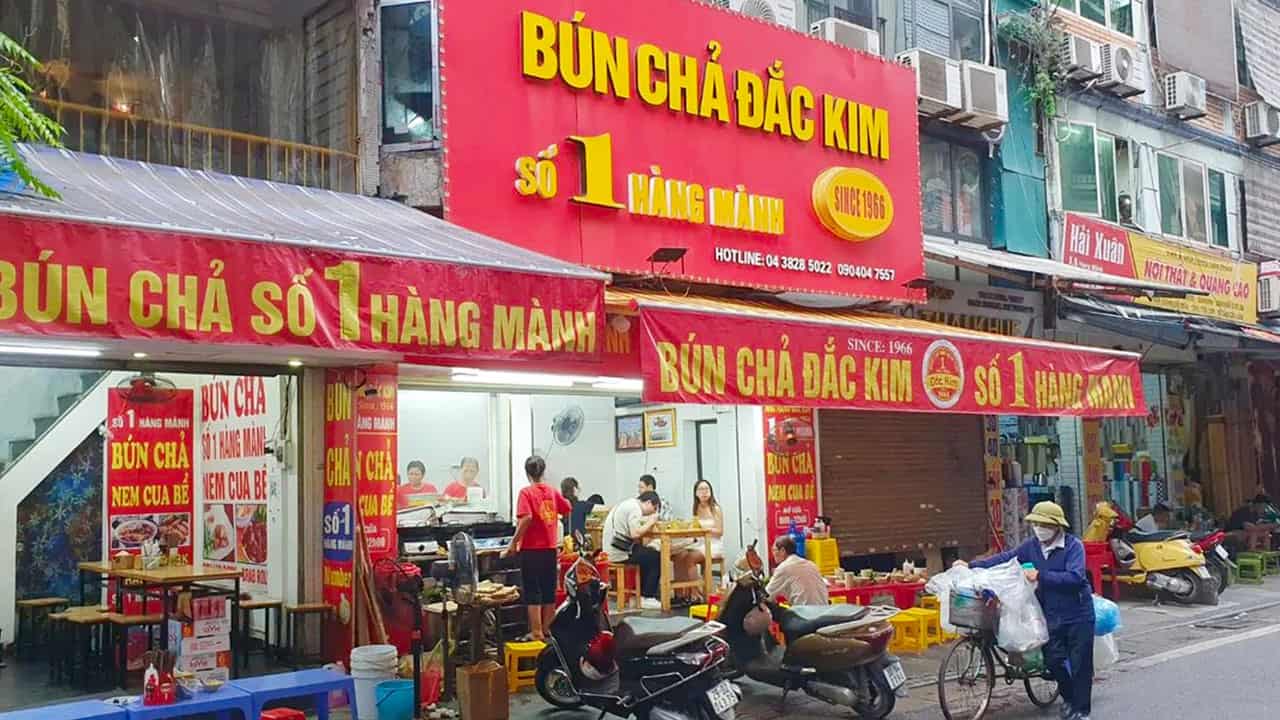
Bun Cha Dac Kim: Famous for Its Pork Dishes
Bun Cha Dac Kim is a renowned Hanoi restaurant that has been featured in several travel articles and online publications. This family-run eatery specializes in bun cha, a traditional Hanoi dish featuring grilled pork. The bun cha here is known for its succulent pork patties, tangy dipping sauce, and generous portion of fresh herbs.
Bún chả Hà Nội Đắc Kim
The restaurant’s reputation for quality and flavor has attracted both locals and tourists, making it a must-visit spot for anyone looking to indulge in authentic Hanoi cuisine. The warm and welcoming atmosphere adds to the overall dining experience, allowing guests to feel right at home.
Cha Ca Thang Long: Traditional Culinary Experience
Cha Ca Thang Long is a traditional Hanoi restaurant that specializes in Cha Ca, a grilled fish dish. The restaurant’s interior is reminiscent of a bygone era, with wooden tables and chairs, creating a nostalgic ambiance that complements the culinary experience.
Cha Ca Thang Long
Diners can enjoy the interactive experience of cooking their own fish at the table, adding an element of fun to the meal. The menu features a selection of classic Hanoi dishes, prepared with meticulous care and using the freshest ingredients. Cha Ca Thang Long is a fantastic place to immerse yourself in the traditional flavors of Hanoi.
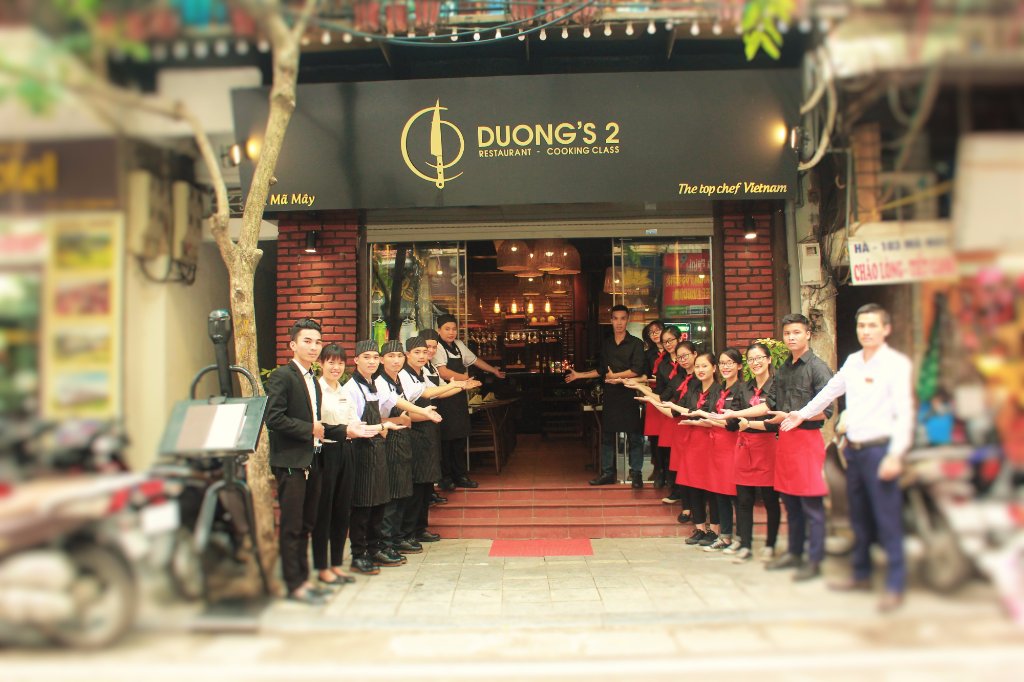
Duong’s 2 Restaurant: Cozy Dinner
Duong’s 2 Restaurant is the intimate second venue of the Michelin-recognized Duong’s. It offers a similar high-quality culinary experience but in a smaller, more intimate setting, making it a great choice for a romantic evening.
Duong’s 2 Restaurant
The menu features a variety of traditional Vietnamese dishes, all prepared with the same attention to detail that has made Duong’s a favorite among locals and visitors alike. The cozy atmosphere and exceptional service create a memorable dining experience that is perfect for couples or small groups.
Little India: A Taste of Diverse Flavors
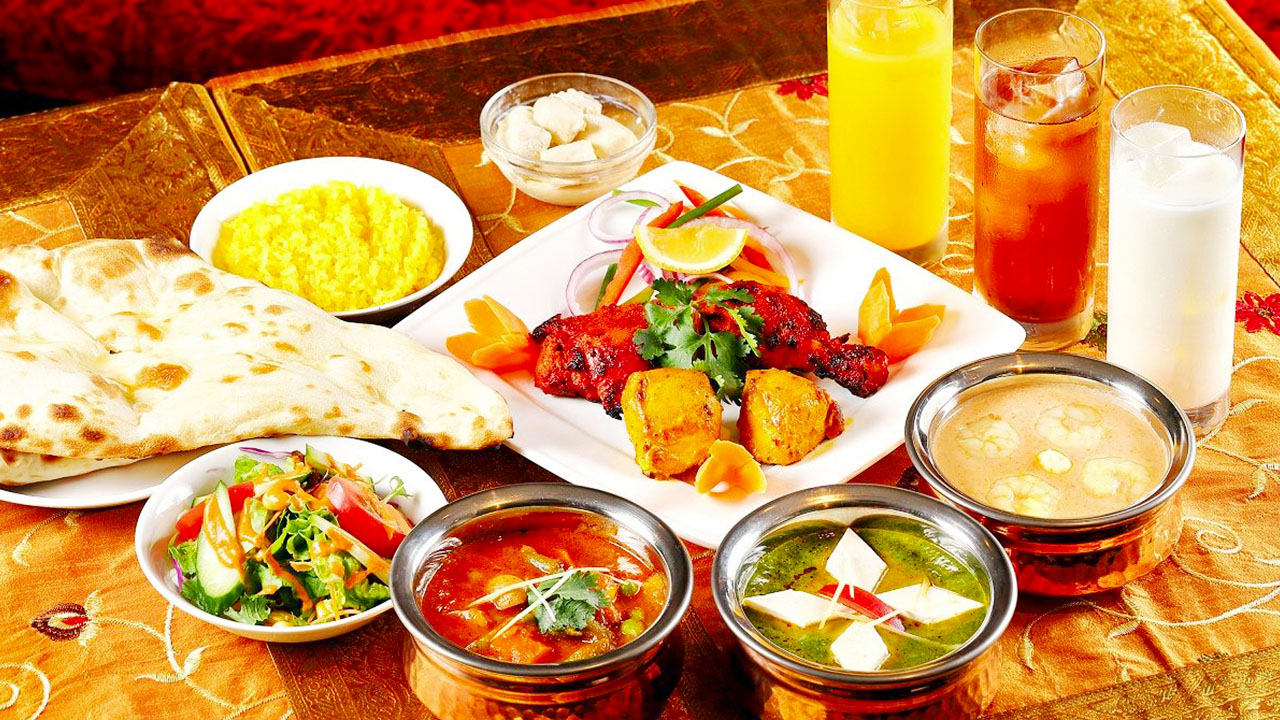
While not directly Vietnamese, Little India is a popular destination for those seeking a taste of diverse culinary flavors. The restaurant offers a wide range of Indian dishes, including curries, tandoori specialties, and vegetarian options.
Little India
Little India provides a welcome break from traditional Vietnamese cuisine, allowing diners to explore the rich and vibrant flavors of Indian food. The restaurant’s colorful decor and friendly staff create a lively atmosphere, making it a great option for groups or families looking to enjoy a different culinary experience in the heart of Hanoi.
Dining Tips for an Enjoyable Experience
Dining Tips
To optimize your dining experience in Hanoi’s Old Quarter, keep these tips in mind:
Best Time to Visit Restaurants
Restaurants in Hanoi Old Quarter tend to be busiest during peak dining hours, typically from 6 pm to 9 pm. If you’re looking for a more relaxed dining experience, consider arriving before or after this period.
Dining during off-peak hours allows you to enjoy a quieter atmosphere and receive more personalized service. Additionally, some restaurants may offer special promotions or discounts during non-peak times, making it a win-win situation for diners.
Navigating the Busy Streets of Hanoi
Hanoi’s Old Quarter is a maze of narrow streets and bustling markets. Navigating the area can be challenging, so it’s a good idea to have a map or use a navigation app.
Be prepared for the chaotic traffic and the hustle and bustle of street vendors and pedestrians. Take your time to explore the winding alleys and discover hidden gems along the way. The vibrant energy of the Old Quarter is part of its charm, so embrace the experience and enjoy the journey.
Making Reservations in Advance
For popular restaurants, especially during peak season, it’s recommended to make reservations in advance. Many restaurants in the Old Quarter accept reservations via phone or online.
Making a reservation ensures that you secure a table at your desired dining spot, especially if you’re visiting during busy times. This is particularly important for Michelin-recognized establishments and celebrity-endorsed dining spots, which can fill up quickly.
Understanding Vietnamese Dining Etiquette
While Vietnamese cuisine is known for its flavors, Vietnamese dining etiquette is also appreciated. Some common practices include:
Using chopsticks and spoons: While forks are available, it’s considered polite to use chopsticks and spoons. Mastering the art of using chopsticks can enhance your dining experience and show respect for local customs.
Sipping your soup: It’s considered rude to gulp down your soup. Instead, take small sips and enjoy the flavors. This practice reflects the appreciation for the meal and the effort put into its preparation.
Leaving some food on your plate: It’s considered polite to leave a small amount of food on your plate to show that your host was generous. This gesture signifies that you were satisfied with the meal and appreciate the hospitality.
Where to Experience Dinner Culture in Hanoi
Experience Dinner Culture in Hanoi
Besides individual restaurants and street food stalls, Hanoi’s Old Quarter offers opportunities to immerse yourself in the local culture through a range of exciting experiences:
Food Tours: Explore Culinary Delights
Hanoi food tours provide a comprehensive introduction to the city’s culinary scene. Local guides lead you through the Old Quarter, introducing you to hidden gems and explaining the history and cultural significance of each dish.
These tours often include tastings of various street foods and traditional dishes, allowing you to sample a wide range of flavors in one outing. Food tours are an excellent way to gain insight into the local culture while indulging in delicious cuisine.
Cooking Classes: Learn to Make Local Dishes
For a truly immersive experience, consider taking a Vietnamese cooking class. You’ll learn to prepare classic Hanoi dishes using fresh ingredients and traditional techniques.
Cooking classes often begin with a market tour, where you’ll select ingredients and learn about their significance in Vietnamese cuisine. Afterward, you’ll have the opportunity to cook alongside experienced chefs, gaining valuable skills and knowledge to take home with you.
Night Markets: A Blend of Shopping and Dining
Hanoi’s night markets are a vibrant blend of shopping and dining. You can browse unique souvenirs, sample local street food, and experience the energy of the city at night.
Night markets are an excellent place to discover new flavors and try dishes you may not find elsewhere. The lively atmosphere, combined with the enticing aromas of street food, creates a memorable experience that captures the essence of Hanoi’s culinary culture.
Cultural Shows and Dinner Combos: A Complete Experience
Combine a delicious dinner with a traditional Vietnamese cultural show for a complete and memorable experience. Several venues offer this type of package, providing a unique opportunity to learn about Vietnamese history and traditions while enjoying a fantastic meal.
Cultural shows often feature traditional music, dance, and storytelling, immersing diners in the rich heritage of Vietnam. This combination of dining and entertainment creates a well-rounded experience that highlights the beauty of Vietnamese culture.
Conclusion
Hanoi’s Old Quarter offers an unforgettable culinary journey for any food enthusiast. With its rich tapestry of traditional dishes, diverse dining options, and vibrant street food scene, there’s something to satisfy every palate. From savoring a steaming bowl of pho to indulging in the flavors of bun cha and cha ca, each meal is a celebration of Vietnam’s culinary heritage. Whether you choose to dine at a Michelin-recognized restaurant or explore the bustling street food stalls, the Old Quarter promises an enriching and delicious experience that will linger in your memory long after your visit. So, embark on this culinary adventure and discover the best dinner experiences that Hanoi’s Old Quarter has to offer.
Nestled in the heart of Hanoi’s Old Quarter, Bia Hoi Corner stands as a vibrant testament to Vietnam’s rich cultural tapestry and social traditions. This unassuming street intersection transforms each evening into a lively hub of activity, drawing both locals and tourists alike to experience the unique charm of fresh, locally brewed beer and mouth-watering street food. As the sun sets and plastic stools spill out onto the pavement, Bia Hoi Corner becomes more than just a place to drink—it’s a window into the soul of Hanoi, offering visitors an authentic glimpse into the daily lives and social customs of the city’s residents.
Bia Hoi Corner Hanoi
Location and Accessibility
How to Reach Bia Hoi Corner
Bia Hoi Corner is strategically located at the intersection of Ta Hien and Luong Ngoc Quyen streets in Hanoi’s Old Quarter. This bustling area is easily accessible by various means of transportation, catering to both locals and tourists.
For those staying within the Old Quarter, a leisurely walk is often the best way to reach Bia Hoi Corner. The maze-like streets of this historic district are filled with sights, sounds, and smells that will captivate your senses as you make your way to your destination. Walking also allows you to stumble upon hidden gems and get a real feel for the neighborhood’s unique character.
If you’re coming from other parts of Hanoi, taking a taxi or ride-sharing service is a convenient option. Most drivers are familiar with Bia Hoi Corner, but it’s always a good idea to have the address written down in Vietnamese to avoid any confusion.
Transportation Options in Hanoi
Hanoi offers a variety of transportation options for visitors to navigate the city:
Motorbike rentals: A popular choice among tourists, renting a motorbike gives you the freedom to explore at your own pace. However, it’s important to note that Hanoi’s traffic can be chaotic and intimidating for inexperienced riders.
Cyclos: These three-wheeled bicycle taxis are a charming way to experience the city, especially in the Old Quarter where the narrow streets can be difficult for larger vehicles to navigate.
Taxis and ride-sharing services: These provide a comfortable and air-conditioned option for getting around, especially during the hot and humid summer months.
Public buses: While not as convenient for short trips within the Old Quarter, buses are an affordable option for longer journeys across the city.
When choosing your mode of transportation to Bia Hoi Corner, consider factors such as your comfort level with Hanoi’s traffic, the distance you need to travel, and your desire for an authentic local experience.
Walking Distance from Key Landmarks
Easy walk to the Bia hoi corner
One of the advantages of Bia Hoi Corner’s location is its proximity to several of Hanoi’s most popular attractions. This makes it an ideal stop to include in your sightseeing itinerary. Here are some key landmarks and their approximate walking distances from Bia Hoi Corner:
Hoan Kiem Lake: A 10-minute walk (about 800 meters)
St. Joseph’s Cathedral: A 7-minute walk (about 550 meters)
Dong Xuan Market: A 12-minute walk (about 1 kilometer)
Hanoi Opera House: A 20-minute walk (about 1.6 kilometers)
Temple of Literature: A 30-minute walk (about 2.5 kilometers)
These walking times allow you to combine a visit to Bia Hoi Corner with other sightseeing activities, making for a full and enriching day in Hanoi.
Navigating the Old Quarter
The Old Quarter of Hanoi, with its narrow streets and constant bustle, can be challenging to navigate for first-time visitors. Here are some tips to help you find your way:
Use offline maps: Download an offline map app like Maps.me or Google Maps offline feature before your trip. This will help you navigate without using data.
Look for street signs: In the Old Quarter, many streets are named after the goods traditionally sold there. Ta Hien Street, where Bia Hoi Corner is located, is also known as “Beer Street.”
Use landmarks: Familiarize yourself with major landmarks in the area, such as Hoan Kiem Lake or St. Joseph’s Cathedral, to help orient yourself.
Don’t be afraid to ask: Locals are generally friendly and willing to help with directions. Young people, in particular, often speak some English.
Embrace getting lost: Some of the best experiences in the Old Quarter come from wandering its maze-like streets and discovering hidden gems.
Best Times to Visit Bia Hoi Corner
Best time to go to Bia hoi corner
While Bia Hoi Corner is active throughout the day, it truly comes alive in the evening. Here’s a breakdown of the best times to visit:
Late afternoon (4-6 PM): This is when the stalls start setting up and the first patrons begin to arrive. It’s a good time to visit if you want to secure a seat and observe the area transform for the evening.
Early evening (6-8 PM): The atmosphere becomes more lively as locals finish work and head to Bia Hoi Corner for after-work drinks and socializing.
Peak hours (8-10 PM): This is when Bia Hoi Corner is at its busiest and most vibrant. Expect crowds, a festive atmosphere, and possibly live music or street performances.
Late night (after 10 PM): The crowds start to thin out, but many stalls remain open. This can be a good time for a more relaxed experience.
Remember that weekends are generally busier than weekdays. If you prefer a less crowded experience, consider visiting on a weekday evening.
Bia Hoi Experience
What is Bia Hoi?
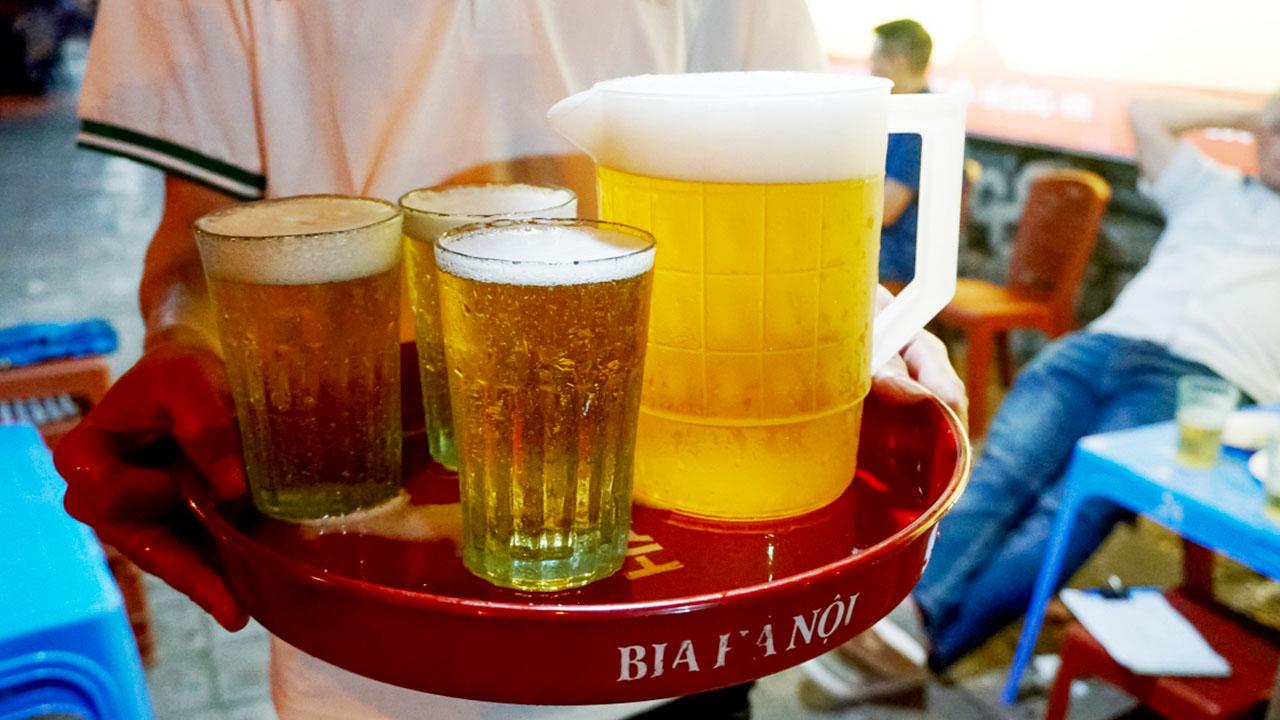
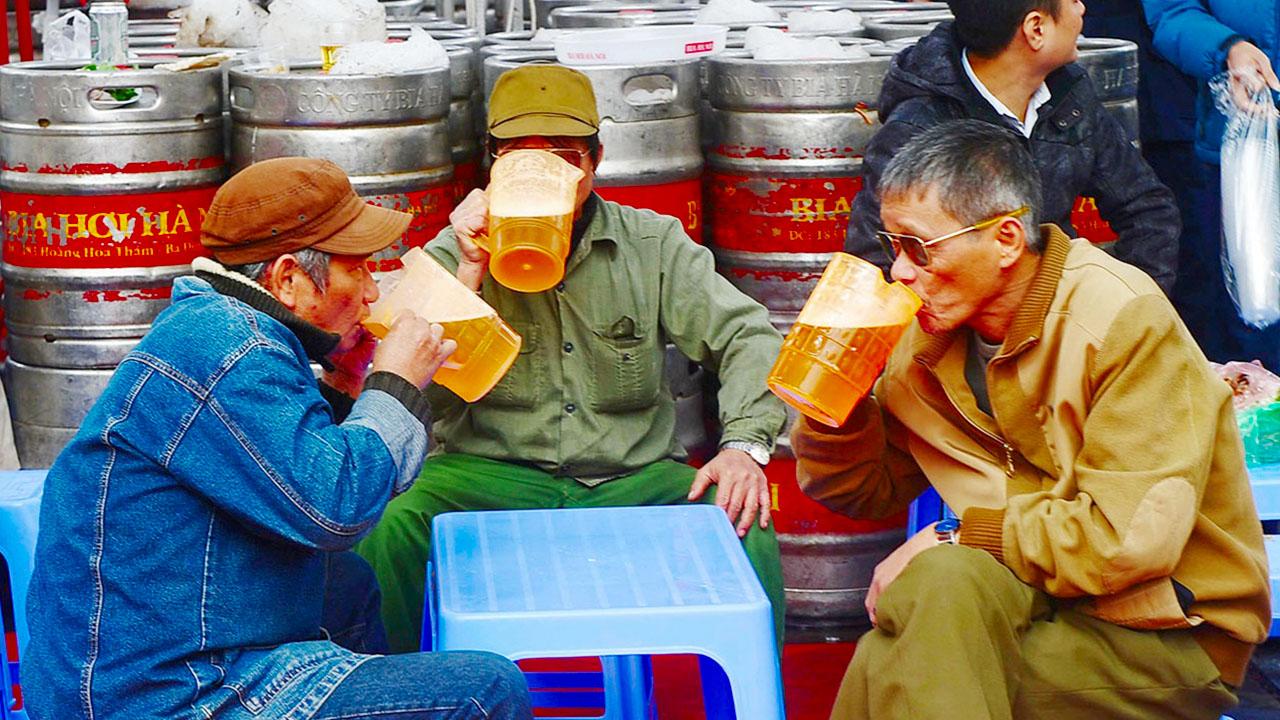
Bia Hoi, which translates to “fresh beer” in Vietnamese, is a unique type of draft beer that has become an integral part of Hanoi’s social culture. Unlike mass-produced beers, Bia Hoi is brewed daily and delivered to local establishments in metal barrels, typically consumed within 24 hours of production.
What is Bia Hoi?
The brewing process of Bia Hoi is relatively simple, using malted barley, rice, and hops. The beer is not pasteurized or filtered, resulting in a light, refreshing taste with a low alcohol content (usually around 3-4%). This makes it perfect for Vietnam’s hot and humid climate, allowing people to enjoy multiple glasses without becoming overly intoxicated.
One of the most notable characteristics of Bia Hoi is its affordability. A glass typically costs between 5,000 to 8,000 Vietnamese Dong (approximately $0.20 to $0.35 USD), making it accessible to a wide range of people and contributing to its popularity among both locals and tourists.
The Unique Atmosphere of Bia Hoi Corner
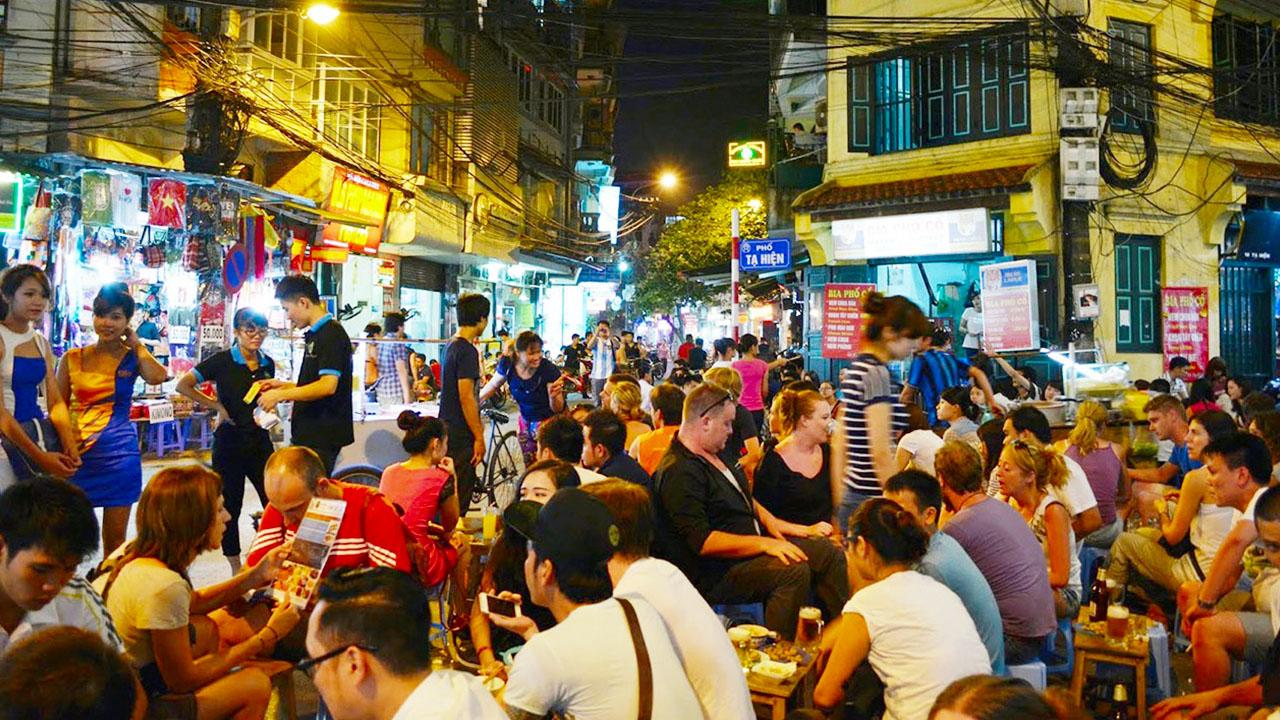
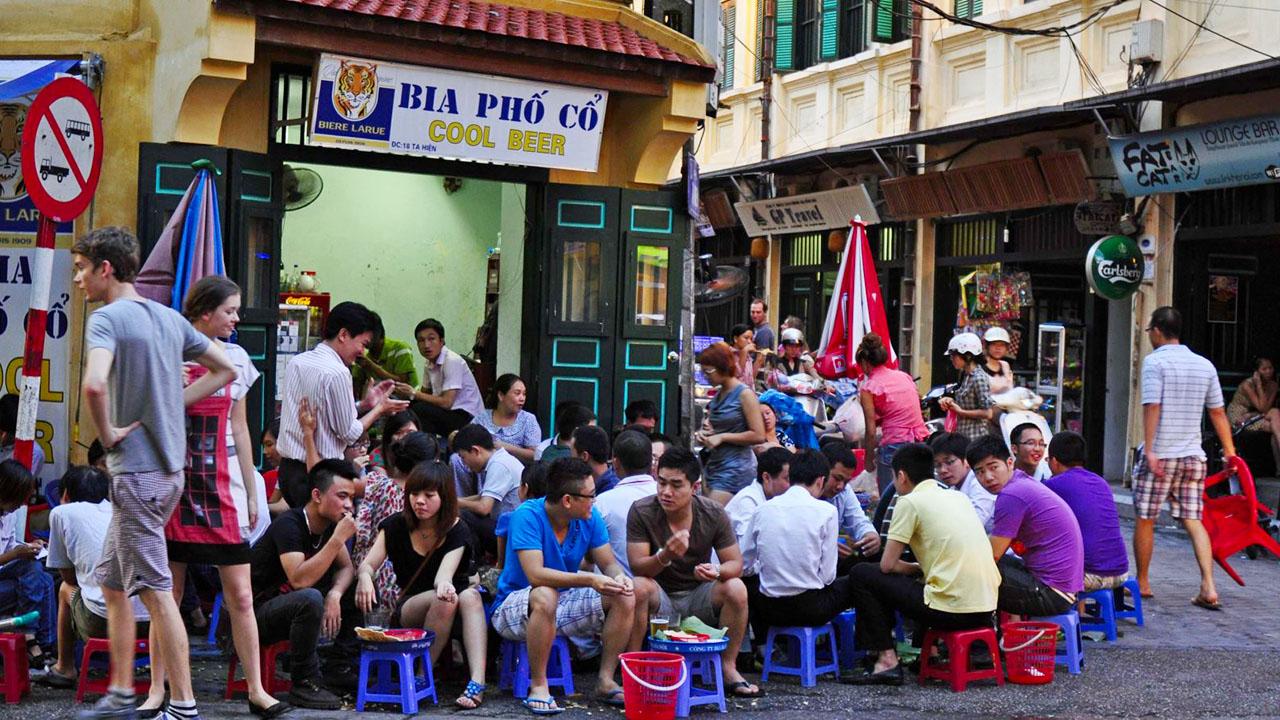
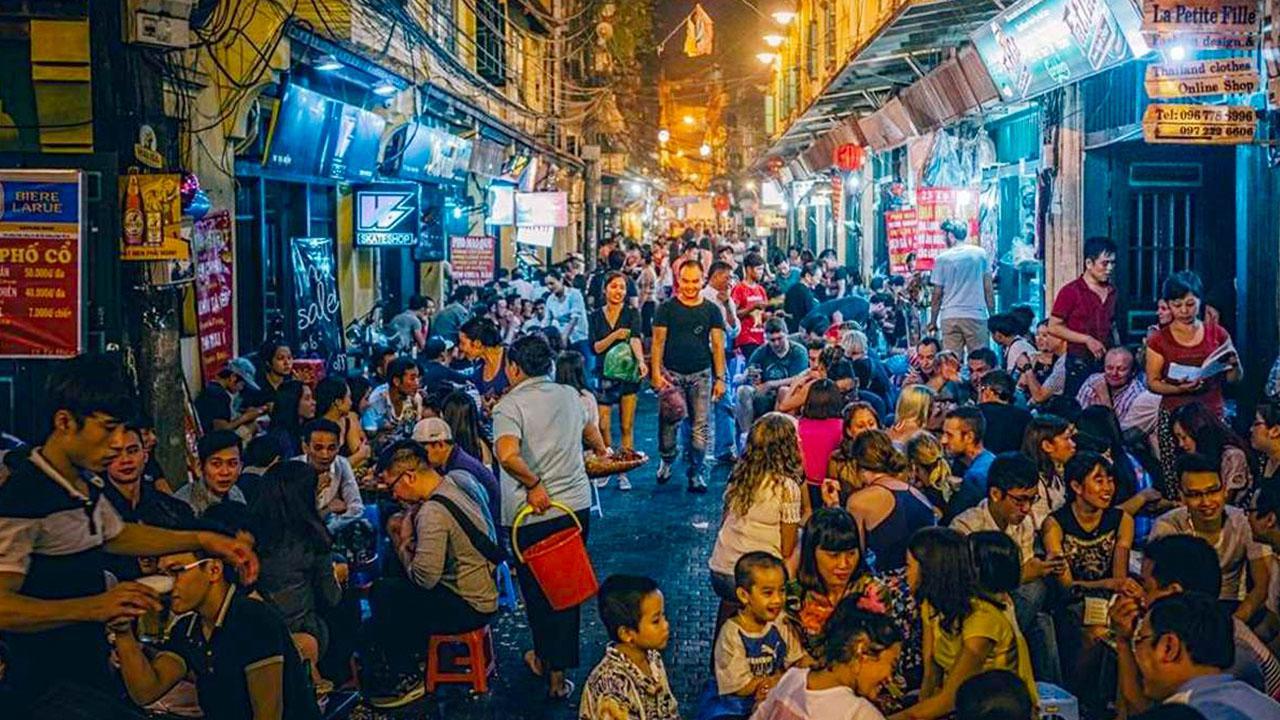
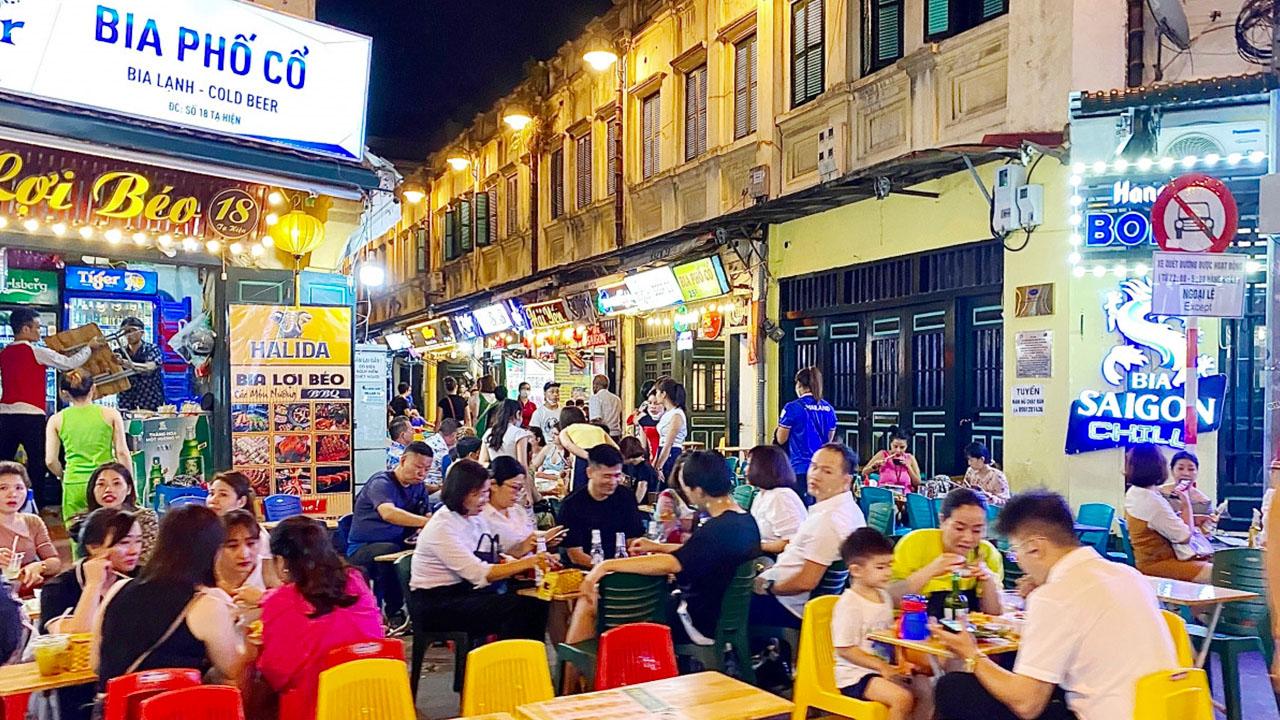
Bia Hoi Corner is more than just a place to drink beer; it’s a sensory experience that encapsulates the essence of Hanoi’s street life. As the sun sets, the intersection of Ta Hien and Luong Ngoc Quyen streets transforms into a bustling outdoor drinking area.
The Unique Atmosphere of Bia Hoi Corner
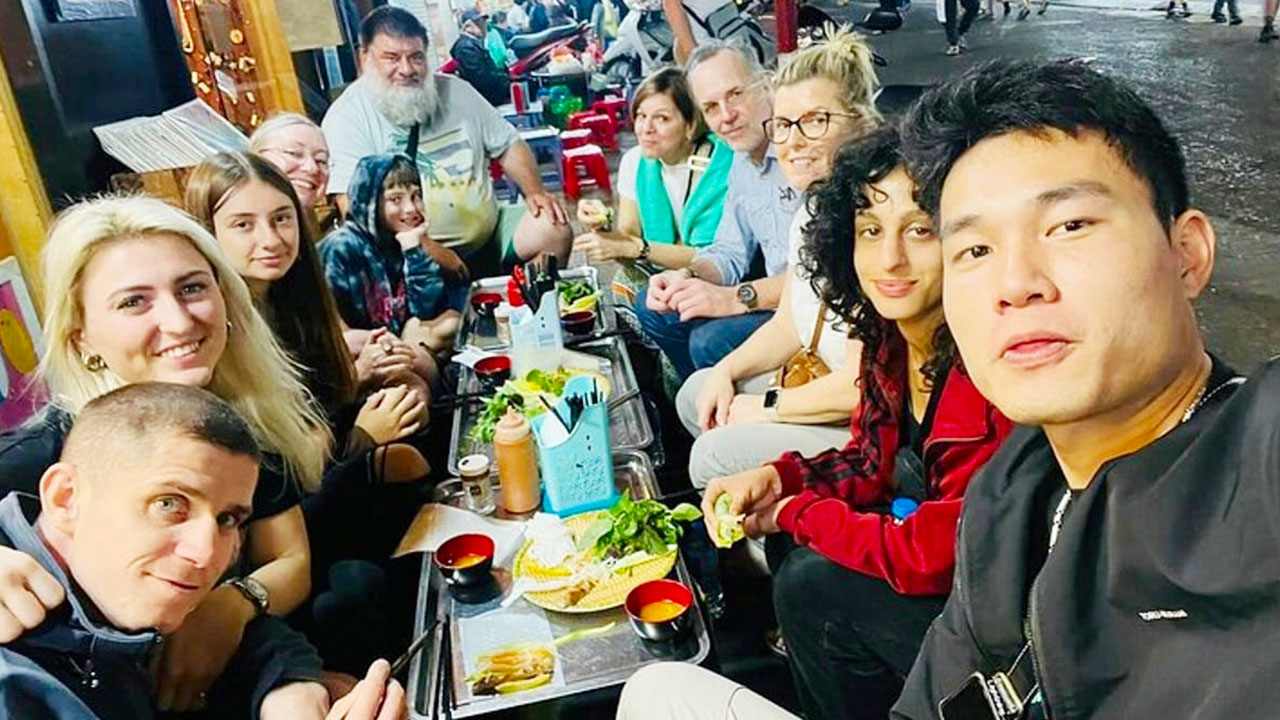
The scene is characterized by low plastic stools and tables spilling out onto the sidewalks and even into the streets. These makeshift seating arrangements create an informal, communal atmosphere where strangers often find themselves sharing tables and striking up conversations.
The air is filled with the sounds of clinking glasses, animated conversations in various languages, and the occasional honk of a motorbike navigating through the crowd. The aroma of grilling meats and other street foods wafts through the air, mingling with the crisp scent of fresh beer.
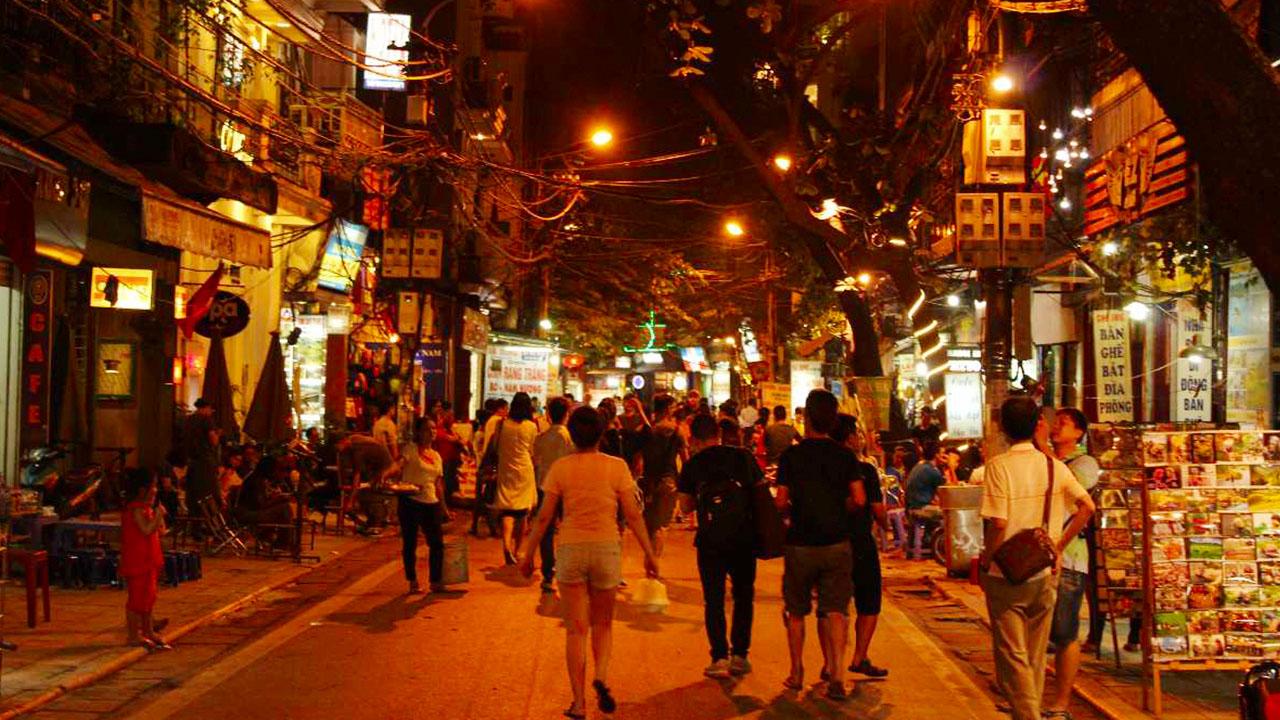
Visually, Bia Hoi Corner is a feast for the eyes. Colorful signs advertise different beer brands and food offerings, while strings of lights create a warm, inviting glow as darkness falls. The crowd is a diverse mix of locals unwinding after work, backpackers swapping travel stories, and curious tourists soaking in the unique atmosphere.
Socializing Culture at Bia Hoi
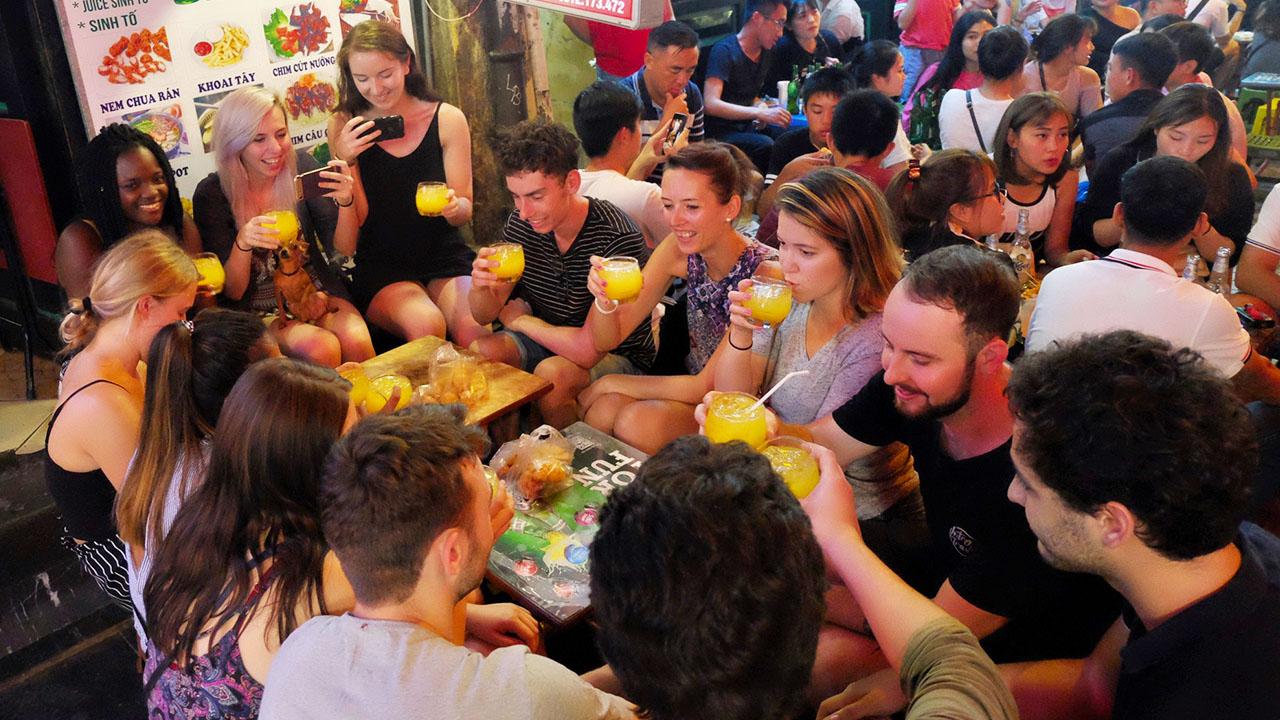
Bia Hoi Corner exemplifies the Vietnamese approach to socializing, which places great emphasis on community and shared experiences. The act of drinking Bia Hoi is rarely done alone; it’s a social activity that brings people together.
People interact with each other
For locals, visiting Bia Hoi Corner after work is a common practice. Colleagues, friends, and family members gather to unwind, discuss the day’s events, and strengthen social bonds over cold beers and tasty snacks. The informal setting encourages open conversation and laughter, creating a lively and welcoming atmosphere.
The communal seating arrangement often leads to interactions between different groups. It’s not uncommon for strangers to strike up conversations, share food, or even join in impromptu drinking games. This openness extends to tourists as well, providing an excellent opportunity for cultural exchange and making new friends.
The social culture at Bia Hoi Corner also reflects the Vietnamese concept of “nhau”, which roughly translates to “eating and drinking for no particular reason”. This idea emphasizes the joy of gathering with others to share food and drinks, without the need for a special occasion.
Bia Hoi vs. Other Beers in Vietnam
While Vietnam has a growing craft beer scene and several popular commercial beer brands, Bia Hoi holds a unique place in the country’s beer culture. Here’s how it compares to other beers available in Vietnam:
Freshness: Bia Hoi is brewed daily and consumed within 24 hours, offering a freshness that bottled or canned beers can’t match.
Alcohol content: With an alcohol content of 3-4%, Bia Hoi is significantly lighter than most commercial beers (which typically range from 4.5-5.5%).
Price: Bia Hoi is considerably cheaper than both local and imported beer brands, making it accessible to a wider range of consumers.
Availability: While commercial beers are available nationwide, true Bia Hoi is primarily found in northern Vietnam, particularly in Hanoi.
Cultural significance: Drinking Bia Hoi is seen as a cultural experience, deeply rooted in Hanoi’s social fabric, unlike drinking commercial beers.
Popular commercial beer brands in Vietnam include Saigon Beer, Hanoi Beer, and 333. These are generally more consistent in taste and quality compared to Bia Hoi, which can vary depending on the batch and the vendor.
Popular Activities at Bia Hoi Corner
Activities at Bia Hoi Corner
While drinking Bia Hoi is the main attraction, there are several other popular activities that visitors can enjoy at Bia Hoi Corner:
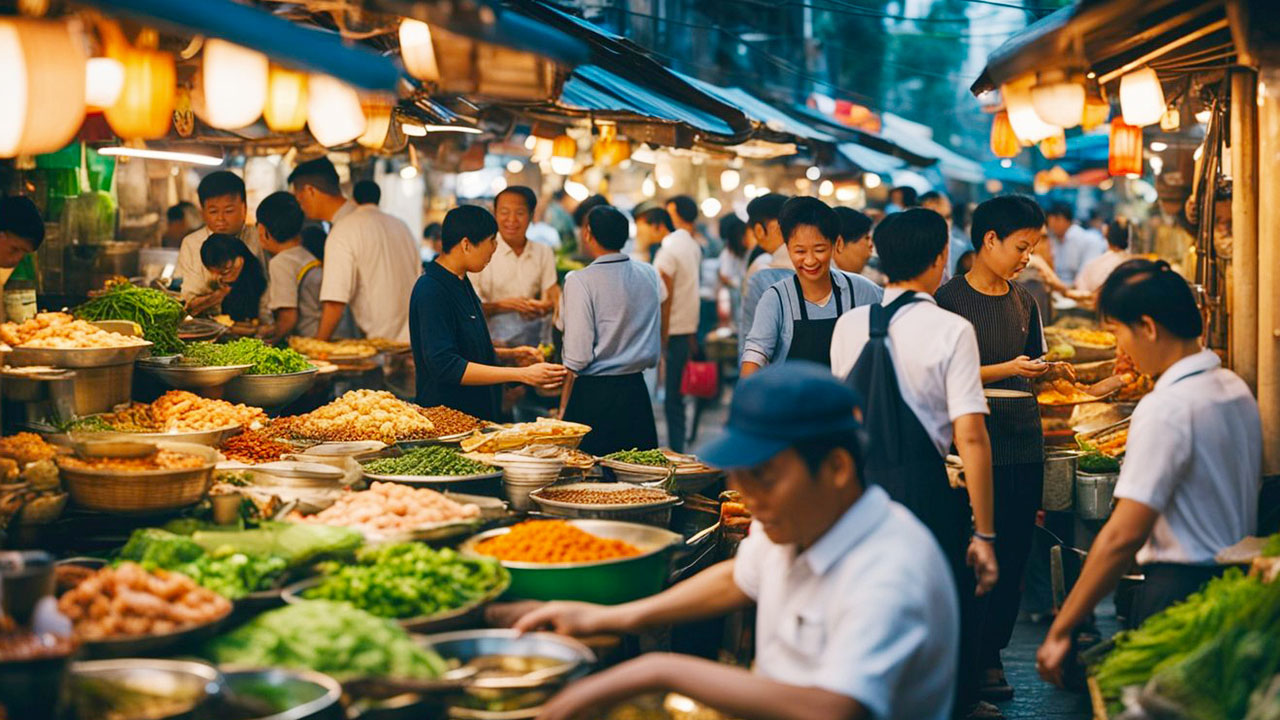
Street food sampling: Many Bia Hoi establishments offer a variety of Vietnamese street food, from grilled meats to spring rolls. Exploring these culinary offerings is an integral part of the Bia Hoi experience.
People-watching: The diverse crowd and bustling atmosphere make Bia Hoi Corner an excellent spot for observing local life and tourist interactions.
Photography: The vibrant scene, with its colorful signs, diverse crowd, and lively atmosphere, offers plenty of opportunities for both amateur and professional photographers.
Live music appreciation: Some establishments at Bia Hoi Corner feature live music performances, adding to the area’s lively ambiance.
Cultural exchange: The open and friendly atmosphere encourages conversations between locals and tourists, providing opportunities for cultural learning and exchange.
Culinary Delights
Street Food Offerings
Street food
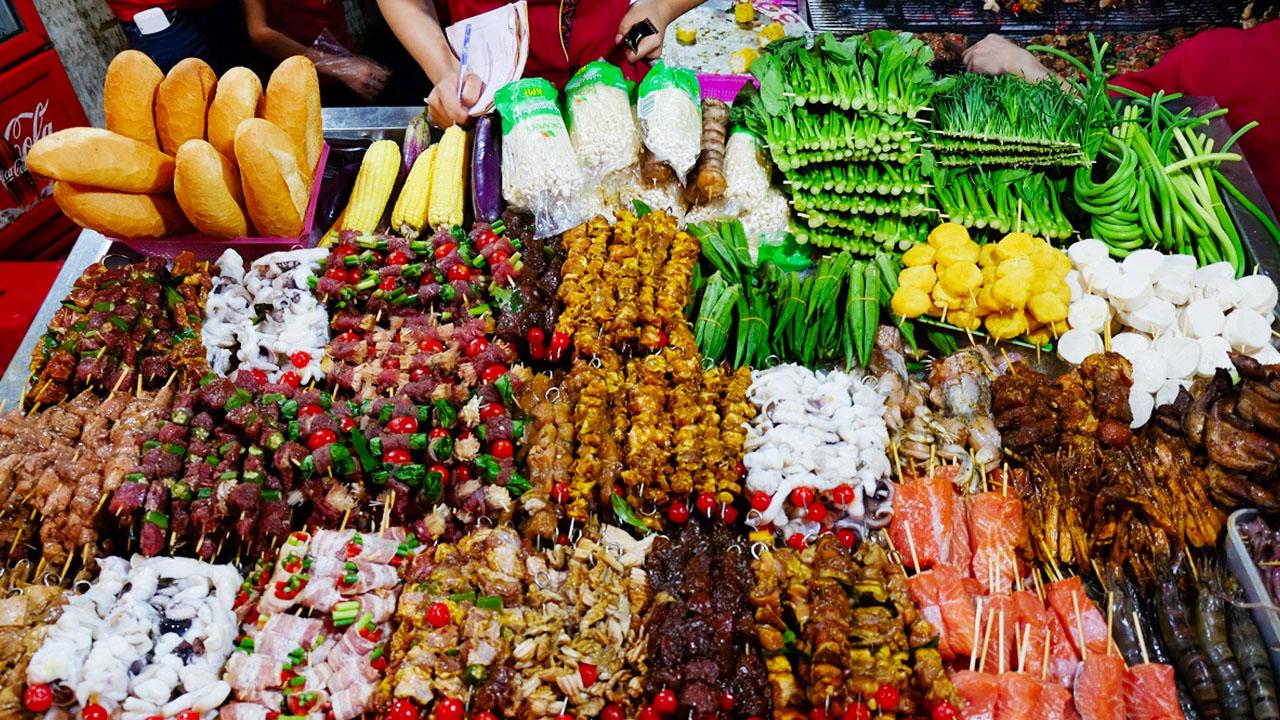
Bia Hoi Corner is not just about the beer; it’s also a haven for street food enthusiasts. The area offers a wide array of Vietnamese street food delicacies that perfectly complement the light, refreshing taste of Bia Hoi. Here are some popular street food offerings you can find:
Nem Ran (Fried Spring Rolls): Crispy rolls filled with minced pork, mushrooms, and vegetables, served with a tangy dipping sauce.
Banh Mi: Vietnamese sandwiches filled with a variety of meats, pate, pickled vegetables, and herbs, all stuffed into a crispy baguette.
Banh Goi: Crispy pastry pockets filled with minced pork, mushrooms, and vermicelli noodles.
Pho: Although more commonly eaten for breakfast, some vendors offer this iconic Vietnamese noodle soup in the evening.
Bun Cha: Grilled pork served with rice noodles, fresh herbs, and a savory dipping sauce.
These street food options are typically prepared fresh and cooked right in front of you, adding to the sensory experience of Bia Hoi Corner. The combination of aromatic spices, sizzling meats, and fragrant herbs creates an irresistible atmosphere that tantalizes the taste buds.
Signature Dishes to Try
While many dishes are available at Bia Hoi Corner, there are a few signature items that stand out and are particularly popular among both locals and tourists:
Banh Xeo: Often referred to as Vietnamese pancakes, these crispy crepes are filled with shrimp, pork, bean sprouts, and herbs. They’re typically served with a side of fresh lettuce and herbs for wrapping, and a sweet and tangy dipping sauce.
Goi Cuon: Fresh spring rolls filled with shrimp, pork, vermicelli noodles, and herbs, wrapped in rice paper. These light and refreshing rolls are perfect for Hanoi’s hot summers.
Cha Ca: A Hanoi specialty of turmeric-marinated fish, sautéed with dill and spring onions, served with rice noodles, peanuts, and a variety of herbs.
Banh Cuon: Delicate steamed rice rolls filled with minced pork and wood ear mushrooms, topped with crispy fried shallots and served with a dipping sauce.
These signature dishes offer a mix of flavors and textures that pair exceptionally well with the light, crisp taste of Bia Hoi. They also provide a comprehensive taste of Hanoi’s culinary traditions.
Pairing Food with Bia Hoi
Grilled meat with Bia hoi
The light, refreshing nature of Bia Hoi makes it an excellent accompaniment to a wide range of Vietnamese dishes. Here are some popular food pairings:
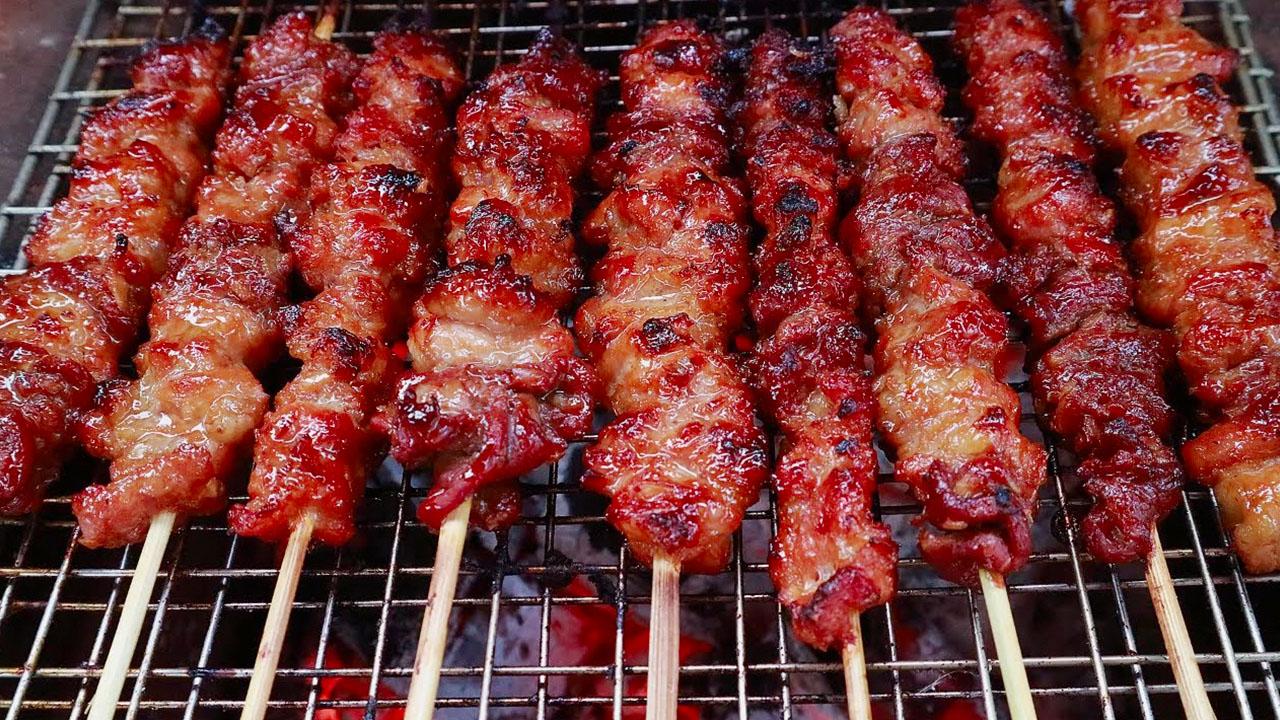
Grilled meats: The smoky flavors of grilled meats like chicken skewers or pork belly complement the crispness of Bia Hoi.
Fried foods: The lightness of Bia Hoi helps cut through the richness of fried dishes like nem ran or banh goi.
Spicy dishes: Bia Hoi’s cooling effect makes it a perfect match for spicy Vietnamese dishes, helping to balance the heat.
Fresh herbs and vegetables: The clean taste of Bia Hoi pairs well with the bright, fresh flavors of herbs and vegetables common in Vietnamese cuisine.
When pairing food with Bia Hoi, the key is to balance flavors. The beer should complement the food without overpowering it, and vice versa. Don’t be afraid to experiment with different combinations to find your perfect pairing.
Vegetarian Options Available
While Vietnamese cuisine is often meat-heavy, there are several vegetarian options available at Bia Hoi Corner for those with dietary restrictions or preferences:
Pho Chay: A vegetarian version of the classic noodle soup, typically made with vegetable broth and tofu.
Goi Cuon Chay: Vegetarian fresh spring rolls filled with tofu, vermicelli noodles, and a variety of fresh vegetables and herbs.
Banh Mi Chay: Vegetarian Vietnamese sandwiches filled with tofu, pickled vegetables, and herbs.
Nom Du Du: Green papaya salad with tofu, peanuts, and herbs, dressed in a tangy sauce.
Many vendors are also willing to make vegetarian versions of traditionally meat-based dishes upon request. Don’t hesitate to ask for “an chay” (vegetarian food) options.
Must-Try Local Snacks
In addition to full meals, Bia Hoi Corner offers a variety of local snacks that are perfect for nibbling on while enjoying your beer:
Banh Trang Nuong: Often called “Vietnamese pizza,” this is a rice paper grilled with various toppings like quail eggs, green onions, and dried shrimp.
Sua Chua Nep Cam: A dessert made of black sticky rice topped with creamy yogurt and coconut milk.
Banh Ran: Sweet sesame balls filled with mung bean paste and coated in sesame seeds.
Pho Mai Que: Fried cheese sticks, a popular beer snack with a crispy exterior and gooey interior.
These snacks offer a mix of sweet and savory flavors, providing a perfect accompaniment to the Bia Hoi experience. They’re typically inexpensive and easy to share, making them ideal for group settings.
Nightlife at Bia Hoi Corner
Evening Activities and Entertainment
As the sun sets, Bia Hoi Corner transforms into a vibrant nightlife destination, offering a range of activities and entertainment options for visitors. The area comes alive with a unique energy that embodies the spirit of Hanoi after dark.
Nightlife at Bia Hoi Corner
One of the primary evening activities is, of course, enjoyingBia Hoi with friends and fellow travelers. The atmosphere is electric, with laughter and chatter filling the air as people gather around small plastic tables and chairs. Many locals and tourists alike come to unwind after a long day of exploring the city, making it a perfect spot to socialize and meet new people.
In addition to enjoying drinks, you can often find street performers showcasing their talents. From musicians playing traditional Vietnamese instruments to dancers performing folk routines, these acts add an extra layer of entertainment to your evening at Bia Hoi Corner. The lively ambiance encourages spontaneous interactions, whether you’re joining in on a dance or clapping along to the music.
Live Music and Street Performances
Live music is a staple of the nightlife experience at Bia Hoi Corner. Various bars and eateries feature local bands or solo artists who play everything from traditional Vietnamese folk songs to contemporary pop hits. The sound of guitars and drums fills the air, creating an inviting atmosphere that draws people in.
Street performances are also common, with talented individuals showcasing their skills right on the sidewalks. You might encounter acrobats, jugglers, or even fire dancers, all adding to the vibrant tapestry of nightlife. These performances not only entertain but also provide a glimpse into Vietnam’s rich cultural heritage, making your visit even more memorable.
Pub Crawl Experiences
For those looking to explore beyond Bia Hoi Corner, several organized pub crawls take place in the area. These guided tours allow you to discover multiple venues while meeting fellow travelers. Typically, a local guide will lead the group through various bars, sharing stories about each location and introducing participants to unique drinks and snacks.
Pub crawls often include games and challenges, making them a fun way to break the ice and bond with others. Whether you’re a solo traveler or part of a group, this experience can enhance your night out and create lasting memories.
Interacting with Locals
One of the most enriching aspects of visiting Bia Hoi Corner is the opportunity to interact with locals. Many Vietnamese people frequent the area, and they are often eager to share their culture and traditions with visitors. Engaging in conversation over a shared love for Bia Hoi can lead to meaningful exchanges and friendships.
Don’t hesitate to ask questions about the beer, the food, or even the history of the area. Most locals appreciate when foreigners show interest in their culture, and you may find yourself invited to join a table or participate in a toast. This communal spirit is a hallmark of Bia Hoi culture, making it a welcoming environment for everyone.
Safety Tips for Nightlife
While Bia Hoi Corner is generally safe, it’s always wise to take precautions when enjoying the nightlife. Here are some tips to ensure a worry-free experience:
Stay Aware of Your Surroundings: Keep an eye on your belongings and be mindful of your surroundings, especially in crowded areas.
Use Reputable Transportation: If you plan to leave the area late at night, opt for reputable transportation services like Grab or local taxis instead of walking alone.
Drink Responsibly: While Bia Hoi is inexpensive, it’s essential to drink responsibly. Pace yourself and stay hydrated, especially in the warm weather.
Stick with Friends: If you’re traveling with a group, try to stay together. There’s safety in numbers, and you’ll have more fun sharing the experience.
Know Emergency Contacts: Familiarize yourself with local emergency contacts and know where the nearest hospital or police station is located just in case.
Tips for Visiting Bia Hoi Corner
Best Practices for Enjoying Bia Hoi
To make the most of your experience at Bia Hoi Corner, consider these best practices:
Arrive Early: The best time to secure a good spot is early in the evening. Arriving before peak hours allows you to settle in comfortably and enjoy the atmosphere.
Try Different Vendors: Each vendor has its own unique flavor and style of Bia Hoi. Don’t hesitate to sample from different stalls to find your favorite.
Engage with Others: Don’t be shy! Strike up conversations with locals and fellow travelers. Sharing stories over a cold beer is one of the joys of Bia Hoi culture.
Be Open to New Experiences: Whether it’s trying a new dish or engaging in a game with locals, be open to whatever comes your way. The spontaneity of the moment can lead to unforgettable memories.
Etiquette When Ordering
Understanding local etiquette can enhance your experience at Bia Hoi Corner. Here are some tips:
Order in Small Groups: It’s customary to order in small groups rather than placing large orders all at once. This makes it easier for vendors to serve you quickly.
Use Simple Language: If you’re not fluent in Vietnamese, use simple phrases or point to items on the menu. Most vendors are accustomed to serving tourists and will do their best to accommodate you.
Respect Local Customs: When receiving your drink, it’s polite to raise your glass and offer a toast. “Một, hai, ba, dzô!” (One, two, three, cheers!) is a common phrase used during toasts.
Dealing with Crowds
Bia Hoi Corner can get quite crowded, especially during peak hours. Here are some strategies for navigating the crowds:
Choose Off-Peak Times: If possible, visit during off-peak hours, such as early evenings or weekdays, to avoid the largest crowds.
Be Patient: Understand that waiting is part of the experience. Embrace the lively atmosphere and enjoy the buzz of excitement around you.
Find a Spot to Stand: If seating is limited, don’t hesitate to stand at the bar or near the vendor. This can often provide a better view of the action and allow for easy interaction with others.
Language Tips for Foreign Visitors
While many locals speak some English, learning a few basic Vietnamese phrases can go a long way in enhancing your experience:
Hello: “Xin chào” – A friendly greeting to start conversations.
Thank You: “Cảm ơn” – Always appreciated when expressing gratitude.
Cheers: “Dzô!” – Use this during toasts to join in the local tradition.
How Much?: “Bao nhiêu?” – Useful when inquiring about prices.
To ensure a comfortable experience at Bia Hoi Corner, consider bringing the following items:
Cash: Most vendors operate on a cash-only basis, so make sure to have enough Vietnamese Dong on hand.
Light Jacket: Evenings can sometimes get cooler, so a light jacket or sweater can keep you comfortable.
Portable Charger: With all the photo opportunities and social media sharing, a portable charger can help keep your devices powered throughout the night.
Comfortable Shoes: Since you may be standing or walking around, wear comfortable shoes to enjoy your evening fully.
Cultural Significance of Bia Hoi
Historical Background of Bia Hoi Culture
Bia Hoi has deep roots in Vietnamese culture, dating back to the French colonial period when beer was introduced to the region. Over the years, Bia Hoi evolved into a local staple, particularly in Hanoi, where it became synonymous with social gatherings and community bonding.
Bia Hoi Culture
The production of Bia Hoi is unique; it is brewed fresh daily and typically consumed within 24 hours, resulting in a light and crisp flavor. This freshness contributes to its popularity among locals, who appreciate the quality and affordability of the beverage.
Bia Hoi as a Social Connector
Bia Hoi serves as a social connector, bringing people together from diverse backgrounds. Whether you’re a local resident or a tourist, the communal experience of sharing a beer fosters connections and friendships. The informal setting encourages conversations, laughter, and camaraderie, making it a vital part of Hanoi’s social fabric.
Moreover, Bia Hoi Corner is often a melting pot of cultures, where travelers from around the world converge to share stories and experiences. This blend of local and international influences enriches the atmosphere, creating a sense of unity and understanding among visitors.
The Role of Bia Hoi in Vietnamese Society
In Vietnamese society, Bia Hoi plays a significant role in everyday life. It’s not just a beverage; it’s a ritual that marks celebrations, gatherings, and even casual meet-ups after work. The act of sharing a beer symbolizes friendship and hospitality, reflecting the warmth of Vietnamese culture.
Furthermore, Bia Hoi is often associated with important life events, such as birthdays, weddings, and holidays. It serves as a backdrop for creating cherished memories and strengthening bonds among family and friends.
Comparisons with Western Drinking Culture
When compared to Western drinking culture, Bia Hoi offers a distinct experience. In many Western countries, pubs and bars tend to focus on a more formal dining experience, whereas Bia Hoi Corner embraces a laid-back, casual vibe. The emphasis is on socializing rather than consuming large quantities of alcohol.
Additionally, the affordability of Bia Hoi makes it accessible to a broader audience, allowing anyone to join in on the fun without breaking the bank. This inclusivity fosters a sense of community that is often absent in more commercialized drinking establishments.
Future of Bia Hoi Corner
As tourism continues to grow in Hanoi, the future of Bia Hoi Corner remains bright. While there are concerns about commercialization and the potential loss of authenticity, many locals are committed to preserving the traditional aspects of Bia Hoi culture.
Efforts are being made to maintain the charm of the area while adapting to modern trends. This balance between tradition and innovation will likely shape the future of Bia Hoi Corner, ensuring that it remains a beloved destination for both locals and visitors for years to come.
Conclusion
Bia Hoi Corner is more than just a place to enjoy a refreshing beer; it’s a cultural hub that embodies the spirit of Hanoi. From its rich history and social significance to the delightful culinary offerings and vibrant nightlife, Bia Hoi Corner provides an unforgettable experience for all who visit. Whether you’re savoring the flavors of local dishes, mingling with locals, or soaking in the lively atmosphere, every moment spent here is a celebration of Vietnamese culture and community. So, grab a cold Bia Hoi, raise your glass, and immerse yourself in the magic of this iconic corner of Hanoi.
The B52 Victory Museum in Hanoi stands as a powerful testament to Vietnam’s resilience and determination during one of the most turbulent periods in its history. This iconic institution not only preserves the memories of a pivotal conflict but also serves as a bridge between past and present, offering visitors a unique opportunity to delve into the complexities of the Vietnam War and its lasting impact on the nation. As we embark on this exploration of the B52 Victory Museum, we will uncover its rich history, diverse exhibits, and the profound insights it offers to both local and international visitors.
The B52 Victory Museum, situated in the heart of Hanoi, is a cornerstone of Vietnam’s historical narrative. Established in 1972, this museum stands as a living memorial to the Vietnamese people’s struggle for independence and their ultimate triumph over foreign intervention. The museum’s name is derived from the iconic B-52 bomber, a symbol of American military might during the Vietnam War, which now serves as a centerpiece of the museum’s collection.
At its core, the B52 Victory Museum is more than just a repository of artifacts; it is a multifaceted institution that combines historical preservation, education, and commemoration. The museum’s extensive collection includes a wide array of military equipment, personal belongings of soldiers, photographs, and documents that collectively paint a vivid picture of the war years. These exhibits are carefully curated to provide visitors with a comprehensive understanding of the conflict, its causes, and its far-reaching consequences.
The museum’s architecture itself is a testament to its purpose, with its imposing structure designed to evoke both the gravity of war and the hope for peace. As visitors approach the museum, they are greeted by outdoor displays of military vehicles and aircraft, setting the stage for the immersive experience that awaits them inside.
Importance of visiting the B52 Victory Museum
Visiting the B52 Victory Museum is an essential experience for anyone seeking to understand the complexities of Vietnamese history and the broader context of the Cold War era. The importance of this visit can be understood through several key aspects:
Historical Perspective:
Provides a comprehensive overview of the Vietnam War
Offers insights into the strategies and tactics employed by both sides
Illuminates the global political climate of the 20th century
Cultural Understanding:
Showcases the resilience and determination of the Vietnamese people
Highlights the impact of war on society and culture
Promotes cross-cultural dialogue and understanding
Educational Value:
Serves as a vital resource for students and researchers
Encourages critical thinking about war, peace, and international relations
Offers interactive exhibits that engage visitors of all ages
By immersing oneself in the exhibits and narratives presented at the B52 Victory Museum, visitors gain a deeper appreciation for the sacrifices made during the war and the enduring spirit of the Vietnamese people. The museum serves as a powerful reminder of the human cost of conflict and the importance of striving for peace and reconciliation.
Moreover, the B52 Victory Museum plays a crucial role in preserving historical memory. In an era where firsthand accounts of the Vietnam War are becoming increasingly rare, the museum ensures that future generations can continue to learn from this pivotal period in history. By presenting multiple perspectives and encouraging reflection, the museum fosters a nuanced understanding of complex historical events.
For international visitors, the museum offers a unique opportunity to view the Vietnam War from a different vantage point, challenging preconceived notions and broadening their understanding of this global conflict. This cross-cultural exchange of ideas and perspectives is invaluable in promoting international understanding and cooperation.
In essence, a visit to the B52 Victory Museum is not merely a journey through history, but a profound educational experience that resonates with contemporary issues of war, peace, and national identity. It serves as a sobering reminder of the past while inspiring hope for a future built on mutual understanding and respect.
History of B52 Victory Museum
History of B52 Victory Museum
Establishment of the museum
The B52 Victory Museum‘s establishment is intrinsically linked to the tumultuous events of the Vietnam War. Founded in 1972, the museum emerged during a critical period of the conflict, as the Vietnamese people continued their struggle for independence and unification. The decision to create this institution was born out of a desire to document, preserve, and commemorate the Vietnamese experience during the war.
The museum’s inception can be traced back to several key factors:
Historical Context:
Escalation of the Vietnam War in the late 1960s and early 1970s
Increasing international attention on the conflict
Growing need to document the Vietnamese perspective
Political Motivations:
Desire to boost morale among the Vietnamese people
Showcase Vietnamese resilience and military achievements
Counter international narratives about the war
Cultural Preservation:
Safeguard artifacts and documents related to the conflict
Create a space for future generations to learn about this pivotal period
Establish a national symbol of victory and independence
The initial collection of the museum primarily consisted of captured American military equipment, including the iconic B-52 bomber that would give the museum its name. These artifacts were not only symbols of military victory but also tangible evidence of the Vietnamese people’s determination and ingenuity in the face of a technologically superior adversary.
The museum’s location in Hanoi, the capital city, was strategically chosen to ensure maximum visibility and accessibility. Situated near other important cultural and historical sites, the B52 Victory Museum quickly became an integral part of Hanoi’s landscape and a must-visit destination for both locals and tourists.
In its early years, the museum faced numerous challenges, including limited resources and the ongoing conflict. However, the dedication of its founders and staff ensured that the institution persevered, gradually expanding its collection and refining its exhibits.
Significance of the museum in Vietnamese history
The B52 Victory Museum holds a place of paramount importance in Vietnamese history, serving as both a repository of national memory and a symbol of Vietnamese resilience. Its significance can be understood through several key aspects:
Historical Documentation:
Preserves primary sources and artifacts from the Vietnam War
Offers a Vietnamese perspective on the conflict
Serves as a valuable resource for historians and researchers
National Identity:
Reinforces the narrative of Vietnamese independence and resilience
Celebrates the achievements of the Vietnamese people during the war
Contributes to the formation of a collective national memory
Educational Role:
Provides a platform for educating future generations about the war
Encourages critical thinking about historical events and their consequences
Promotes understanding of Vietnam’s place in global history
The museum’s significance extends beyond its role as a historical archive. It serves as a powerful symbol of Vietnamese triumph over adversity, embodying the spirit of resistance that has characterized much of the nation’s history. By showcasing the ingenuity and determination of the Vietnamese people in the face of a technologically superior enemy, the museum reinforces a sense of national pride and unity.
Moreover, the B52 Victory Museum plays a crucial role in shaping the collective memory of the Vietnam War. It offers a counternarrative to many Western accounts of the conflict, providing visitors with a perspective that is often overlooked in international discourse. This alternative viewpoint is essential for a comprehensive understanding of the war and its impact on Vietnamese society.
The museum also serves as a site of remembrance and reflection. For many Vietnamese, particularly those who lived through the war years, the museum offers a space to honor the sacrifices of previous generations and to contemplate the cost of independence. For younger generations, it provides a tangible link to their nation’s recent past, helping to bridge the gap between historical events and contemporary Vietnamese society.
In the broader context of Vietnam’s post-war development, the B52 Victory Museum stands as a testament to the nation’s journey from conflict to reconciliation. While it commemorates military victory, the museum also emphasizes themes of peace and international cooperation, reflecting Vietnam’s evolving role on the global stage.
Evolution of the exhibits at the museum
Since its establishment in 1972, the B52 Victory Museum has undergone significant evolution in its exhibits, reflecting changes in historical understanding, museum practices, and Vietnam’s relationship with its past. This evolution can be traced through several key phases:
Initial Phase (1972-1980s):
Focus on displaying captured military equipment
Emphasis on Vietnamese military victories
Limited contextual information and interpretation
Expansion Phase (1990s-2000s):
Inclusion of more personal stories and artifacts
Development of thematic exhibits beyond military aspects
Introduction of multimedia elements
Modern Phase (2010s-Present):
Incorporation of interactive and immersive exhibits
Balanced presentation of historical events
Integration of digital technology for enhanced visitor experience
The evolution of the museum’s exhibits reflects a broader shift in how the Vietnam War is remembered and interpreted within Vietnamese society. Initially, the exhibits were primarily focused on showcasing military victories and captured enemy equipment, with a strong emphasis on nationalist narratives. However, as time passed and Vietnam’s relationships with former adversaries improved, the museum began to adopt a more nuanced approach to presenting the war.
One significant change has been the inclusion of more personal stories and artifacts. While early exhibits largely focused on military strategy and equipment, later additions have incorporated the experiences of individual soldiers and civilians. This shift has helped to humanize the conflict and provide visitors with a more empathetic understanding of the war’s impact.
The museum has also expanded its scope beyond purely military aspects of the war. New exhibits have been developed to explore the social, cultural, and economic dimensions of the conflict, providing a more comprehensive view of this complex period in history. This broadened perspective includes displays on wartime art, literature, and music, as well as exhibits detailing the impact of the war on Vietnamese society and daily life.
Technological advancements have played a crucial role in the evolution of the museum’s exhibits. The introduction of multimedia elements, such as audio guides, video installations, and interactive displays, has enhanced the visitor experience and made the historical content more accessible to diverse audiences. These technological innovations have been particularly effective in engaging younger visitors and international tourists who may have limited prior knowledge of the Vietnam War.
In recent years, the museum has made efforts to present a more balanced view of historical events. While still emphasizing Vietnamese perspectives, newer exhibits acknowledge the complexity of the conflict and its global context. This approach has included the incorporation of international viewpoints and a more nuanced examination of the war’s long-term consequences.
The evolution of the B52 Victory Museum‘s exhibits reflects a broader trend in museum practices towards more interactive and immersive experiences. Modern additions to the museum include:
Virtual reality simulations of historical events
Hands-on exhibits that allow visitors to engage with historical artifacts
Digital archives that provide access to a wealth of historical documents and photographs
These innovations have transformed the museum from a static display of artifacts into a dynamic space for learning and reflection.
As the B52 Victory Museum continues to evolve, it faces the ongoing challenge of balancing historical accuracy with national narrative, and educational value with visitor engagement. The museum’s ability to adapt and innovate while maintaining its core mission of preserving and interpreting Vietnam’s wartime history will be crucial to its continued relevance and impact in the years to come.
Exhibition Areas at B52 Victory Museum
Indoor exhibition areas
Indoor
The indoor exhibition areas of the B52 Victory Museum form the heart of the institution, offering visitors a comprehensive and immersive journey through the history of the Vietnam War. These areas are carefully designed to provide a chronological and thematic exploration of the conflict, its causes, and its consequences. The indoor exhibitions are divided into several key sections:
Historical Context Gallery:
Presents the historical background leading up to the Vietnam War
Explores the colonial period and the struggle for independence
Provides insight into the global political climate of the Cold War era
War Strategy and Tactics Hall:
Showcases military strategies employed by both sides
Displays maps, battle plans, and strategic documents
Features interactive exhibits explaining key military operations
Weapons and Equipment Display:
Exhibits a wide range of weapons and military equipment used during the war
Includes both Vietnamese and captured American weaponry
Offers detailed explanations of the technological aspects of warfare
Personal Stories Section:
Presents individual accounts of soldiers and civilians
Displays personal artifacts, letters, and photographs
Provides a human perspective on the conflict
Diplomatic Relations Room:
Explores the international dimensions of the war
Showcases diplomatic correspondence and peace negotiation documents
Examines the role of other countries in the conflict
Post-War Reconstruction Gallery:
Highlights Vietnam’s recovery and development after the war
Presents information on reconciliation efforts and normalization of relations
Discusses the war’s long-term impact on Vietnamese society
Each of these indoor exhibition areas is designed to engage visitors through a combination of visual displays, textual information, and interactive elements. The use of lighting, sound effects, and spatial design enhances the visitor experience, creating an immersive environment that brings history to life.
One of the most striking features of the indoor exhibitions is the integration of multimedia elements. Large-scale video projections, audio recordings, and interactive touchscreens complement the physical artifacts, providing additional context and allowing visitors to delve deeper into specific topics of interest.
The museum’s curators have paid careful attention to the flow of information, ensuring that visitors can follow a logical progression through the exhibits while also having the flexibility to explore areas of particular interest. Clear signage and well-crafted explanatory texts, available in multiple languages, help guide visitors through the complex narrative of the war.
Another notable aspect of the indoor exhibition areas is the use of dioramas and reconstructions. These three-dimensional displays recreate key scenes from the war, such as underground tunnels used by Vietnamese forces or field hospitals, offering visitors a tangible sense of the conditions faced by those involved in the conflict.
The indoor exhibitions also include dedicated spaces for temporary and special exhibits. These areas allow the museum to showcase new acquisitions, explore specific themes in greater depth, or present traveling exhibitions from other institutions. This flexibility ensures that even repeat visitors can find new and engaging content with each visit.
Outdoor exhibition areas
Outdoor
The outdoor exhibition areas of the B52 Victory Museum complement the indoor displays, offering visitors a unique opportunity to engage with larger artifacts and experience the physical scale of military equipment used during the Vietnam War. These open-air exhibits serve multiple purposes:
Display of Large Military Equipment:
Showcases tanks, aircraft, and artillery pieces
Allows visitors to see military vehicles up close
Provides context for the scale of military operations
Memorial Spaces:
Features monuments and sculptures commemorating key events and individuals
Offers areas for reflection and remembrance
Incorporates landscaping elements symbolizing peace and reconciliation
Interactive Learning Zones:
Includes hands-on exhibits for children and adults
Offers spaces for outdoor educational programs and demonstrations
Provides areas for reenactments and living history presentations
The centerpiece of the outdoor exhibition area is undoubtedly the collection of aircraft, including the iconic B-52 bomber that gives the museum its name. These aircraft are displayed in a way that allows visitors to appreciate their size and design, with informational plaques providing details about their roles in the conflict.
Aircraft Type
Role in Vietnam War
Notable Features
B-52 Bomber
Strategic bombing
Eight-engine, long-range capability
F-4 Phantom
Fighter-bomber
Versatile, used by multiple branches
MiG-21
Fighter jet
Primary Vietnamese fighter aircraft
UH-1 Huey
Utility helicopter
Widely used for troop transport
Surrounding these aircraft are various ground vehicles, including tanks, armored personnel carriers, and artillery pieces. These exhibits are arranged to create a sense of a military encampment, giving visitors a feel for the logistics and scale of warfare during the conflict.
The outdoor area also features several memorial spaces dedicated to different aspects of the war. These include:
A Wall of Names honoring Vietnamese soldiers and civilians who lost their lives
Sculptures depicting scenes from the war and its aftermath
A Peace Garden symbolizing hope and reconciliation
These memorial spaces are designed to provide areas for quiet reflection and commemoration, offering a counterpoint to the more technical displays of military equipment.
Interactive learning zones in the outdoor area cater to visitors of all ages. These spaces include:
Replica trenches and bunkers that visitors can explore
Simulated radar and communication stations
Outdoor classrooms for group discussions and lectures
These interactive elements allow visitors, especially younger ones, to engage with history in a hands-on manner, making the learning experience more memorable and impactful.
The outdoor exhibition areas are also used for special events and reenactments, particularly on significant anniversaries related to the war. These events bring history to life, offering visitors a dynamic and immersive experience that complements the static displays.
Careful landscaping and design considerations have been implemented to ensure that the outdoor exhibits are integrated harmoniously with the surrounding environment. Paths and viewing platforms are strategically placed to offer optimal vantage points for observing the larger artifacts, while also providing accessibility for visitors with mobility challenges.
Special exhibitions and displays
The B52 Victory Museum regularly hosts special exhibitions and displays to complement its permanent collections and offer visitors fresh perspectives on the Vietnam War and related themes. These temporary exhibits serve several important functions:
Exploring Specific Themes:
Delve deeper into particular aspects of the war
Highlight lesser-known stories and perspectives
Examine the conflict’s impact on specific groups or regions
Showcasing New Research:
Present recent historical findings and interpretations
Incorporate newly discovered artifacts or documents
Offer updated analysis of key events and decisions
Commemorating Anniversaries:
Mark significant dates related to the war
Honor specific battles, events, or individuals
Reflect on the long-term consequences of the conflict
Special exhibitions at the B52 Victory Museum may focus on diverse topics such as the role of women in the war, the experiences of civilians during the conflict, or the impact of Agent Orange. These temporary displays provide a platform for scholars, artists, and community members to contribute their perspectives and insights, enriching the museum’s offerings and engaging visitors in ongoing conversations about history and memory.
In addition to thematic exhibitions, the museum also hosts rotating displays of artifacts and documents that are not part of the permanent collection. These items may be on loan from other institutions, donated by individuals or families, or newly acquired by the museum. By showcasing these unique pieces, the B52 Victory Museum ensures that its exhibits remain dynamic and relevant, reflecting the evolving nature of historical research and interpretation.
Visitors to the special exhibitions at the museum can expect curated presentations with informative labels, multimedia components, and interactive elements to enhance their understanding and engagement. Educational programs, such as lectures, workshops, and guided tours, often accompany these temporary displays, providing opportunities for deeper exploration and dialogue.
One notable aspect of the special exhibitions at the B52 Victory Museum is their ability to spark conversations and reflections among visitors from diverse backgrounds. By presenting nuanced and multifaceted narratives of the Vietnam War, these displays encourage critical thinking, empathy, and dialogue, fostering a deeper appreciation for the complexities of history and its enduring relevance to contemporary issues.
Overall, the special exhibitions and displays at the B52 Victory Museum contribute to its mission of promoting historical awareness, cultural understanding, and peace. By offering a platform for diverse voices and perspectives, the museum continues to serve as a vital hub for education, reflection, and commemoration, inviting visitors to engage thoughtfully with the legacies of the past and envision paths towards a more inclusive and harmonious future.
Highlights of B52 Victory Museum
Highlights
The B52 Victory Museum in Hanoi is renowned for its exceptional collection of artifacts, immersive exhibits, and engaging experiences that bring the history of the Vietnam War to life for visitors of all ages. From iconic military equipment to interactive displays, the museum offers a range of highlights that showcase the complexity and significance of this pivotal period in Vietnamese history.
Key artifacts on display
One of the standout features of the B52 Victory Museum is its impressive array of key artifacts from the Vietnam War era. These objects provide tangible connections to the past, offering insights into the strategies, technologies, and human experiences of the conflict. Some of the notable artifacts on display include:
B-52 Bomber: The museum’s namesake aircraft, a symbol of the U.S. bombing campaign during the war.
Weapons and Uniforms: A diverse collection of firearms, explosives, and military gear used by both Vietnamese and foreign forces.
Photographs and Documents: Historical images, letters, and official papers that document the wartime events and their aftermath.
Personal Effects: Belongings of soldiers, civilians, and activists, revealing individual stories and perspectives from the war.
Artistic Representations: Paintings, sculptures, and installations created by artists responding to the war and its legacy.
These key artifacts serve as focal points within the museum’s exhibitions, allowing visitors to connect emotionally and intellectually with the realities of war and its enduring impact on society. Through these objects, visitors can gain a deeper understanding of the complexities of conflict, resilience, and memory.
Interactive experiences for visitors
In addition to its static displays, the B52 Victory Museum offers a range of interactive experiences designed to engage visitors in multi-sensory learning and exploration. These hands-on activities and digital resources enhance the museum visit by encouraging active participation and personalized discovery. Some of the interactive experiences available at the museum include:
Simulation Stations: Virtual reality simulations of historical events or military operations.
Touch Tables: Interactive screens where visitors can explore maps, timelines, and multimedia content.
Educational Games: Digital challenges and puzzles that test knowledge of the war and its consequences.
Role-Playing Scenarios: Immersive enactments of wartime situations or decision-making processes.
Oral History Booths: Recording booths where visitors can share their own stories or reflections on the war.
By incorporating these interactive elements into its exhibitions, the B52 Victory Museum caters to diverse learning styles and interests, making the historical content more accessible and engaging for visitors of all backgrounds. Whether through hands-on activities, digital interfaces, or participatory programs, the museum invites visitors to actively participate in the process of historical inquiry and interpretation.
Guided tours at the museum
For visitors seeking a more structured and in-depth experience, the B52 Victory Museum offers guided tours led by knowledgeable docents or historians. These tours provide valuable context, interpretation, and storytelling that enhance the visitor’s understanding of the exhibits and their historical significance. Some key features of the guided tours at the museum include:
Thematic Focus: Tours may explore specific aspects of the war, such as military tactics, civilian experiences, or diplomatic relations.
Behind-the-Scenes Access: Exclusive opportunities to view archival materials, conservation labs, or storage areas not open to the public.
Q&A Sessions: Interactive discussions with tour guides, allowing visitors to ask questions, share insights, and engage in dialogue.
Special Presentations: Guest speakers, experts, or eyewitnesses may join tours to offer unique perspectives and firsthand accounts.
Customized Experiences: Private tours can be arranged for groups, schools, or organizations with specific interests or scheduling needs.
Guided tours at the B52 Victory Museum offer visitors a curated and personalized journey through the exhibits, fostering deeper connections to the historical content and creating memorable experiences. Whether for first-time visitors or returning guests, these tours provide opportunities for reflection, learning, and dialogue that enrich the overall museum visit.
In conclusion, the highlights of the B52 Victory Museum reflect its commitment to providing a comprehensive and engaging exploration of the Vietnam War and its legacies. Through key artifacts, interactive experiences, and guided tours, the museum invites visitors to immerse themselves in the complexities of history, fostering understanding, empathy, and critical thinking. By offering a range of educational and experiential opportunities, the museum ensures that each visit is not only informative but also transformative, inspiring visitors to reflect on the past and consider its implications for the present and future.
Visitor Information
When planning a visit to the B52 Victory Museum in Hanoi, it is essential to have access to relevant information regarding opening hours, ticket prices, and accessibility options for all visitors. Understanding these details can help ensure a smooth and enjoyable experience at the museum.
Opening hours of B52 Victory Museum
The B52 Victory Museum typically operates during specific hours throughout the week, allowing visitors ample time to explore its exhibitions and attractions. The museum’s opening hours are as follows:
Day
Opening Hours
Monday
8:00 AM – 5:00 PM
Tuesday
8:00 AM – 5:00 PM
Wednesday
8:00 AM – 5:00 PM
Thursday
8:00 AM – 5:00 PM
Friday
8:00 AM – 5:00 PM
Saturday
8:00 AM – 5:00 PM
Sunday
Closed
Please note that the museum may have adjusted hours on public holidays or special occasions, so it is advisable to check the official website or contact the museum directly for the most up-to-date information.
Ticket prices and discounts
To enter the B52 Victory Museum and enjoy its exhibits, visitors are required to purchase tickets at the entrance or through online booking platforms. The museum offers various ticket options to accommodate different visitor categories, including:
Adults: Standard admission tickets for adult visitors.
Children: Reduced-price tickets for children under a certain age (usually 12 years old).
Students: Discounted rates for students with valid identification cards.
Seniors: Special pricing for senior citizens above a certain age.
Group Discounts: Savings for large groups or organized tours.
Ticket prices at the B52 Victory Museum are affordable and offer excellent value considering the quality of exhibits and experiences available to visitors. Additionally, the museum may occasionally run promotional offers, seasonal discounts, or package deals in collaboration with partners or sponsors.
Accessibility information for visitors with disabilities
The B52 Victory Museum is committed to providing an inclusive and welcoming environment for all visitors, including those with disabilities or special needs. The museum has implemented various accessibility features and services to ensure that every guest can fully enjoy their visit. Some of the accessibility options available at the museum include:
Wheelchair Access: Ramps, elevators, and designated pathways for wheelchair users.
Accessible Restrooms: Facilities equipped with grab bars, low sinks, and other amenities for individuals with mobility challenges.
Assistive Listening Devices: Audio guides or devices for visitors with hearing impairments.
Large Print Materials: Printed guides, brochures, or labels in larger fonts for visitors with visual impairments.
Service Animal Accommodation: Policies allowing service animals to accompany visitors with disabilities.
By prioritizing accessibility and inclusivity, the B52 Victory Museum ensures that all visitors can engage with its exhibits and programs comfortably and independently. Visitors with specific accessibility requirements are encouraged to contact the museum in advance to arrange any necessary accommodations or support services.
In conclusion, understanding visitor information such as opening hours, ticket prices, and accessibility options is crucial for planning a successful and enjoyable visit to the B52 Victory Museum. By providing clear and comprehensive information to visitors, the museum demonstrates its commitment to ensuring a positive and enriching experience for all guests, regardless of age, background, or abilities.
Educational Programs at B52 Victory Museum
Educational Programs
In addition to its exhibitions and displays, the B52 Victory Museum in Hanoi offers a range of educational programs designed to enhance visitors’ understanding of the Vietnam War and its historical context. These programs cater to various audiences, including school groups, students, and lifelong learners, providing opportunities for interactive learning and engagement.
School tours and group visits
School tours are a popular educational activity at the B52 Victory Museum, allowing students to explore the exhibits under the guidance of knowledgeable museum staff or trained educators. These tours often include age-appropriate explanations, interactive activities, and discussions tailored to the students’ academic levels and interests. Group visits from schools or educational institutions can be arranged in advance, ensuring a structured and informative experience for students of all ages.
Workshops and activities for students
In addition to guided tours, the museum organizes workshops and hands-on activities that encourage student participation and critical thinking. These interactive sessions may involve artifact handling, art projects, role-playing exercises, or historical simulations, offering students a deeper immersion into the complexities of wartime experiences. By engaging with primary sources and engaging in collaborative tasks, students can develop a nuanced understanding of history and its relevance to contemporary issues.
Collaboration with educational institutions
The B52 Victory Museum collaborates with local schools, universities, and educational organizations to develop customized programs that align with academic curricula and learning objectives. These partnerships may involve curriculum integration, guest lectures, research projects, or internship opportunities for students interested in history, museum studies, or related fields. By fostering connections with the education community, the museum enhances its impact as a learning resource and cultural institution.
Educational programs at the B52 Victory Museum play a vital role in promoting historical literacy, critical thinking, and empathy among visitors of all ages. By offering engaging and informative experiences that complement formal education, the museum contributes to a broader understanding of the Vietnam War and its enduring legacies, shaping perspectives and fostering dialogue on complex historical topics.
Souvenirs and Gift Shop
After exploring the rich history and exhibits at the B52 Victory Museum, visitors have the opportunity to take home a piece of their experience through the museum’s souvenir and gift shop. This section highlights the unique items available for purchase, the support provided to local artisans and craftsmen, and the convenience of online store options for visitors.
Unique items available for purchase
The souvenir and gift shop at the B52 Victory Museum offers a diverse selection of merchandise that reflects the museum’s themes and collections. Visitors can browse through a range of items such as:
Replica artifacts: Miniature models or replicas of historical objects related to the Vietnam War.
Books and publications: Educational materials, books, and guides on Vietnamese history and military conflicts.
Clothing and accessories: T-shirts, hats, bags, and other apparel featuring iconic symbols or designs.
Art and crafts: Handcrafted items, artwork, and souvenirs made by local artists and artisans.
These unique souvenirs serve as meaningful reminders of the visit to the museum and contribute to supporting the local cultural heritage and economy.
Support for local artisans and craftsmen
By sourcing products from local artisans and craftsmen, the B52 Victory Museum‘s gift shop plays a vital role in promoting traditional craftsmanship and preserving cultural traditions. Visitors can purchase authentic handcrafted items that showcase the skills and creativity of Vietnamese artisans, contributing to sustainable livelihoods and community development. Supporting local artisans through souvenir purchases fosters a sense of connection to the region’s cultural heritage and promotes ethical consumer practices.
Online store options for visitors
For visitors who wish to continue their engagement with the B52 Victory Museum from afar or purchase gifts for friends and family, the museum may offer online store options. An e-commerce platform allows visitors to browse and buy museum-related merchandise conveniently, with shipping services available to deliver items to their preferred locations. Online stores provide accessibility and convenience for visitors who want to explore additional offerings or support the museum’s initiatives beyond their physical visit.
The souvenir and gift shop at the B52 Victory Museum not only enhances the visitor experience by offering unique mementos but also contributes to the preservation of local culture and heritage through its support for artisans and craftsmen. By providing a range of high-quality products and online shopping opportunities, the museum extends its impact beyond its physical location, engaging visitors in a meaningful way even after they have left the premises.
Dining Options at B52 Victory Museum
Exploring a museum can be an enriching experience that works up an appetite. The B52 Victory Museum in Hanoi ensures that visitors have access to dining options within the museum complex to refuel and relax during their visit. This section covers the cafes and restaurants available, menu options and special dishes, as well as considerations for dietary restrictions and special requests.
Cafes and restaurants within the museum complex
The B52 Victory Museum features on-site cafes and restaurants where visitors can enjoy a variety of refreshments and meals in a convenient setting. These dining establishments may offer:
Cafeteria-style service: Quick bites, snacks, and beverages for a casual dining experience.
Sit-down restaurants: Full-service dining options with a selection of appetizers, entrees, and desserts.
Outdoor seating: Al fresco dining areas for enjoying meals in a scenic environment.
Whether visitors prefer a light snack between exhibits or a leisurely meal to reflect on their museum tour, the dining options at the B52 Victory Museum cater to different preferences and dining styles.
Menu options and special dishes
The menus at the cafes and restaurants within the B52 Victory Museum are likely to feature a mix of traditional Vietnamese cuisine, international dishes, and contemporary favorites. Some popular menu items and special dishes may include:
Pho: A classic Vietnamese noodle soup with aromatic broth, herbs, and meat or tofu.
Banh Mi: A French-inspired baguette sandwich filled with various savory ingredients.
Spring rolls: Fresh or fried rolls filled with vegetables, herbs, and protein, served with dipping sauce.
Vietnamese coffee: Strong and rich coffee served with condensed milk, hot or iced.
Visitors can savor these culinary delights while immersing themselves in the cultural ambiance of the museum complex, creating a holistic sensory experience that complements their exploration of history and heritage.
Dietary restrictions and special requests
The dining options at the B52 Victory Museum may accommodate various dietary restrictions and special requests to ensure that all visitors can enjoy a satisfying meal. Common considerations for dietary needs include:
Vegetarian or vegan options: Plant-based dishes or alternatives for guests who do not consume meat or animal products.
Gluten-free or allergen-friendly choices: Menu items that cater to individuals with gluten intolerance or food allergies.
Customizable orders: Flexibility for guests to modify dishes based on personal preferences or dietary requirements.
By offering a range of menu options and accommodating special requests, the dining facilities at the B52 Victory Museum strive to provide a welcoming and inclusive experience for all visitors, enhancing their overall enjoyment of the museum visit.
In conclusion, the availability of dining options at the B52 Victory Museum adds convenience and comfort to visitors’ experiences, allowing them to relax and recharge amidst their exploration of historical exhibits. Whether enjoying a quick snack or indulging in a full meal, visitors can savor delicious cuisine while basking in the cultural atmosphere of the museum complex.
Parking Facilities
When planning a visit to the B52 Victory Museum in Hanoi, it is essential to consider parking facilities to ensure a smooth and convenient experience. This section provides information on the availability of on-site parking, associated fees, and duration limits for visitors bringing their vehicles to the museum.
On-site parking availability
The B52 Victory Museum may offer on-site parking facilities for visitors arriving by car or motorbike. These parking areas are conveniently located near the museum entrance, providing easy access for individuals and families exploring the exhibits. The availability of on-site parking helps streamline the visitor experience, allowing guests to park their vehicles securely and enjoy their time at the museum without concerns about finding off-site parking options.
Parking fees and duration limits
While on-site parking at the B52 Victory Museum enhances accessibility for visitors, there may be associated fees and duration limits to consider. Parking fees are typically structured based on hourly rates or flat fees for extended stays. Visitors should inquire about the parking charges upon arrival and be mindful of any time restrictions to avoid inconvenience or additional costs. Understanding the parking fees and duration limits beforehand enables visitors to plan their visit effectively and budget for parking expenses accordingly.
Ensuring convenient on-site parking facilities with clear information on fees and duration limits enhances the overall visitor experience at the B52 Victory Museum. By providing accessible parking options and transparent guidelines, the museum aims to facilitate hassle-free transportation for guests and optimize their enjoyment of the museum’s offerings.
In conclusion, the availability of on-site parking facilities at the B52 Victory Museum contributes to visitor convenience and accessibility, allowing individuals to reach the museum easily and enjoy their visit without transportation-related concerns. By providing clear information on parking fees and duration limits, the museum ensures a seamless experience for guests arriving by car or motorbike, enhancing the overall accessibility and appeal of the museum complex.
Nearby Attractions
Ho Chi Minh Mausoleum
Exploring the B52 Victory Museum in Hanoi offers visitors a glimpse into Vietnam’s rich history and cultural heritage. To further enrich their experience, guests can also discover other nearby attractions that complement their visit to the museum. This section highlights some historical sites, parks, and recreational areas in the vicinity of the B52 Victory Museum, along with transportation options to reach these points of interest.
Other historical sites near B52 Victory Museum
Ho Chi Minh Mausoleum: Located in Ba Dinh Square, the final resting place of President Ho Chi Minh is a significant historical landmark in Hanoi. Visitors can explore the mausoleum and learn about the life and legacy of Vietnam’s revolutionary leader.
Hoa Lo Prison: Also known as the “Hanoi Hilton,” this former prison complex showcases the dark history of colonial rule and wartime incarceration. Guided tours offer insights into the experiences of prisoners held at the facility.
Thang Long Imperial Citadel: A UNESCO World Heritage Site, the citadel reflects Vietnam’s ancient capital and architectural splendor. Visitors can admire the well-preserved ruins and artifacts that depict the country’s royal past.
Parks and recreational areas in the vicinity
Lenin Park: A tranquil green space near the B52 Victory Museum, Lenin Park provides a peaceful retreat for visitors seeking relaxation amidst lush gardens and scenic pathways. The park is ideal for leisurely strolls or picnics.
Thu Le Zoo and Botanical Garden: Nature enthusiasts can explore diverse flora and fauna at Thu Le Zoo, which features animal exhibits, botanical collections, and recreational facilities for families and children.
West Lake: One of the largest freshwater lakes in Hanoi, West Lake offers panoramic views, lakeside cafes, and opportunities for boat rides. Visitors can enjoy the serene ambiance and picturesque surroundings of this natural attraction.
Transportation options to reach nearby attractions
Public transportation: Visitors can utilize Hanoi’s extensive public transport network, including buses and taxis, to access nearby attractions from the B52 Victory Museum. Information on routes and schedules is available for convenient travel.
Bicycle rentals: Exploring the area by bicycle provides a eco-friendly and leisurely way to visit neighboring sites such as parks and historical landmarks. Rental services may be available near the museum or in the vicinity.
Walking tours: Guided walking tours or self-guided exploration on foot allow visitors to immerse themselves in the local culture and architecture while moving between attractions near the B52 Victory Museum.
By exploring the diverse array of nearby attractions, visitors to the B52 Victory Museum can extend their cultural journey and discover more facets of Hanoi’s vibrant landscape. Whether delving into history, enjoying nature, or experiencing urban life, these attractions offer additional layers of exploration and enrichment to enhance the overall museum visit experience.
Best Time to Visit B52 Victory Museum
Time to Visit B52 Victory Museum
Planning a visit to the B52 Victory Museum in Hanoi involves considering the best time to explore the exhibits and engage with the historical narratives presented at the museum. This section provides insights into peak seasons, crowd predictions, special events, and exhibitions throughout the year to help visitors optimize their museum experience.
Peak seasons and crowd predictions
Understanding the peak seasons and crowd predictions at the B52 Victory Museum can assist visitors in planning their visit for optimal enjoyment and convenience. Typically, weekends, public holidays, and school vacation periods may attract higher numbers of visitors to the museum, leading to increased crowds and potential wait times for entry and access to exhibits. To avoid congestion and fully appreciate the museum’s offerings, visitors may consider visiting on weekdays or during off-peak hours when attendance is lower.
Special events and exhibitions throughout the year
Anniversary celebrations: The B52 Victory Museum commemorates significant historical events and milestones through special anniversary celebrations and exhibitions. Visitors can immerse themselves in themed displays, cultural performances, and educational programs that highlight Vietnam’s victories and struggles during pivotal moments in history.
Temporary exhibitions: The museum periodically hosts temporary exhibitions featuring diverse topics, artistic creations, and interactive installations that complement its permanent collections. These temporary displays offer fresh perspectives, engaging experiences, and opportunities for visitors to delve deeper into specific themes or periods of Vietnamese history.
Cultural festivals: Collaborating with local communities and cultural organizations, the B52 Victory Museum participates in various cultural festivals and events that showcase Vietnam’s traditions, arts, and heritage. Visitors can enjoy live music, traditional dances, craft demonstrations, and culinary delights during these festive occasions held within the museum complex.
By staying informed about peak seasons, crowd predictions, and upcoming events at the B52 Victory Museum, visitors can tailor their museum visit to align with their preferences and interests. Whether seeking a quieter experience, attending special exhibitions, or immersing in cultural festivities, guests can make the most of their time at the museum by choosing the best time to explore its diverse offerings.
Safety Measures at B52 Victory Museum
Safety Measures
Ensuring the safety and well-being of visitors is a top priority at the B52 Victory Museum in Hanoi. This section outlines the emergency protocols, security checks, bag inspections, and first aid facilities implemented at the museum to provide a secure environment for guests during their visit.
Emergency protocols and evacuation procedures
Emergency exits: The museum features clearly marked emergency exits and evacuation routes to guide visitors to safety in the event of an emergency such as a fire or natural disaster. Guests should familiarize themselves with the exit locations upon entering the museum premises.
Evacuation drills: Periodic evacuation drills are conducted at the B52 Victory Museum to practice emergency response procedures and ensure staff and visitors are prepared to evacuate efficiently and calmly if needed. These drills enhance safety awareness and readiness among all individuals present at the museum.
Security checks and bag inspections
Baggage screening: As part of the museum’s security measures, visitors may be subject to bag inspections and security screenings before entering the exhibition areas. This precaution helps maintain a secure environment within the museum complex and safeguard the artifacts and displays from potential risks.
Metal detectors: In compliance with security standards, metal detectors may be utilized at entry points to detect prohibited items or ensure visitor safety. Guests are advised to cooperate with security personnel and follow instructions during the screening process for a smooth entry into the museum.
First aid facilities and medical assistance
First aid stations: The B52 Victory Museum is equipped with first aid stations staffed by trained personnel who can provide immediate assistance in case of minor injuries, health concerns, or medical emergencies. Visitors experiencing any medical issues should seek help from museum staff stationed at these designated areas.
Medical emergency response: In the event of a medical emergency requiring urgent attention, museum staff will coordinate with local medical services and authorities to ensure prompt medical assistance and transportation to healthcare facilities. Visitors are encouraged to notify museum staff immediately if they require medical aid while on the museum premises.
By implementing robust safety measures, emergency protocols, and security checks, the B52 Victory Museum prioritizes the well-being and protection of its visitors, staff, and assets. These proactive measures contribute to a safe and secure environment where guests can explore the museum’s exhibits with peace of mind and confidence in their overall museum experience.
Sustainable Practices at B52 Victory Museum
The B52 Victory Museum in Hanoi is committed to promoting sustainable practices that contribute to environmental conservation, waste management, and community outreach initiatives. This section highlights the museum’s efforts to reduce its ecological footprint, engage in responsible waste disposal, and support local communities through various sustainability programs.
Environmental conservation efforts
Energy-efficient systems: The museum employs energy-efficient lighting, heating, and cooling systems to minimize energy consumption and reduce its carbon footprint. By utilizing sustainable technologies and practices, the B52 Victory Museum aims to lower its environmental impact and operate in an eco-friendly manner.
Green spaces: Within the museum complex, green spaces and gardens are cultivated to enhance biodiversity, improve air quality, and create natural habitats for local flora and fauna. These green areas not only beautify the surroundings but also promote environmental sustainability and conservation awareness among visitors.
Waste management and recycling initiatives
Recycling programs: The B52 Victory Museum implements recycling programs to segregate and recycle waste materials such as paper, plastic, glass, and metal. Visitors are encouraged to use designated recycling bins located throughout the museum premises to dispose of recyclable items responsibly and support the museum’s waste reduction efforts.
Composting practices: Organic waste generated within the museum, including food scraps and garden trimmings, is composted to produce nutrient-rich soil for landscaping and gardening purposes. Composting helps divert organic waste from landfills, reduces greenhouse gas emissions, and promotes sustainable resource management at the museum.
Community outreach programs and partnerships
Educational workshops: The B52 Victory Museum collaborates with schools, universities, and community organizations to conduct educational workshops and seminars on environmental sustainability, conservation, and climate change. These programs engage participants in learning about pressing environmental issues and inspire them to adopt eco-friendly practices in their daily lives.
Community clean-up campaigns: As part of its community outreach initiatives, the museum organizes periodic clean-up campaigns in partnership with local residents, businesses, and government agencies. These clean-up activities aim to raise awareness about waste management, litter prevention, and environmental stewardship while fostering a sense of civic responsibility and community pride.
By championing sustainable practices, waste reduction strategies, and community engagement initiatives, the B52 Victory Museum demonstrates its commitment to environmental stewardship and social responsibility. Through these efforts, the museum not only preserves Vietnam’s historical heritage but also contributes to a greener, more sustainable future for generations to come.
Accessibility for International Visitors
Welcoming international visitors with inclusivity and cultural sensitivity is a key aspect of the B52 Victory Museum‘s commitment to providing a diverse and enriching museum experience. This section outlines the accessibility measures, multilingual services, and travel information tailored to meet the needs of guests from around the world.
Multilingual signage and guided tours
Language options: To accommodate international visitors, the B52 Victory Museum offers multilingual signage, brochures, and audio guides in commonly spoken languages such as English, French, Chinese, and Spanish. These language options help non-native speakers navigate the museum exhibits, understand historical narratives, and engage with the displays effectively.
Guided tours: International visitors can participate in guided tours conducted in various languages by knowledgeable museum staff or certified tour guides. These guided tours provide in-depth insights into the museum’s collections, historical significance, and cultural context, enhancing the overall visitor experience and facilitating cross-cultural exchange.
Cultural sensitivity and inclusivity measures
Cultural awareness training: Museum staff undergo cultural sensitivity training to ensure respectful interactions with visitors from diverse cultural backgrounds and traditions. By promoting cultural awareness and inclusivity, the B52 Victory Museum fosters a welcoming environment where all guests feel valued, respected, and understood during their museum visit.
Inclusive facilities: The museum facilities are designed to be accessible to individuals with disabilities, including wheelchair ramps, elevators, and designated parking spaces. By prioritizing accessibility and inclusivity, the B52 Victory Museum strives to accommodate the diverse needs of international visitors and create a barrier-free environment for all guests to enjoy.
Visa and travel information for international visitors
Visa requirements: International visitors planning to visit the B52 Victory Museum in Hanoi should check the visa requirements for entry into Vietnam based on their nationality and travel purpose. It is advisable to obtain the necessary visas or travel permits in advance to ensure a smooth and hassle-free museum visit.
Transportation options: International visitors can reach the B52 Victory Museum using various transportation modes, including taxis, public buses, and ride-hailing services. The museum’s central location in Hanoi makes it easily accessible from major hotels, tourist attractions, and transportation hubs, allowing international guests to navigate the city conveniently and reach the museum with ease.
By prioritizing accessibility, cultural sensitivity, and tailored services for international visitors, the B52 Victory Museum aims to create a welcoming and inclusive environment where guests from around the world can connect with Vietnam’s history, heritage, and cultural legacy. Through these initiatives, the museum enriches the global visitor experience and fosters cross-cultural understanding and appreciation.
Membership and Loyalty Programs
Becoming a member of the B52 Victory Museum offers a range of benefits, privileges, and exclusive opportunities for loyal visitors who wish to deepen their engagement with the museum’s collections, events, and educational programs. This section explores the advantages of museum membership, special events for members, and the rewards available to loyal patrons.
Benefits of becoming a museum member
Unlimited access: Museum members enjoy unlimited access to the B52 Victory Museum‘s exhibitions, special displays, and events throughout the year. With a membership pass, visitors can explore the museum at their leisure, revisit favorite exhibits, and stay updated on new acquisitions and installations.
Discounted tickets: Members receive discounted or complimentary tickets to special exhibitions, workshops, lectures, and cultural performances hosted by the museum. These cost-saving benefits make museum membership a valuable investment for frequent visitors seeking enhanced experiences and exclusive access to curated events.
Exclusive events and privileges for loyal visitors
Members-only previews: Museum members have the opportunity to attend exclusive previews and receptions for new exhibitions, gallery openings, and artifact unveilings before they are open to the general public. These VIP events allow members to interact with curators, artists, and historians while gaining insider insights into the museum’s collections.
Priority reservations: Members enjoy priority reservations for guided tours, educational programs, and special events at the B52 Victory Museum. By securing early bookings and preferred time slots, members can plan their museum visits efficiently, avoid wait times, and maximize their participation in popular museum activities.
Loyalty rewards and recognition
Member discounts: In addition to discounted tickets, museum members may receive special discounts on merchandise, souvenirs, and dining options within the museum complex. These loyalty rewards incentivize repeat visits, foster patronage, and show appreciation for members’ continued support of the museum’s mission and programs.
Recognition programs: The B52 Victory Museum acknowledges and celebrates the contributions of loyal members through recognition programs, personalized acknowledgments, and commemorative gifts. By recognizing members’ dedication and involvement, the museum cultivates a sense of belonging, pride, and connection among its supportive community of patrons.
By joining the museum’s membership program, visitors can unlock a host of benefits, privileges, and rewards that enhance their museum experience, deepen their engagement with the exhibits, and foster a lasting connection to the cultural heritage preserved at the B52 Victory Museum. Whether seeking exclusive access, discounted offerings, or special event invitations, museum members can enjoy a heightened level of involvement and appreciation for Vietnam’s rich history and legacy.
Volunteer Opportunities at B52 Victory Museum
Volunteering at the B52 Victory Museum provides individuals with a unique opportunity to contribute to the museum’s mission, engage with its historical narratives, and support its educational programs and community initiatives. This section outlines the volunteer recruitment process, training and development opportunities, and recognition for volunteer contributions at the museum.
Volunteer recruitment process
Application procedure: Prospective volunteers interested in serving at the B52 Victory Museum can submit an online application form or contact the museum’s volunteer coordinator to express their interest. The application typically includes personal details, availability, skills, and areas of interest for volunteering.
Interview and selection: After receiving volunteer applications, the museum conducts interviews or orientation sessions to assess candidates’ suitability, interests, and availability for volunteer roles. Selected volunteers are matched with specific assignments based on their skills, preferences, and the museum’s current needs.
Training and development for museum volunteers
Orientation sessions: New volunteers undergo orientation sessions to familiarize themselves with the museum’s history, collections, policies, and safety procedures. These sessions provide essential information and guidance to help volunteers acclimate to their roles, responsibilities, and expectations while serving at the museum.
Skill-building workshops: The B52 Victory Museum offers skill-building workshops, training sessions, and professional development opportunities for volunteers to enhance their knowledge, communication skills, and museum-related competencies. These workshops empower volunteers to excel in their roles, engage with visitors effectively, and contribute meaningfully to the museum’s programs.
Recognition and rewards for volunteer contributions
Volunteer appreciation events: The museum hosts volunteer appreciation events, recognition ceremonies, and social gatherings to celebrate the contributions and dedication of its volunteer team. These events provide a platform to acknowledge volunteers’ efforts, network with fellow volunteers, and express gratitude for their valuable service to the museum.
Certificates and testimonials: Volunteers who demonstrate exceptional commitment, creativity, or leadership may receive certificates of appreciation, testimonials, or letters of recommendation from the museum acknowledging their contributions. These recognitions serve as valuable credentials and references for volunteers seeking to further their careers or pursue opportunities in the museum sector.
By volunteering at the B52 Victory Museum, individuals can actively participate in preserving Vietnam’s history, engaging with visitors, and supporting educational initiatives that promote cultural understanding and appreciation. Whether assisting with guided tours, workshops, or special events, museum volunteers play a vital role in enriching the visitor experience, fostering community connections, and contributing to the museum’s mission of heritage conservation and public engagement.
Tips for a Memorable Visit
To make the most of your visit to the B52 Victory Museum in Hanoi, consider these practical tips and recommendations for planning an engaging and memorable museum experience. From itinerary planning to dress code suggestions, these tips can help you optimize your visit and immerse yourself in the historical narratives and cultural treasures showcased at the museum.
Planning your itinerary in advance
Research exhibits: Before your visit, research the museum’s exhibits, special displays, and historical significance to gain a deeper understanding of the narratives you will encounter. Identify key artifacts or themes of interest to prioritize during your museum exploration.
Check museum hours: Verify the museum’s opening hours, ticket prices, and any special events or exhibitions scheduled for the day of your visit. Planning your arrival time accordingly can help you avoid crowds, maximize your visit duration, and take advantage of guided tours or educational programs.
Dress code recommendations for the museum visit
Comfortable attire: Wear comfortable clothing and footwear suitable for walking and exploring the museum’s indoor and outdoor exhibition areas. Consider the weather conditions and dress in layers to adjust to temperature changes within the museum complex.
Respectful attire: As a sign of respect for the historical significance of the museum and its exhibits, opt for modest attire that covers shoulders, knees, and cleavage. Avoid wearing revealing or inappropriate clothing that may detract from the solemnity of the museum visit.
Engaging with museum staff for a personalized experience
Ask questions: Interact with museum staff, guides, or docents to seek additional information, clarifications, or anecdotes related to the exhibits on display. Engaging in conversations with knowledgeable staff can enhance your understanding of the historical context and cultural relevance of the artifacts.
Attend guided tours: Participate in guided tours offered by the museum to benefit from expert insights, behind-the-scenes stories, and interactive experiences led by experienced guides. Guided tours provide a structured and informative way to explore the museum’s collections and connect with its narratives.
By following these tips for a memorable visit to the B52 Victory Museum, you can enrich your museum experience, deepen your appreciation for Vietnam’s history, and create lasting memories of your cultural journey through the museum’s exhibitions and displays.
Other Famous Museums in Hanoi
In addition to the B52 Victory Museum, Hanoi boasts a rich cultural tapestry of museums and historical sites that offer diverse perspectives on Vietnam’s heritage, arts, and traditions. This section introduces other famous museums in Hanoi worth exploring for a comprehensive immersion into the country’s history and culture.
Ho Chi Minh Mausoleum
Historical significance: The Ho Chi Minh Mausoleum is a monumental structure dedicated to Vietnam’s revolutionary leader, Ho Chi Minh, showcasing his embalmed body in a solemn and revered setting. Visitors can pay their respects, learn about Ho Chi Minh’s legacy, and witness the architectural grandeur of the mausoleum.
Surrounding attractions: The mausoleum complex includes the Presidential Palace, Ho Chi Minh’s stilt house, and the One Pillar Pagoda, offering a glimpse into Vietnam’s political history, traditional architecture, and spiritual heritage. Exploring these adjacent attractions provides a holistic understanding of Ho Chi Minh’s life and influence on the nation.
Vietnam Museum of Ethnology
Cultural diversity: The Vietnam Museum of Ethnology showcases the country’s ethnic diversity, cultural traditions, and indigenous heritage through immersive exhibitions, artifacts, and interactive displays. Visitors can explore different ethnic groups, customs, and crafts that reflect Vietnam’s rich tapestry of cultural identities.
Outdoor village replicas: The museum features outdoor village replicas representing various ethnic communities in Vietnam, allowing visitors to experience traditional houses, tools, and rituals firsthand. These authentic recreations provide insights into rural life, craftsmanship, and social customs practiced by different ethnic groups across the country.
Hanoi Museum and Temple of Literature
Architectural marvels: The Hanoi Museum and Temple of Literature exemplify Vietnam’s architectural heritage, artistic achievements, and scholarly traditions. The Hanoi Museum showcases contemporary design and exhibitions, while the Temple of Literature honors Confucian scholars and serves as a symbol of academic excellence.
Literary legacy: The Temple of Literature, Vietnam’s first university, pays homage to Confucian teachings, scholarship, and intellectual pursuits dating back to the 11th century. Visitors can explore ancient pavilions, courtyards, and inscriptions that celebrate Vietnam’s literary heritage and educational legacy.
By visiting these renowned museums in Hanoi, travelers can delve deeper into Vietnam’s history, culture, and artistic expressions, gaining a comprehensive understanding of the country’s heritage and societal evolution. Each museum offers a unique perspective on Vietnam’s past, present, and future, inviting visitors to embark on a multifaceted exploration of the nation’s diverse cultural landscape.
Notes
Before concluding your visit to the B52 Victory Museum, consider the following notes and recommendations to enhance your overall museum experience and make the most of your cultural journey through its exhibits and displays.
Check the museum’s calendar for upcoming events
Event schedules: Stay informed about the museum’s calendar of events, exhibitions, and programs by checking the official website, social media platforms, or information desk for updates. Plan your visit around special events, workshops, or cultural festivals to engage with the museum’s dynamic offerings.
Event notifications: Sign up for email newsletters, notifications, or alerts from the museum to receive timely updates on upcoming events, promotions, and exclusive opportunities available to visitors. Subscribing to the museum’s communications channels can keep you informed and connected to its latest happenings.
Follow the museum on social media for updates and promotions
Social media platforms: Follow the B52 Victory Museum on social media platforms such as Facebook, Instagram, and Twitter to stay connected with the museum’s news, announcements, and behind-the-scenes content. Engage with the museum’s online community, share your museum experiences, and participate in interactive discussions with fellow visitors.
Promotional offers: Keep an eye out for promotional offers, discounts, and special deals promoted on the museum’s social media channels or website. Take advantage of exclusive promotions, ticket packages, or membership incentives to maximize your museum visit and enjoy added benefits during your cultural exploration.
By staying informed, engaged, and connected with the B52 Victory Museum through its events, promotions, and online platforms, you can enrich your museum experience, deepen your cultural insights, and continue your journey of discovery beyond the museum’s physical boundaries.
Mistakes to Avoid
During your visit to the B52 Victory Museum, it is essential to observe certain guidelines, etiquettes, and precautions to ensure a respectful, enjoyable, and safe museum experience. This section highlights common mistakes to avoid while exploring the museum’s exhibits and interacting with its artifacts and facilities.
Neglecting to read the museum’s rules and regulations
Respect museum policies: Familiarize yourself with the museum’s rules, guidelines, and restrictions regarding photography, touching artifacts, and behavior within the exhibition areas. Adhering to these regulations shows respect for the museum’s collections, preservation efforts, and cultural heritage.
Follow instructions: Pay attention to signage, instructions from museum staff, and audio guide prompts to navigate the museum responsibly and avoid disruptive behaviors that may detract from other visitors’ experiences. By respecting the museum’s rules, you contribute to a harmonious and orderly environment for all guests to enjoy.
Touching or mishandling artifacts on display
Artifact preservation: Refrain from touching, leaning on, or tampering with the artifacts, displays, or exhibit cases at the museum. Artifacts are delicate, irreplaceable objects that require careful preservation and handling to maintain their historical integrity and cultural significance.
Observe distance: Maintain a safe distance from the artifacts, barriers, and display cases to prevent accidental damage, contamination, or interference with the museum’s collections. Appreciate the artifacts from a respectful distance to safeguard their authenticity and ensure their longevity for future generations to appreciate.
By avoiding these common mistakes and adhering to the museum’s guidelines and etiquettes, you can contribute to a positive, respectful, and enriching museum visit that honors the historical narratives, artifacts, and cultural treasures preserved at the B52 Victory Museum.
Frequently Asked Questions
As you prepare for your visit to the B52 Victory Museum, consider the following frequently asked questions to address common inquiries, concerns, and curiosities that may arise during your museum exploration. By reviewing these FAQs, you can better plan your visit, anticipate logistical details, and enhance your overall museum experience.
How long does it take to explore B52 Victory Museum?
Exploration duration: On average, visitors spend approximately 1-2 hours exploring the indoor and outdoor exhibition areas of the B52 Victory Museum. However, the actual visit duration may vary based on individual interests, engagement levels, and participation in guided tours or special exhibitions.
Extended visits: For a more comprehensive museum experience, visitors may choose to allocate additional time for detailed observation, interactive activities, and in-depth exploration of specific exhibits or thematic displays. Extending your visit allows for a deeper immersion in Vietnam’s history and cultural heritage showcased at the museum.
Are there guided toursavailable at the museum?
Guided tour availability: The B52 Victory Museum offers guided tours conducted by knowledgeable museum staff or trained docents who provide insights, historical context, and engaging narratives about the exhibits and artifacts on display. Visitors can join scheduled tours or request private tours for a more personalized museum experience.
Tour themes: Guided tours at the museum may focus on specific aspects of Vietnamese history, military operations, technological innovations, or personal stories related to the Vietnam War and its impact on the nation. Tour themes vary based on the expertise of the guides and the interests of the visitors, offering diverse perspectives on the museum’s collections.
Can I take photographs inside the museum?
Photography permissions: The B52 Victory Museum allows photography for personal, non-commercial use within designated areas of the exhibition spaces. Visitors are encouraged to capture memories, document their museum experience, and share their impressions with friends and family through photos or videos taken responsibly and respectfully.
Restricted areas: Some sections of the museum may have restrictions on photography, flash usage, or tripod setups to ensure the preservation of sensitive artifacts, displays, or multimedia presentations. Visitors should follow signage, instructions from staff, and posted guidelines to comply with photography regulations throughout the museum.
By familiarizing yourself with these frequently asked questions and preparing accordingly for your visit to the B52 Victory Museum, you can optimize your museum exploration, engage with the exhibits effectively, and make the most of your cultural journey through Vietnam’s historical narratives and military heritage.
Conclusion
In conclusion, the B52 Victory Museum in Hanoi stands as a poignant testament to Vietnam’s resilience, courage, and triumph during the Vietnam War. Through its compelling exhibitions, interactive experiences, and educational programs, the museum preserves the memory of the historic Operation Linebacker II and honors the sacrifices made by the Vietnamese people in defense of their sovereignty and independence.
By delving into the museum’s history, exhibition areas, highlights, visitor information, and educational initiatives, travelers can gain a profound understanding of Vietnam’s wartime struggles, technological advancements, and national pride showcased within its walls. The B52 Victory Museum serves as a cultural landmark, a historical archive, and a symbol of remembrance for future generations to learn, reflect, and appreciate the legacy of those who fought for peace and freedom.
Whether exploring the indoor galleries, outdoor displays, or special exhibitions at the museum, visitors are invited to immerse themselves in Vietnam’s past, present, and future through a curated collection of artifacts, documents, and narratives that illuminate the country’s journey towards reconciliation, unity, and progress.
As you plan your visit to the B52 Victory Museum, remember to adhere to the museum’s regulations, engage with its educational programs, and support its sustainable practices to contribute to a meaningful, respectful, and enriching cultural experience. By embracing the stories, lessons, and memories preserved at the museum, you embark on a transformative voyage through Vietnam’s history, heritage, and enduring spirit of victory.