Vietnam Museum of Ethnology: A Haven for Cultural Diversity and Heritage

Tourism and Community Empowerment

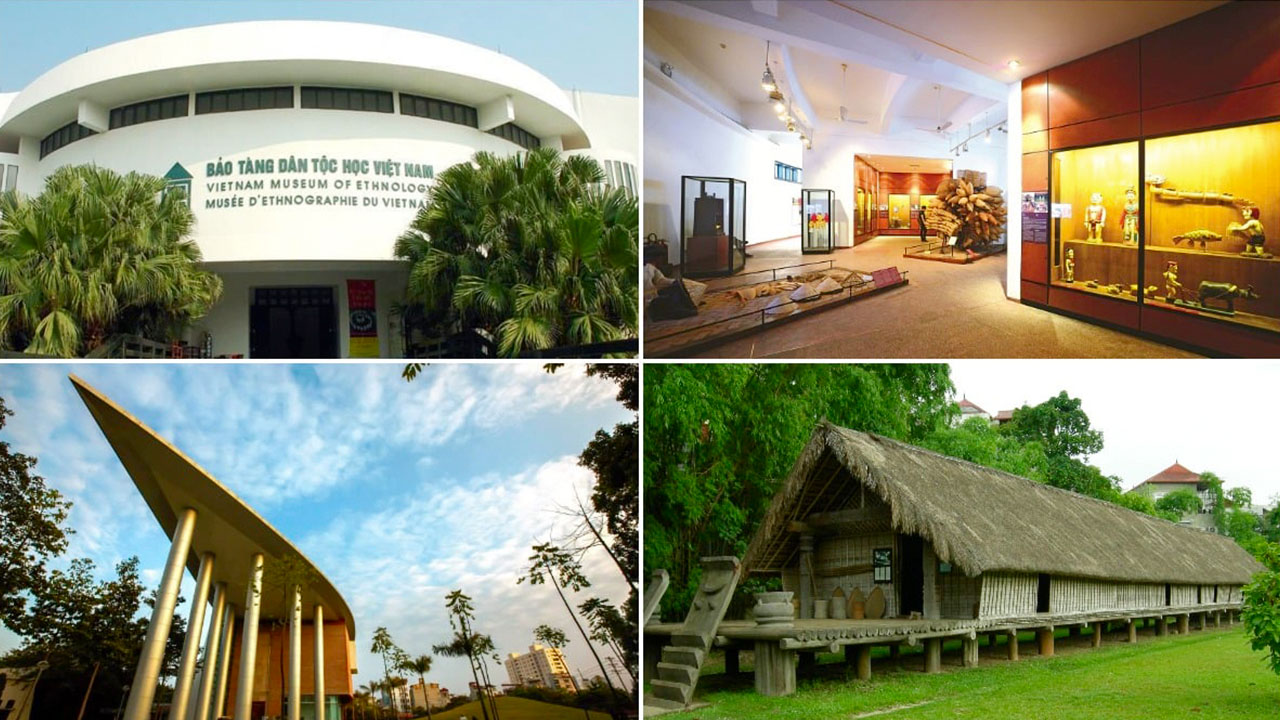
Nestled in the heart of Hanoi, the Vietnam Museum of Ethnology captivates visitors with its unparalleled collection showcasing the vibrant and diverse cultures of Vietnam’s ethnic minorities. Established in 1997, this world-class institution offers an immersive journey into the lifestyles, traditions, and architectural wonders of these communities. With over 30,000 artifacts and interactive exhibitions, the museum paints a vivid portrait of the rich tapestry of Vietnam’s cultural heritage, a testament to the country’s socio-cultural diversity.

Location, opening hours, entrance fee

  • Opening Hours: Open from 08:30 to 17:30, closed on Mondays.
  • Entrance Fee: 40,000vnd per person.
  • Location: Located at Nguyen Van Huyen Street, Cau Giay District, Hanoi.

Vietnam Museum of Ethnology history
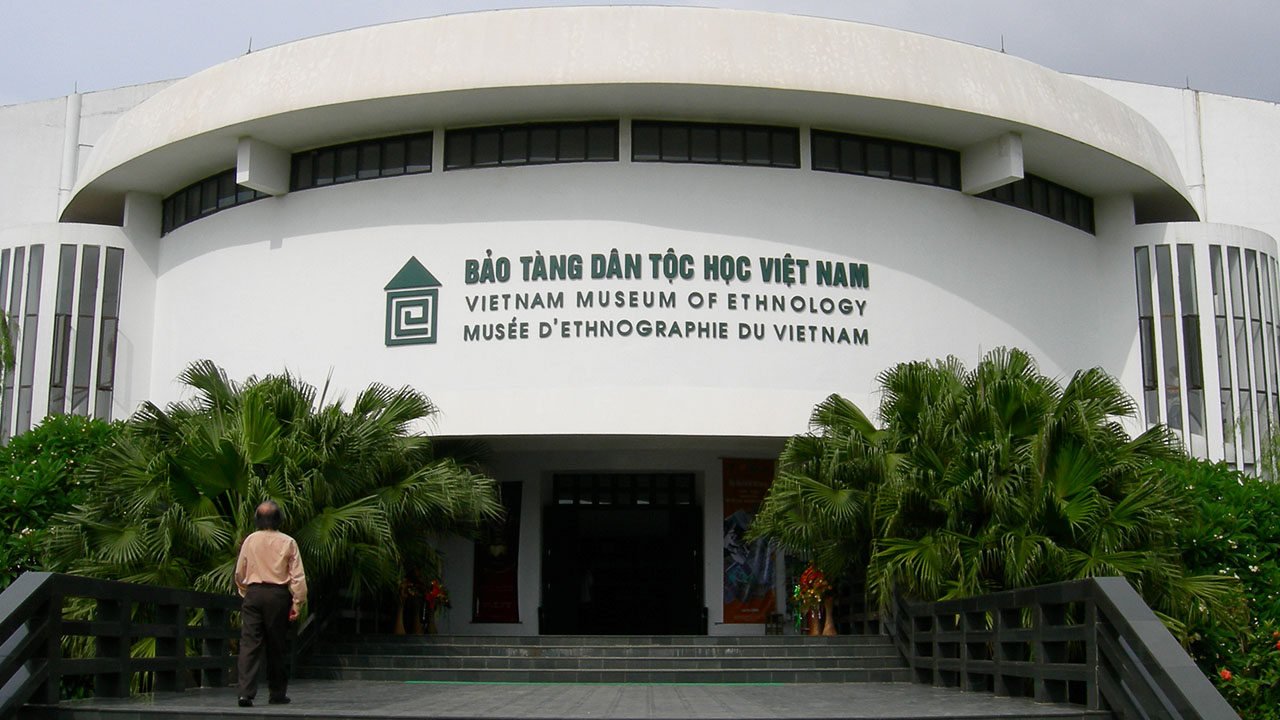
Vietnam Museum of Ethnology

The Vietnam Museum of Ethnology, part of the Vietnamese national museum system under the Vietnam Academy of Social Sciences, serves multiple purposes such as conducting research, collecting and preserving objects and materials from ethnic groups, and organizing exhibitions and performances to showcase the diverse cultures of both Vietnamese and international ethnic communities.

The establishment of the Vietnam Museum of Ethnology began in the 1980s during a challenging post-war period in the country’s history. On October 24, 1995, the Prime Minister issued a decision to officially establish the museum.

On November 12, 1997, during the summit of French-speaking nations in Hanoi, the museum was inaugurated with the presence of Vietnamese Vice President Nguyen Thi Binh and French President Jacques Chirac.

Covering an expansive area of approximately 45 hectares, the museum consists of three exhibition spaces. The first is the Bronze Drum, a two-story building that opened to the public on November 13, 1997, showcasing various ethnic groups in Vietnam. The second is the Architectural Garden, an outdoor exhibition spanning two hectares and featuring ten traditional architectural structures from different Vietnamese ethnic groups, built between 1998 and 2006. Lastly, the Kite building, a four-story structure that began construction in June 2007 and opened its first display at the end of 2013, serves as an exhibition space for cultures of non-Vietnamese ethnic groups, particularly those from Southeast Asia.

Collection and Exhibits

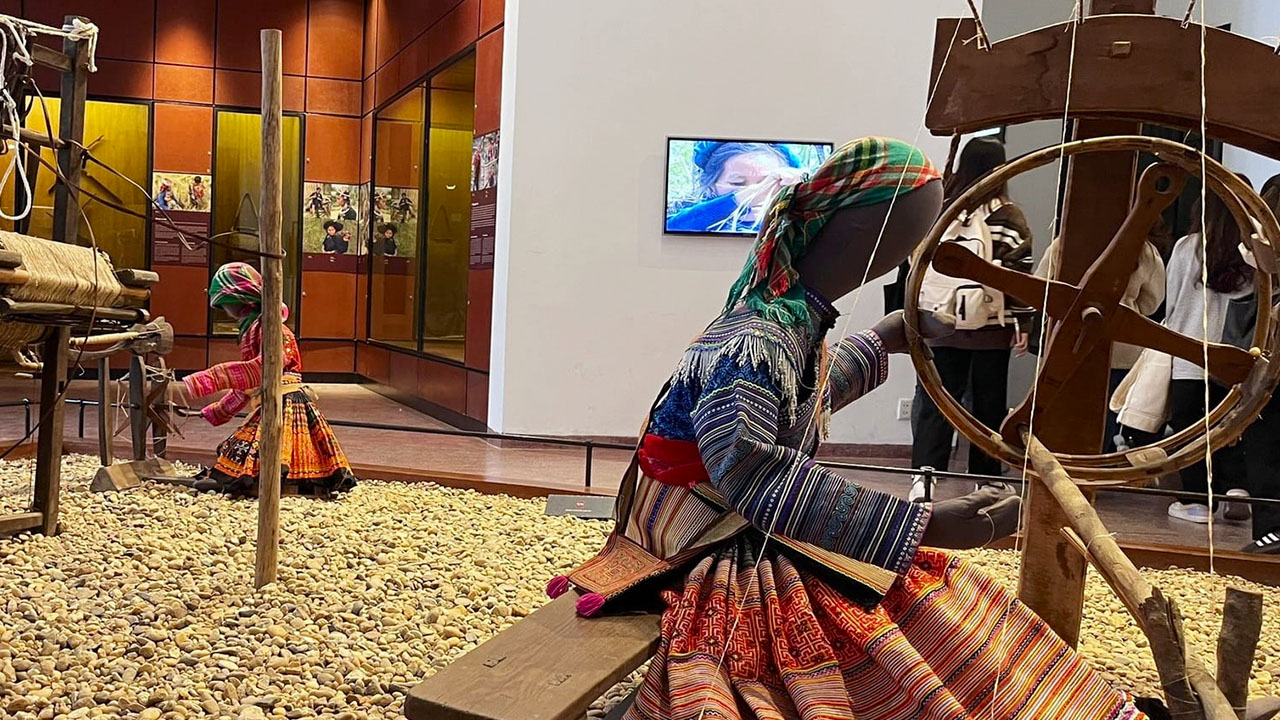
Tribal Art and Artifacts
Tribal Art and Artifacts
  • Traditional Craftsmanship: Displaying the exquisite workmanship of bamboo, wood, ceramic, and textile crafts peculiar to each ethnic group.
  • Ritual Objects: Unveiling the sacred artifacts used in ceremonies, spiritual practices, and traditional rituals.
  • Daily Life Artifacts: Providing insights into the everyday items employed in cooking, hunting, farming, and household chores.
  • Musical Instruments: Showcasing the diverse range of musical instruments used in traditional performances and celebrations, including gongs, flutes, and drums.
  • Adornments and Textiles: Exploring the intricate and colorful traditional dress, jewelry, and textiles worn by different ethnicities.
  • Architectural Models: Exhibiting scale models of traditional houses and communal structures, illustrating the varied architectural styles and techniques employed across ethnic groups.

Open-Air Exhibition
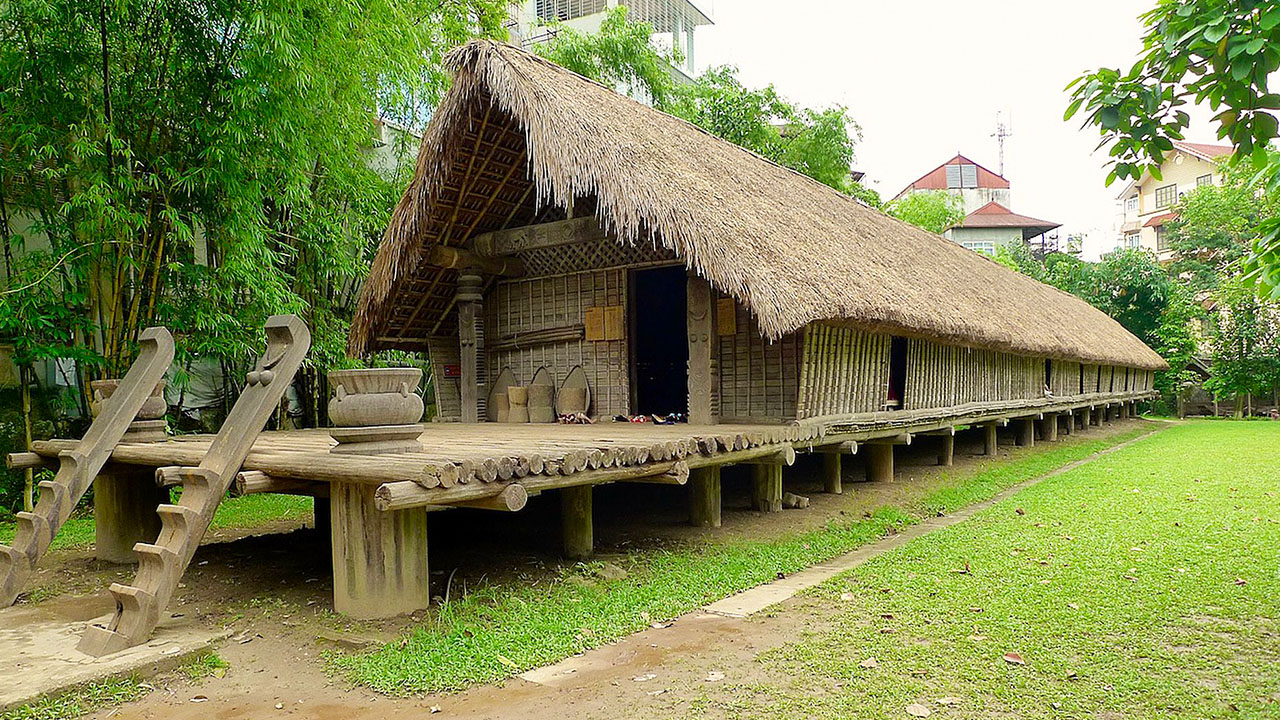
Open-Air Exhibition
Open-Air Exhibition
  • Full-Scale Replicas: Presenting replicas of traditional houses, gardens, and other architectural structures, providing an authentic glimpse into the ethnic villages of Vietnam.
  • Living Heritage: Experiencing live demonstrations of traditional crafts, such as weaving, pottery making, and wood carving, showcasing the skills and knowledge passed down through generations.
  • Indigenous Gardens: Exhibiting the traditional gardens of ethnic communities, featuring a variety of medicinal plants, spices, and vegetables used in traditional cuisines and herbal remedies.
  • Traditional Performances: Hosting regular water puppet shows, music performances, and cultural events that bring to life the stories and customs of the diverse ethnic groups.
  • Recreational Activities: Providing space for traditional sports and games, such as archery, bamboo swings, and obstacle courses, allowing visitors to engage in interactive cultural experiences.

Research and Education

Research and Education
  • Research Center: Facilitating research and scholarly studies on Vietnamese ethnology and cultural heritage, contributing to the preservation and dissemination of knowledge.
  • Library and Archives: Housing a vast collection of books, documents, and audio-visual materials for scholarly research and public inquiries, providing access to a wealth of knowledge on Vietnamese heritage.
  • Learning Programs: Curating educational programs, guided tours, and interactive workshops specifically designed for children and students, fostering appreciation for cultural diversity and heritage preservation.
  • Seminars and Symposia: Hosting seminars and symposia with esteemed scholars, researchers, and community leaders, facilitating discussions and knowledge exchange on Vietnamese ethnology.
  • Conservation and Restoration: Undertaking conservation and restoration of artifacts and cultural heritage materials, ensuring their preservation for future generations.

Outdoor Display Area

Cultural Village
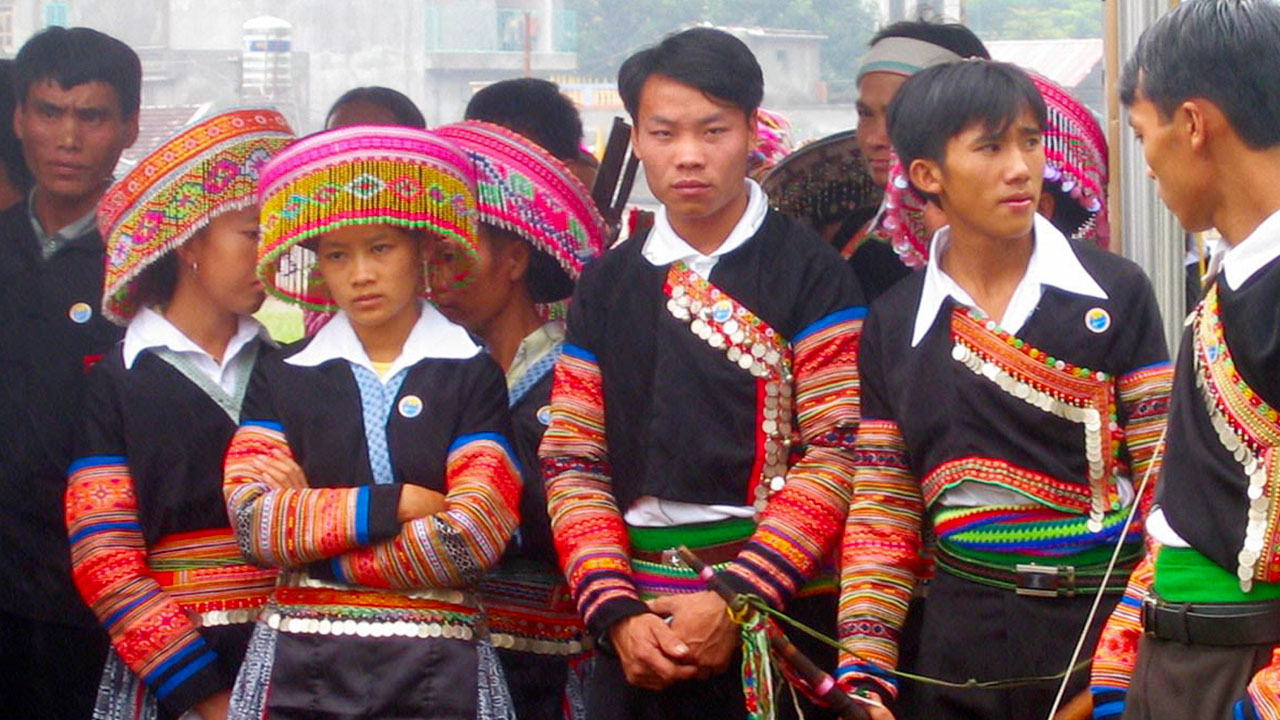
Cultural Village
Cultural Village
  • Tai Group: Exploring the stilt houses, communal spaces, and traditional costumes characteristic of the Tai people, the largest ethnic minority group in Vietnam.
  • H’mong Group: Unveiling the colorful and intricate textiles, embroidery skills, and traditional festivals of the H’mong people, one of the most recognizable ethnic groups in Vietnam.
  • Dao Group: Discovering the distinctive knife forging techniques, spiritual beliefs, and traditional music of the Dao people, known for their red-dyed clothing and distinct language.
  • Muong Group: Learning about the terraced rice cultivation, traditional medicine, and elaborate funeral rituals of the Muong people, a significant ethnic group in Northern Vietnam.
  • Tay Group: Encountering the vibrant brocade weaving, shamanistic practices, and bronze drum casting traditions of the Tay people, an ethnic group with a strong agricultural heritage.

Architectural Wonders
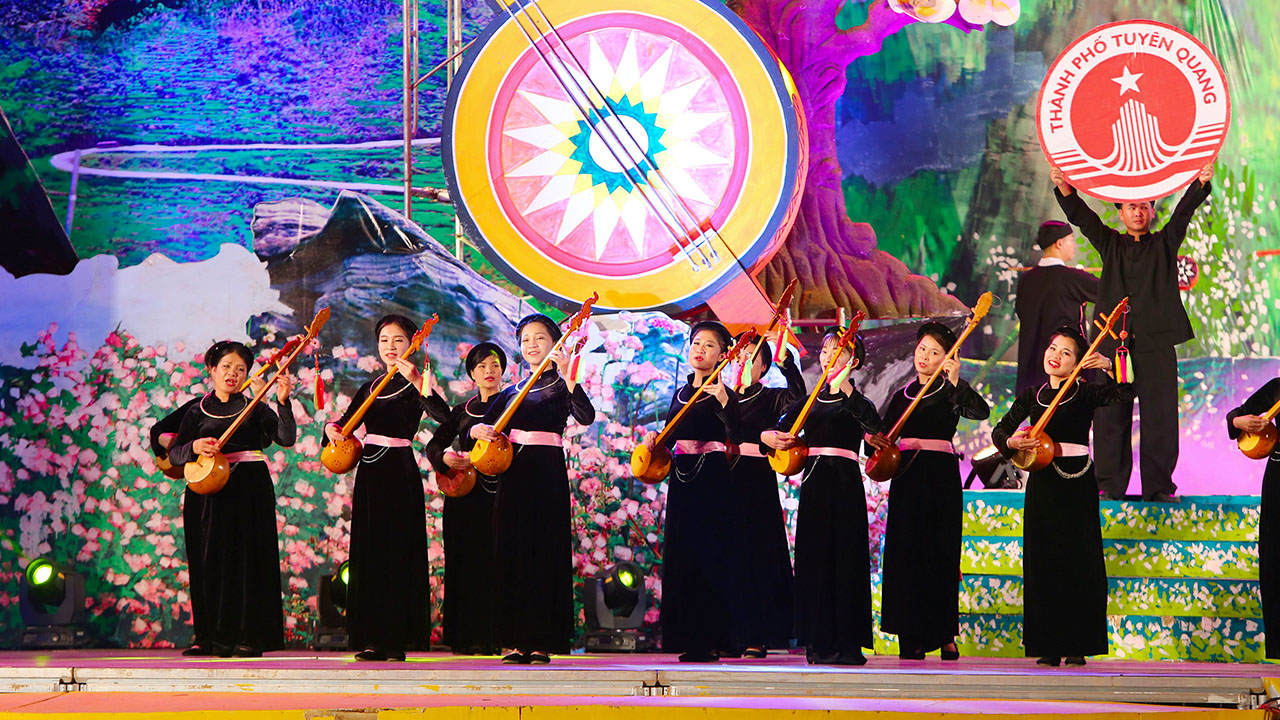
Architectural Wonders Communal Houses: Exhibiting the imposing communal houses of the Ede people, where community gatherings, festivals, and ceremonies are held. Clan Houses: Exploring the traditional clan houses of the Bahnar people, which serve as centers of community life and ancestral worship. Gongs and Drums: Showcasing the impressive collection of traditional gongs and drums used in musical performances and religious ceremonies, highlighting the significance of percussive art in ethnic Vietnamese cultures.

  • Communal Houses: Exhibiting the imposing communal houses of the Ede people, where community gatherings, festivals, and ceremonies are held.
  • Clan Houses: Exploring the traditional clan houses of the Bahnar people, which serve as centers of community life and ancestral worship.
  • Gongs and Drums: Showcasing the impressive collection of traditional gongs and drums used in musical performances and religious ceremonies, highlighting the significance of percussive art in ethnic Vietnamese cultures.

Ancestor Worship: Displaying the ancestral altars and spiritual objects used in traditional worship practices, providing insights into the deep veneration for family and ancestors in Vietnamese culture.

Cultural Importance

Preservation and Dissemination
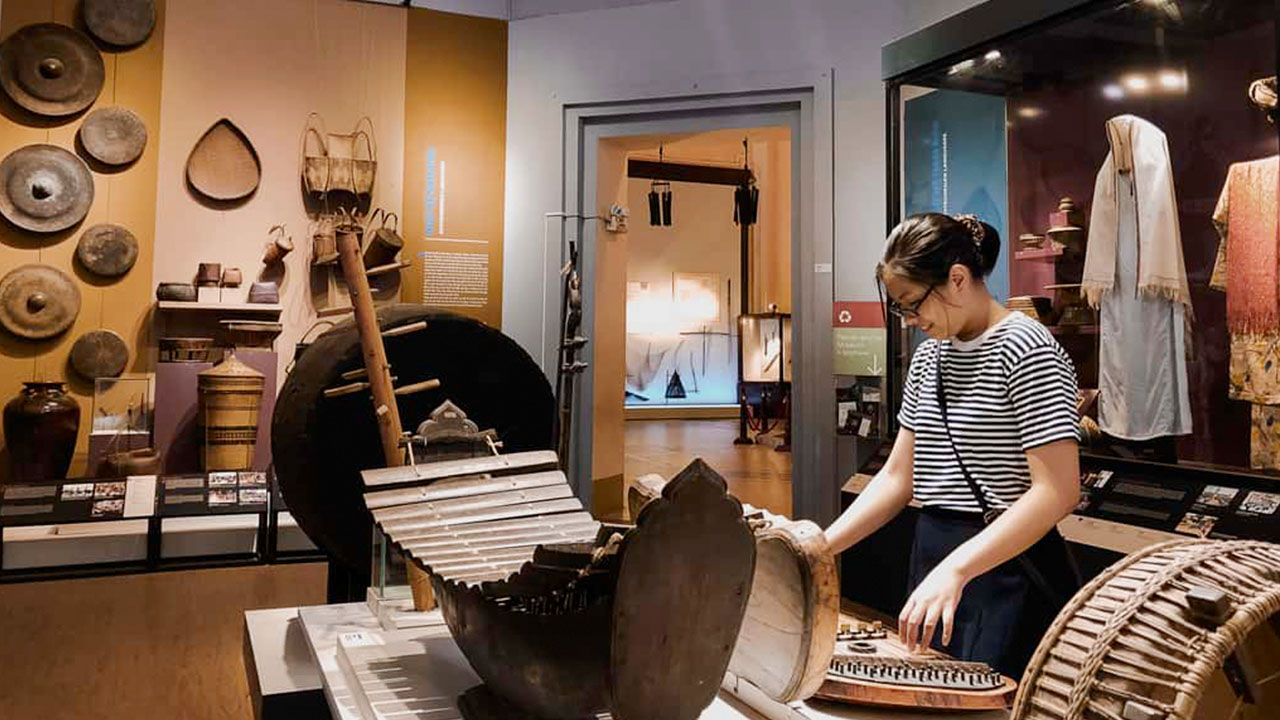
Preservation and Dissemination
  • Safeguarding Intangible Heritage: The museum serves as a custodian of intangible cultural heritage, safeguarding and preserving the knowledge, skills, and practices passed down through generations within ethnic communities.
  • Cultural Exchange and Understanding: It fosters cultural exchange and understanding between different cultures, promoting respect for diversity and appreciation of the richness of Vietnamese heritage.
  • Educational Value: The museum provides a valuable resource for education, offering students and researchers access to authentic cultural artifacts and fostering a deeper knowledge of Vietnamese ethnology.

Tourism and Community Empowerment
Tourism and Community Empowerment
  • Sustainable Tourism: The museum promotes sustainable tourism by showcasing the traditional crafts, cultural performances, and architectural wonders of ethnic communities, contributing to local economies.
  • Community Involvement: Through programs and partnerships, the museum empowers local communities by supporting their cultural practices and promoting their products, enhancing their cultural and economic development.
  • Tourism Expansion: The museum has played a significant role in boosting tourism in Vietnam, particularly in Hanoi, attracting visitors interested in experiencing the country’s diverse cultural landscape.

FAQs

  • What is the best way to experience the museum? Allow ample time to fully immerse yourself in the rich displays. Consider participating in guided tours, attending live performances, and engaging with the interactive exhibits.
  • Is it suitable for children? Yes, the museum is child-friendly with engaging exhibitions designed to captivate young minds. Multilingual support ensures accessibility for children from different backgrounds.
  • Can I take photographs inside the museum? Photography is permitted in most areas of the museum. However, it is essential to be respectful of the exhibits and avoid using flash photography.
  • Are there dining options available? A small café within the museum offers light refreshments and snacks. Visitors are also welcome to bring their own food and beverages, which can be enjoyed in designated picnic areas.
  • How can I learn more about Vietnamese culture beyond the museum? The museum offers various educational resources, including a library, research center, and auditorium that host regular events and lectures. Consider interacting with local people, attending community events, and exploring the surrounding area for further cultural insights.

Conclusion

The Vietnam Museum of Ethnology stands as a testament to the vibrant and diverse heritage of Vietnam, encapsulating the rich cultural traditions and practices of its ethnic minorities. Through its comprehensive collection of artifacts, immersive exhibits, and interactive programs, the museum invites visitors to explore the cultural tapestry that defines Vietnam’s identity, encouraging cross-cultural understanding and appreciation.

Key Takeaways:

  • The Vietnam Museum of Ethnology hosts over 30,000 artifacts showcasing the cultural heritage of Vietnam’s ethnic minorities.
  • The open-air exhibition area provides a glimpse into traditional village life, including full-scale replicas of ethnic houses.
  • The museum features a research center, library, and auditorium for scholarly research and cultural events.
  • It promotes cross-cultural understanding and appreciation through educational programs and community partnerships.
  • The museum is committed to preserving and safeguarding the intangible cultural heritage of Vietnam’s ethnic groups.

General information of Duong’s 2 restaurant – Top best restaurants in Hanoi Old Quarter
Hoa Lo Prison Museum: A Journey Through Vietnamese History and Resilience

Hoa Lo Prison

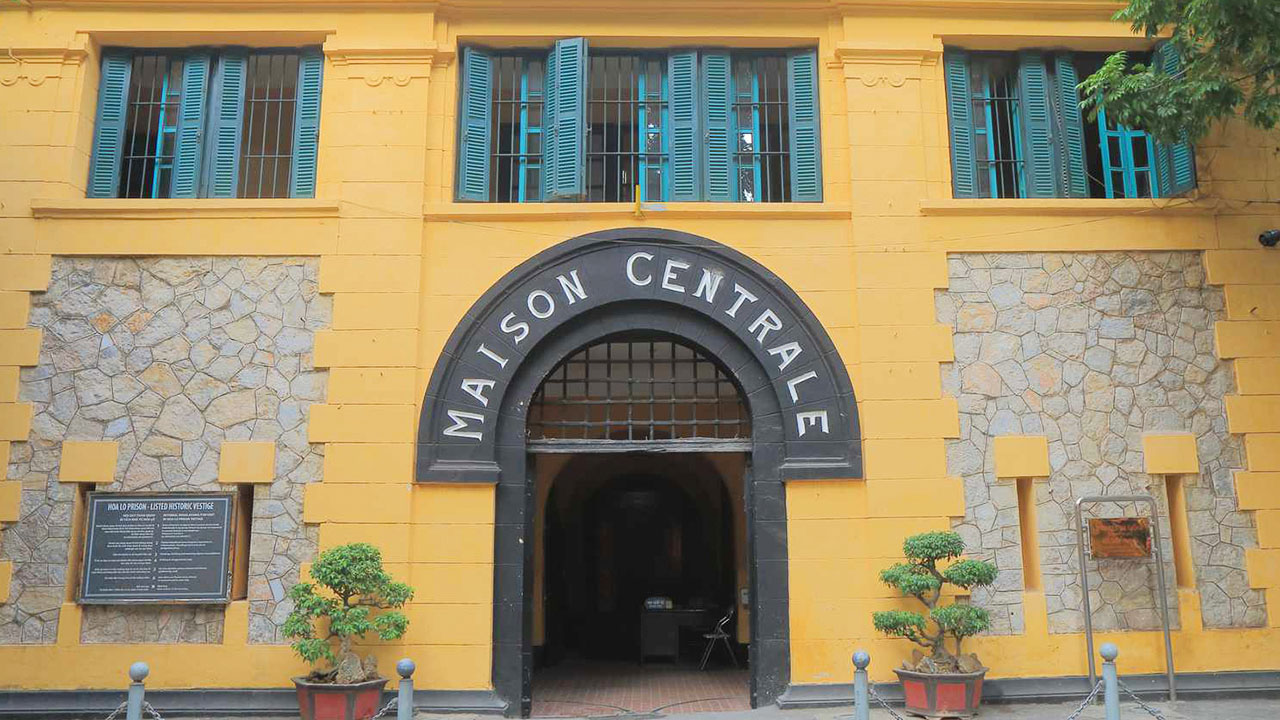
As a reputable travel expert, I invite you to delve into the fascinating history of Hoa Lo Prison, a profound emblem of Vietnam’s resilient spirit. This former prison, known as the “Hanoi Hilton”, bears witness to the struggles and sacrifices of Vietnamese revolutionaries and prisoners of war. Join me as we explore its significant aspects in detail:

Where is Hoa Lo Prison?

Situated at No 1, Tran Hung Dao Street in Hanoi’s Hoan Kiem District, lies the infamous Hoa Lo Prison. Its convenient location within walking distance from the renowned Hoan Kiem Lake makes it a must-visit for tourists. For those arriving by public transport, buses 2, 9, 40, or 49 will take you right to its gates. And for those who prefer to drive, parking facilities are also available.

Hoa Lo Prison Historical Significance

Hoa Lo Prison
Hoa Lo Prison

1. The Genesis of Hoa Lo Prison

  • The origins of Hoa Lo Prison date back to 1896, when French colonial authorities sought to contain Vietnamese political prisoners struggling against their oppressive rule.
  • The prison’s ominous name, “Hoa Lo,” translates to “fire stove” or “furnace,” a chilling reflection of the scorching conditions endured by its inmates.

2. Symbol of Oppression Under French Rule

Symbol of Oppression
  • Hoa Lo became a symbol of French tyranny, housing thousands of Vietnamese revolutionaries and political dissidents.
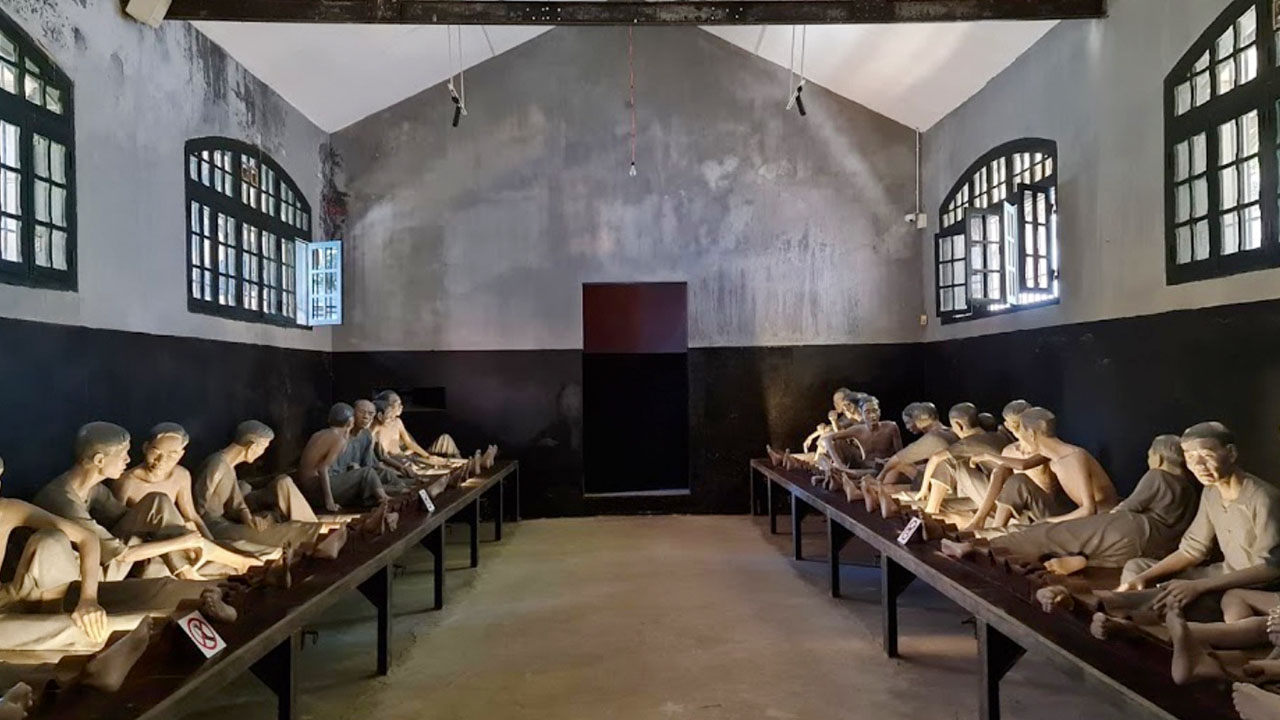
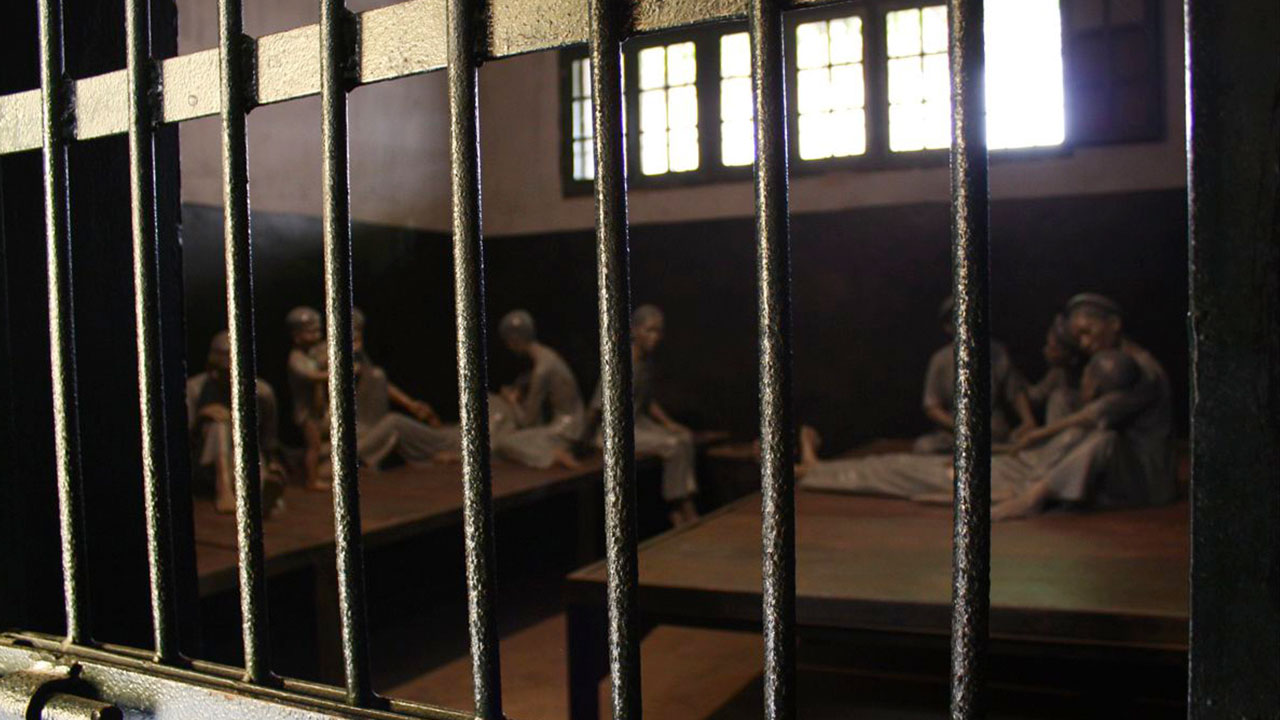
  • Within its desolate confines, prisoners faced deplorable conditions, including overcrowding, disease, and brutal torture.

3. A Crucible of Resistance: The Vietnam War

  • During the Vietnam War, Hoa Lo took on a new role, hosting American prisoners of war (POWs).
  • Among the notable figures incarcerated at Hoa Lo was Senator John McCain, whose experiences within its walls sparked a profound bond between him and the Vietnamese people.

4. The Architectural Legacy of Hoa Lo Prison

  • The prison’s architecture speaks volumes about its grim past. Surrounded by high walls adorned with broken glass and barbed wire, Hoa Lo was an impenetrable fortress.
  • Inside, the prison cells, hospitals, and watchtowers are preserved, offering a glimpse into the harsh reality faced by its inmates.

Artifacts and Exhibits Unveil the Past

Artifacts and Memorabilia

5. The Silent Witness: The French Guillotine

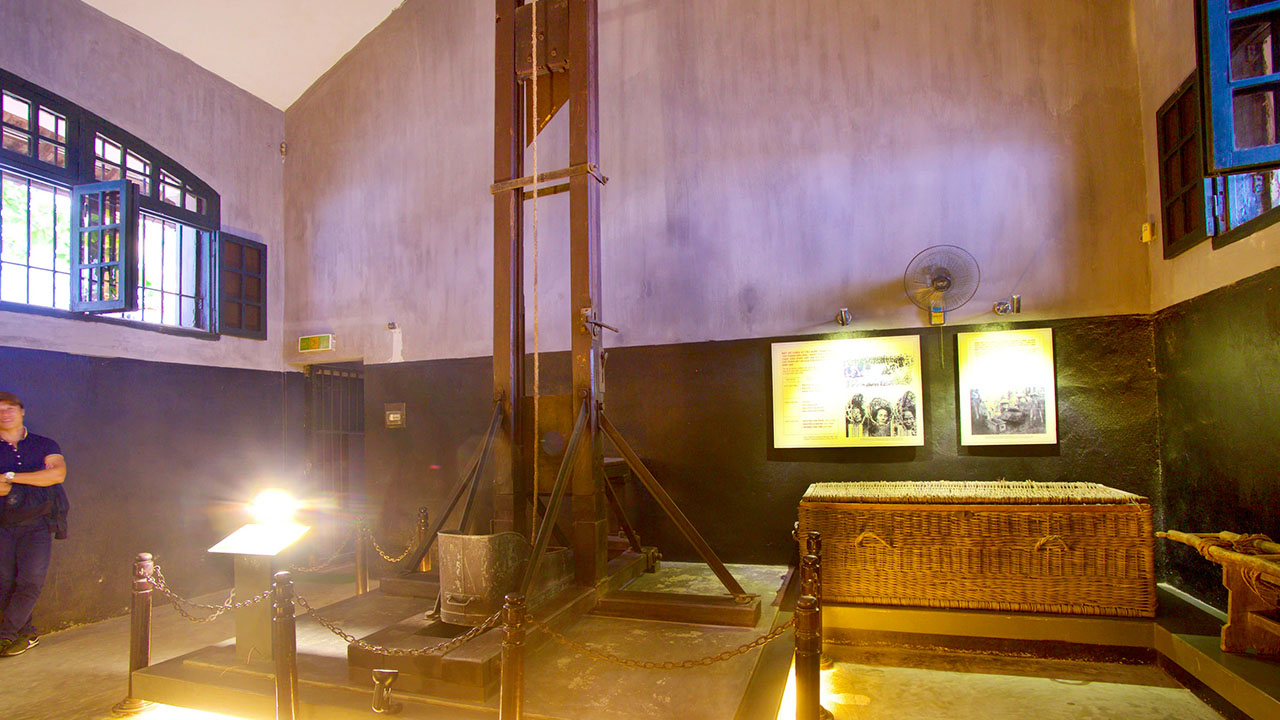
  • The guillotine, an infamous French instrument of execution, served as a chilling reminder of the prison’s oppressive past.
  • Visitors to the museum can witness this macabre relic firsthand, offering a glimpse into the depths of human suffering.

6. Senator McCain’s Flight Suit: A Story of Resilience

  • Senator John McCain’s flight suit stands as a powerful symbol of his endurance and resilience.
  • Through his photograph, visitors witness McCain’s heroic rescue by Hanoi locals after being shot down during the war.

Voices and Perspectives of Former Inmates

American veteran
American veteran

7. The Unsung Heroes: Vietnamese Revolutionary Prisoners

  • Hoa Lo Prison was the stage for countless acts of valor and sacrifice by Vietnamese patriots.
  • The testimonies of former inmates, preserved through exhibits and guided tours, provide a first-hand account of their unwavering determination.

8. Americans in Hoa Lo: The POWs’ Story

  • American POWs, such as Senator John McCain and Pete Peterson, endured harrowing experiences within Hoa Lo’s walls.
  • Their memoirs and interviews offer valuable insights into the challenges and camaraderie that forged bonds between the prisoners.

The Legacy of Hoa Lo Prison Today

Hoa Lo Prison Today
Hoa Lo Prison Today

9. Preserving History: Hoa Lo as a Museum

  • Today, Hoa Lo stands as a museum, a testament to the strength and suffering of those who passed through its gates.
  • Its exhibits and artifacts provide a sobering reminder of the horrors of war and the importance of human rights.

10. A Place for Reconciliation and Understanding

  • Hoa Lo has become a hub for reconciliation and understanding between Vietnam and its former enemies.
  • It fosters dialogue and promotes healing, turning a site of pain into a place of peace.

Visitor Guidelines and Information

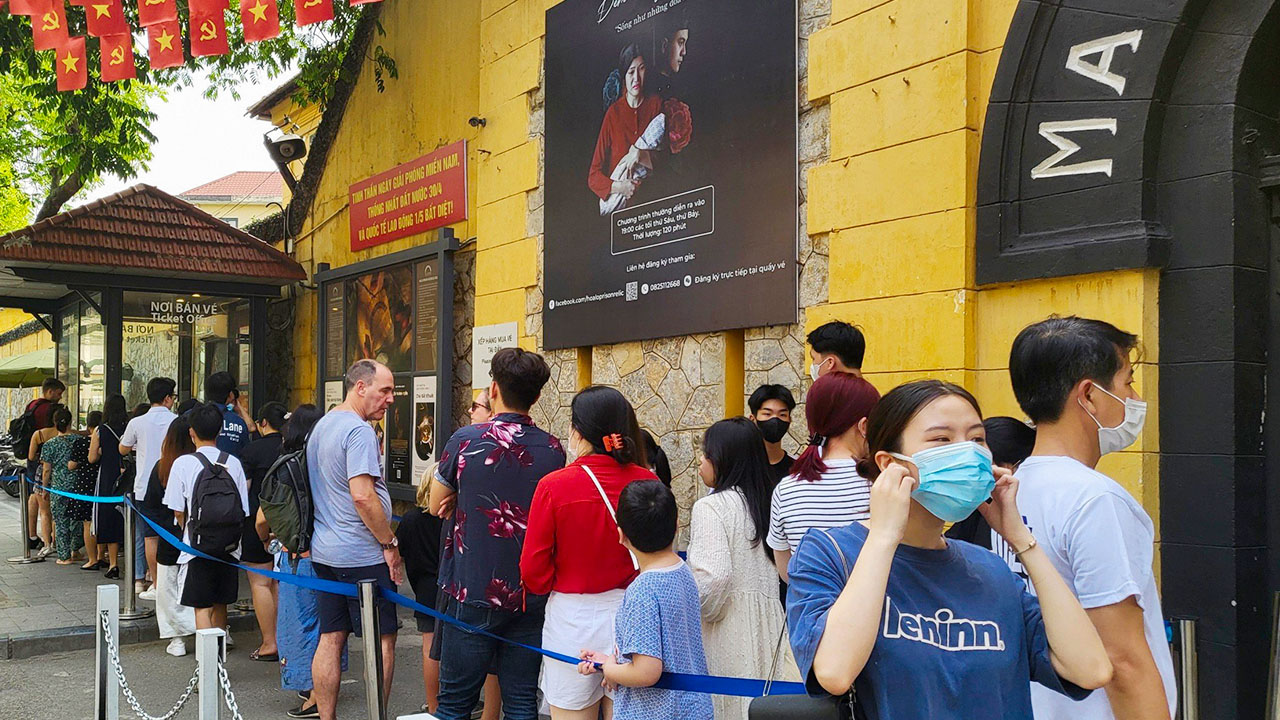
Tourists visit Hoa Lo prison

11. Regulations for Visiting Hoa Lo Prison Museum

  • Visitors are expected to follow specific guidelines to ensure the preservation of the site and its artifacts.
  • Restrictions include prohibitions on weapons, smoking, and touching exhibits.

12. Expert-Led Tours for Immersive Learning

  • Guided tours led by knowledgeable experts offer in-depth insights into the prison’s history.
  • These tours provide an unparalleled opportunity for visitors to connect with the past and understand the multifaceted stories of Hoa Lo’s inmates.

FAQs about Hoa Lo Prison

Is it safe to visit Hoa Lo Prison Museum? Yes, Hoa Lo is safe to visit today. It has been transformed into a museum with strict safety measures.

What is the best time to visit Hoa Lo Prison Museum? The museum is open seven days a week, and the best time to visit is during the morning or late afternoon to avoid crowds.

Is the Hoa Lo Prison Museum accessible for people with disabilities? Yes, the museum provides wheelchair access and has ramps and elevators throughout the building to ensure accessibility for all.

Conclusion: A Timeless Tribute to the Vietnamese Spirit

Hoa Lo Prison Museum stands as an eternal tribute to the indomitable spirit of the Vietnamese people. Through its exhibits and artifacts, visitors gain a profound understanding of the struggles, sacrifices, and triumphs that have shaped Vietnam’s history. As a beacon of resilience and reconciliation, Hoa Lo Prison Museum continues to inspire and educate generations by preserving the memory of those who endured its walls and shaped the destiny of their nation.

Key Takeaways:

  • Hoa Lo was a symbol of French colonial oppression and Vietnamese resistance.
  • It housed Vietnamese revolutionaries and American POWs during the Vietnam War.
  • The prison’s architecture and artifacts reveal the harsh conditions and suffering endured by its inmates.
  • Today, Hoa Lo is a museum that fosters reconciliation and preserves the memory of those who fought for freedom.
  • Visiting Hoa Lo Prison Museum provides a powerful and moving experience for all.

Information from Duongs2restaurant.com

Best restaurants in Hanoi Old Quarter highly appreciated by diners

Best restaurants in Hanoi Old Quarter

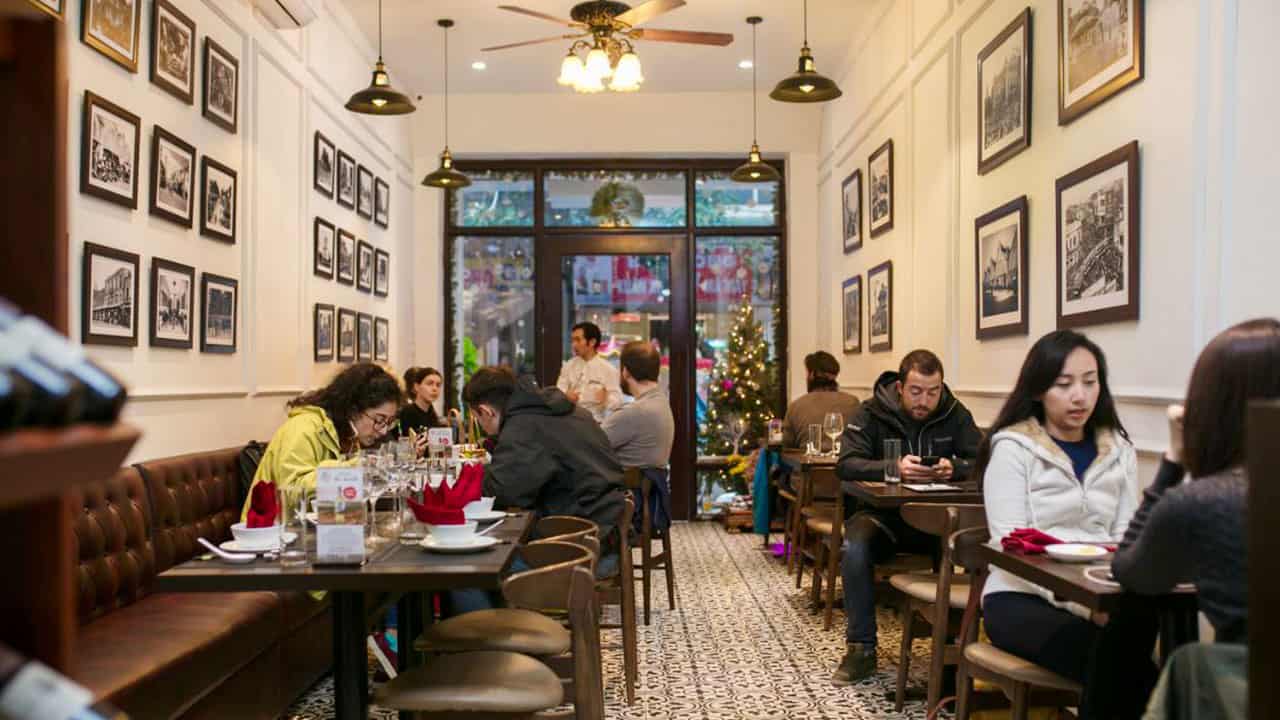
Hoan Kiem is a district in Hanoi that owns a beautiful space like Hoan Kiem Lake of Ngoc Son Temple or a Opera House. Besides the charming scenery, Hoan Kiem is also a district with a rich culinary background, restaurants and restaurants with diverse styles. It can be said that the cuisine of Hoan Kiem district has a mixture of traditions and cuisines of European countries. So what is restaurants near me? Let’s follow the top 15 best restaurants  in Hanoi Old Quarter shared below.
Top 15 best restaurants in Hanoi Old Quarter
Best restaurants in Hanoi Old Quarter
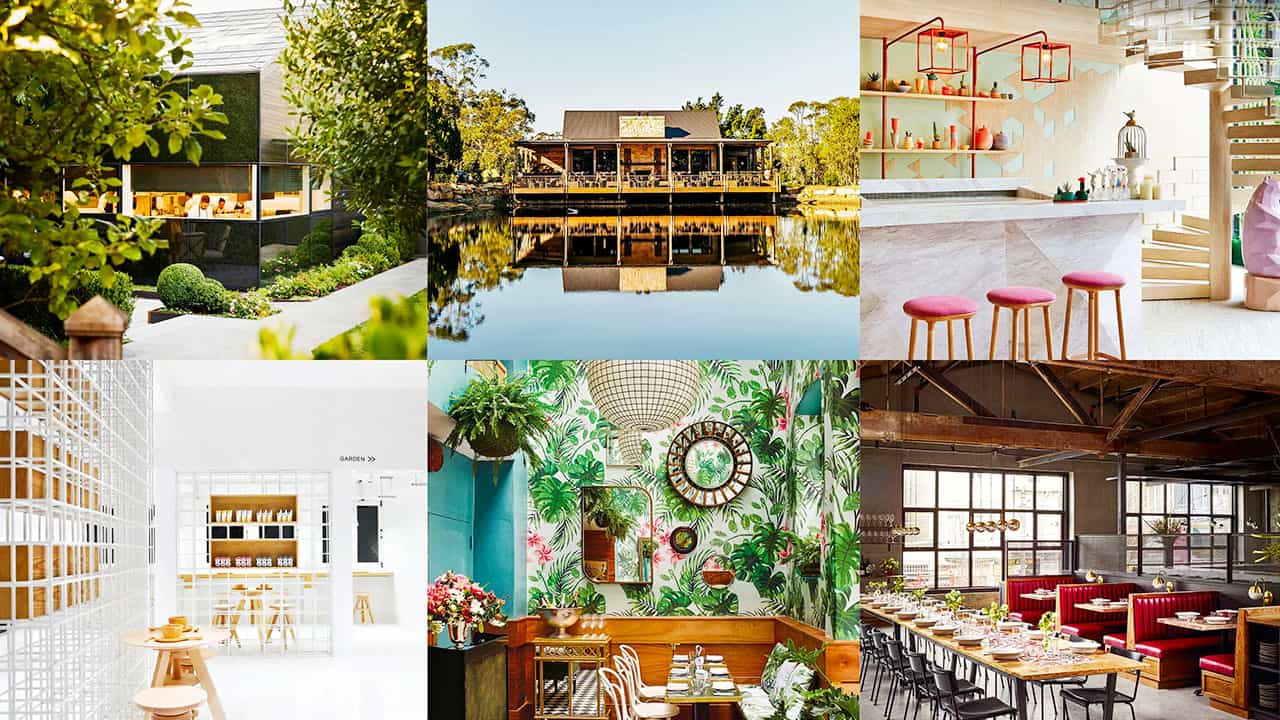
Now that you have a better understanding of the charm and significance of Hoan Kiem Lake, let’s move on to the main attraction – the food! Here are five of the best restaurants near Hoan Kiem Lake that you must try during your visit to Hanoi.

Duong’s 2 Restaurant

Duongs 2 Restaurant
Duongs 2 Restaurant

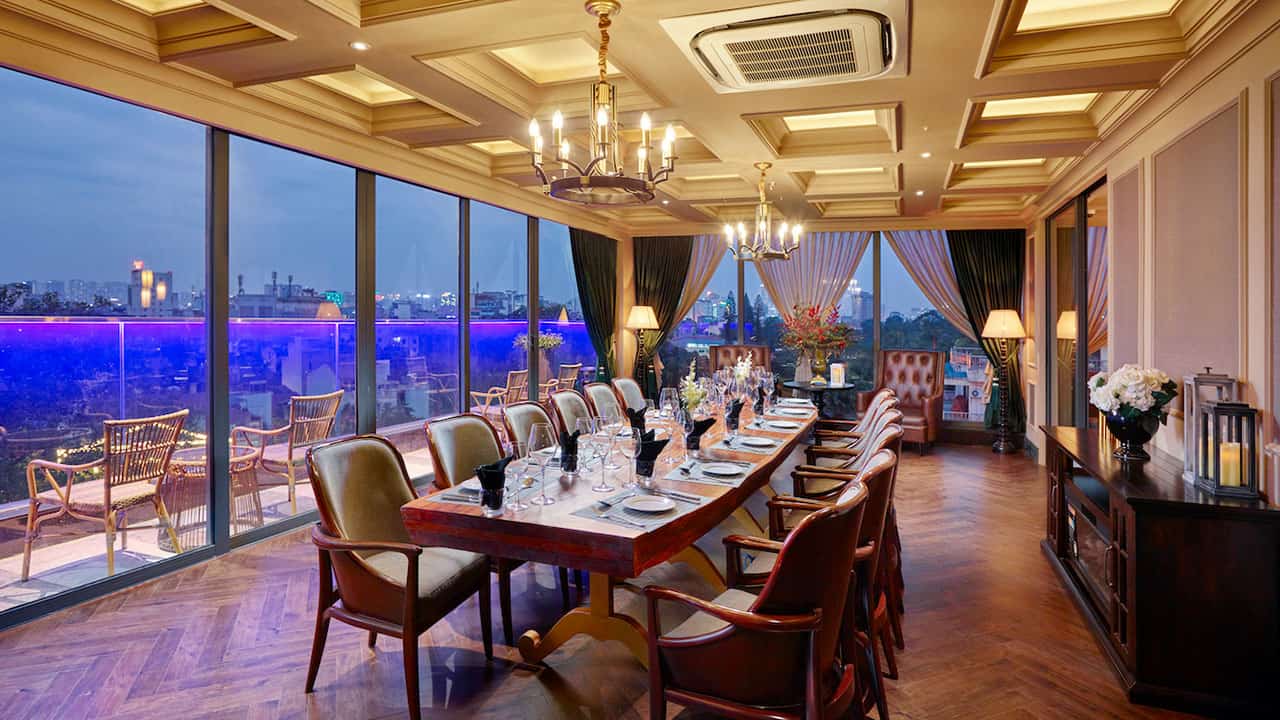
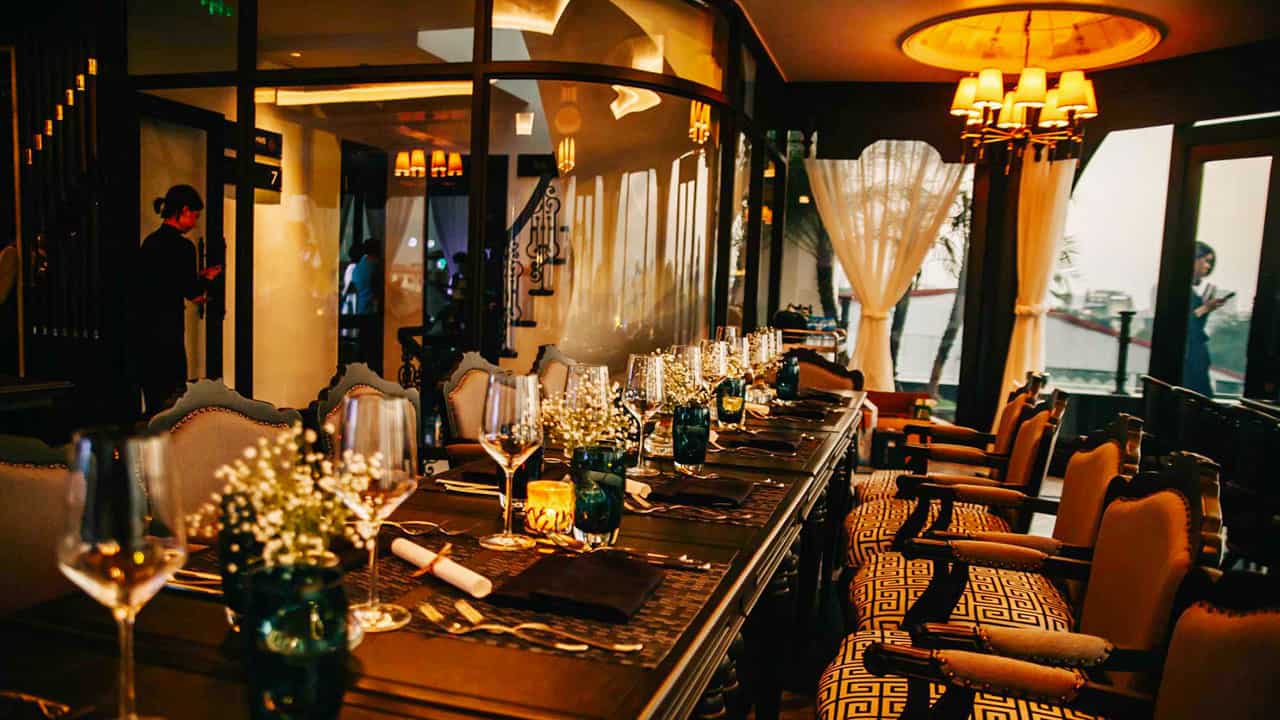
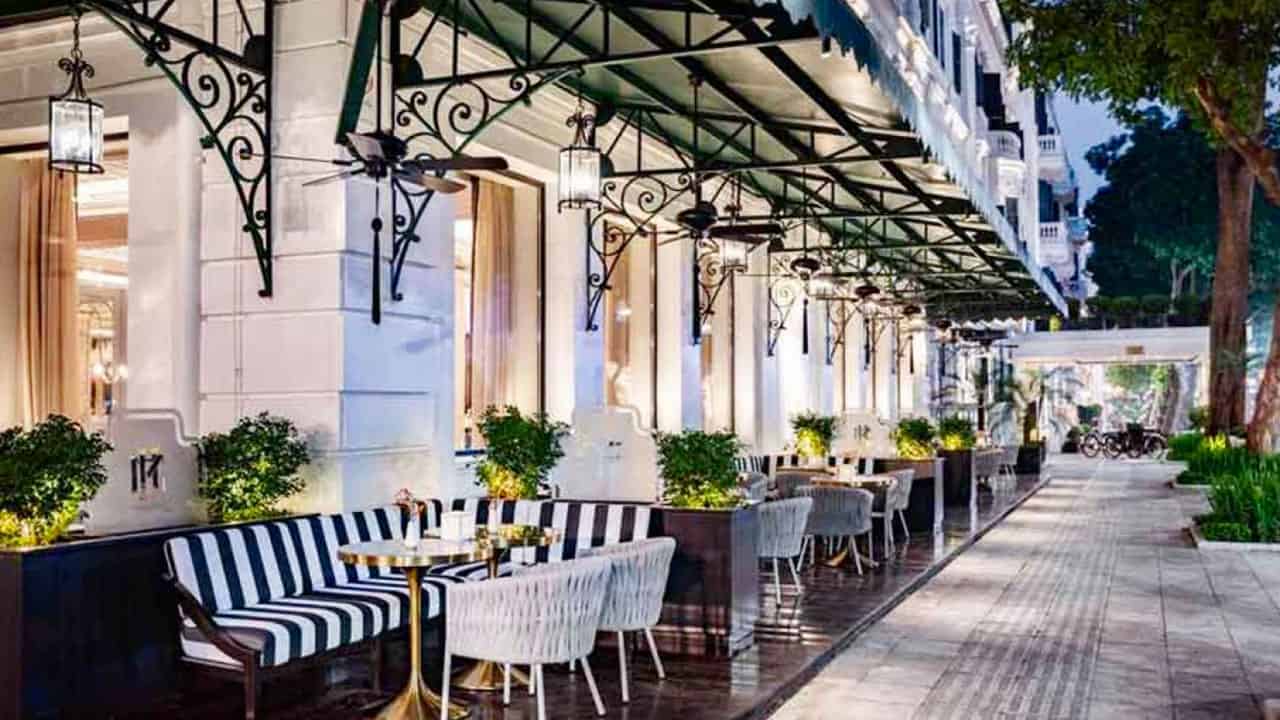
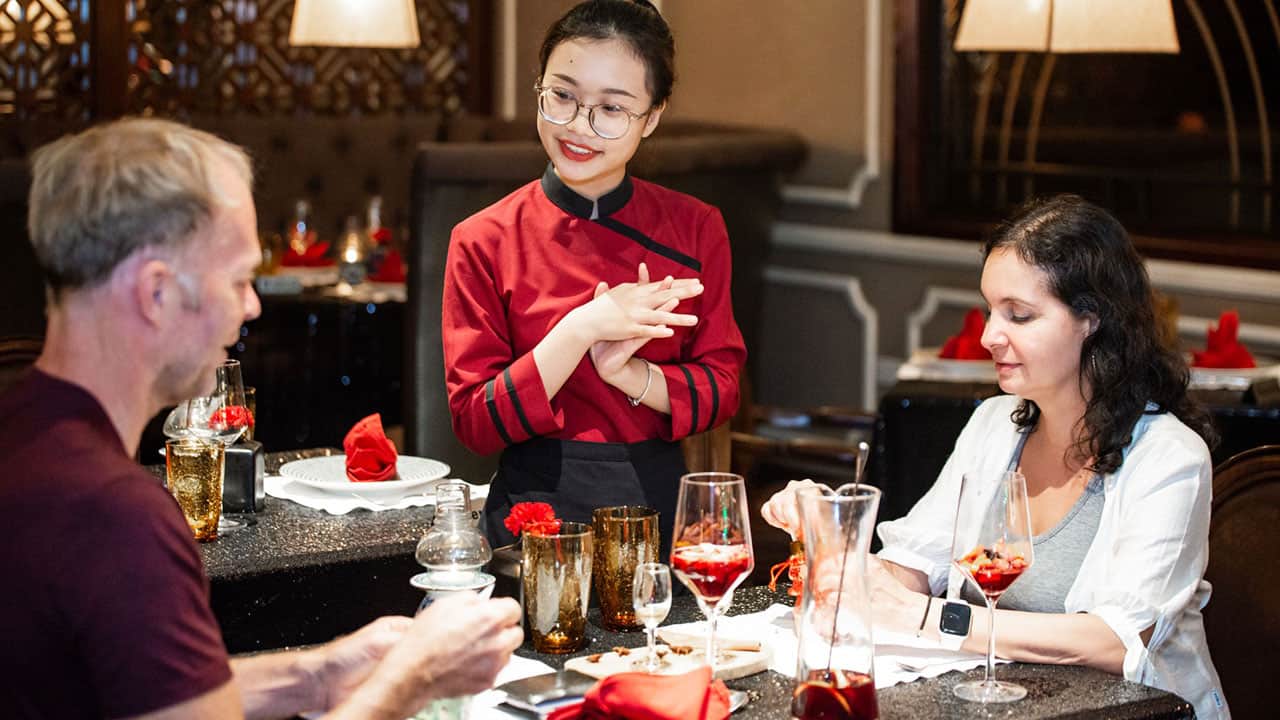
Duong’s 2 Restaurant is rated as one of the restaurants in Hanoi Old Quarter with good service, delicious food, and easy-to-eat sweet sauce. Besides, the restaurant space is very suitable for couples, with soft and cozy music.

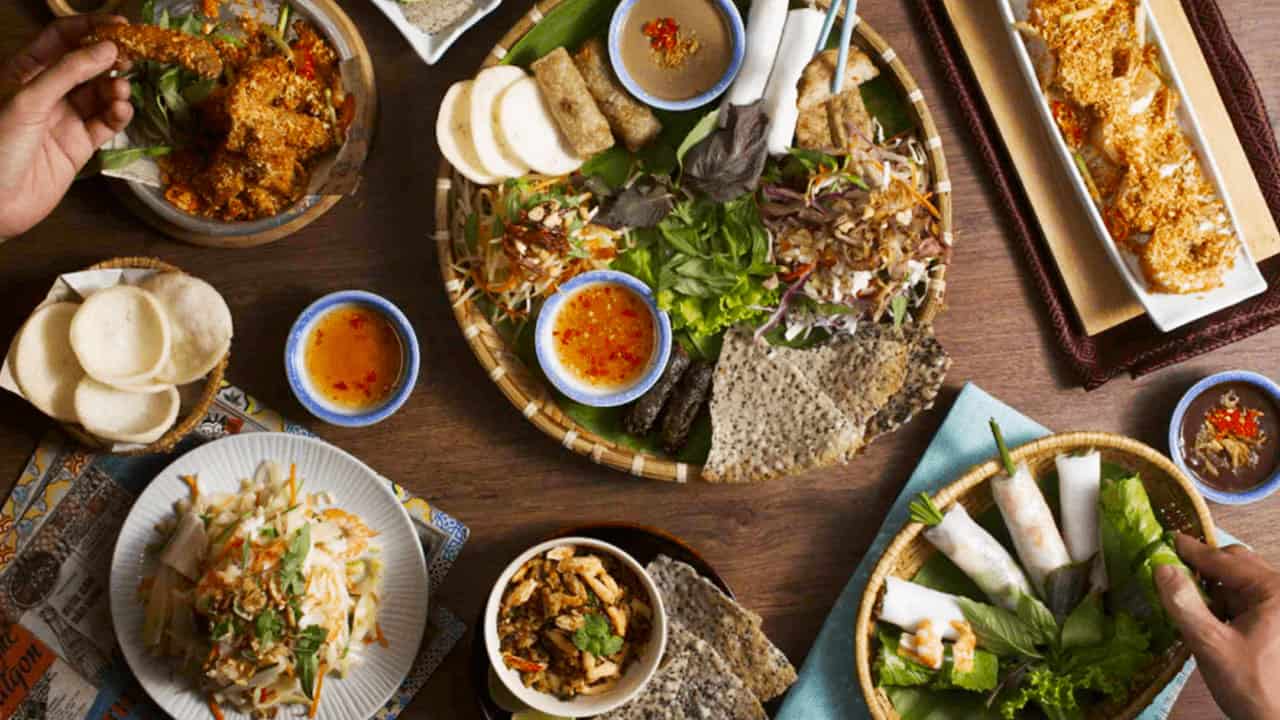
Here are mainly dishes served in the culinary quintessence of 3 regions. The quality of the dishes is also more special because they are prepared by the hands of professional chefs. The space of the restaurant is quite large and airy, very suitable for you to visit on the weekend. Here you can book a private room if you want to gather friends or family.

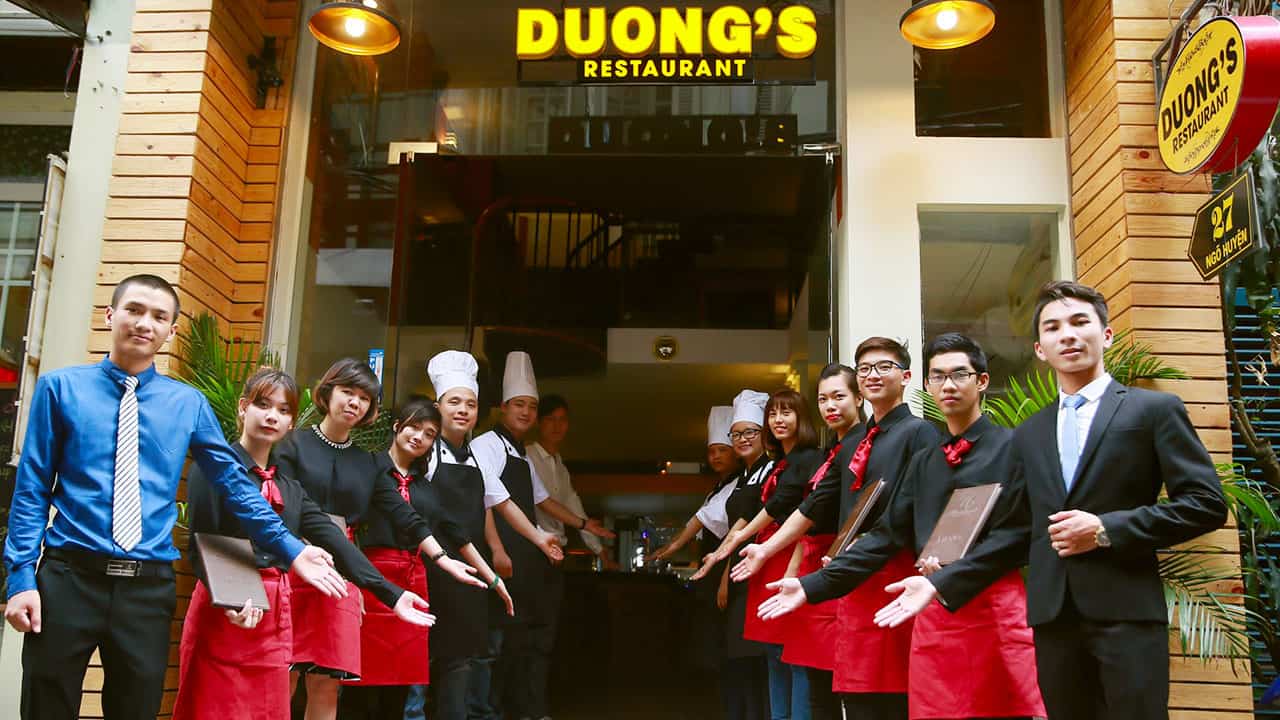
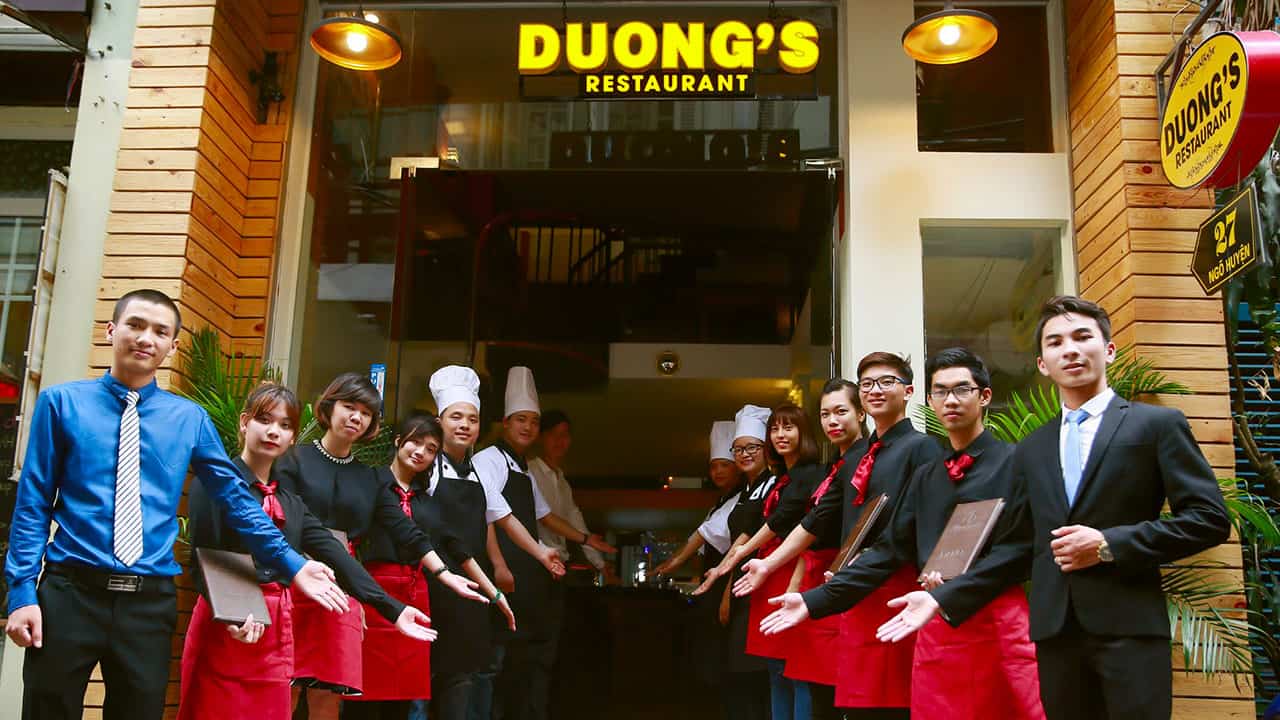
Duong’s Restaurant

Duong's Restaurant Ngo Huyen
Duong’s Restaurant Ngo Huyen

If you want to find a delicious restaurant in Hanoi Old Quarter for a grand meal with many members, don’t miss the name Duong’s Restaurant. Right from the name of the restaurant is enough to see the closeness and familiarity, right? Duong’s Restaurant scored with a space filled with green trees. In addition to the outdoor space, the indoor is also very spacious and beautiful.

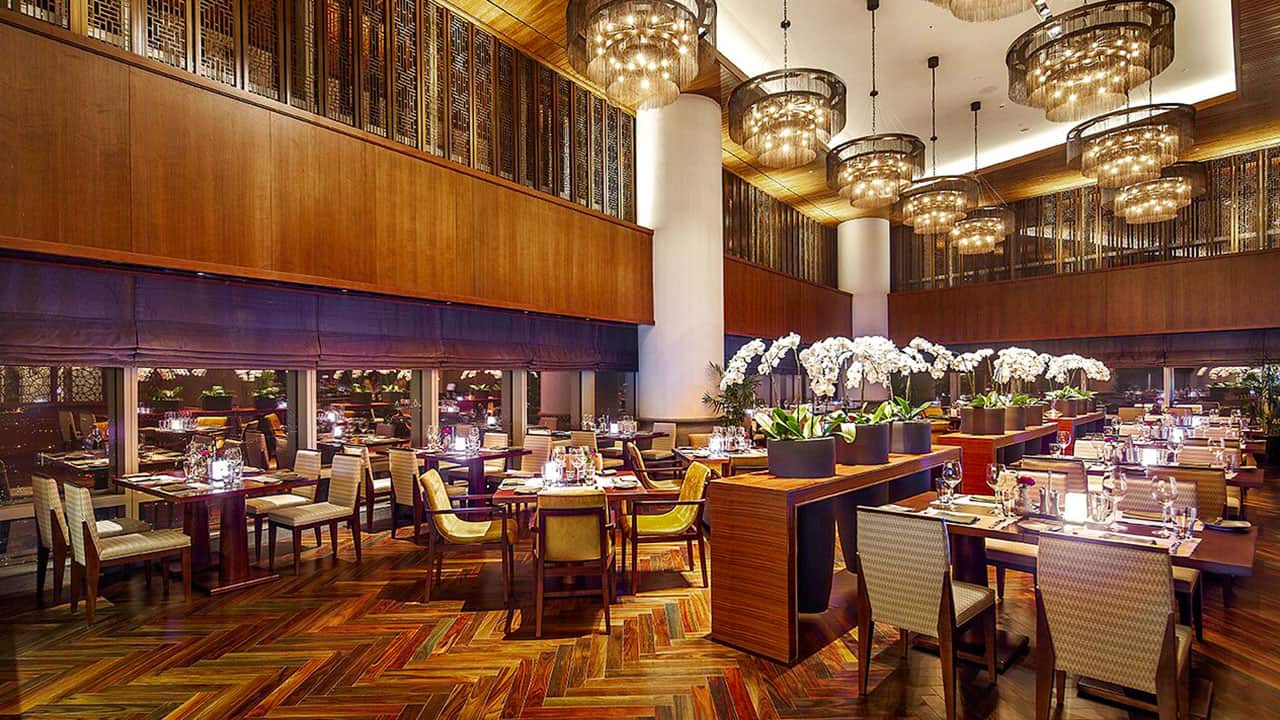
Essence Restaurant

Essence Dining Restaurant

As one of the most famous restaurants in Vietnam, Essence restaurant is responsible for making your every visit a truly memorable day. Having a fun and relaxed atmosphere in the heart of Hanoi, Essence restaurant will make your meal sophisticated and also give you the warm atmosphere of coming home with selected music. carefully filtered. Besides, the unique interior design is a factor that cannot be ignored.

The restaurant offers 50 rearrangeable seats for your special groups and small events. Besides, our personalized, professional service will make you feel at your best and make your stay truly royal. In addition, the restaurant also serves the best wines or cocktails according to your request.

Essence Restaurant is located on the first floor of the hotel, so the space is also very luxurious. The food is diverse from Vietnamese to Western dishes, the price is also quite high but it is worth it because every dish is delicious and decorated very eye-catchingly. It is appreciated that the service attitude of the staff here is extremely professional, the waiter can speak English quite fluently, always smiling and very enthusiastic.

Skyline Hanoi Restaurant

Skyline Hanoi Restaurant

In addition to the extremely suitable Rooftop space for virtual live frames, Skyline also has an indoor restaurant space suitable for intimate meals or family parties. If you want to have a romantic meal next to your loved one under the flickering candlelight along with a peaceful setting, this is also an option that you should not miss.

Skyline Hanoi especially offers attractive dishes with a diverse menu, suitable for many people’s tastes. Skyline’s menu attracts diners because the dishes are very familiar every day, but the way of processing is very strange. Each dish is beautifully decorated to help awaken the taste buds of diners. Some delicious dishes can be mentioned such as grilled beef cauliflower salad, braised vegetable garden, steamed pork belly to equally attractive hotpot dishes.

Downtown Cafe & Restaurant

Downtown Cafe & Restaurant Hanoi

Coming to Hoan Kiem district and skipping Downtown Cafe & Restaurant is a pity. This is not only a restaurant but can also be viewed as a cafe. Here people can both enjoy a delicious meal and then find a cool space to enjoy a cup of coffee.

Downtown Cafe & Restaurant offers a variety of choices for everyone at a very reasonable cost. Inside the space for dining is extremely cozy and exudes luxury. The menu of dishes here is extremely rich that can suit the taste of domestic people to foreigners.

The shop is located in the center of Hoan Kiem district, Gia Ngu street, Hanoi, very convenient to find, here specializes in serving delicious and attractive coffee, cocktails and plate-style dishes, mostly serving foreigners. travel. Besides, the very enthusiastic service staff is also the factor that makes many people love this place.

Comet Restaurant

Comet Restaurant
Comet Restaurant

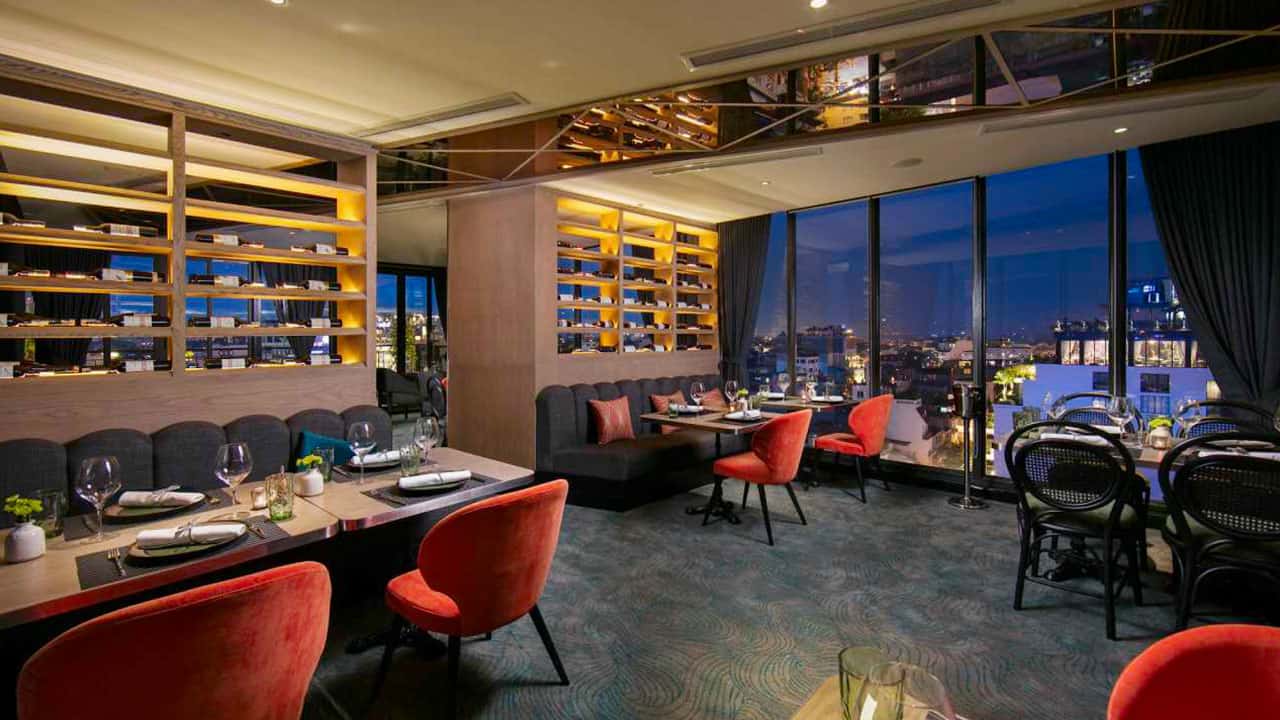
Dubbed the top 1 view of the Old Quarter, Comet Restaurant will definitely not disappoint anyone when it has a beautiful 360-degree Panorama view on the 11th floor, overlooking the center of Hanoi, Hoan Kiem lake, Chuong Duong bridge. Especially, with a space decorated with modern Western decor but equally cozy and romantic, Comet Restaurant is an ideal place for couples to date and warm up their feelings.

The food menu also makes a great impression by the perfect combination of Vietnamese and foreign cuisine, mixed with a variety of suitable wines and drinks. The restaurant has a capacity of 52 seats, serving from international standard breakfast buffet to professional a la carte lunch and dinner.

After dinner, diners can also add some alcohol and watch the magical Hanoi to fully enjoy the passionate, sweet and romantic taste of the date. The private space, dedicated and attentive service of the staff are also a plus point for the restaurant.

Hoang Cuisine

Hoang Cuisine
Hoang Cuisine

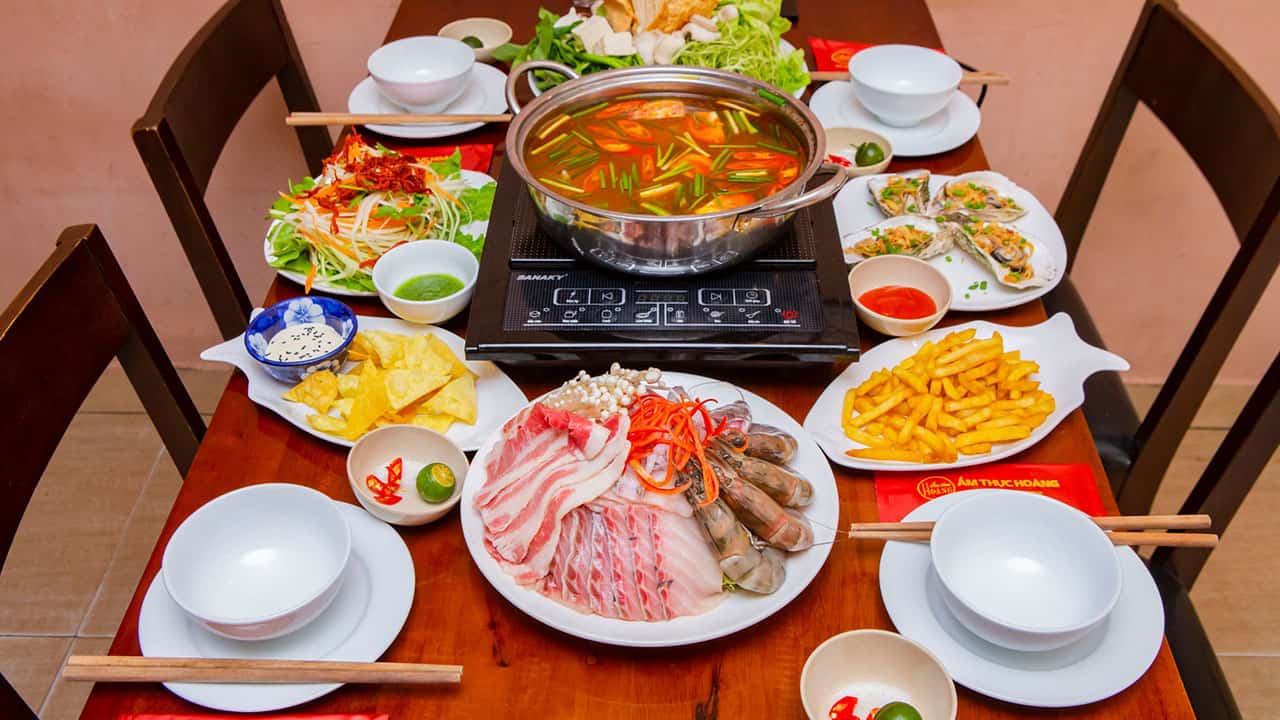
No need to go to Van Don, you can still enjoy the full taste of Van Don fresh seafood right at Hoang Cuisine. Seafood at Hoang Cuisine is selected and imported directly at Van Don beach, Quang Ninh, ensuring freshness and quality to bring diners complete and nutritious meals.

Located in Hanoi’s Old Quarter, Hoang Cuisine owns a cozy and lovely 2-storey space, suitable for intimate meetings with friends, colleagues, and dining with family. If you can’t come to dine in person at the restaurant, Hoang Cuisine has a delivery service.

Hong Hoai’s Restaurant

Hong Hoai's Restaurant
Hong Hoai’s Restaurant

Cha and Xeo cake are two famous and cheap dishes that are loved by many customers when coming to Hong Hoai’s Restaurant. This is also a restaurant with an address right in the center of Hanoi city with familiar dishes close, not too luxurious for any visitor. The space is quite small and not too spacious, but in return everything is extremely stable from the waitstaff to the menu.

The Rhythms Restaurant

The Rhythms Restaurant

The Rhythms Restaurant is the place to enjoy the most luxurious and classy Vietnamese cuisine in the Old Quarter with a prime location overlooking Hoan Kiem Lake. Lost in this place, you will be completely overwhelmed from the space to the food. All are delicate and meticulous to bring a wonderful culinary experience to each diner.

As one of the rare restaurants located in the pedestrian street area, the center of the city with a panoramic view of Hoan Kiem Lake, The Rhythms Restaurant puts on a luxurious neoclassical architecture with luxurious facilities. refined to every detail. Each design corner here helps to elevate the quintessence of Asian and American cuisine in a luxurious fine-dining space and high-class service.

Hanoi Food Culture

Hanoi Food Culture
Hanoi Food Culture

Hanoi Food Culture is a romantic restaurant with ancient style that brings people back to Hanoi many years ago. Contrary to the hustle and bustle outside the door, inside the restaurant is a romantic, classic world full of peace.

The restaurant is designed with bold Eastern architecture space. The main highlight is the warm deep wood brown color, combined with the yellowish white chandelier and the artful wall paintings.

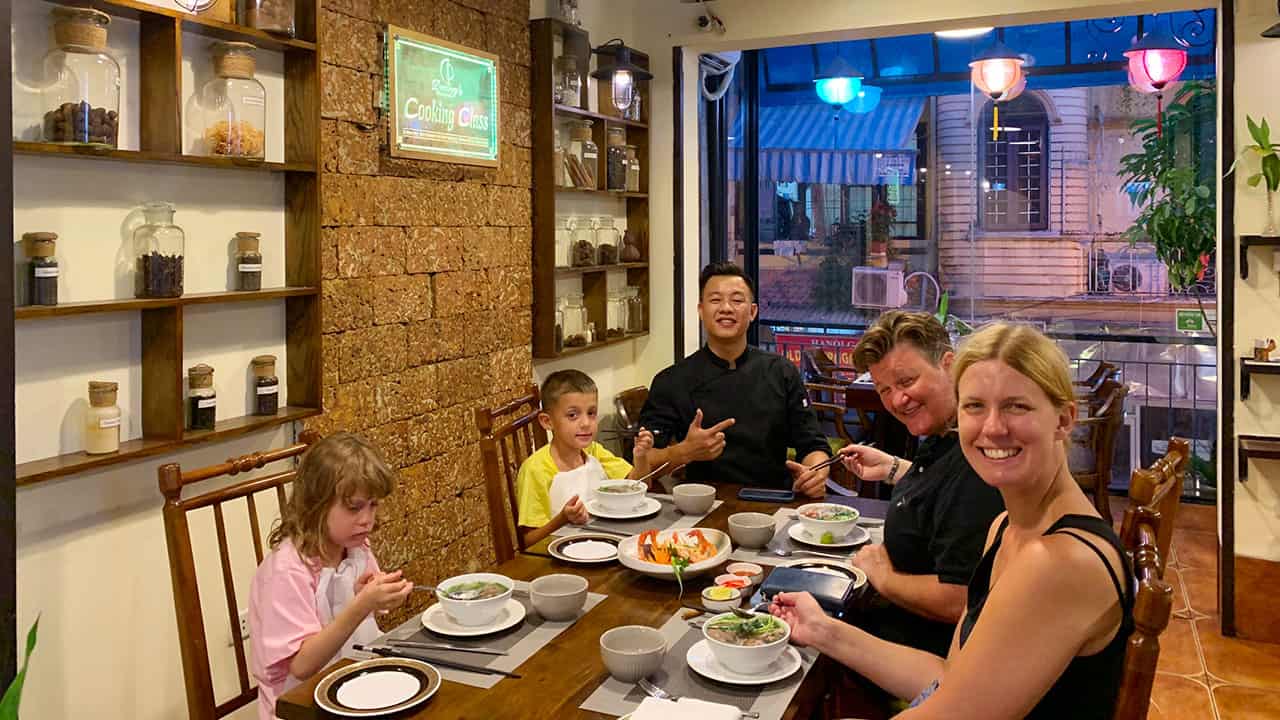
Hoang’s Restaurant & Cooking Class

Hoang's Restaurant & Cooking Class
Hoang’s Restaurant & Cooking Class

Entering the restaurant, you will be overwhelmed by the modern, warm space with the main brown color and shimmering yellow light system. Adding to the landscape is the appearance of green potted plants. Hoang’s Restaurant & Cooking Class is truly a romantic Hanoi restaurant ideal for couples to date.

The restaurant’s menu offers diners exquisite culinary choices. To ensure the quality of each dish, the restaurant is very picky in the selection of ingredients. Until it passed through the hands of talented chefs, dishes full of Asian and Western flavors were born, knocking the taste buds of any guest.

Era Restaurant

Era Restaurant
Era Restaurant

Starting as a restaurant in the old town, Bo Nuong Era has made bold changes when pursuing the Vietnamese culinary model – specializing in serving grilled beef, chicken dishes and hot pot. This change is to adapt to the Covid-19 epidemic as well as to the culinary tastes of Vietnamese diners.

Despite the innovation in the operation model, the meticulousness and enthusiasm of the talented chefs in Era has not changed, which is still clearly reflected in each dish. That is reflected in the selection of fresh ingredients every day. Dishes are prepared in a variety of ways, rich in flavor and suitable for diners’ taste.

Red Bean Ma May

Red Bean Classic Restaurant

Red Bean Classic Restaurant is located on Ma May Street, Hoan Kiem. One of the most famous streets that no connoisseur does not know. Offering a diverse menu of attractive dishes, an impressive interference between the two cuisines of Asia – Europe, Red Bean Restaurant – Ma May is one of the ideal destinations in the culinary discovery journey. European elegance and sophistication, or reminiscent of both familiar and strange flavors in Asian flavors.

The modern and extremely impressive design, mixed with traditional and Asian features in the restaurant space, creates emotions that are hard to describe, an attraction that is hard to refuse for any restaurant. guests who have ever set foot here. A great combination of Asian and European culinary culture, between tradition and modernity with dedicated and professional service style, family gatherings or meeting friends.

Starlight Skybar

Starlight Skybar
Starlight Skybar

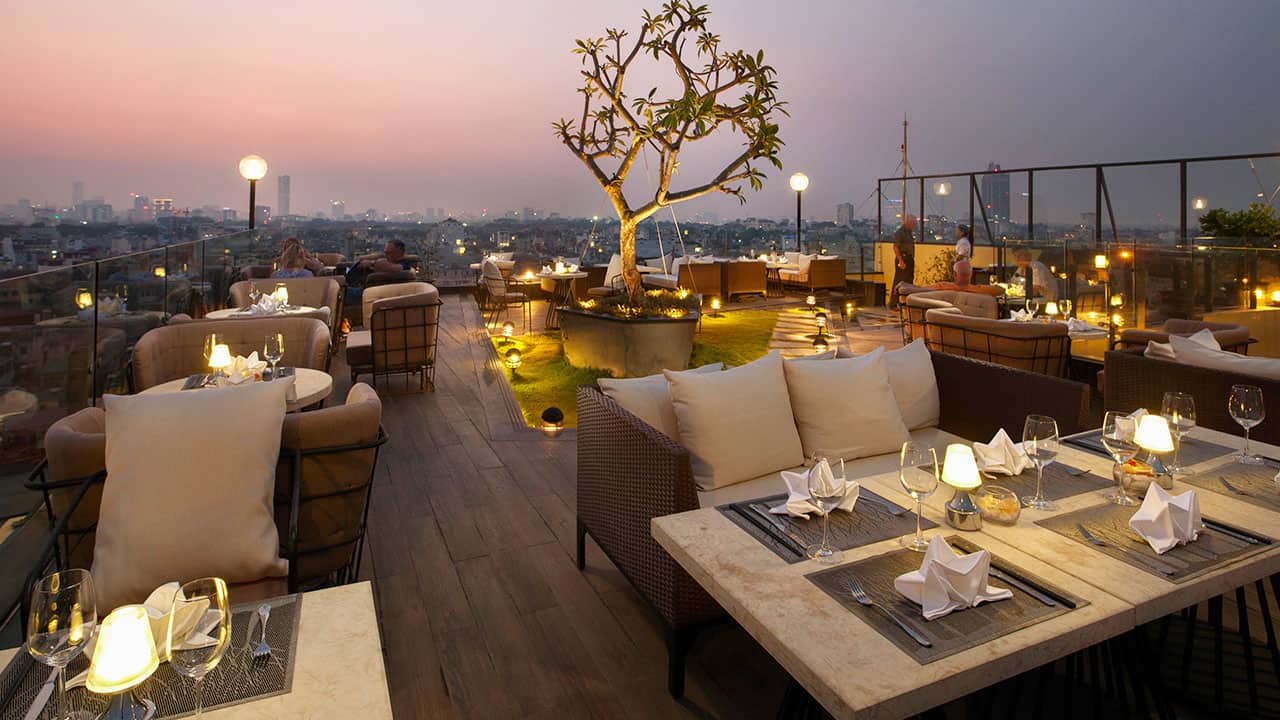
Starlight Skybar appears as a unique and enchanting outdoor Cocktail bar with a capacity of up to 80 guests hidden on the rooftop. With a panoramic view of the city, Starlight Skybar promises to be an unmissable sunset hunting spot right in the heart of Hanoi.

Cloud Nine Restaurant

Cloud Nine Restaurant

Cloud Nine restaurant owns a dreamy space with luxurious and sophisticated u-style lines. Right in the middle of the bustling old town, Cloud Nine not only creates a quiet and classy space from the inside, it also opens up an impressive view covering the beautiful and lively scenery of the city. With a total capacity of 80 guests, and a balcony area of about 10 guests, Cloud Nine is an ideal rendezvous that should not be missed for meetings, receptions or intimate meals with friends and relatives.

In addition to high-class experiences from space, diners coming to Cloud Nine will step into a unique culinary journey from Asia to Europe. You will encounter the familiar flavors of beef noodle soup, bamboo noodle soup. Then feel the creative appeal of Asian cuisine and finally stop by delicious European dishes.

Characteristics of restaurants in Hanoi Old Quarter

Hanoi Old Quarter is known for its vibrant culinary scene, with restaurants offering a unique blend of traditional Vietnamese cuisine and international flavors. Here are some characteristics you might find in restaurants in Hanoi Old Quarter:

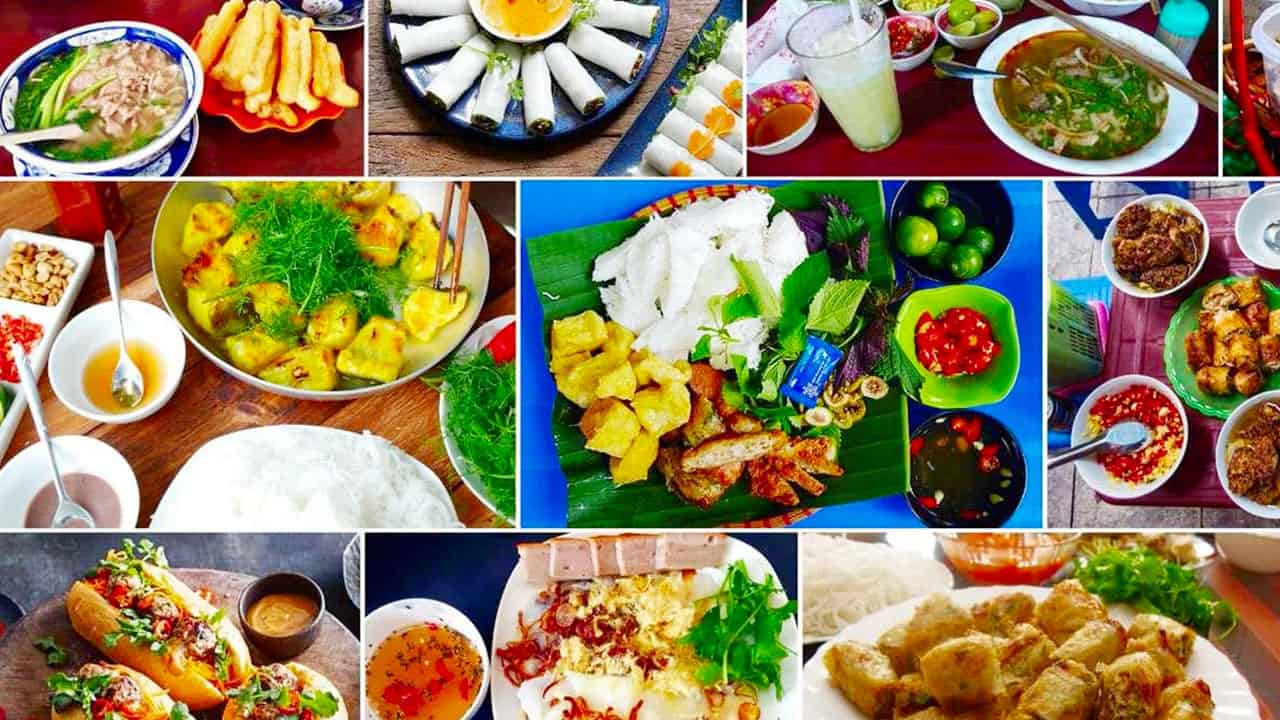
  • Traditional Vietnamese Cuisine: Many restaurants in the Old Quarter specialize in authentic Vietnamese dishes like pho (noodle soup), bun cha (grilled pork with noodles), banh mi (Vietnamese sandwich), and fresh spring rolls.
  • Street Food Vendors: The Old Quarter is famous for its bustling street food scene. Some restaurants mimic the street food Hanoi experience, offering small, casual settings with a focus on quick, delicious bites.
  • Quaint and Cozy Settings: Some restaurants are set in charming colonial-style buildings with narrow entrances but expansive interiors. Others might have cozy setups with low tables and cushions on the floor, providing a more intimate dining experience.
  • Cultural Ambiance: Many eateries in this area might exude a traditional Vietnamese ambiance, adorned with lanterns, wooden furniture, and artwork reflecting local culture and history.
  • Diverse Options: Beyond Vietnamese cuisine, there are restaurants offering international fare, including French, Italian, and fusion cuisines. These cater to both locals and tourists seeking varied dining experiences.
  • Busy and Lively Atmosphere: The Old Quarter is always bustling with activity, and its restaurants reflect this energy. You might find crowded eateries filled with locals and tourists alike, especially during peak dining hours.
  • Family-Run Establishments: Some of the best culinary experiences come from family-run restaurants that have been passed down through generations. These places often offer authentic recipes and a warm, hospitable atmosphere.
  • Budget-Friendly Choices: While there are high-end dining options, many restaurants in the Old Quarter cater to budget-conscious diners without compromising on taste or quality.
  • Hidden Gems: Some of the best eateries might not have flashy exteriors. Exploring the narrow alleys and side streets can lead to discovering hidden gems offering incredible food.
  • Adventurous Menus: Some restaurants might offer unique dishes or experimental twists on traditional Vietnamese cuisine, appealing to those looking for a more adventurous dining experience.

Remember, while these are common characteristics, each restaurant in Hanoi Old Quarter has its own charm and specialties, making exploring the area’s culinary scene a delightful adventure.

Conclusion: A Culinary Adventure in Hanoi Old Quarter

Hanoi Old Quarter is not only a beautiful tourist destination but also a food lover’s paradise. From upscale restaurants to street food stalls, there is something for everyone near this iconic lake in Hanoi. We hope this article has given you some insight into the best restaurants in Hanoi Old Quarter and inspired you to embark on a culinary adventure during your visit to Hanoi. So, what are you waiting for? Grab your chopsticks and get ready to indulge in some delicious Vietnamese cuisine!
La Vong Fried Fish: A Culinary Delight from Hanoi

La Vong fried fish

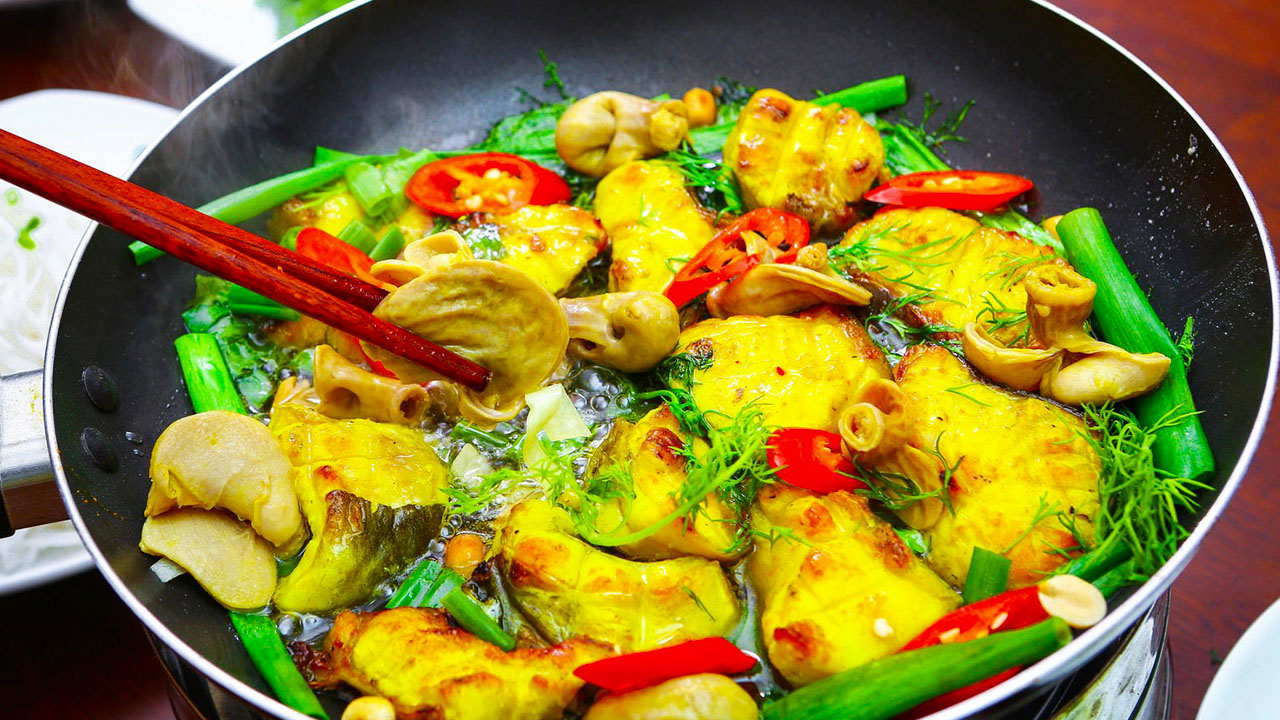
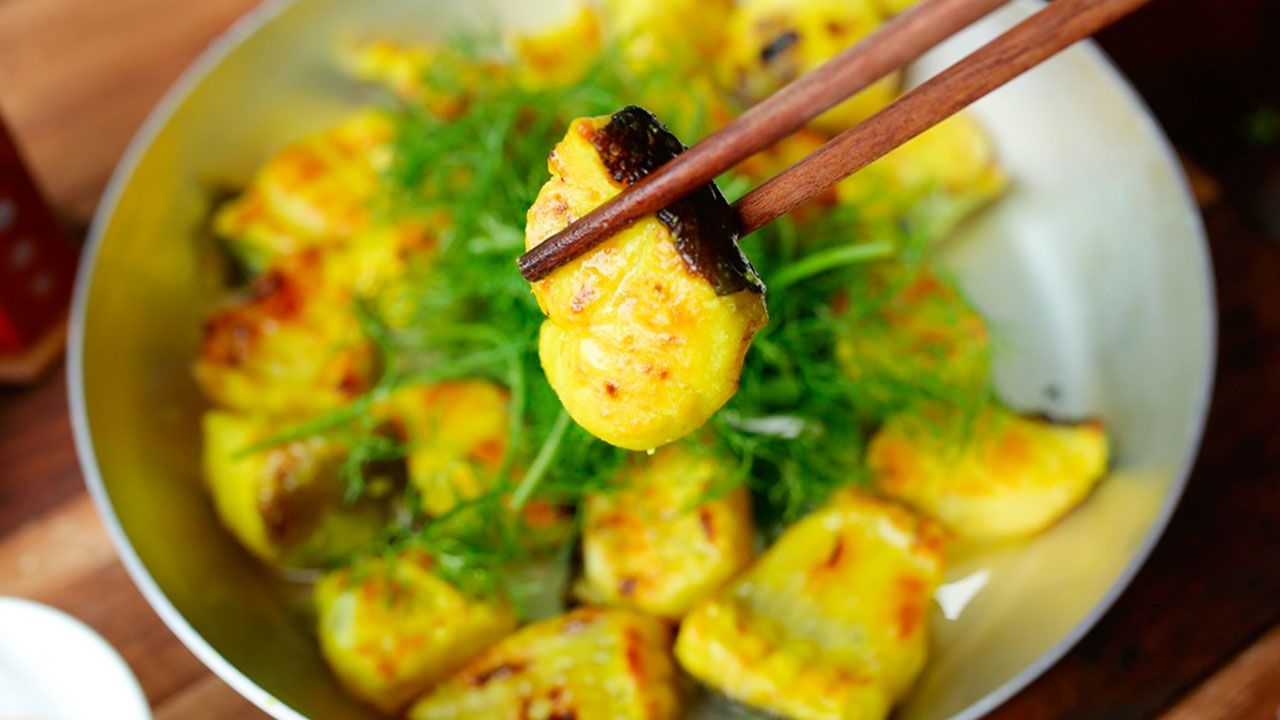
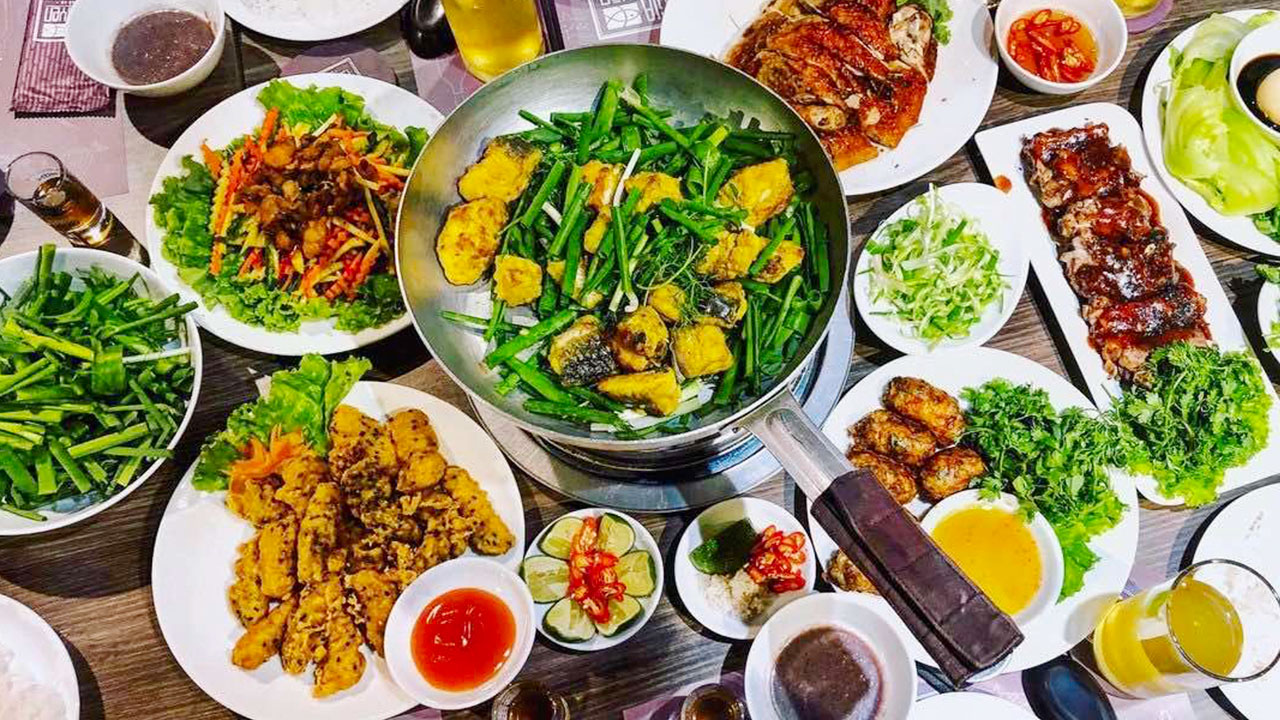
La Vong fried fish, also known as Cha ca La Vong, is a Vietnamese grilled fish dish that originated in Hanoi. The dish is traditionally made with hemibagrus, a type of catfish, which is cut into pieces and marinated in a turmeric-based sauce. This sauce typically includes ingredients such as shrimp paste or fish sauce, ginger, and chili peppers. Cha ca La Vong is a popular and iconic dish in Hanoi, and it is often served with rice noodles, peanuts, fresh dill, and a fermented shrimp dipping sauce. In this article, we will explore the origins, ingredients, cooking methods, variations, and tips for making Cha Ca La Vong.

La Vong fried fish
La Vong fried fish

1. The Origins of La Vong Fried Fish

La Vong fried fish Hanoi is a traditional dish that originated in Hanoi, the capital city of Vietnam. It was created by the Doan family, who owned a restaurant called Cha Ca La Vong in the Old Quarter of Hanoi. The dish became so popular that it became synonymous with the restaurant and its unique flavors.

The Doan family used to catch hemibagrus, a type of catfish, from the Red River in Hanoi. They would then cut the fish into pieces and marinate them in a flavorful turmeric-based sauce before grilling them to perfection. The dish quickly gained popularity among the locals and became a must-try delicacy for visitors to Hanoi.

2. Ingredients Used in La Vong Fried Fish

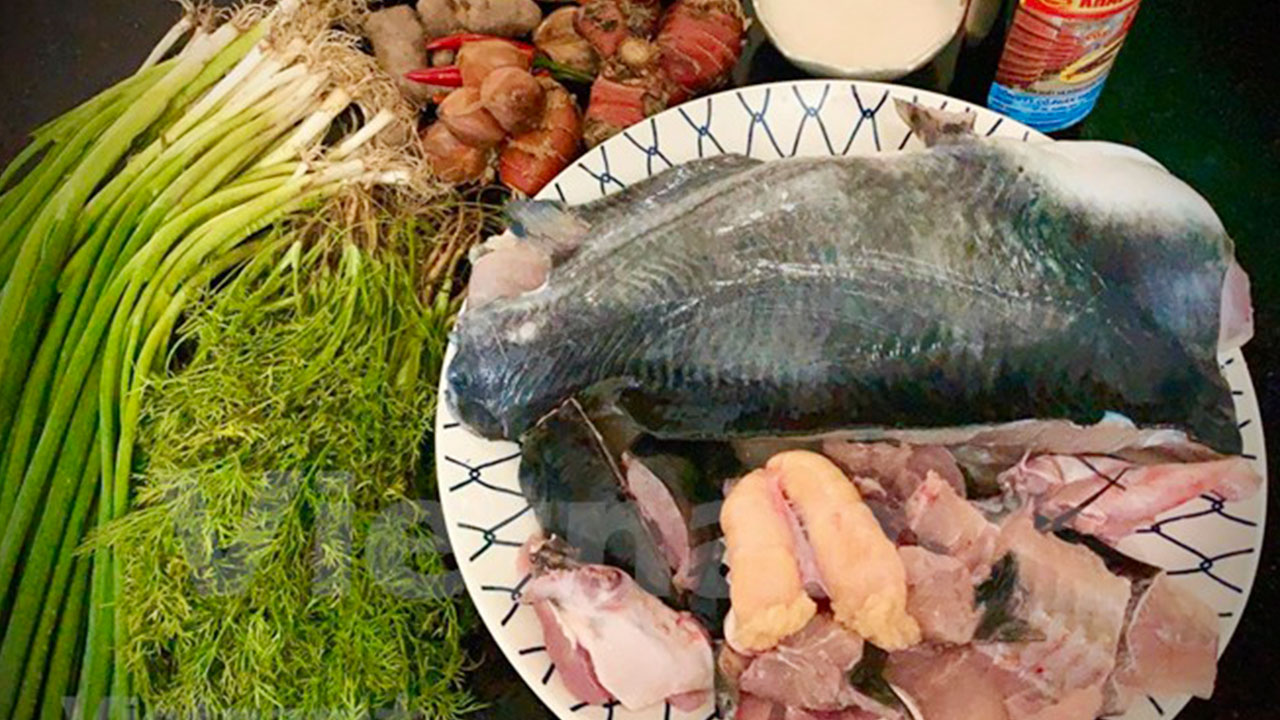
La Vong fried fish ingredients

To make La Vong fried fish, you will need the following ingredients:

  • Hemibagrus (catfish) or any firm white fish like tilapia, cod, swai, or halibut
  • Turmeric powder
  • Shrimp paste or fish sauce
  • Ginger
  • Chili peppers
  • Rice noodles
  • Peanuts
  • Fresh dill
  • Fermented shrimp dipping sauce

The combination of these ingredients gives Cha Ca La Vong  its distinct flavor and aroma. Turmeric powder provides the dish with its vibrant yellow color and adds a subtle earthy taste. Shrimp paste or fish sauce adds a savory umami flavor, while ginger and chili peppers provide a hint of heat and spice.

3. Cooking Methods for La Vong Fried Fish

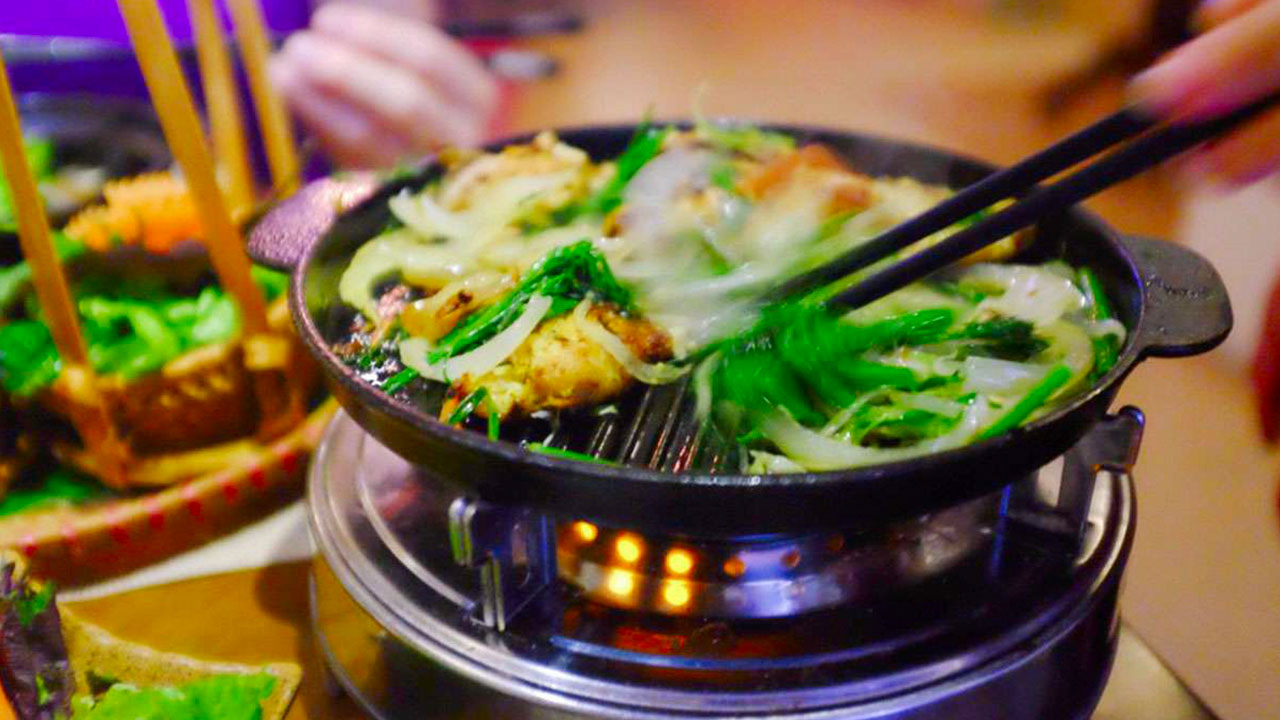
Cooking methods for La Vong fried fish

Traditionally, La Vong fried fish is cooked by grilling or searing the marinated fish on a pan. The fish is first marinated in the turmeric-based sauce for at least 30 minutes to allow the flavors to penetrate the flesh. After marination, the fish is cooked over an open flame or on a hot pan until it is cooked through and slightly charred.

Alternatively, if you don’t have access to a grill or prefer a healthier cooking method, you can bake the fish in the oven at 400°F (200°C) for approximately 15-20 minutes until it is cooked and flakes easily with a fork.

4. Serving Suggestions for Cha Ca La Vong

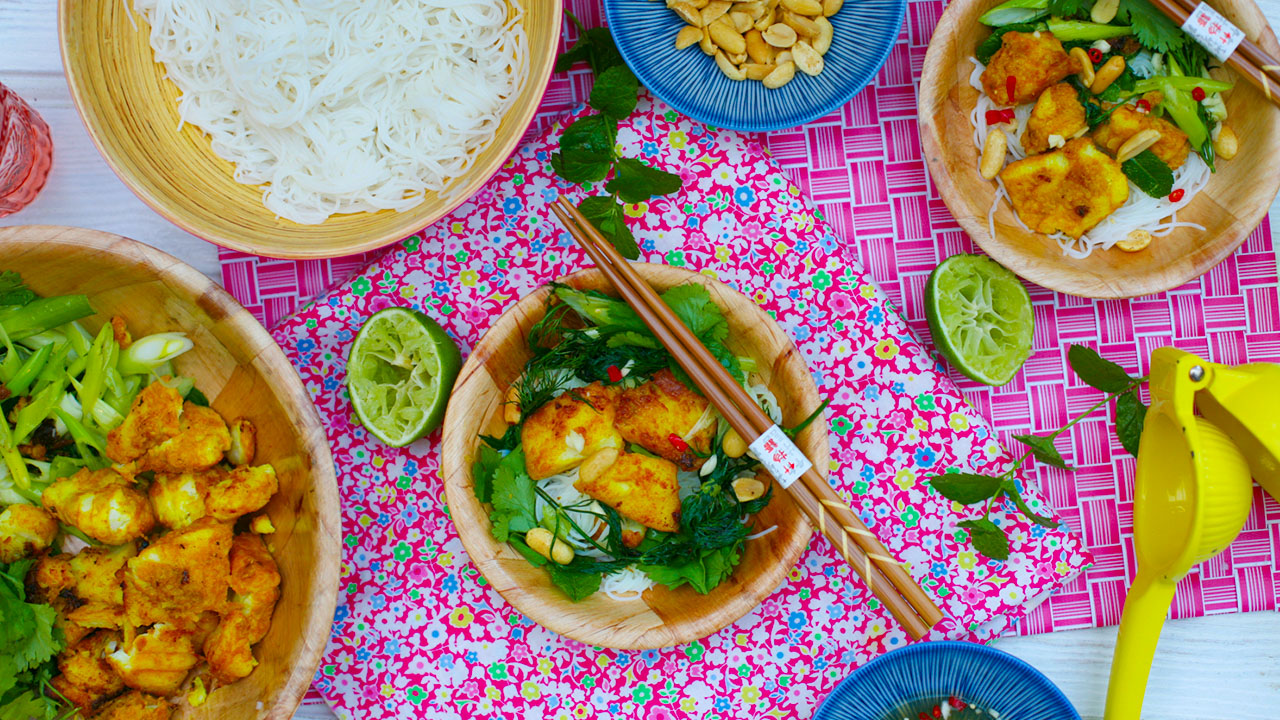
La Vong fried fish serving

Cha Ca La Vong is traditionally served with rice noodles, peanuts, fresh dill, and a fermented shrimp dipping sauce. To serve this delicious dish, follow these steps:

  1. Cook the rice noodles according to the package instructions. Drain and set aside.
  2. Arrange the cooked rice noodles in individual bowls.
  3. Place the grilled fish on top of the rice noodles.
  4. Sprinkle the dish with crushed peanuts and fresh dill for added crunch and freshness.
  5. Serve the fermented shrimp dipping sauce on the side for an extra burst of flavor.

The combination of the tender fish, fragrant rice noodles, crunchy peanuts, and aromatic dill creates a harmonious balance of flavors and textures that will leave your taste buds longing for more.

5. Variations of La Vong Fried Fish Hanoi

La Vong fried fish variations

While the traditional recipe for La Vong fried fish Hanoi remains a favorite among Vietnamese cuisine enthusiasts, there are variations of the dish that offer a modern twist. Here are some creative variations you can try:

  1. Using different types of fish: If you’re unable to find catfish or hemibagrus, you can use any firm white fish like tilapia, cod, swai, or halibut as a substitute. The key is to choose a fish with a mild flavor and a firm texture that can hold its shape when fried or grilled.
  2. Changing the cooking method: Instead of grilling or searing the fish, you can try baking it in the oven or even frying it for a crispy texture. These alternative cooking methods can add a unique twist to the dish while still maintaining its delicious flavors.
  3. Adding vegetables: To make the dish more nutritious and flavorful, you can add a variety of vegetables such as bell peppers, onions, or mushrooms. These additions will enhance the overall taste and appearance of the dish.
  4. Experimenting with marinades: While the traditional turmeric-based marinade is delicious, you can also experiment with other flavors. For example, you can try a lemongrass and lime marinade or a garlic and soy sauce marinade to give the dish a different flavor profile.

By exploring these variations, you can create your own signature version of La Vong fried fish that suits your taste preferences and dietary needs.

6. Tips for Making Perfect La Vong Fried Fish


La Vong fried fish making tips

To ensure that your La Vong fried fish Hanoi turns out perfect every time, here are some helpful tips:

  1. Choose fresh fish: Opt for fresh, high-quality fish to enhance the taste and texture of the dish. Look for firm flesh and a mild aroma when selecting your fish.
  2. Marinate the fish for longer: For a more intense flavor, marinate the fish for at least an hour or overnight in the refrigerator. This will allow the marinade to infuse into the fish, resulting in a more flavorful final product.
  3. Use a hot pan or grill: Make sure your pan or grill is heated to a high temperature before adding the fish. This will ensure that the fish cooks evenly and develops a delicious charred crust.
  4. Don’t overcook the fish: Fish cooks quickly, so be careful not to overcook it. Overcooked fish can become dry and tough. Cook until the fish is opaque and flakes easily with a fork.
  5. Serve immediately: La Vong fried fish is best enjoyed when served immediately after cooking. This ensures that the fish remains tender and flavorful.

By following these tips, you can elevate your La Vong fried fish to the next level and impress your friends and family with your culinary skills.

7. Frequently Asked Questions (FAQs)

Q: What is the best fish to use for Cha Ca La Vong? A: The traditional fish used for La Vong fried fish is hemibagrus or catfish. However, you can also use any firm white fish like tilapia, cod, swai, or halibut as a substitute.

Q: Is La Vong fried fish spicy? A: The level of spiciness in La Vong fried fish can be adjusted according to personal preference. The dish typically includes chili peppers, but you can reduce the amount or omit them if you prefer a milder taste.

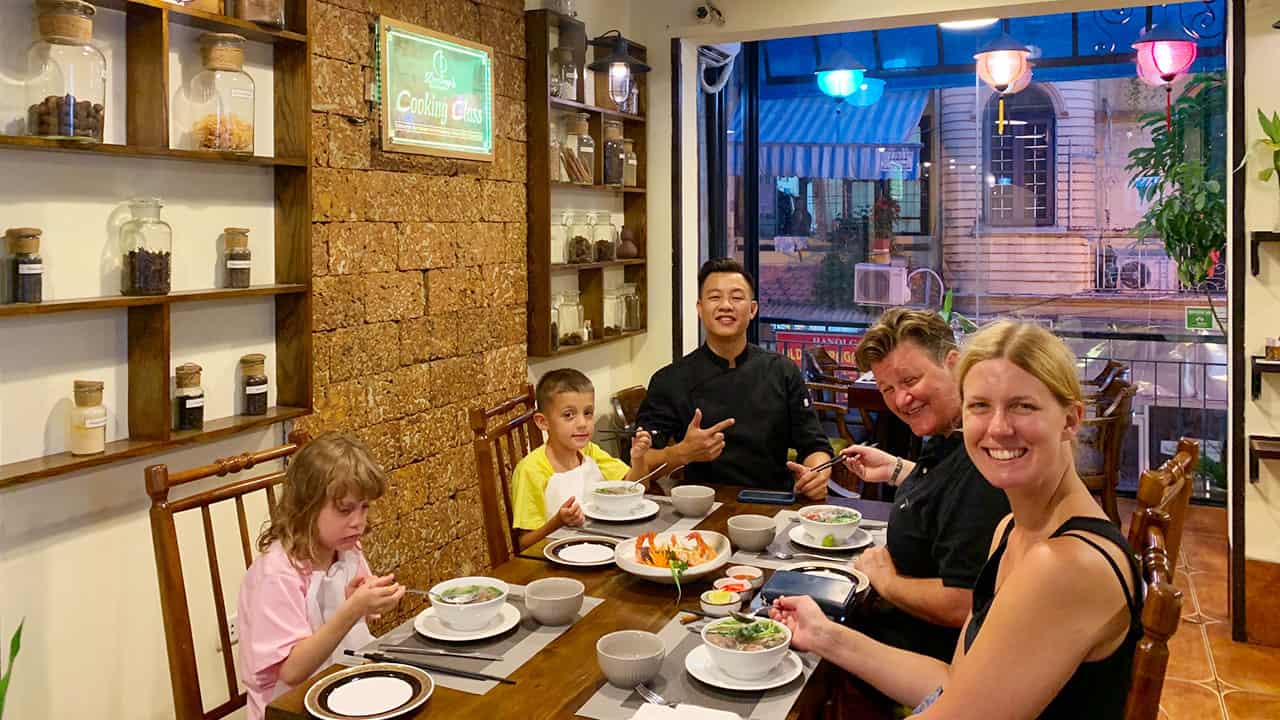
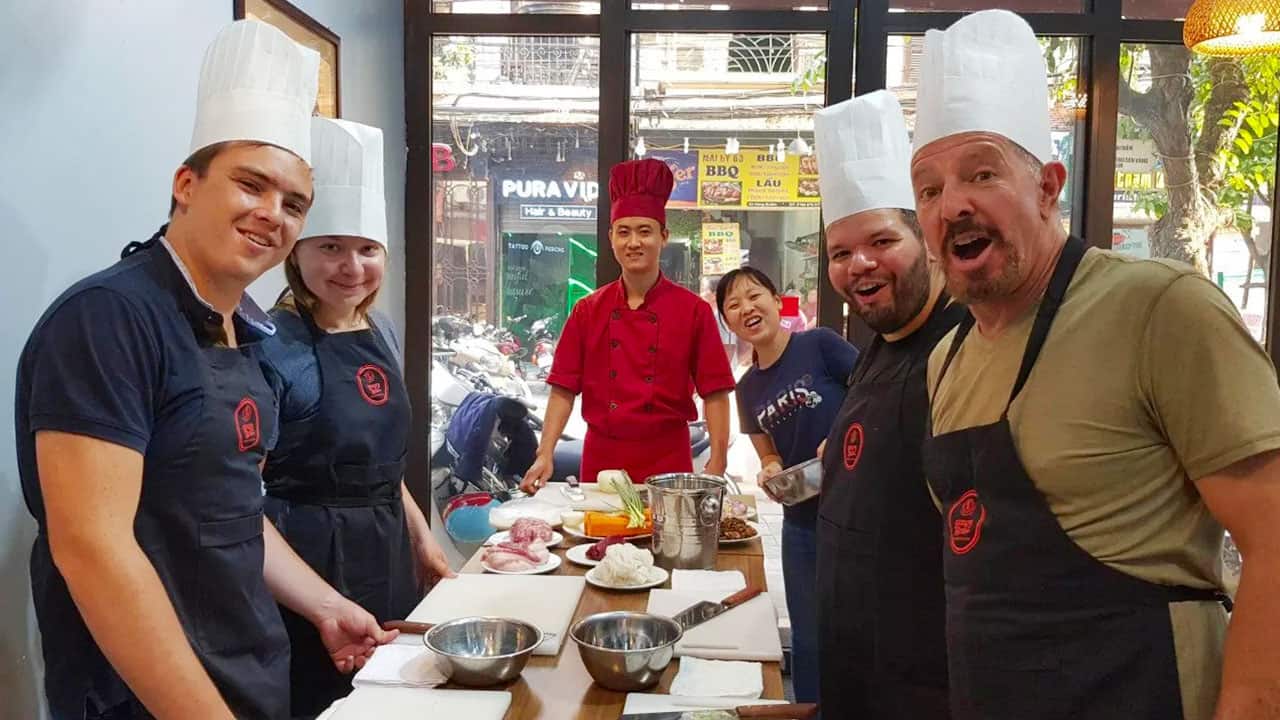
Q: Where can I learn to cook La Vong fish cake? At Duong’s 2 Restaurant, you can join a cooking class to learn how to cook and enjoy this dish.

Q: Can I make Cha Ca La Vong  without shrimp paste or fish sauce? A: Shrimp paste or fish sauce is an essential ingredient in the traditional recipe, as it adds a distinct umami flavor. However, if you have dietary restrictions or allergies, you can omit these ingredients and still enjoy a delicious version of the dish.

Q: Can I freeze leftover Cha Ca La Vong? A: It is not recommended to freeze leftover La Vong fried fish, as the texture and taste may be affected. It is best to consume the dish immediately after cooking for the best culinary experience.

Q: Can I serve La Vong fried fish with other side dishes? A: While La Vong fried fish is traditionally served with rice noodles, peanuts, fresh dill, and a fermented shrimp dipping sauce, you can certainly experiment with different side dishes to complement the flavors of the fish. For example, a fresh salad or stir-fried vegetables can be a refreshing addition to the meal.

Q: Can I make La Vong fried fish gluten-free? A: Yes, you can make La Vong fried fish gluten-free by using gluten-free fish sauce or omitting the fish sauce altogether. Ensure that all other ingredients are free from gluten contamination.

8. Conclusion

La Vong fried fish, also known as Cha ca La Vong, is a delicious and flavorful Vietnamese dish that showcases the use of turmeric and other aromatic ingredients. Its origins in Hanoi and the traditional cooking methods make it a unique and iconic dish. Whether you choose to stick to the traditional recipe or experiment with variations, La Vong fried fish is a must-try for those exploring Vietnamese cuisine, particularly if they visit Hanoi. So, gather your ingredients, fire up the grill or heat up the pan, and embark on a culinary journey to savor the delights of La Vong fried fish!

What to eat in Hanoi Old Quarter? Top 10 most delicious dishes you cannot miss

Hanoi cuisine is a pride of the Hanoi people. 

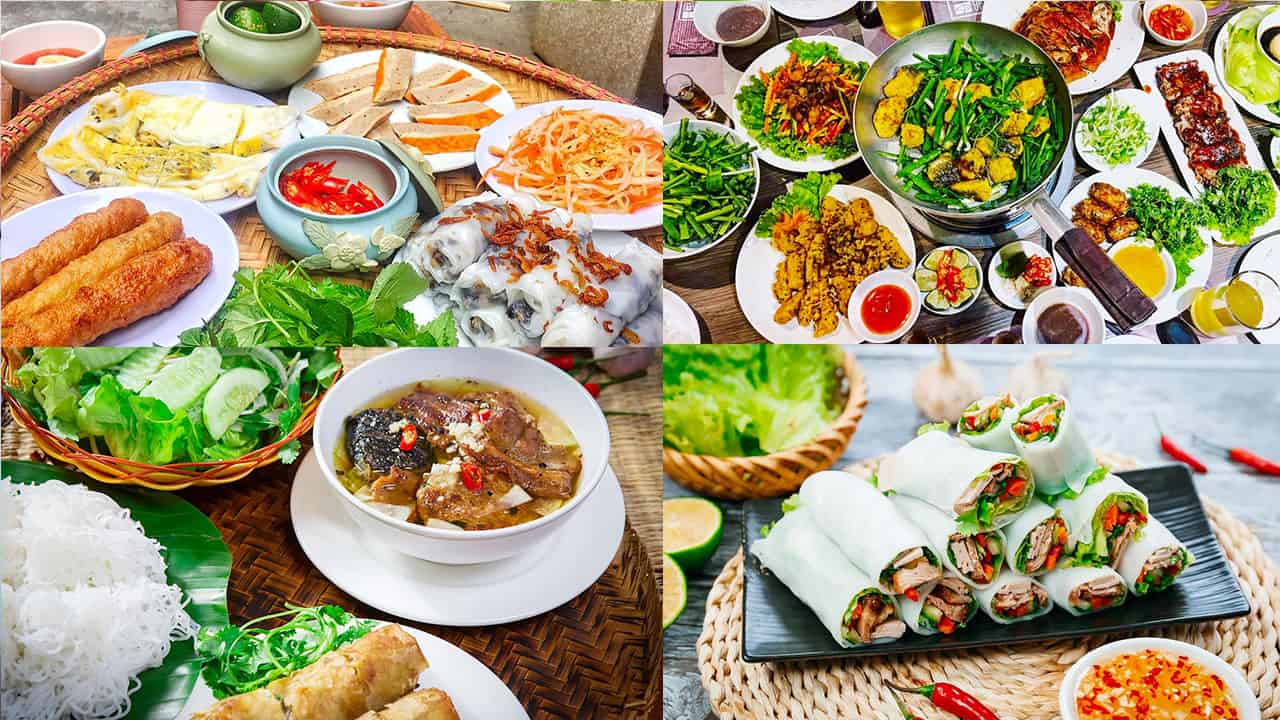
Hanoi street food is very diverse and has great appeal to most tourists coming here. Every dish is delicious, full of flavor, and awakens all 5 senses of diners. “What to eat in Hanoi?”, specifically what to eat in a day in the old quarter, must be a difficult question for you to answer because there are so many options. However, you should try the following culinary discovery journey in Hanoi’s Old Quarter with us.

What do you know about Hanoi cuisine?

Hanoi cuisine is a pride of the Hanoi people. Hanoians are famous for being elegant, and meticulous in the smallest details. And even in cuisine, Hanoians also show solemnity and sophistication. The food of this land can be said to have distinctive features in countless delicious dishes from all over the country.

What to eat in Hanoi?

The dishes of Hanoi are processed sophisticatedly and delicately, converging typical flavors. Through the skillful hands of the Hanoi people, Hanoi cuisine from simple dishes has been elevated to culture. Hanoi Old Quarter has long been famous for many specialties.

What to eat in Hanoi Old Quarter? Top 10 delicious dishes

If you do not know what delicious dishes and famous restaurants in Hanoi Old Quarter have, the following section is for you.
Phở Hà Nội (Hanoi noodle soup)

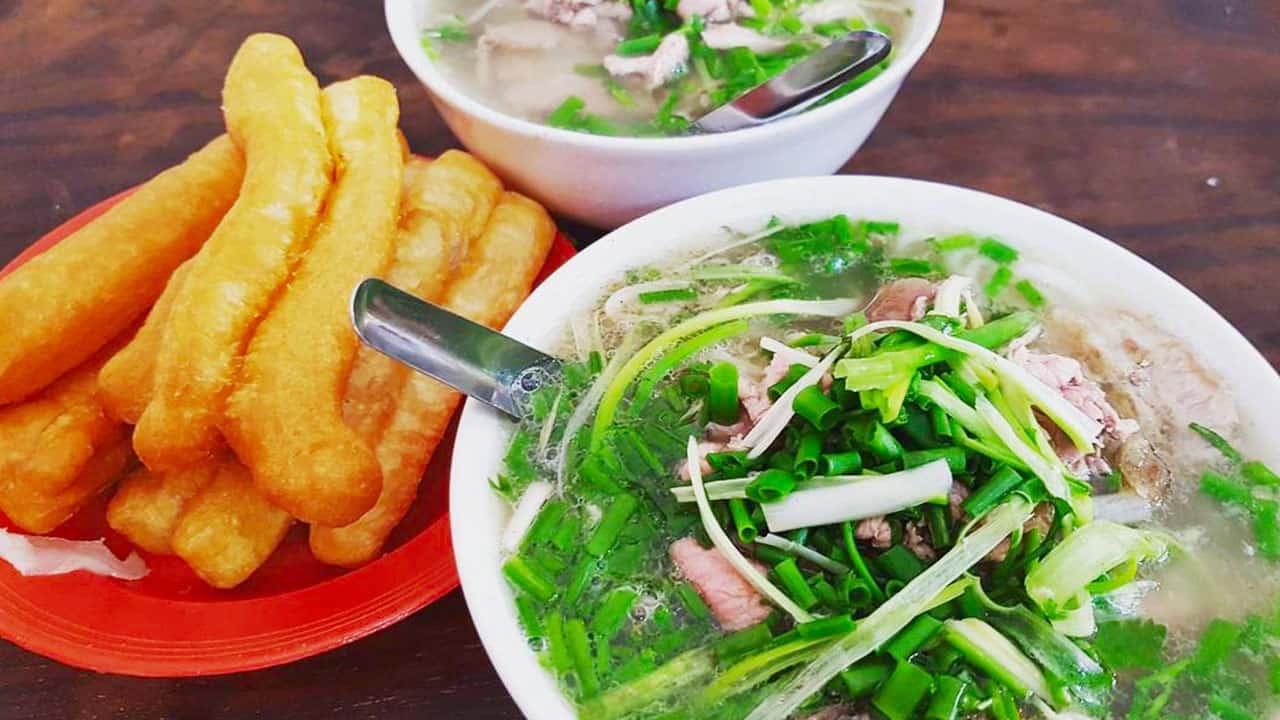
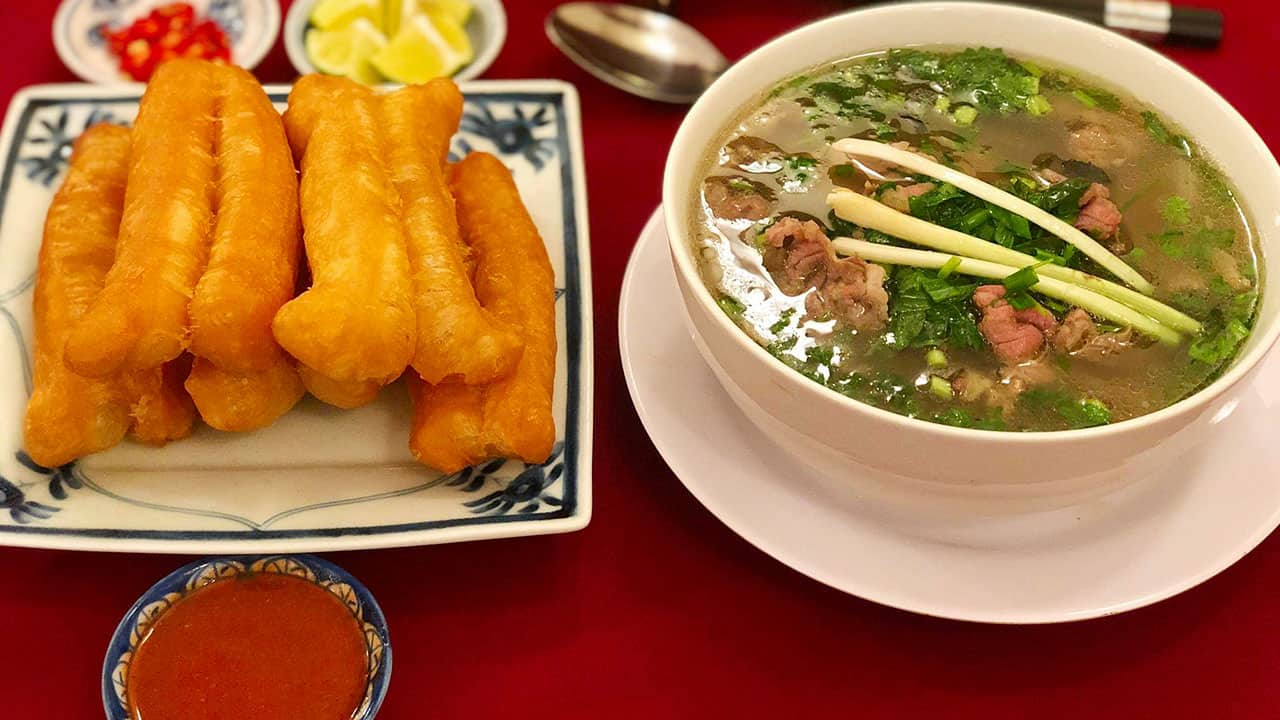
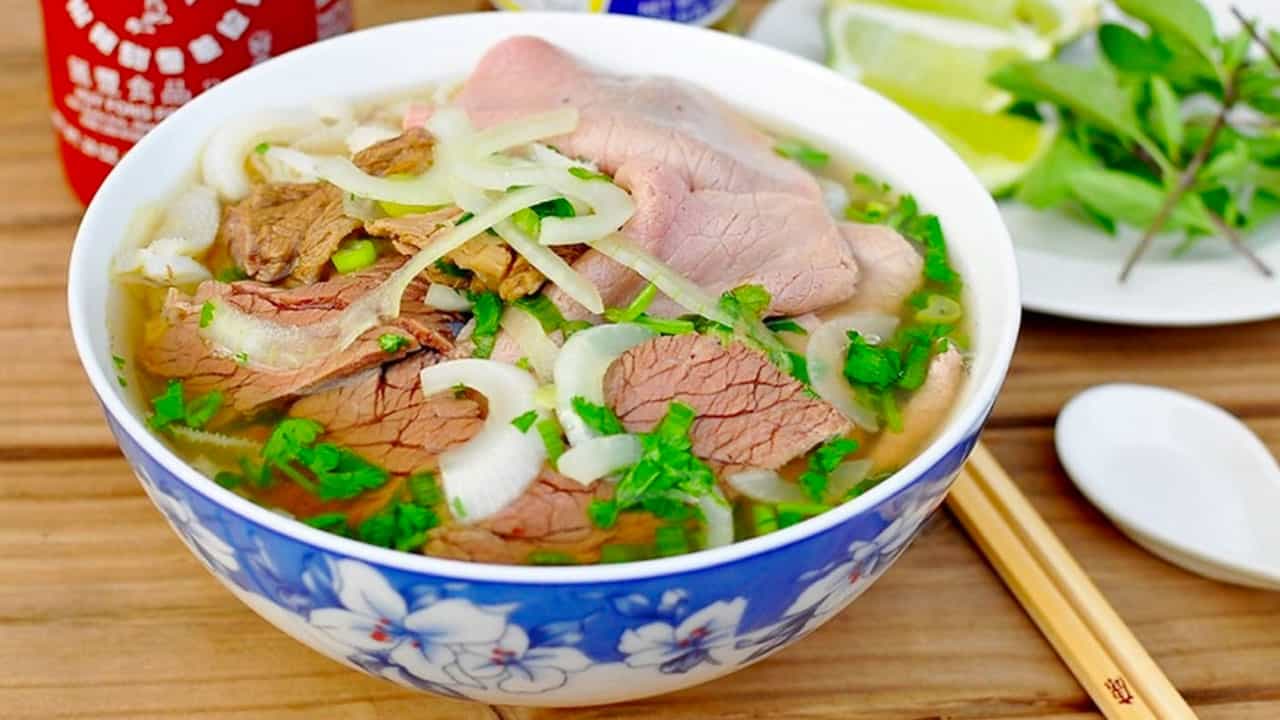
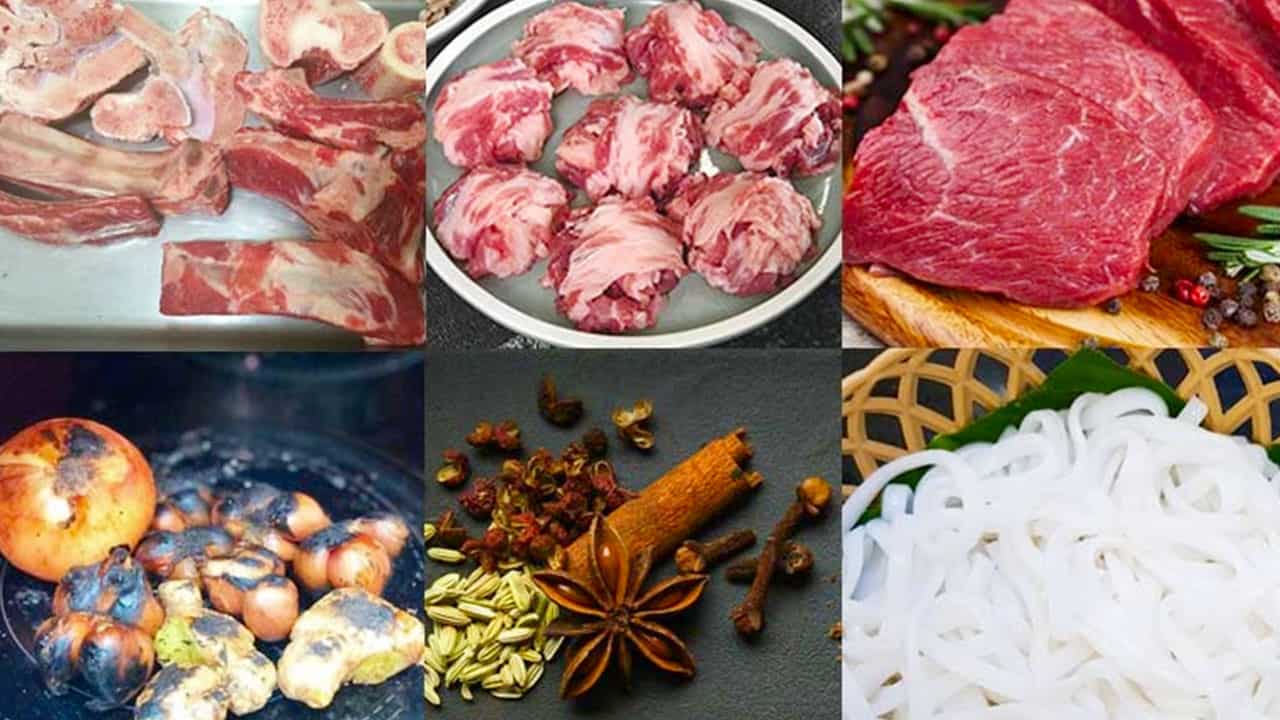
When it comes to delicious food in Hanoi’s Old Quarter, we must mention Pho. Pho Hanoi is considered one of the national dishes of Vietnam. A bowl of pho is elaborately processed with many steps. The broth is bone broth simmered for hours, and dried onions and ginger are grilled and pounded to add aroma to it. Anise, cinnamon, and complex spices are indispensable for this dish.

Pho Hanoi is considered one of the national dishes of Vietnam. 
Pho Hanoi is considered one of the national dishes of Vietnam.

A delicious bowl of Pho with white noodles, beef, tender cooked meat, scallions, and onions. The broth is clear and flavorful. You can serve this dish with a little vinegar, garlic, and chili sauce. The meats in Pho are beef, chicken, and pork.

You should try this dish at:

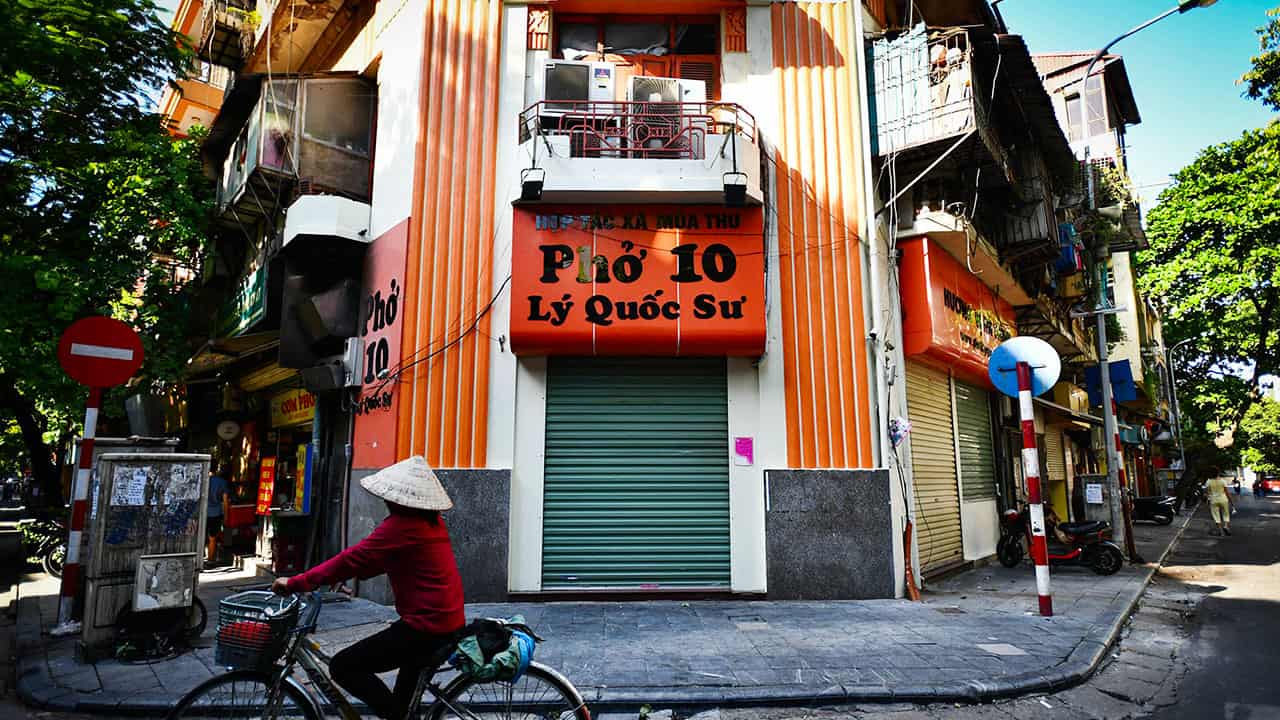
  • 10 Ly Quoc Su, Hoan Kiem, Hanoi
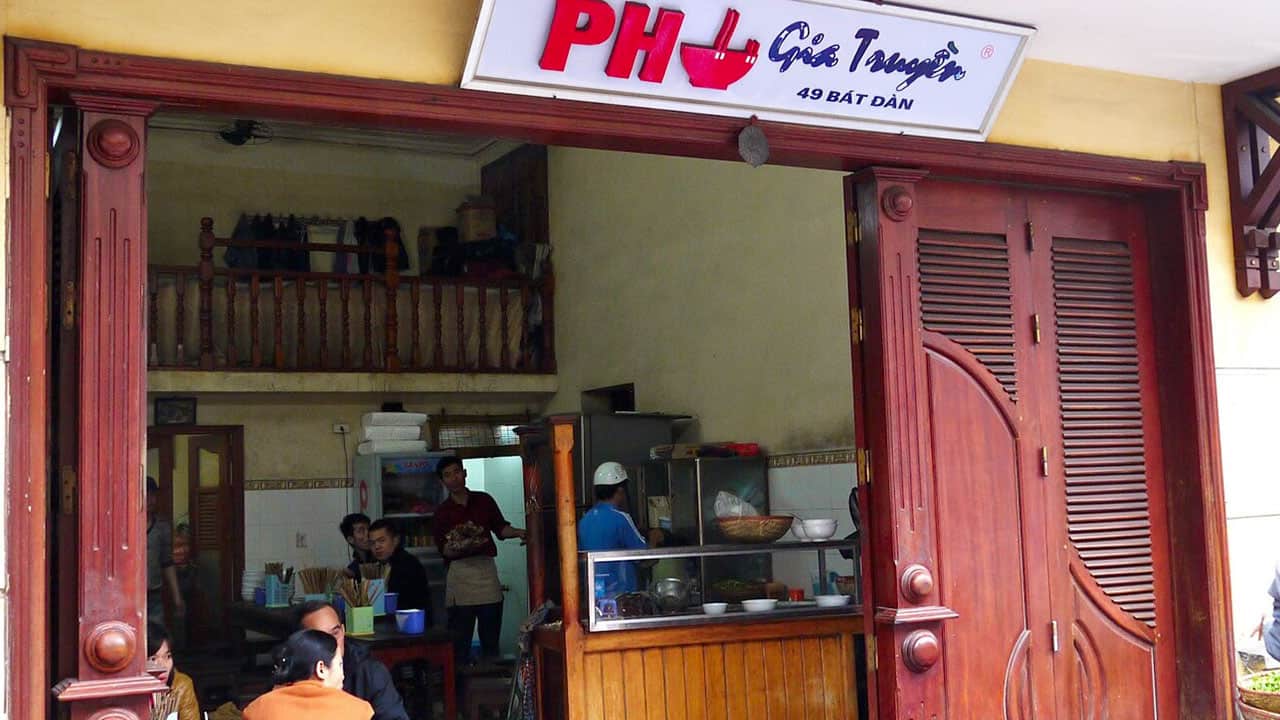
  • 49 Bat Dan, Hoan Kiem, Hanoi

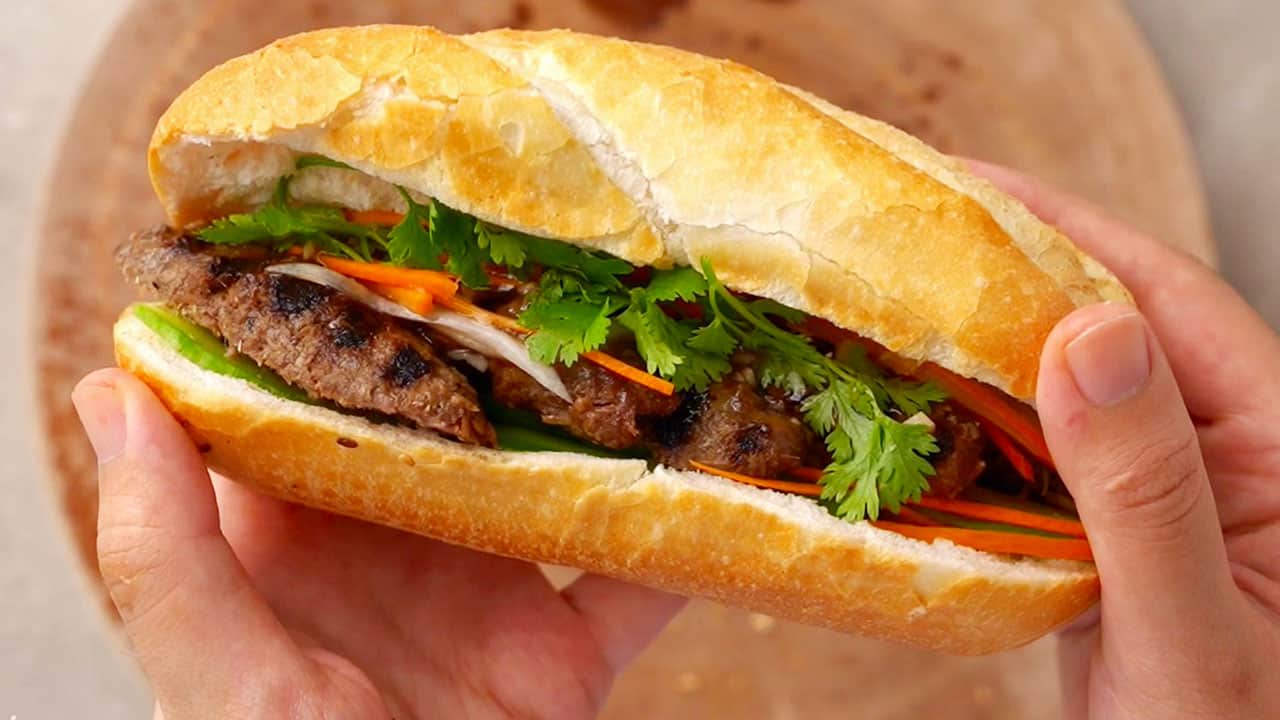
Bánh mì Hà Nội (Hanoi bread)

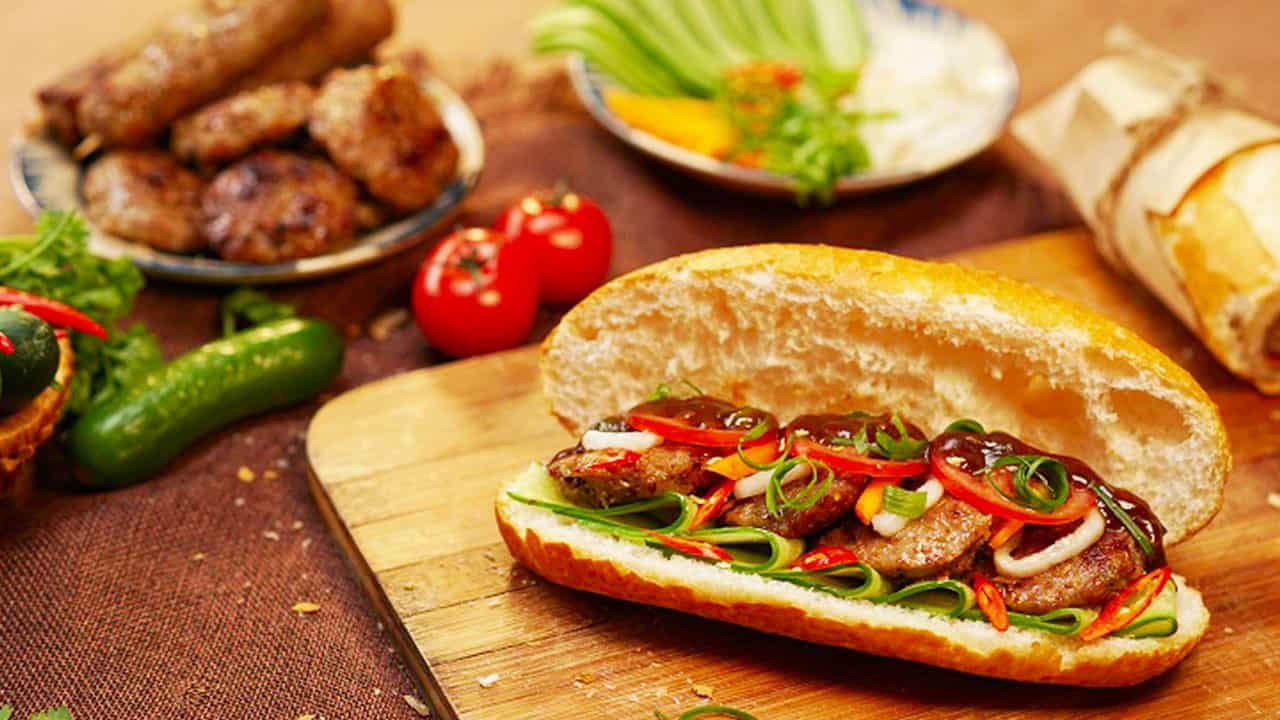
Banh Mi or bread is a dish that is so familiar to the people of Hanoi’s Old Quarter. Compact, easy to carry, delicious taste, and affordable price have made bread a favorite choice of many people. You can use it for breakfast, lunch, dinner, or a late-night snack.

Banh Mi or bread is a dish that is so familiar to the people of Hanoi's Old Quarter. 
Banh Mi or bread is a dish that is so familiar to the people of Hanoi’s Old Quarter.

Traditional bread of Hanoi’s Old Quarter will bring diners back to the taste of the old days of Vietnam. The bread consists of simple ingredients of butter, pate, pork, red sausage, and pork meatloaf, it is served with cucumber. Pate must have the aroma of pork liver, pepper, and dried onion. Its structure is very cohesive and not disjointed. Banh Mi is always preheated before being delivered to customers, with a crispy crust. You just need to take a bite to feel all the delicious flavors of each ingredient in harmony.

You should try this dish at:

  • Lan Ong Bread: 20 Cha Ca, Hoan Kiem District, Hanoi
  • Hien’s bread: 76 Hang Giay, Hoan Kiem district, Hanoi
  • Banh Mi 25 Hang Ca street, Hoan Kiem district, Hanoi
  • Ba Dan Bread: 34 Lo Su, Hoan Kiem District, Hanoi

Bún chả Hà Nội (Grilled pork and noodle)

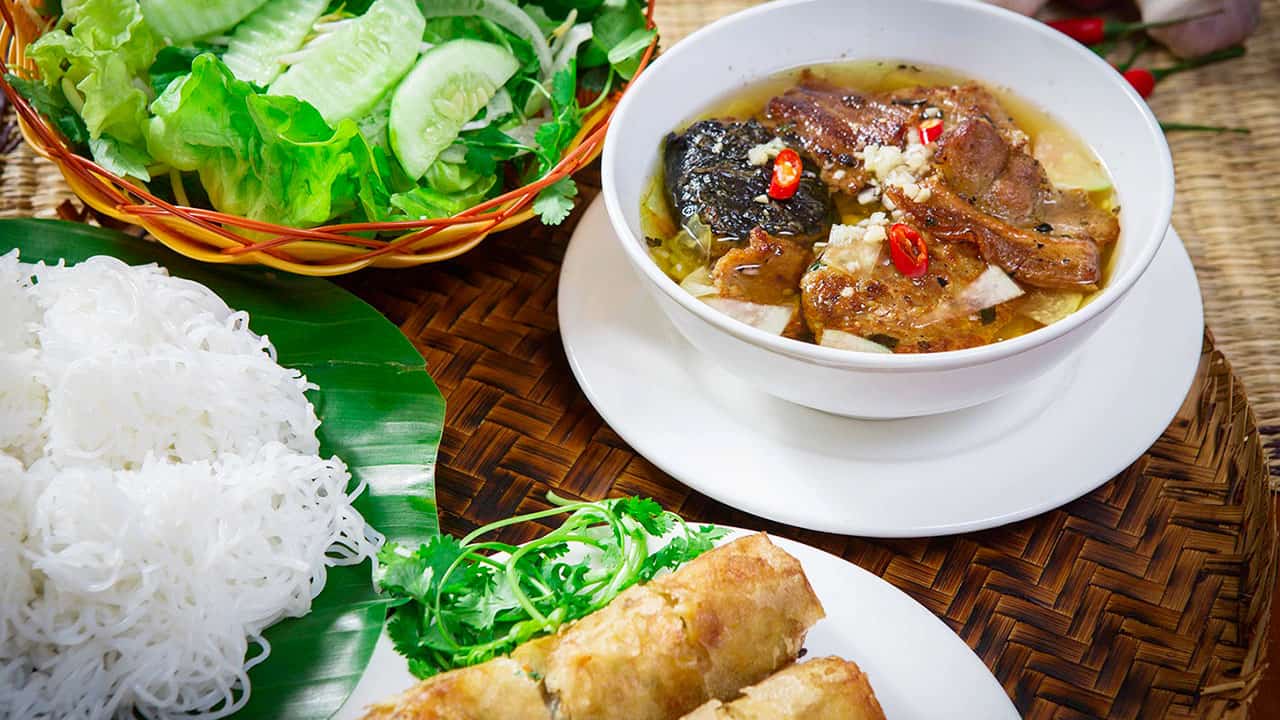
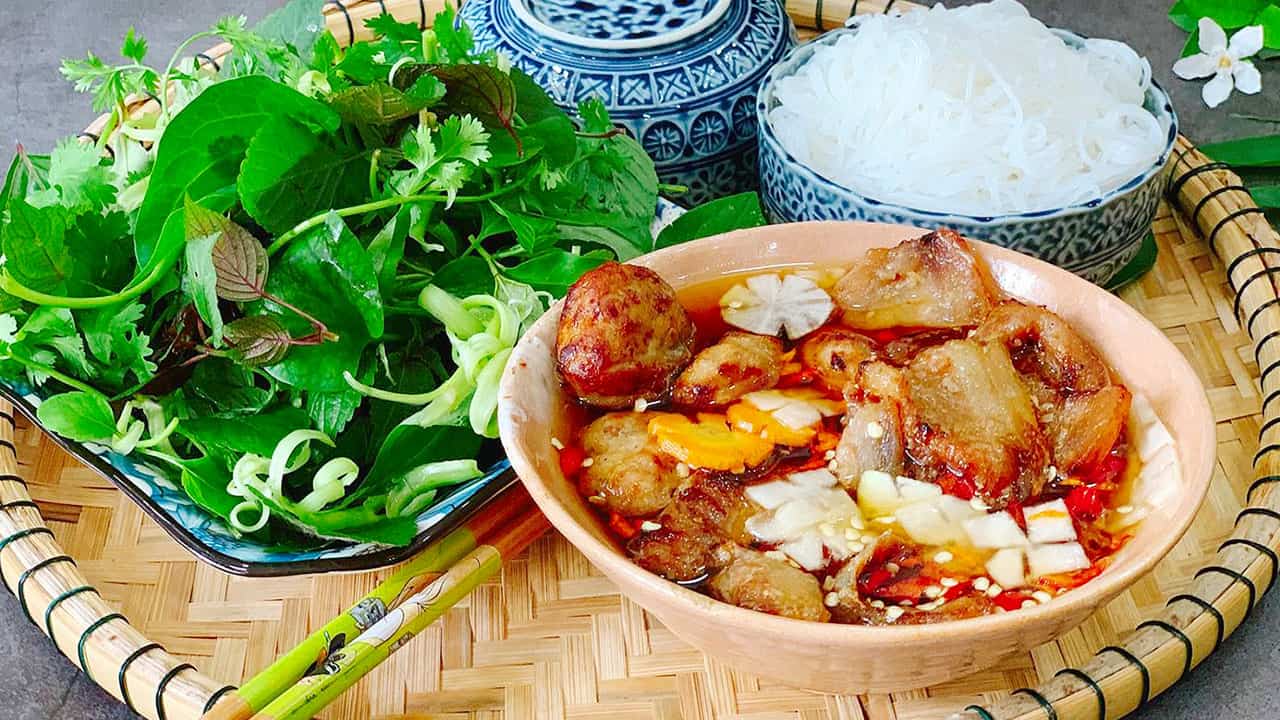
Bun Cha is one of the delicious dishes in Hanoi’s Old Quarter that is known by many people and has been highly appreciated by many gourmets. A delicious Bun Cha Hanoi will be the harmony between the types of pork.

Bun Cha is one of the delicious dishes in Hanoi's Old Quarter. 
Bun Cha is one of the delicious dishes in Hanoi’s Old Quarter.

The best thing is the dipping sauce of this dish, which has a balance between sour, sweet, and salty. The Cha (grilled pieces of pork) are seasoned with spices, and they are grilled over charcoal. They will have a very characteristic smoky aroma. If you want a fuller meal, you can order some fried spring rolls.

There are too many delicious Bun Cha restaurants in the Old Quarter, but you should go to Huong Lien Bun Cha. This is where former US President Barack Obama ate at this place with super chef Anthony Bourdain in 2016. This restaurant is crowded at noon, including many foreign tourists. In order not to have to wait too long, you should arrive at this shop’s off-peak hours.

You should try this dish at:

  • Bun Cha Hang Quat: Alley 74 Hang Quat, Hoan Kiem, Hanoi
  • Bun Cha Hang Than: 34 Hang Than, Ba Dinh District, Hanoi
  • Bun Cha Hoa: 17 Yen The Alley, Hoan Kiem, Hanoi

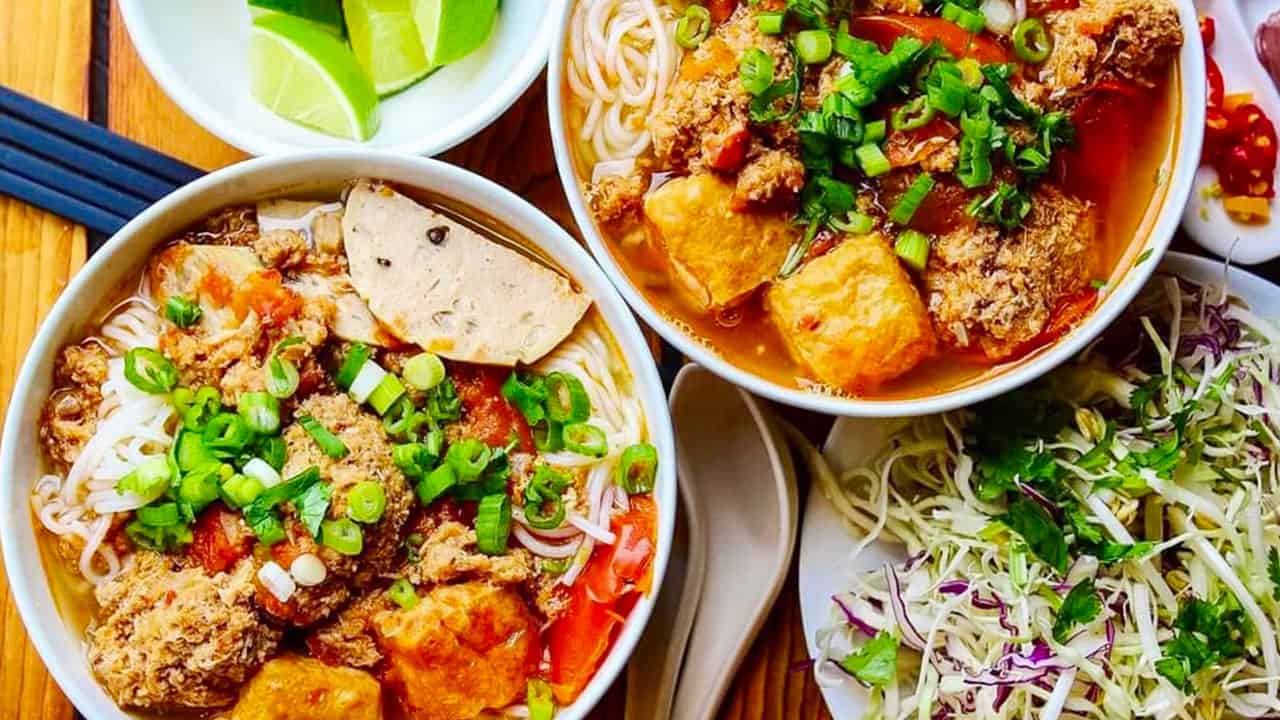
Bún riêu cua Hà Nội (Hanoi crab noodle soup)

Hanoi crab noodle soup (Bun Rieu Cua) is an indispensable dish on the list of delicious dishes you should try.

The ingredients for this dish include fresh vermicelli, small crabs, tomatoes, shrimp paste, and onions. The cook will bring all the crabs to wash, puree, and filter the water. This part of the water is boiled for the crab meat to rise and stick. Bun Rieu Cua originated from the North and turned into a popular breakfast dish by Hanoians. If anyone wants to enjoy a mild, simple, and gentle bowl of vermicelli with crab, they should visit the addresses below. A full bowl of crab noodle soup will have beef, pork rolls, tofu, and vegetables.

Bun Rieu Cua originated from the North of Vietnam. 
Bun Rieu Cua originated from the North of Vietnam.

You should try this dish at:

  • 11 Hang Bac, Hoan Kiem District, Hanoi
  • 23 Nguyen Sieu, Hoan Kiem, Hanoi
  • 14 Hang Luoc, Hoan Kiem, Hanoi

Bún Thang Hà Nội (Vermicelli and chicken soup)

Bun Thang is a dish you should try when you do not know what to eat in Ha Noi. This dish has high requirements to be perfect, so quite a few restaurants are selling this dish in Hanoi. A delicious bowl of Bun Thang requires the chef to be knowledgeable about each ingredient and meticulous in each stage.

Bun Thang has many ingredients. 
Bun Thang has many ingredients.

The broth is stewed from the bones and must be prepared the night before. A pot of broth must have the aroma of simmered chicken bones, shrimp, and mushrooms with a rich sweetness.

The ingredients include eggs, chicken, pork bologna, and radish, which are sweet and crispy. You can’t forget some green onions and “coriander”. You can also add some shrimp paste to add more flavor to this dish.

You should try this dish at:

  • Bun Thang Ba Duc: 48 Cau Go, Hoan Kiem District, Hanoi
  • 29 Hang Hanh, Hoan Kiem district, Hanoi
  • 25 Hang Hanh alley, Hoan Kiem district, Hanoi
  • 5 Hang Thiec, Hoan Kiem District, Hanoi

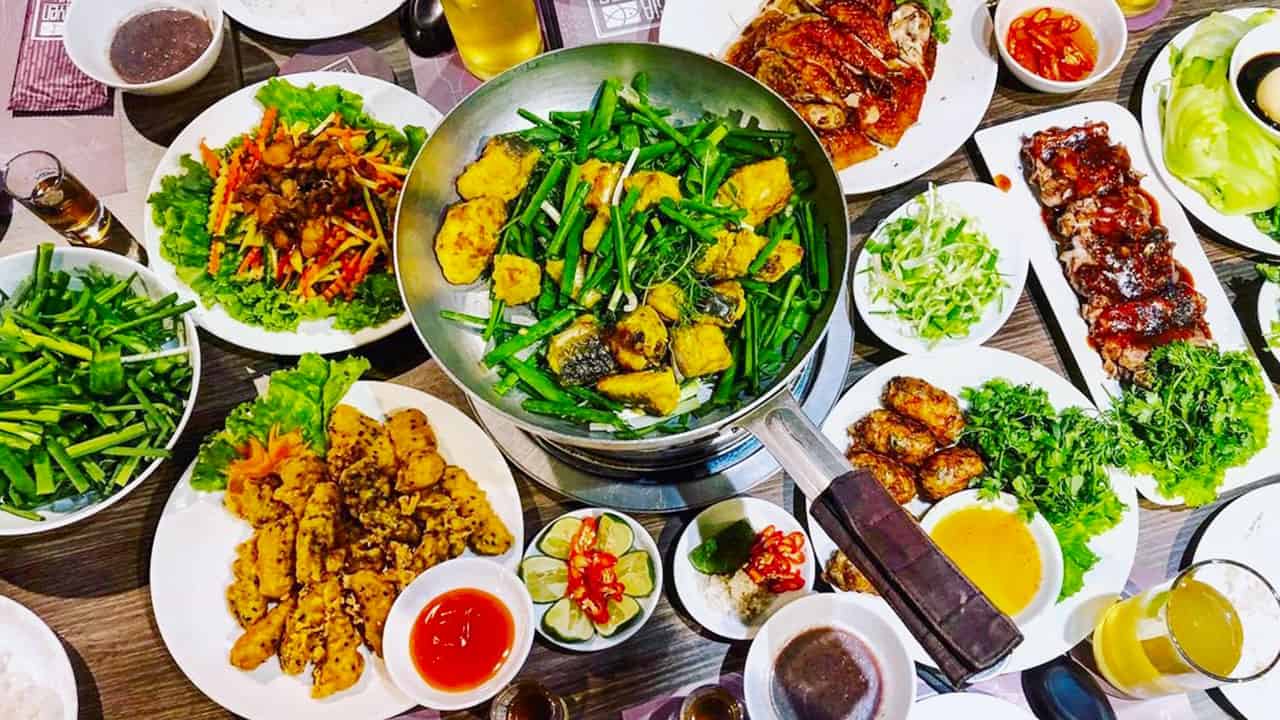
Chả cá Lã Vọng (La Vong grilled fish)

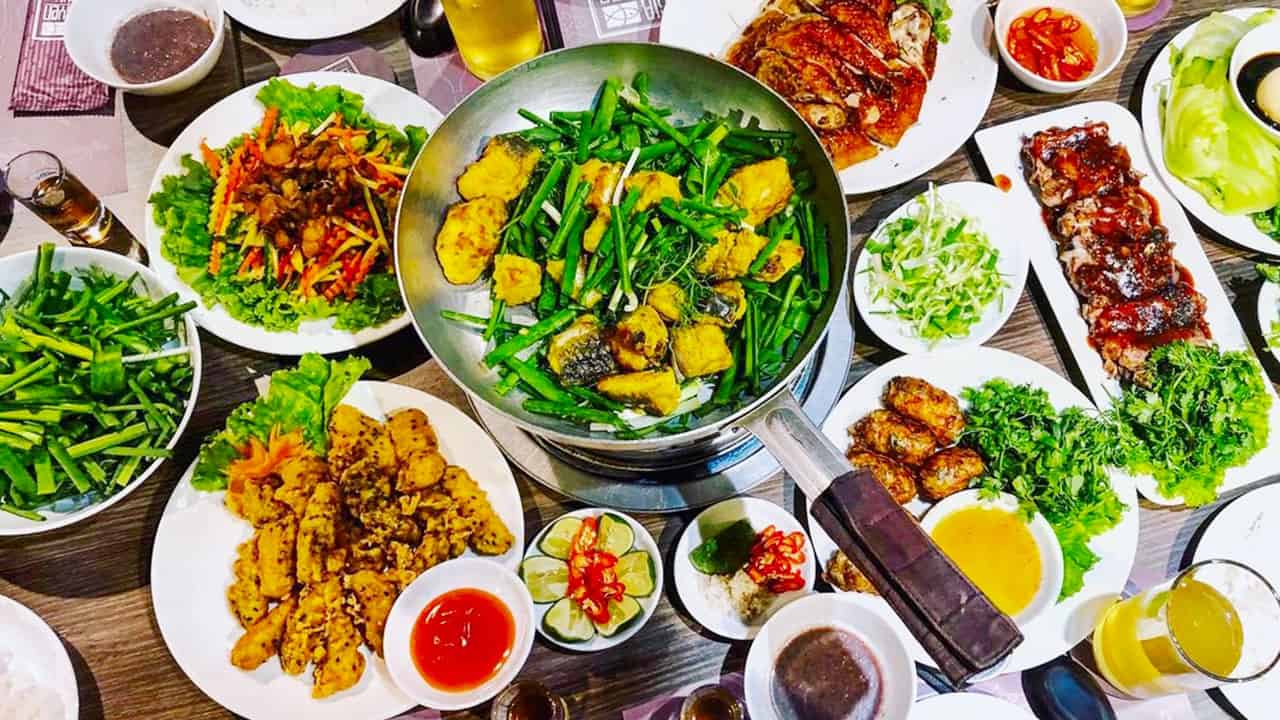
This is the oldest dish in the Old Quarter and is enjoyed by many diners. This dish has a delicate combination of the fatty taste of fish cakes, the aroma of vegetables, and onions, and the rich taste of shrimp paste. All these flavors create a charm for diners.

Cha Ca La Vong is the oldest dish in the Old Quarter. 
Cha Ca La Vong is the oldest dish in the Old Quarter.

Cha Ca La Vong is made from crystal-eyed catfish and snakehead fish, so the fish meat is guaranteed to be firm, chewy, and sweet. Pieces of fish are marinated with extremely rich spices and then briefly grilled over charcoal. This dish needs to be kept hot during the whole cooking process.

  • You should try this dish at 14 Cha Ca, Hoan Kiem, Hanoi

Bánh tôm Hồ Tây (West Lake shrimp cake)

West Lake Shrimp Cake is so famous to all tourists. Coming to Hanoi, this is also a delicious dish for you. Banh Tom Ho Tay is a cake consisting of flour and shrimp mixture. They are deep-fried and drained. The shrimp filling is fresh and sweet. Shrimp cakes are often served with sweet and sour dipping sauce. You can enjoy this dish more with vegetables and add a little chili. It is a great combination for you.

Banh tom Ho Tay
Banh tom Ho Tay

You should try this dish at:

  • Hang Bo shrimp cake: No. 57A Hang Bo, Hoan Kiem, Hanoi
  • Dumplings and shrimp cakes Hien Hao: 9 Hoe Nhai Alley, Hoan Kiem, Hanoi
  • Pillow cake shrimp cake: No. 10 Hong Phuc, Hoan Kiem, Hanoi

Bánh cuốn Hà Nội (Steamed rice roll)

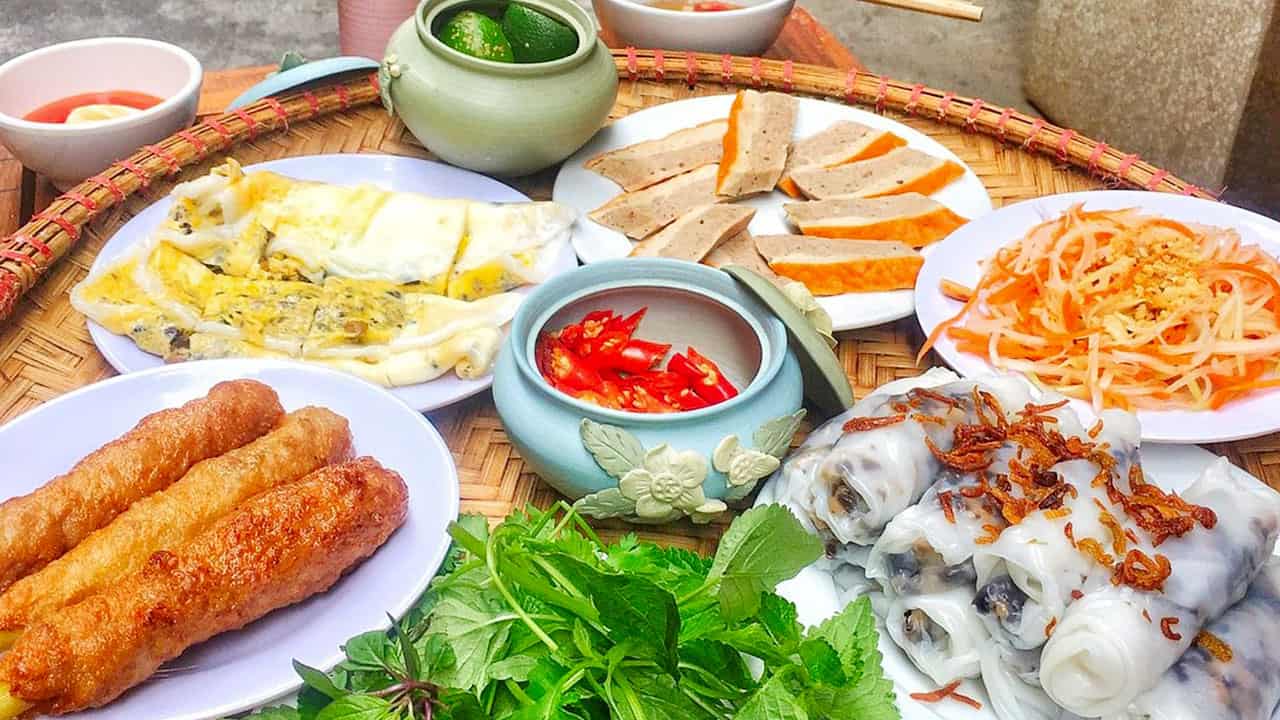
Steamed rice roll is a delicious and affordable dish for many people. Banh Cuon is soft and has the smell of wood ear mushrooms and fried onions.

Steamed rice rolls are served with a dipping sauce made from minced pork with salt, spices, and sugar. Fish sauce will make the dish more delicious and rich. Baking powder is finely milled rice. After it has been cooked by steam, the cake will be wrapped with cooked meat, wood ear, and shiitake mushrooms. When enjoying this dish, you will eat it with herbs to add flavor. In addition, customers can order some more dishes such as roasted cinnamon pork, and pork bologna.

Steamed rice roll is a delicious and affordable dish for many people. 
Steamed rice roll is a delicious and affordable dish for many people.

You can try this dish at:

  • Banh Cuon Ba Phuong: 16 Doc Hoe Nhai, Ba Dinh district, Hanoi
  • Banh Cuon Thanh Van: 12 Hang Ga, Hoan Kiem district, Hanoi
  • Banh Cuon Phuong: 68 Hang Cot, Hoan Kiem district, Hanoi
  • 40 Hang Tre, Hoan Kiem, Hanoi

Cốm làng Vòng (Green rice)

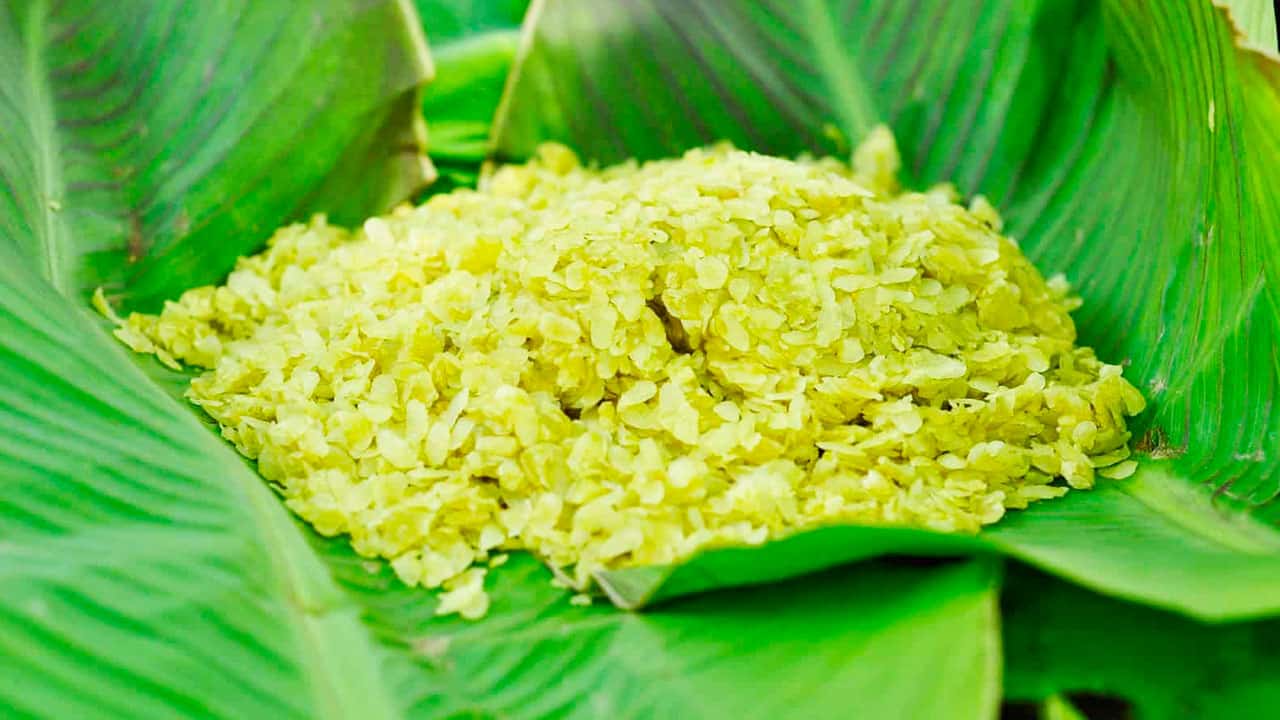
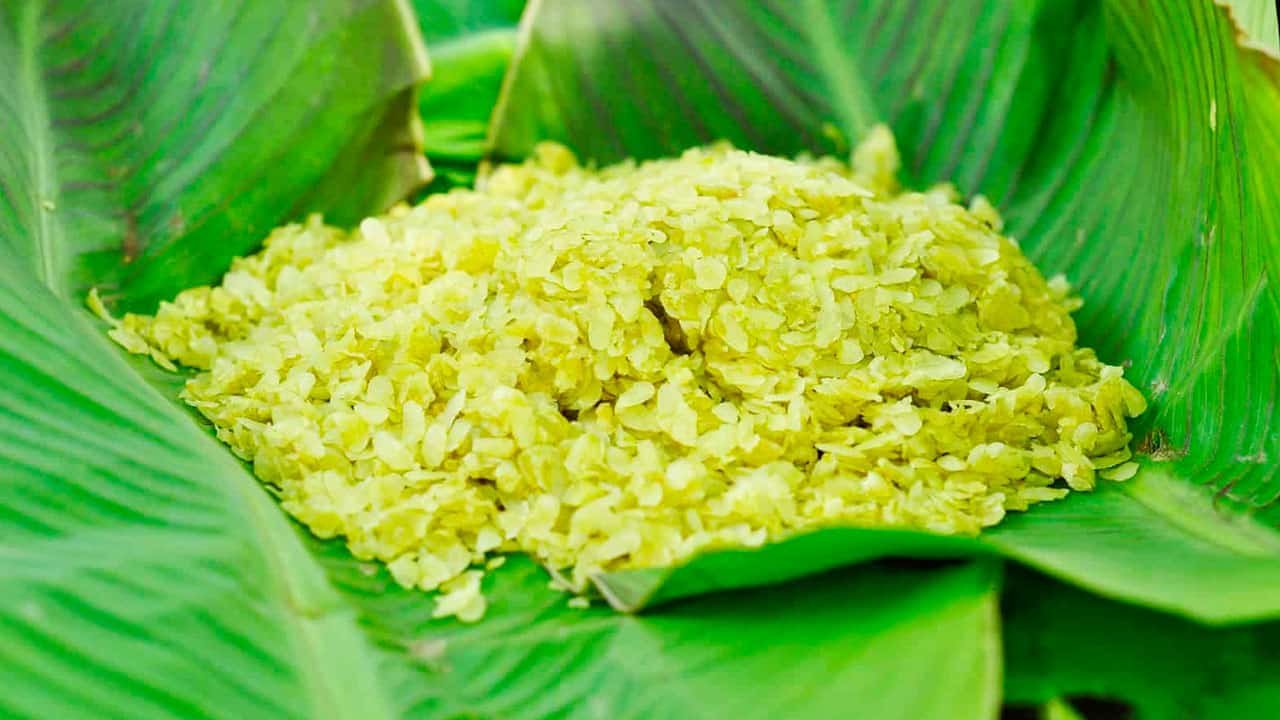
Com (Green Rice) is considered a specialty dish of Hanoi, especially when the weather in Hanoi is in autumn. If you have come to this land but have not enjoyed the Green Rice, it is a mistake for you. Green Rice is often combined with many different dishes. However, the right way to enjoy green rice in Hanoi people is to eat it with bananas. The soft, aromatic flavor in each grain of Green Rice blends with the strong aroma of sweet bananas. This combination is sure to make you remember it forever!

Com (Green Rice) is considered a specialty dish of Hanoi. 
Com (Green Rice) is considered a specialty dish of Hanoi.

Vong village was famous for its specialty of green rice a long time ago. The profession of making Green Rice in the village has had a process of development and maintenance, existing up to now.

You should try this at:

  • Hanoi Nguyen Ninh round green rice: 11 Hang Than Street, Hanoi

Cà phê trứng (Egg coffee)

Egg coffee (Cà phê trứng) is a type of coffee created from coffee and whipped yolk. This drink has been around for a long time and it is still loved by people. Egg coffee appeared in Hanoi in the fifties of the twentieth century. The origin of this coffee is still handed down orally to this day. When Western coffee products were introduced to Vietnam, they soon won the hearts of customers. Right now, fresh milk is scarce, so the owner of a cafe in Hanoi has used egg yolk as an alternative to milk. Surprisingly, that drink was praised by everyone and became a specialty.

Egg coffee is a type of coffee created from coffee and whipped yolk. 
Egg coffee is a type of coffee created from coffee and whipped yolk.

You can try this drink at:

  • Cafe Giang: 39 Nguyen Huu Huan, Hang Bac, Hoan Kiem, Hanoi
  • Cafe Lam: 60 Nguyen Huu Huan, Hang Bac, Hoan Kiem District, Hanoi
  • Cafe Ba Khanh: 55B Hai Ba Trung, Hoan Kiem District, Hanoi

The dining experience in Hanoi’s Old Quarter

If you want to travel to Hanoi and try the above dishes without being ripped off, you should refer to the notes below.

Dining experience in Hanoi's Old Quarter
Dining experience in Hanoi’s Old Quarter

Find out about the restaurants on the internet

You should carefully research information such as prices of services, and reputable restaurants when coming to Hanoi. This will help you not to fall into the trap of people who increase the price of the dish. In addition, this also helps you understand more about the culture, habits, and differences of Hanoi compared to other localities. Prices for some services in Hanoi are often higher.

Choose restaurants with menus that list prices or ask for prices before eating

Hanoi is the paradise of sidewalk food stalls. However, this street food culture sometimes makes it difficult for tourists. Because finding the price list in these restaurants is not easy. Easy-going guests will fall into the case of being ripped off. Therefore, when entering any restaurant or store, you must also ask for the price of each dish, and the surcharge for the products and dishes.

Check your invoice carefully

Some restaurants may charge the wrong amount, charge extra dishes, add plates or add some dishes that diners did not order. Therefore, you need to check the bill to see if the items you ordered are correct, the number of plates eaten, and add up the total amount before paying. The same goes for local guests. If you are a foreign visitors, you should be more careful about this.

Don’t be afraid to bargain with the restaurants

Not only in Hanoi, talking about ripping off is a common situation in most tourist destinations in the world and Vietnam. That’s why you have to plan specifically about places to have fun, check carefully online to see if the restaurant has a reputation for unexpected price increases, and don’t be afraid to bargain.

Memorize the hotline phone number

Advice for tourists when encountering ripping off is to save the phone number of the hotline of the Hanoi authorities. The hotline to receive complaints about fraud and stalking tourists in Hanoi is 1800556896. This line operates 24/7.

Hanoi Tourism Support Center. 
Hanoi Tourism Support Center.

Final thoughts

We hope you already know what to eat in Hanoi through our above article. Above is a summary of 10 delicious dishes in Hanoi’s Old Quarter. We hope that the article can help visitors to Hanoi satisfy their food preferences and culinary passions.

Top 10 best food in Hanoi Old Quarter
Best food in hanoi you should not miss

The best food in Hanoi like Pho, Bun Cha, Cha Ca, Banh mi,… and you should try them when you visit Hanoi. The following article will share in detail the 10 most delicious dishes in Hanoi.

Best food in hanoi you should not miss

Humid culture of Hanoi people

Hanoi cuisine is known for its use of fresh ingredients, bold flavors, and a balance of sweet, sour, salty, and spicy tastes.

Hanoi’s culture is heavily influenced by its history and geography, as well as its position as the capital city of Vietnam. Some elements of Hanoi’s cultural heritage include:

  • Traditional festivals: Hanoi is home to many traditional festivals, such as the Mid-Autumn Festival and the Tet (Lunar New Year) Festival.
  • Food culture: Hanoi is known for its rich and diverse cuisine, with a focus on fresh ingredients and bold flavors.
  • Literature and art: Hanoi has a long tradition of literature and art, with many famous poets and artists hailing from the city.
  • Architecture: Hanoi is home to a unique blend of traditional Vietnamese and colonial-era architecture, including the famous Old Quarter.
  • Music and theater: Hanoi has a rich tradition of music and theater, with various performance groups and music schools found throughout the city.
  • Buddhist influence: Buddhism is an important part of Hanoi’s cultural heritage, with many temples and pagodas located throughout the city.

Top 10 best food in hanoi you should not miss

Phở Hà Nội (Hanoi noodle soup)

Phở Hà Nội - Best food in Hanoi
Phở Hà Nội – Best food in Hanoi

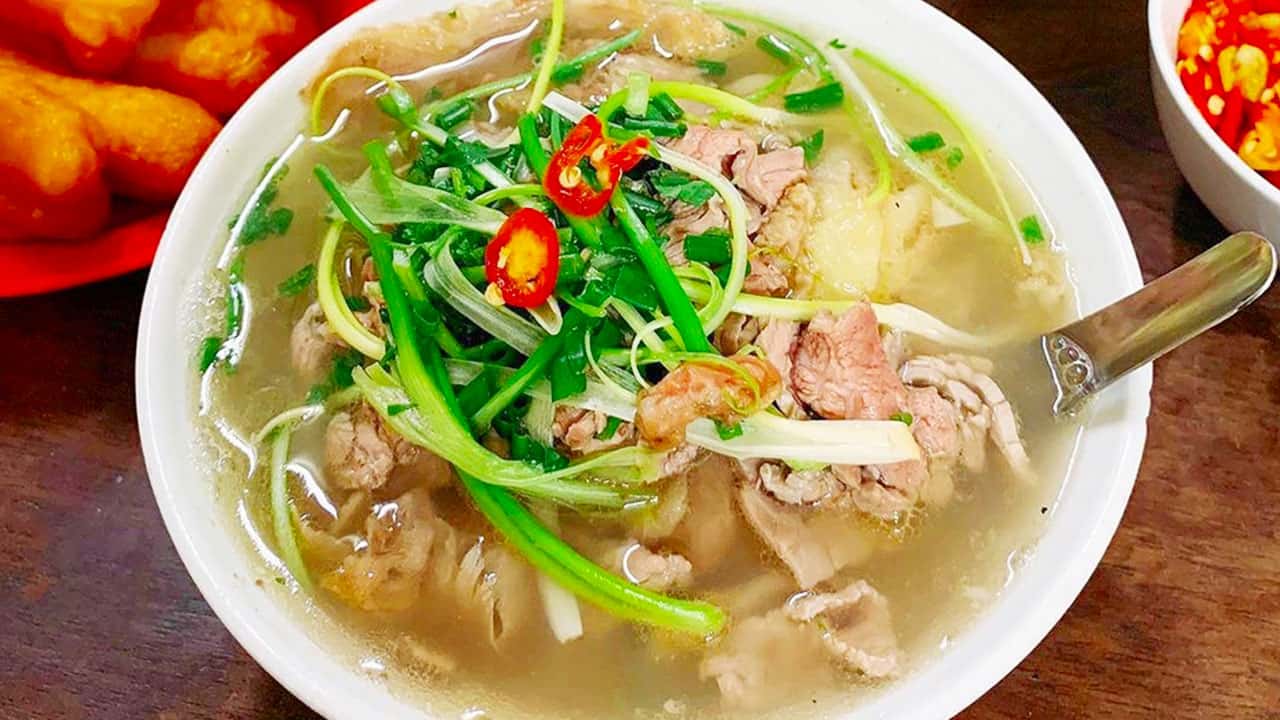
Phở Hà Nội is a popular Vietnamese noodle soup dish made with rice noodles, a flavorful broth, and various meats such as beef or chicken. It is typically served with herbs and spices, such as basil, cilantro, and chili peppers, to add freshness and heat. The dish originated in Hanoi, the capital of Vietnam, and has since become a staple of Vietnamese cuisine and a popular street food item in many Southeast Asian countries.

Here are some popular and highly-rated pho restaurants in Hanoi, Vietnam:

  • Phở Gia Truyền Bát Đàn
  • Phở 10 Lý Quốc Sư
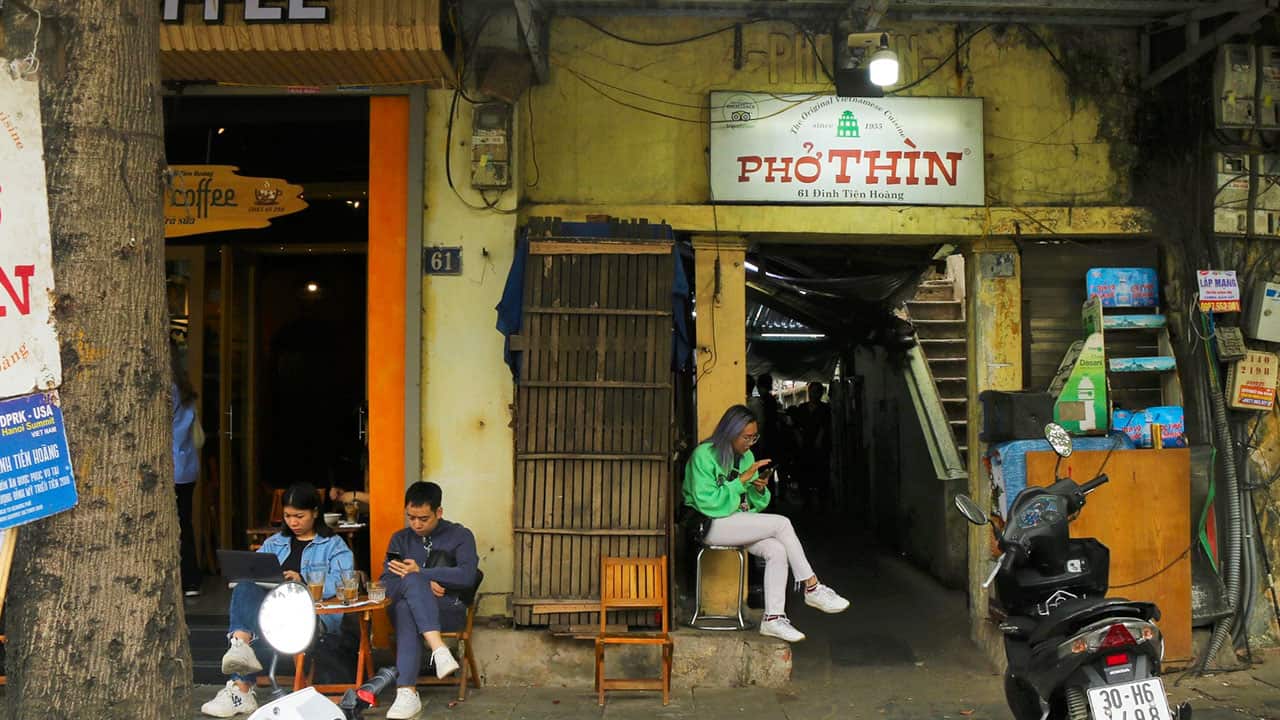
  • Phở Hòa
  • Phở Tái, Gầu, Đình Liệt
  • Phở Hùng

Note: These are just a few options, and there are many other great pho restaurants in Hanoi to explore. Keep in mind that personal tastes vary, and the best restaurant for you may not be on this list.

Duongs 2 Restaurant is a best restaurant in Hanoi Old Quarter, Vietnam. Good places to eat voted by Tripadvisor and Google, operated by Topchef Vietnam. In addition to serving delicious food, we also have cooking classes, providing a great experience for diners.

Bún Chả Hà Nội (Hanoi grilled pork with noodles)

Bún chả Hà Nội - Best food in Hanoi
Bún chả Hà Nội – Best food in Hanoi

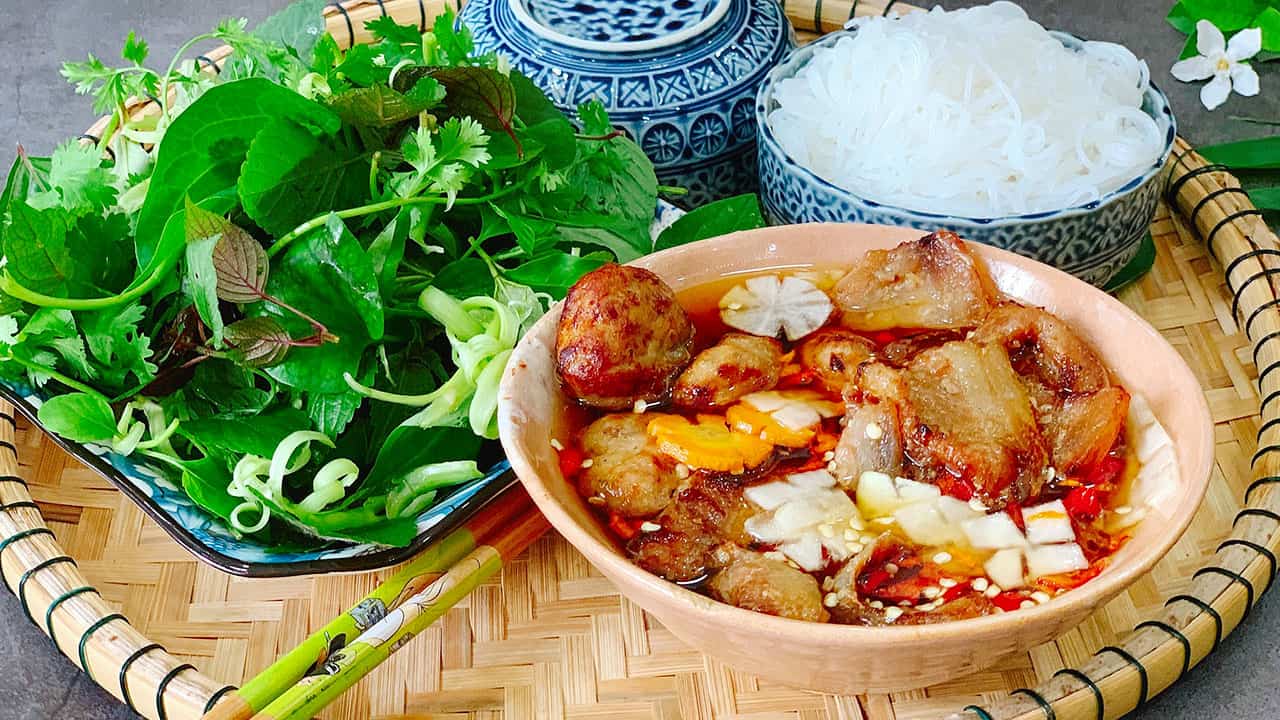
Bún Chả is a Vietnamese dish consisting of grilled pork meatballs and noodles served in a sweet and sour dipping sauce. It is often accompanied by a plate of rice vermicelli noodles and fresh herbs such as mint, cilantro, and lettuce. The dish originated in Hanoi and is considered a specialty of the city, where it is typically enjoyed as a casual, outdoor street food. Bún Chả is a popular and flavorful dish that is enjoyed by locals and visitors alike.

  • Bun Cha Ta – a popular and traditional bun cha spot, known for its juicy grilled pork and flavorful broth.
  • Bun Cha Huong Lien – considered the birthplace of bun cha, made famous by the late chef and food critic, Anthony Bourdain.
  • Bun Cha Nem Cua Be Dac Kim – famous for its crab meat spring rolls and sweet and sour dipping sauce.
  • Bun Cha Dac Kim – a family-run restaurant serving authentic bun cha for over 50 years.
  • Bun Cha Duy Tien – located in a traditional Hanoi alleyway, known for its generous portions and affordable prices.
  • Bun Cha Hang Manh.

Bún riêu cua Hà Nội (Hanoi crab and tomato noodle soup)

Bún riêu cua Hà Nội - Best food in Hanoi
Bún riêu cua Hà Nội – Best food in Hanoi

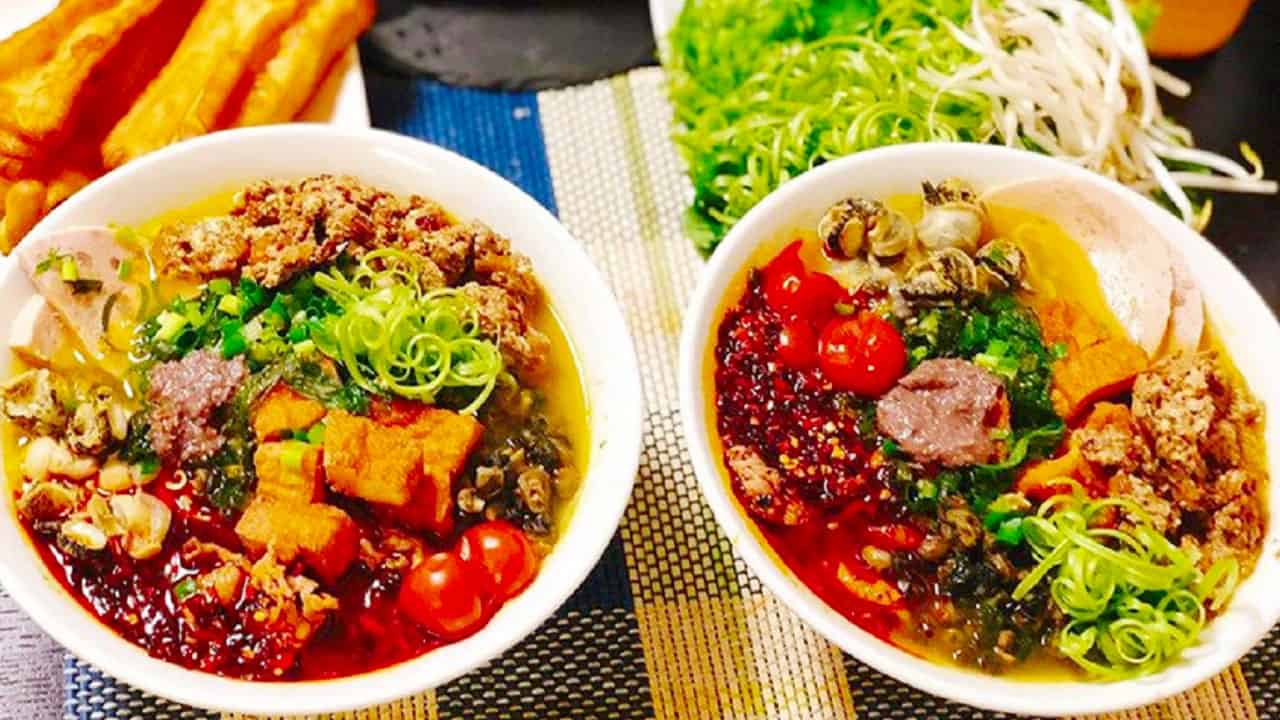
Bún Riêu Cua is a Vietnamese noodle soup dish that is made with a flavorful tomato-based broth and crab meat. The dish also includes noodles, tofu, and sometimes, ground pork. It is typically garnished with herbs such as cilantro and green onions, and can be served with a squeeze of lime juice to add brightness and acidity to the broth. Bún Riêu Cua is a hearty and satisfying dish that is commonly enjoyed for breakfast or lunch in Vietnam.

Here are a few popular and highly-rated crab noodle restaurants in Hanoi, Vietnam:

  • Bún Riêu Của Mẹ Lệ
  • Bún Riêu Của Chú Nhật
  • Bún Riêu Vịt Tiềm
  • Bún Riêu Mẹ Hạnh
  • Bún Riêu Mẹ Hoàng

Note: These are just a few options, and there are many other great crab noodle restaurants in Hanoi to explore. Keep in mind that personal tastes vary, and the best restaurant for you may not be on this list.

Chả cá Hà Nội (Hanoi grilled fish with turmeric and dill)

Chả cá Hà Nội - Best food in Hanoi
Chả cá Hà Nội – Best food in Hanoi

Chả Cá is a traditional dish from Hanoi, Vietnam that consists of turmeric and dill marinated fish that is fried and served with rice noodles and a variety of herbs and spices. The dish is often served with a plate of lettuce, basil, mint, and cilantro, which are used to wrap the fish and noodles, creating a flavorful and fresh bite. Chả Cá is a staple of Hanoian cuisine and is known for its unique blend of flavors and textures, which makes it a popular choice for locals and visitors alike.

Here are a few popular and highly-rated grilled fish restaurants in Hanoi, Vietnam:

  • Chả Cá Lã Vọng
  • Chả Cá Thăng Long
  • Chả Cá Toàn Thắng
  • Chả Cá Hải Nam
  • Chả Cá Độc Lập

Note: These are just a few options, and there are many other great grilled fish restaurants in Hanoi to explore. Keep in mind that personal tastes vary, and the best restaurant for you may not be on this list.

Bánh mì Hà Nội (Hanoi sandwich)

Bánh mì Hà Nội - Best food in Hanoi
Bánh mì Hà Nội – Best food in Hanoi

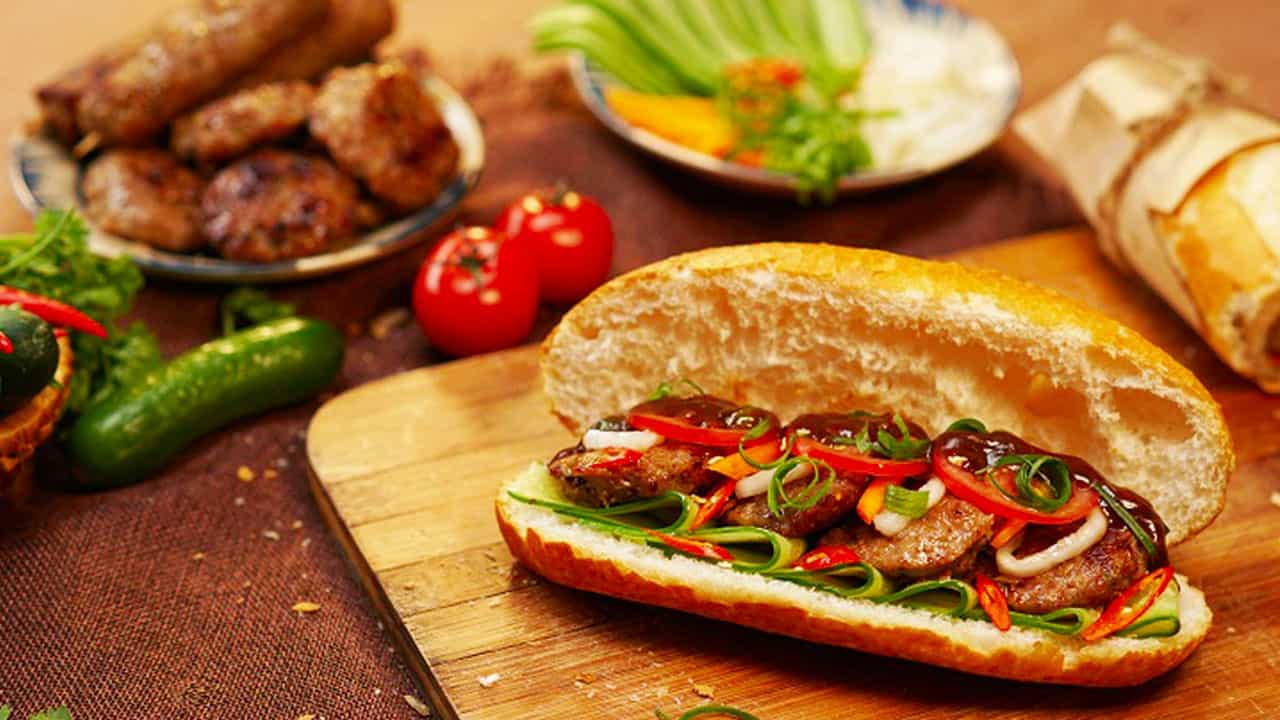
Bánh Mì is a type of Vietnamese sandwich that is made with a baguette filled with a variety of ingredients such as meats, vegetables, and sauces. The dish is a fusion of French and Vietnamese cuisine and is widely popular in Vietnam. Bánh Mì in Hanoi is known for its combination of crispy bread and fresh ingredients, which creates a flavorful and satisfying sandwich. The most common fillings include grilled pork, pâté, pickled vegetables, mayonnaise, and chili sauce. Bánh Mì is a popular street food item and can be found at many vendors throughout Hanoi.

Here are a few popular and highly-rated banh mi shops in Hanoi, Vietnam:

  • Bánh Mì 25
  • Bánh Mì Hồng Hoa
  • Bánh Mì P. comme
  • Bánh Mì Huỳnh Hoa
  • Bánh Mì Hảo

Note: These are just a few options, and there are many other great banh mi shops in Hanoi to explore. Keep in mind that personal tastes vary, and the best shop for you may not be on this list.

Bánh cuốn Hà Nội (Hanoi steamed rice rolls)

Bánh cuốn Hà Nội - Best food in Hanoi
Bánh cuốn Hà Nội – Best food in Hanoi

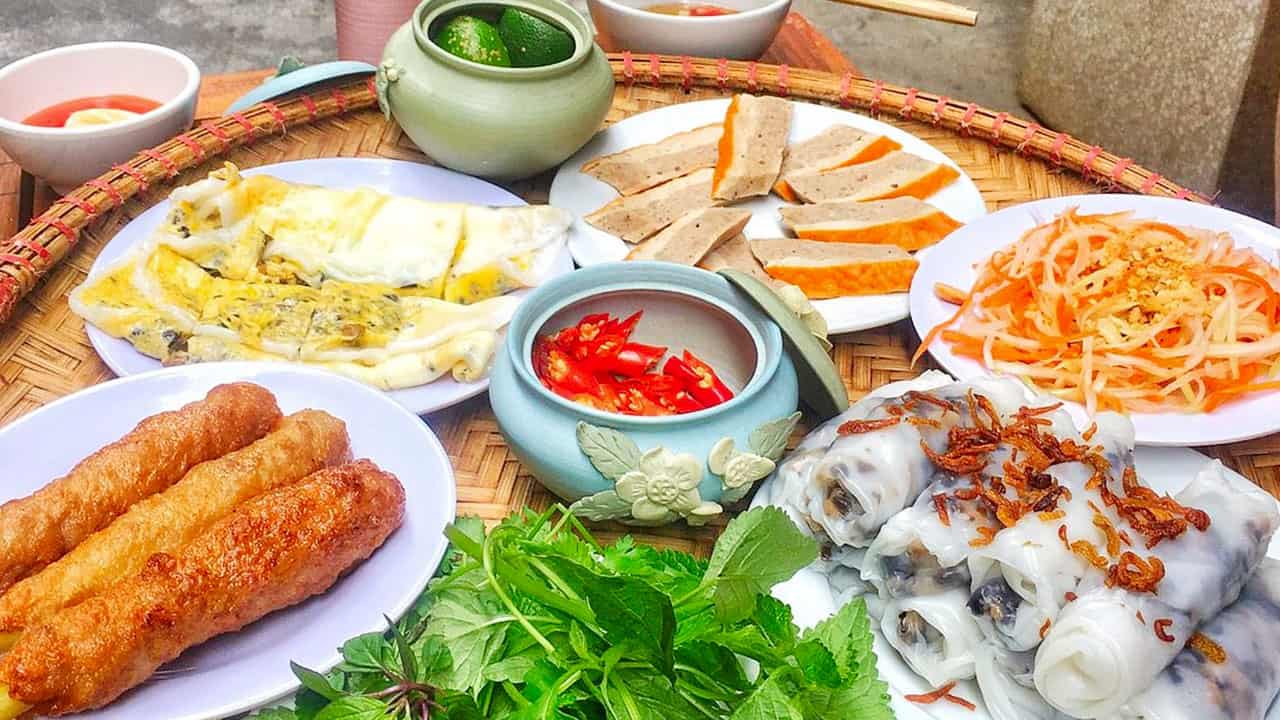
Bánh Cuốn is a traditional Vietnamese dish originating from Hanoi, made from steamed rice flour sheets filled with a mixture of ground pork, mushrooms, and spices. The dish is typically served with a dipping sauce made from fish sauce, vinegar, and chili pepper, and can also be garnished with herbs such as cilantro and green onions. Bánh Cuốn is a delicate and flavorful dish that is often enjoyed for breakfast or as a light snack in Vietnam. It is a popular and well-loved dish in Hanoi and can be found at many street food vendors and restaurants throughout the city.

Here are a few popular and highly-rated bánh cuốn stalls in Hanoi, Vietnam:

  • Bánh Cuốn Gia Truyền
  • Bánh Cuốn Thanh Vân
  • Bánh Cuốn Liễu Giai
  • Bánh Cuốn Thịnh Vượng
  • Bánh Cuốn Thịnh Đức

Note: These are just a few options, and there are many other great bánh cuốn stalls in Hanoi to explore. Keep in mind that personal tastes vary, and the best stall for you may not be on this list.

Xôi xéo Hà Nội (Hanoi sticky rice with toppings)

Xôi xéo Hà Nội - Best food in Hanoi
Xôi xéo Hà Nội – Best food in Hanoi

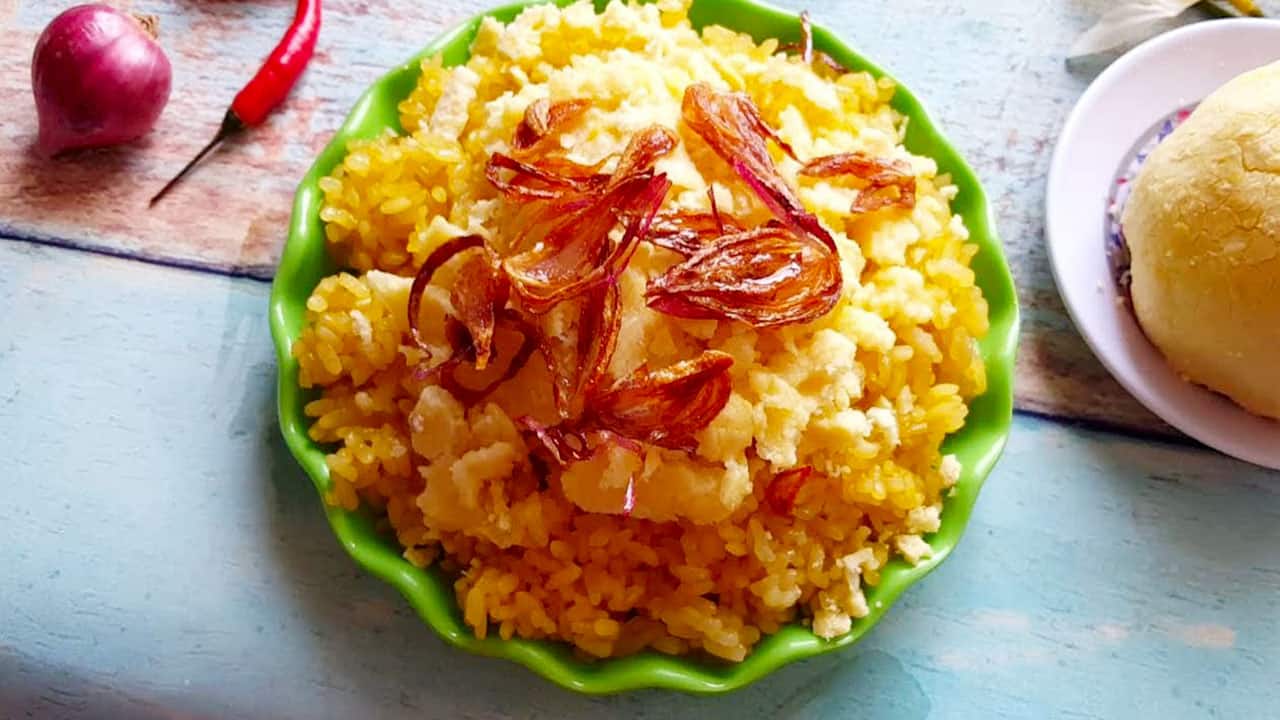
Xôi Xéo is a traditional sweet sticky rice dish from Hanoi, Vietnam, made with glutinous rice, mung beans, and coconut milk. The dish is flavored with a variety of ingredients such as sugar, sesame, and peanuts, and can also include toppings like chopped pork, mushrooms, and scallions. Xôi Xéo is a popular breakfast food in Vietnam, and is known for its combination of sweet and savory flavors, as well as its soft and chewy texture. The dish can be found at street food stalls and traditional markets throughout Hanoi, where it is often enjoyed for its delicious taste and convenience.

Here are a few popular and highly-rated xôi xéo restaurants in Hanoi, Vietnam:

  • Xôi Xéo Thịnh Đức
  • Xôi Xéo Lê Văn Lương
  • Xôi Xéo Đại Thanh
  • Xôi Xéo Bắc Hải
  • Xôi Xéo Nguyễn Trãi

Note: These are just a few options, and there are many other great xôi xéo restaurants in Hanoi to explore. Keep in mind that personal tastes vary, and the best restaurant for you may not be on this list.

Nem rán Hà Nội (Hanoi fried spring rolls)

Nem rán Hà Nội - Best food in Hanoi
Nem rán Hà Nội – Best food in Hanoi

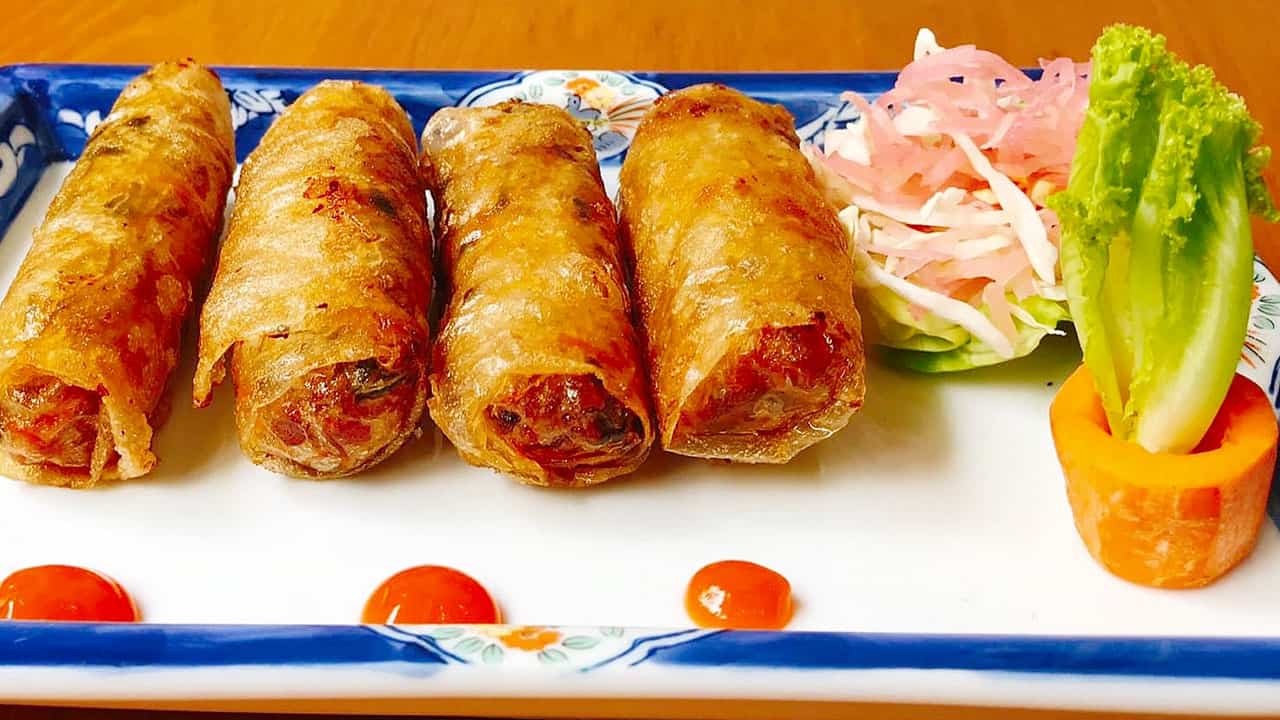
Nem Rán is a traditional dish from Hanoi, Vietnam, made from ground pork or beef that is seasoned with spices and wrapped in rice paper or lettuce leaves. The dish is typically deep-fried to create a crispy exterior, and served with a dipping sauce made from fish sauce, vinegar, and chili pepper. Nem Rán is a popular snack food in Vietnam, and is often enjoyed with beer or as a starter before a meal. The dish can be found at street food stalls and restaurants throughout Hanoi, where it is appreciated for its delicious taste and crispy texture.

Here are a few popular and highly-rated nem rán restaurants in Hanoi, Vietnam:

  • Quán Nem Rán Bát Đàn
  • Quán Nem Rán Lê Thánh Tôn
  • Quán Nem Rán Trần Quốc Toản
  • Quán Nem Rán Nguyễn Du
  • Quán Nem Rán Đồng Xuân

Note: These are just a few options, and there are many other great nem rán restaurants in Hanoi to explore. Keep in mind that personal tastes vary, and the best restaurant for you may not be on this list.

Gỏi cuốn Hà Nội (Hanoi fresh spring rolls)

Gỏi cuốn Hà Nội - Best food in Hanoi
Gỏi cuốn Hà Nội – Best food in Hanoi

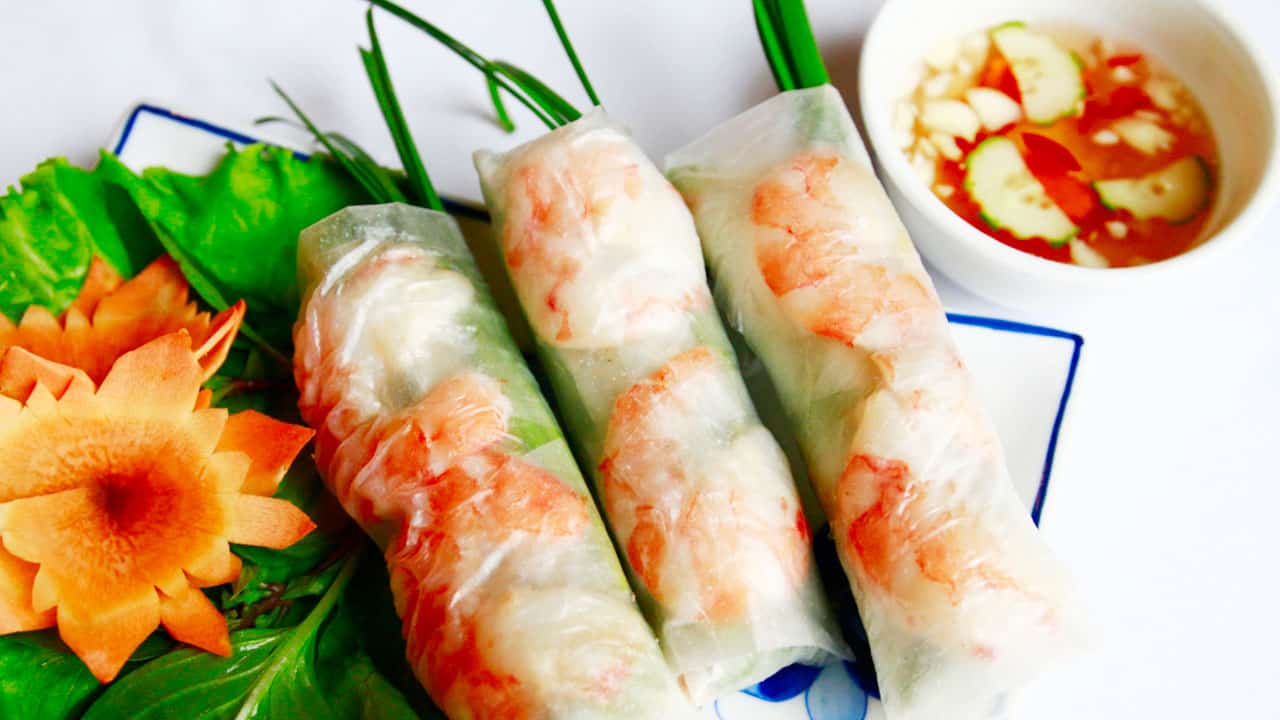
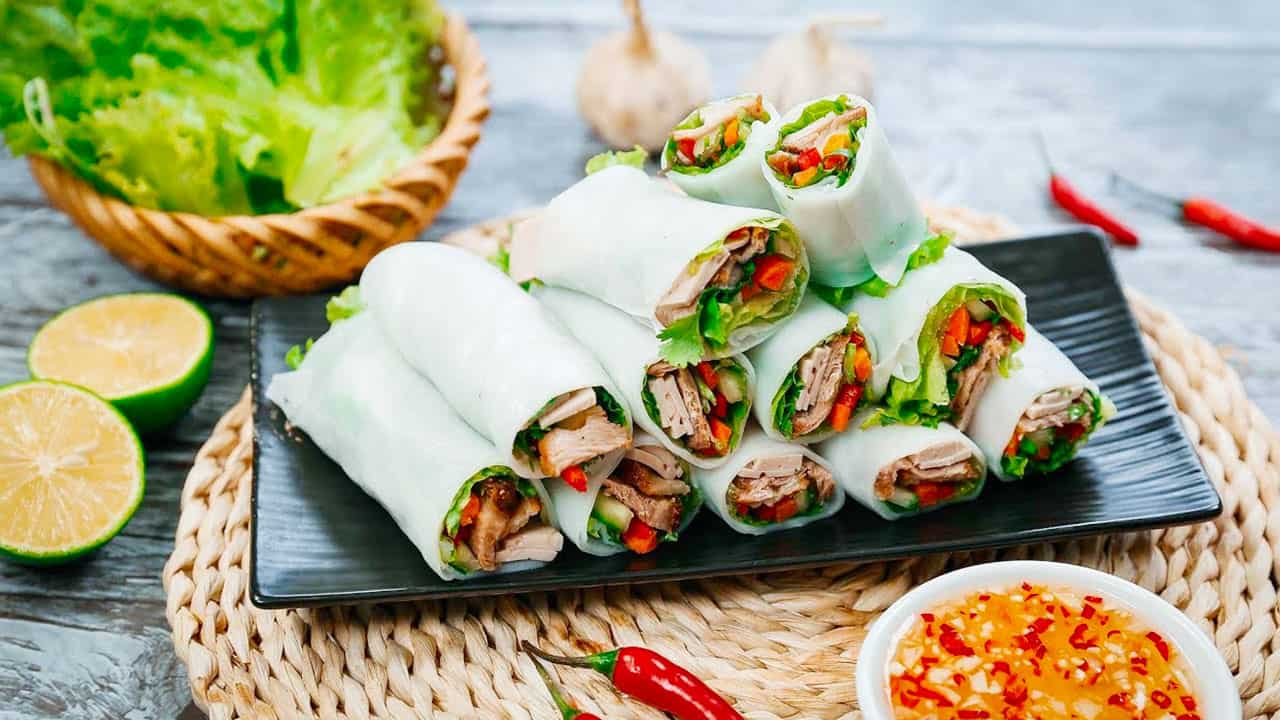
Gỏi Cuốn is a traditional dish from Hanoi, Vietnam, made from rice paper rolls filled with a variety of ingredients such as cooked shrimp, pork, herbs, and vegetables. The dish is typically served with a dipping sauce made from fish sauce, vinegar, and chili pepper. Gỏi Cuốn is a popular snack food in Vietnam, and is often enjoyed as an appetizer or light meal. The dish can be found at street food stalls and restaurants throughout Hanoi, where it is appreciated for its fresh and flavorful taste.

Here are a few popular and highly-rated gỏi cuốn restaurants in Hanoi, Vietnam:

  • Quán Gỏi Cuốn Hà Nội
  • Gỏi Cuốn Hải Âu
  • Quán Gỏi Cuốn Lý Quốc Sư
  • Gỏi Cuốn Thanh Vân
  • Quán Gỏi Cuốn Đội Cấn

Note: These are just a few options, and there are many other great gỏi cuốn restaurants in Hanoi to explore. Keep in mind that personal tastes vary, and the best restaurant for you may not be on this list.

Phở cuốn Hà Nội (Hanoi rice noodle roll)

Phở cuốn Hà Nội - Best food in Hanoi
Phở cuốn Hà Nội – Best food in Hanoi

Phở Cuốn is a dish from Hanoi, Vietnam, made by wrapping rice noodles and cooked beef or chicken in rice paper rolls. The dish is typically served with a dipping sauce made from fish sauce, vinegar, and chili pepper. Phở Cuốn is a popular street food in Vietnam, and is often enjoyed as a snack or light meal. The dish can be found at street food stalls and restaurants throughout Hanoi, where it is appreciated for its fresh and flavorful taste.

Here are a few popular and highly-rated phở cuốn restaurants in Hanoi, Vietnam:

  • Quán Phở Cuốn Hà Nội
  • Phở Cuốn Hải Âu
  • Quán Phở Cuốn Lý Quốc Sư
  • Phở Cuốn Thanh Vân
  • Quán Phở Cuốn Đội Cấn

Note: These are just a few options, and there are many other great phở cuốn restaurants in Hanoi to explore. Keep in mind that personal tastes vary, and the best restaurant for you may not be on this list.

Duongs 2 Restaurant has just shared  Top 10 best food in Hanoi. Hopefully, this information will be useful to tourists when visiting Hanoi.

Top 25 best street food in Hanoi Old Quarter
Street food Hanoi features

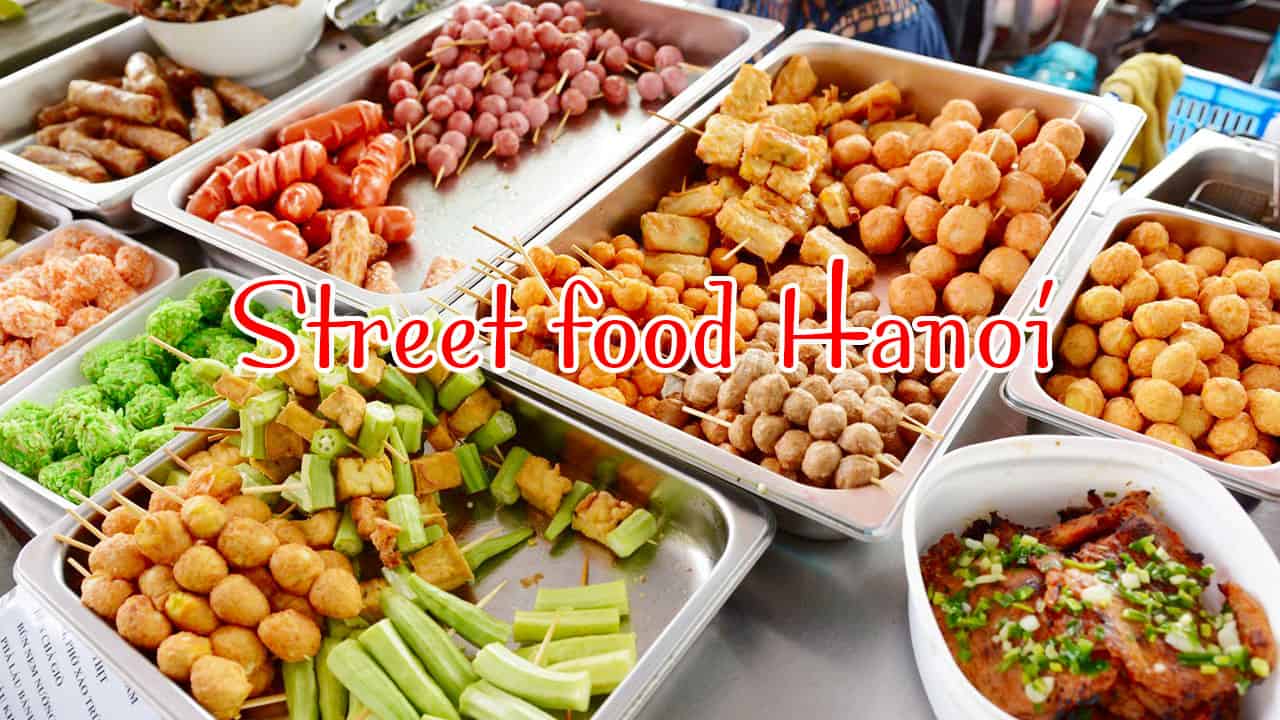
Hanoi is famous for its 36 beautiful streets and extremely rich culinary cultures that make this place every year attract many domestic and foreign tourists. Hanoi is home to many delicious dishes in the old town that you should not miss. So is there any street food in Hanoi worth enjoying, don’t ignore the sharing below.

Street food Hanoi features

Street food Hanoi features

Hanoi street food is completely unique and hard to find anywhere else. The balance in sweet taste, bustling atmosphere and super cheap prices have impressed visitors every time they come here.

Listening to the name of street food, people will actually imagine the crowded scenes on the narrow streets. However, when entering these restaurants, diners really feel satisfied and it seems that the passion for eating is completely satisfied. The characteristic of street food is that it is processed quickly, without fancy and luxurious decorations, you can enjoy it while it’s still hot, rustic but very delicious.

Not prepared by professional chefs, the street food here is scored by the closeness, simplicity, simple processing but distinct flavor. The shopkeepers are always welcoming to diners and that is also what foreign tourists when coming to Hanoi are very impressed with.

Top 25 street food in hanoi old quarter you should try

Bread – Bánh mỳ Hà Nội

Bread – Bánh mỳ Hà Nội

If you are looking for street food Hanoi, go to the nearest banh mi stand. Crispy fresh breads are sandwiched inside with delicious meat, vegetables and sauces. With many tourists sharing Hanoi bread is a million times better than what they heard about it. And each type of bread will have a different filling and flavor so you can have the right choices for your taste.

Pho – Phở Hà Nội

Pho – Phở Hà Nội
Pho – Phở Hà Nội

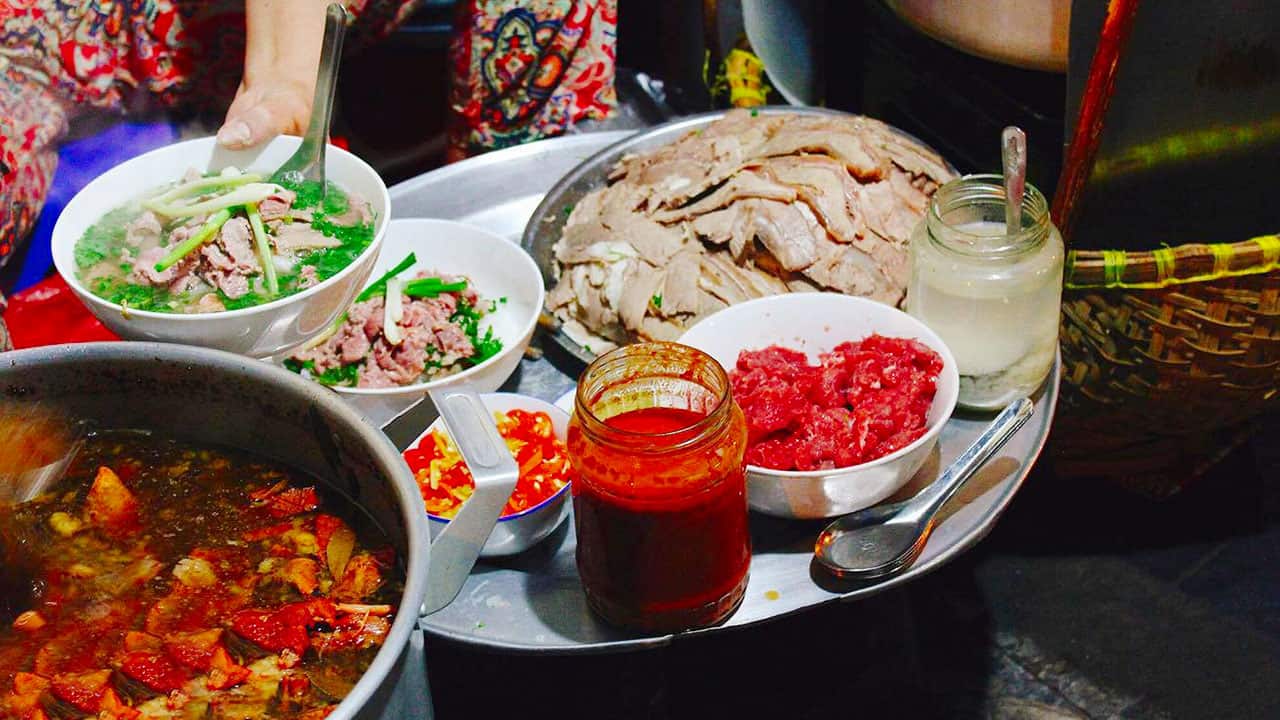
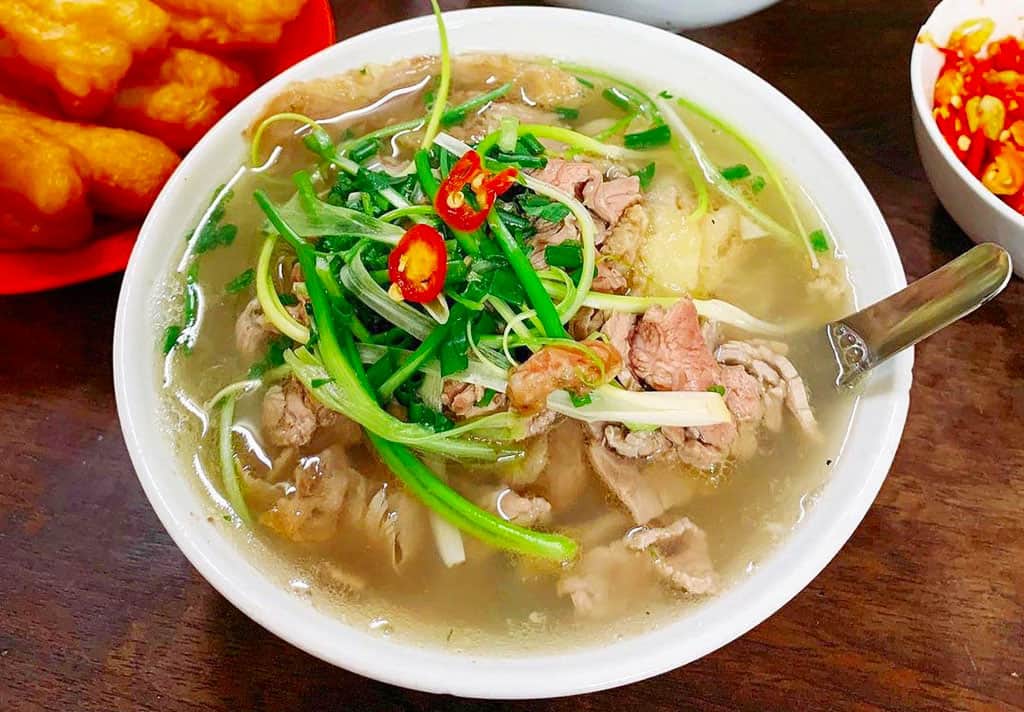
It’s no wonder that pho is at the top of the list of the 10 best Vietnamese street foods. Going through any street in the country, especially in Hanoi, you can easily see many noodle shops with thousands of customers. The dish is simple with fresh pho, chicken or beef, scallions and broth, but everyone who eats it is guaranteed to be captivated.

Rice Noodles – Các loại bún

Rice Noodles – Các loại bún

Vietnamese cuisine is extremely diverse, with vermicelli alone, it is possible to combine with different ingredients and processing methods to produce countless delicious and mouth-watering dishes from Rice Noodles. Snail rice noodles, Beef rice noodles, Kebab rice noodles, and vermicelli are easy to find when wandering around the streets of Hanoi. Each type of Rice Noodles will also bring you unforgettable special flavors.

Types of Pork-pie – Các loại chả

Types of Pork-pie – Các loại chả

Pork-pie is a dish created by the people of the capital with a very unique recipe and made into a very unique Hanoi specialty. Each Pork-pie of ham has a fatty flavor from fish meat, served with a few herbs and is made bold by a cup of dipping sauce that is considered the crystallization of this land, nothing better.

Types of porridge – Các loại cháo

Types of porridge - Các loại cháo
Types of porridge – Các loại cháo

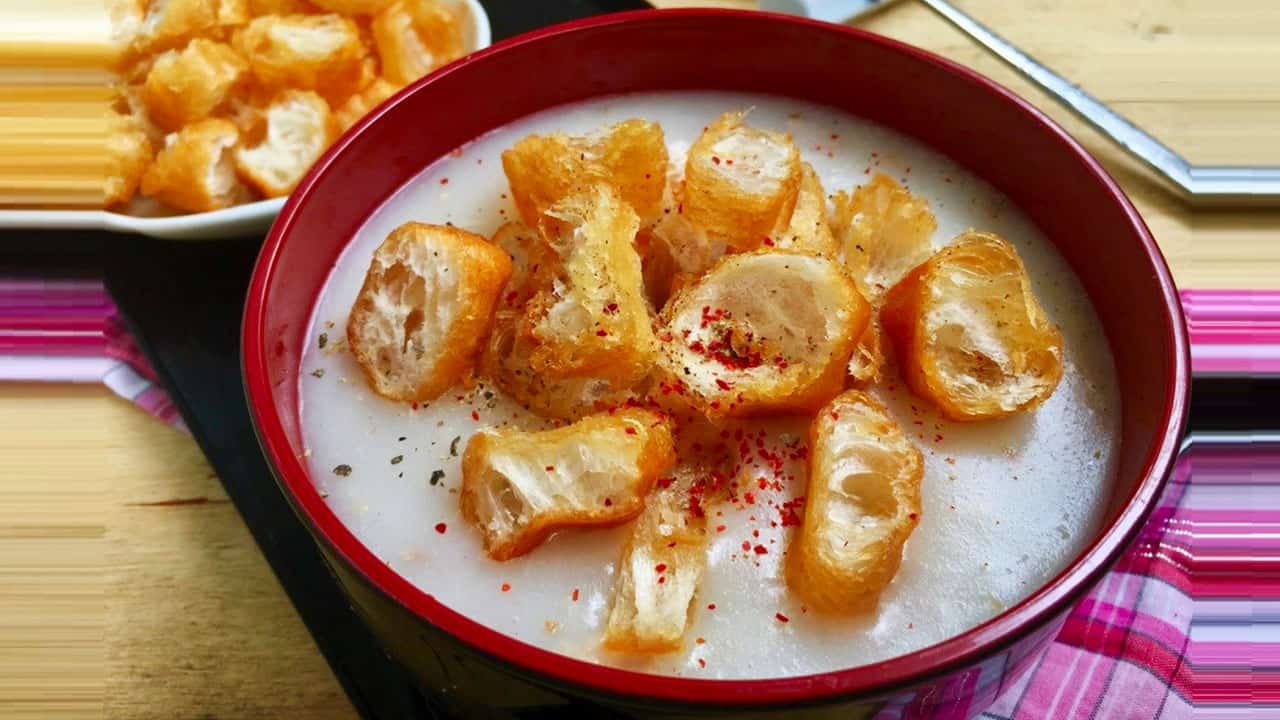
The autumn weather and the cool breezes of Hanoi’s changing seasons are great weather to sip a bowl of hot porridge. Vendors will put porridge from a large pot to a small pot, bring to a boil on a hot coal stove, then quickly pour meat or other ingredients into the island and pour it into a bowl.

The ingredients have just been cooked to keep the porridge bowl sweet, smooth and extremely attractive. Add a little hot chili pepper and stir the ingredients and you have a delicious bowl of porridge that is hard to resist. That’s why many people are not afraid to go far to eat or buy a bowl of delicious porridge for their loved ones when they are tired.

Hot Pots – Các món lẩu

Hot Pots - Các món lẩu
Hot Pots – Các món lẩu

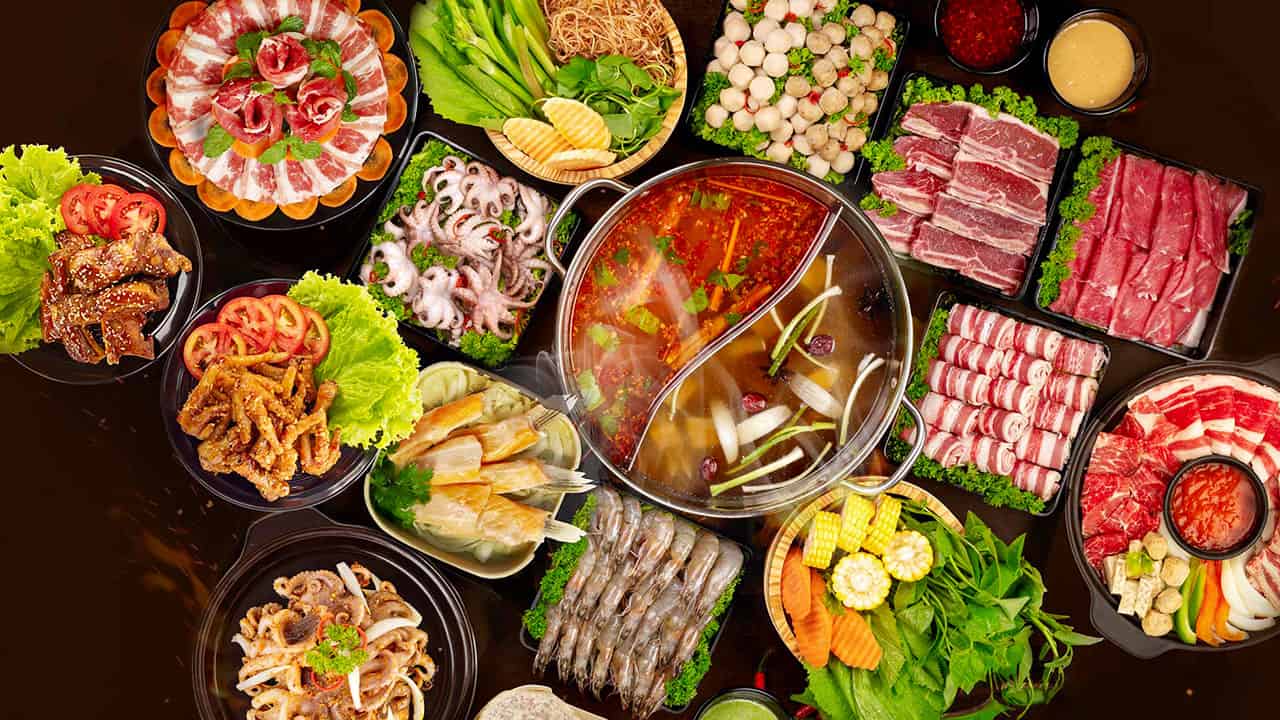
Coming to the capital to enjoy hot pot may be the most authentic way to experience the street food life here. The main ingredient is a pot of hot broth prepared with delicious spices and stocked with any fresh vegetables, meat and seafood you like. Enjoying hot pot with a few glasses of beer or wine adds heat to this dish.

Sticky rice dishes – Các món xôi

Sticky rice dishes - Các món xôi
Sticky rice dishes – Các món xôi

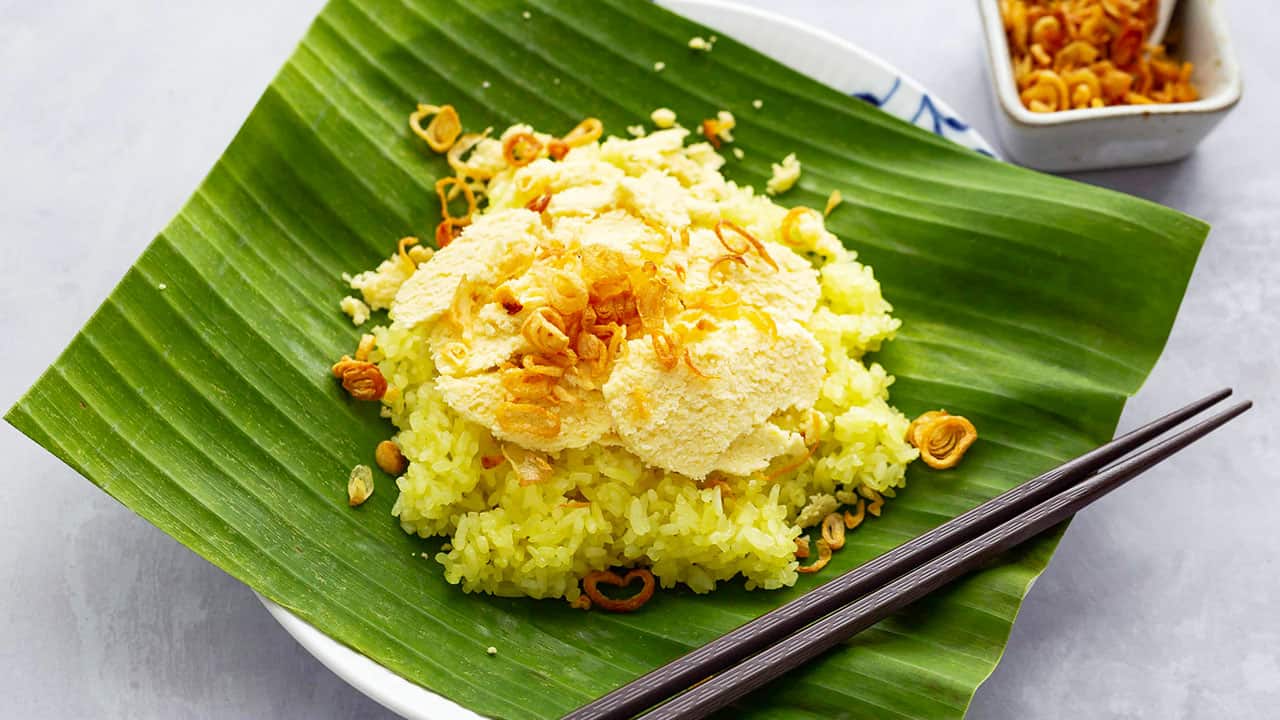
Sticky rice Xeo is a very familiar light breakfast dish but has a strange charm to hold guests from far away. Sticky rice Xeo is yellow, flexible, blended with the flavor of onions and green beans. Sticky rice is wrapped in banana leaves, fragrant lotus leaves smell of the countryside. Enjoy a handful of sticky rice, you will feel all the sweet, salty, delicious and warm in the cold weather of Hanoi.

Besides sticky rice, you can also enjoy many other sticky rice dishes such as sticky rice with beans, sticky rice with corn, sticky rice with peanuts, sticky rice with potatoes, etc. The sticky rice dishes in Hanoi all have unique flavors that make it difficult for people to find. forget every time you go away.

Steamed Rice Cake – Bánh đúc

Steamed Rice Cake – Bánh đúc

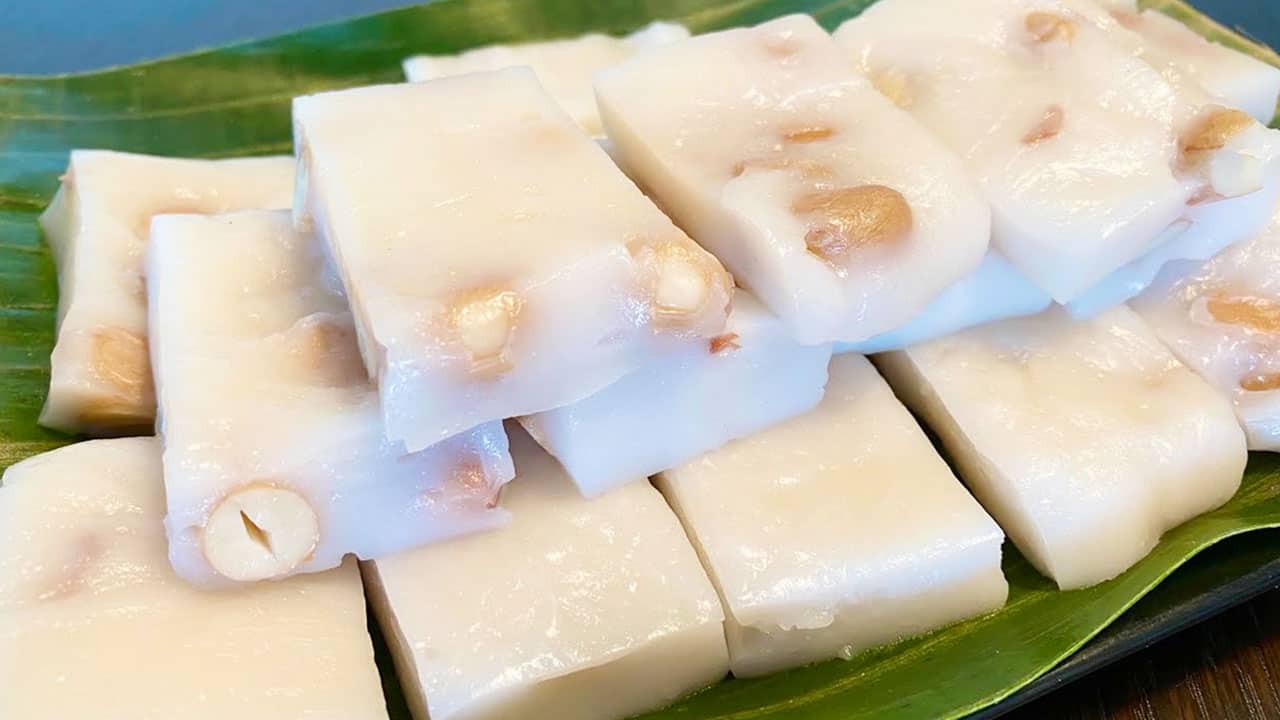
If you are looking for a delicious, warm snack to enjoy on a winter day, Steamed Rice Cake is an ideal dish. Sticky rice flour mixed from plain rice flour and tapioca flour, add roasted minced meat with wood ear. Finally, add hot sweet and sour fish sauce, sprinkle some fried onions and coriander for more flavor. Steamed Rice Cake is sold all year round, but the best enjoyment is in the winter afternoon sitting on the sidewalk, eating just right and warm without being too full.

Stuffed pancake – Bánh cuốn

Stuffed pancake – Bánh cuốn

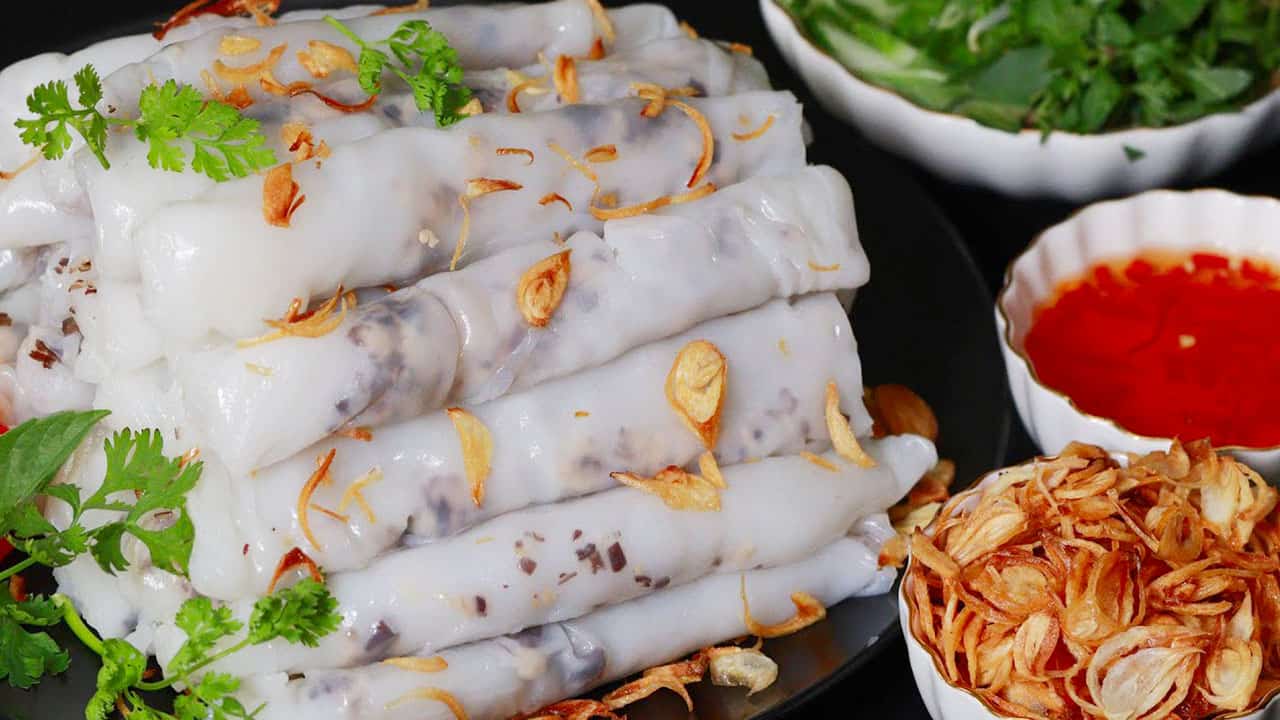
This is an iconic Hanoi street food of the capital that you should not miss. The flexible stuffed pancakes are rolled with ground meat and wood ear, sprinkled with fried onions and dipped with hot fish sauce. It’s not tangy or spicy like many other Vietnamese dishes but you can always add chili or lemon. Traditionally, stuffed pancakes are a breakfast dish that goes deep into the culture of the people here.

Shrimp cake – Bánh tôm

Shrimp cake – Bánh tôm

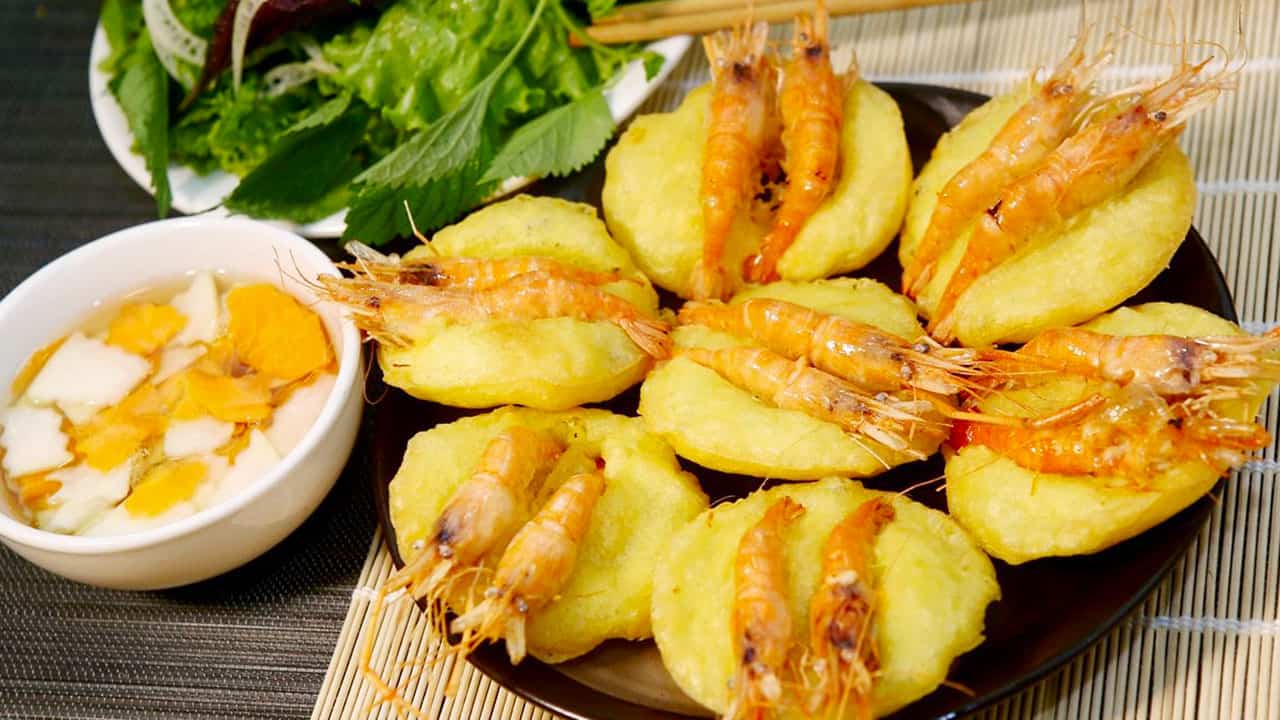
Shrimp cake is a street food loved by many tourists. Shrimp cakes originated in Hanoi, so you probably won’t find them anywhere else in Vietnam. Fried shrimp cakes with crispy crust and shrimps on top. The shrimp here are caught from West Lake, so they are very sweet to eat. When eaten with sweet and sour fish sauce, there is a little green papaya and carrot.

Sticky rice balls – Bánh khúc

Sticky rice balls – Bánh khúc

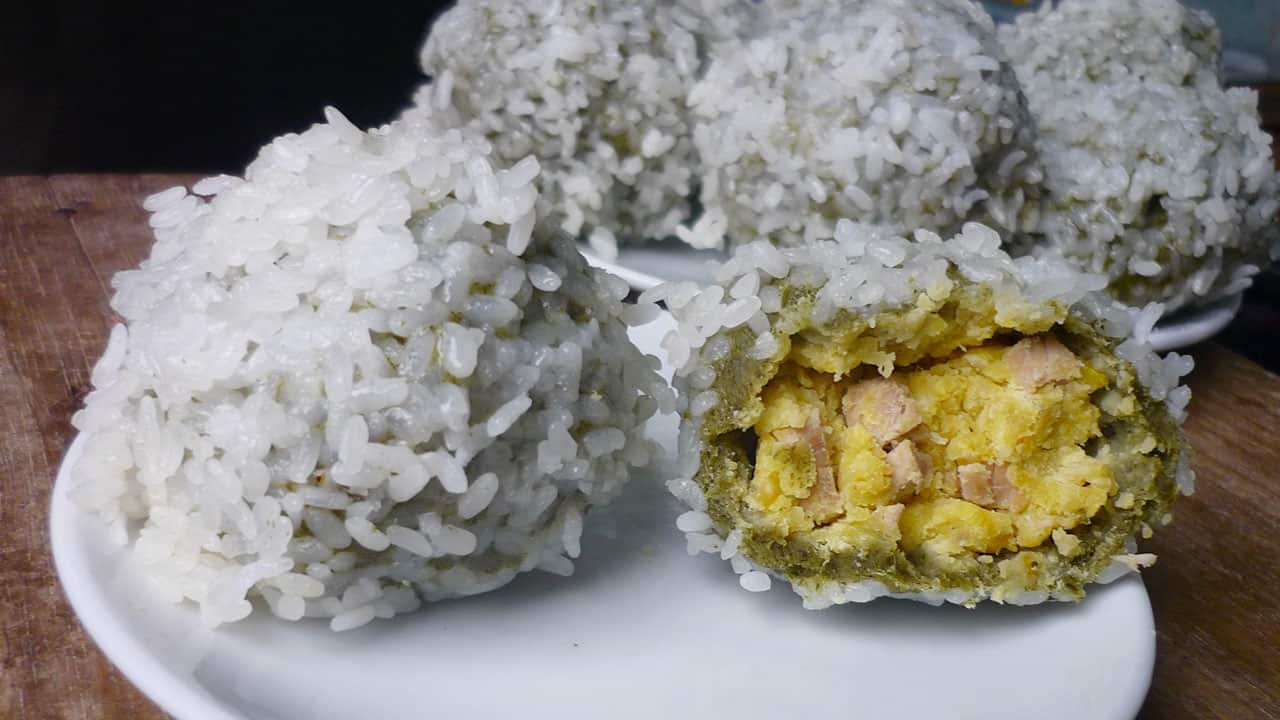
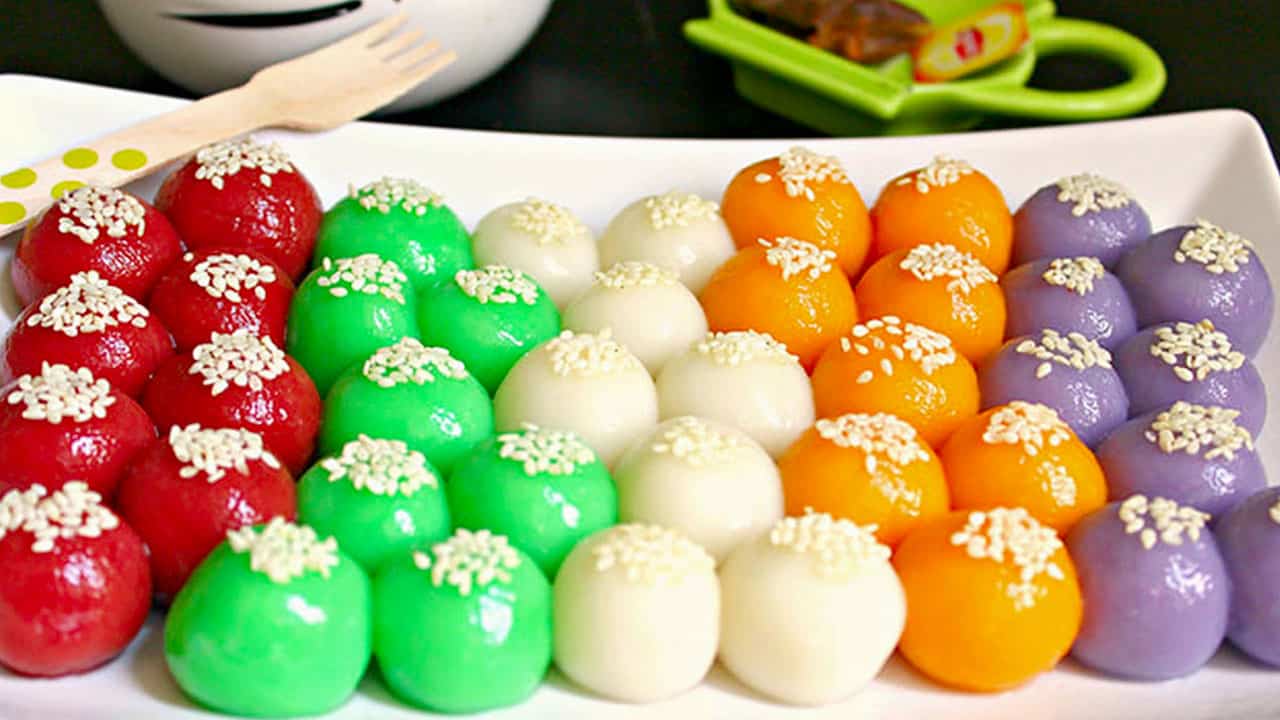
Sticky rice balls are made from green leaves, glutinous rice, pureed mung bean paste and pork. It is most often made in the season of vegetables, around February – March of the lunar calendar. In Hanoi, handfuls of sticky rice are often peddled in the evenings and the way the seller sells sticky rice balls in a very distinctive tone has become a feature of Hanoi.

Green rice cake – Bánh cốm

Green rice cake – Bánh cốm

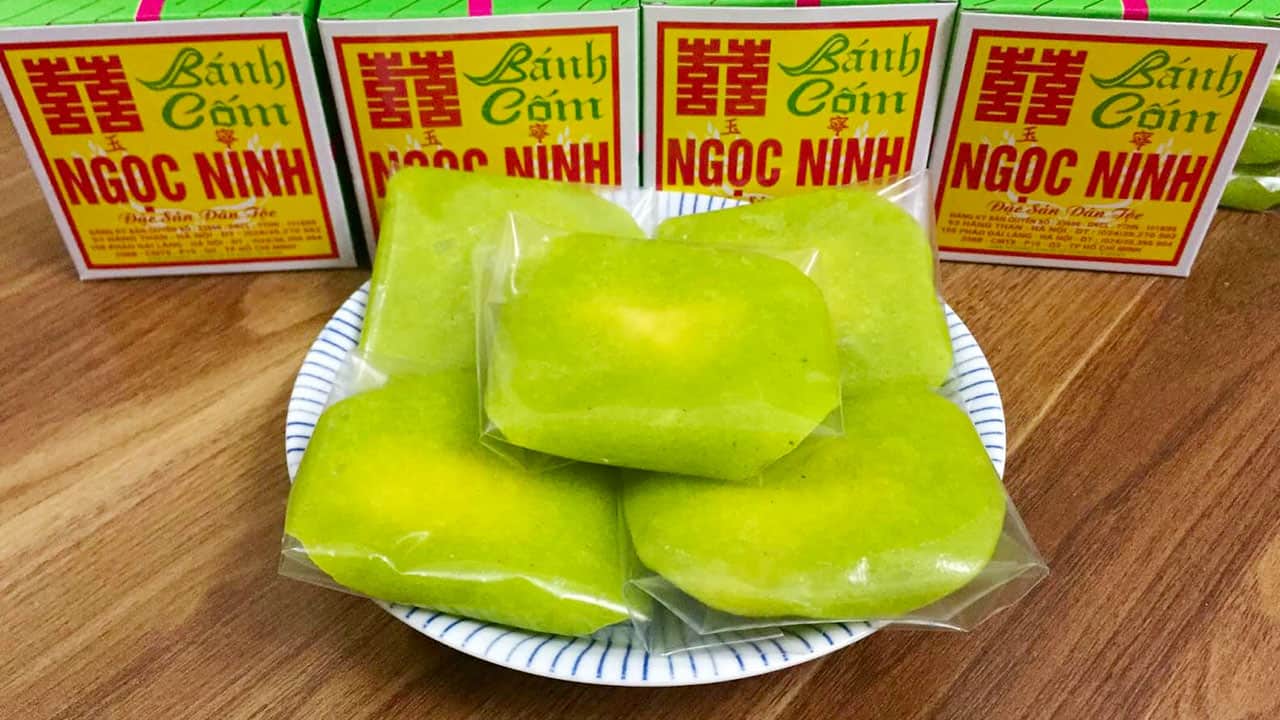
Green rice cake Hanoi specialties as a gift is not because only in Hanoi can this kind of cake be available. But it must be Hanoi’s rice nuggets to be delicious, to have the right taste, to have the bold flavor of Ha Thanh young nuggets. The attractive feature of Hanoi’s rice cakes is that when reaching the hands of the guests, they still have a new, flexible and fragrant smell of green rice. The square represents the land, the green represents the taste of the countryside. The coconut green bean paste is as sweet as the love of the people of Hanoi to visitors.

Donuts of all kinds – Bánh rán

Donuts of all kinds – Bánh rán

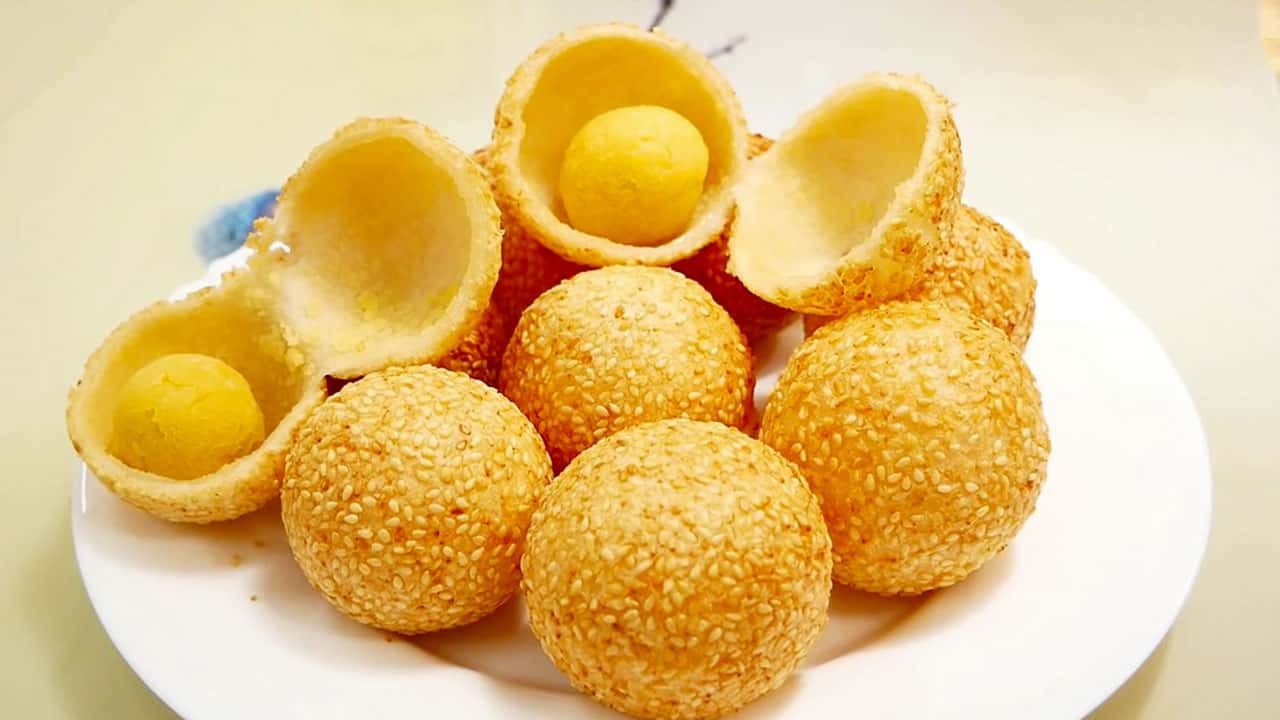
Donuts are a sweet treat for an afternoon snack that you should enjoy when you come to Hanoi. With only simple ingredients of glutinous rice flour and green bean paste, the old shops here can sell tens of thousands of them every day. The two most famous types of cakes are sugar donuts and honey donuts.

Grilled skewers – Thịt xiên nướng

Grilled skewers – Thịt xiên nướng

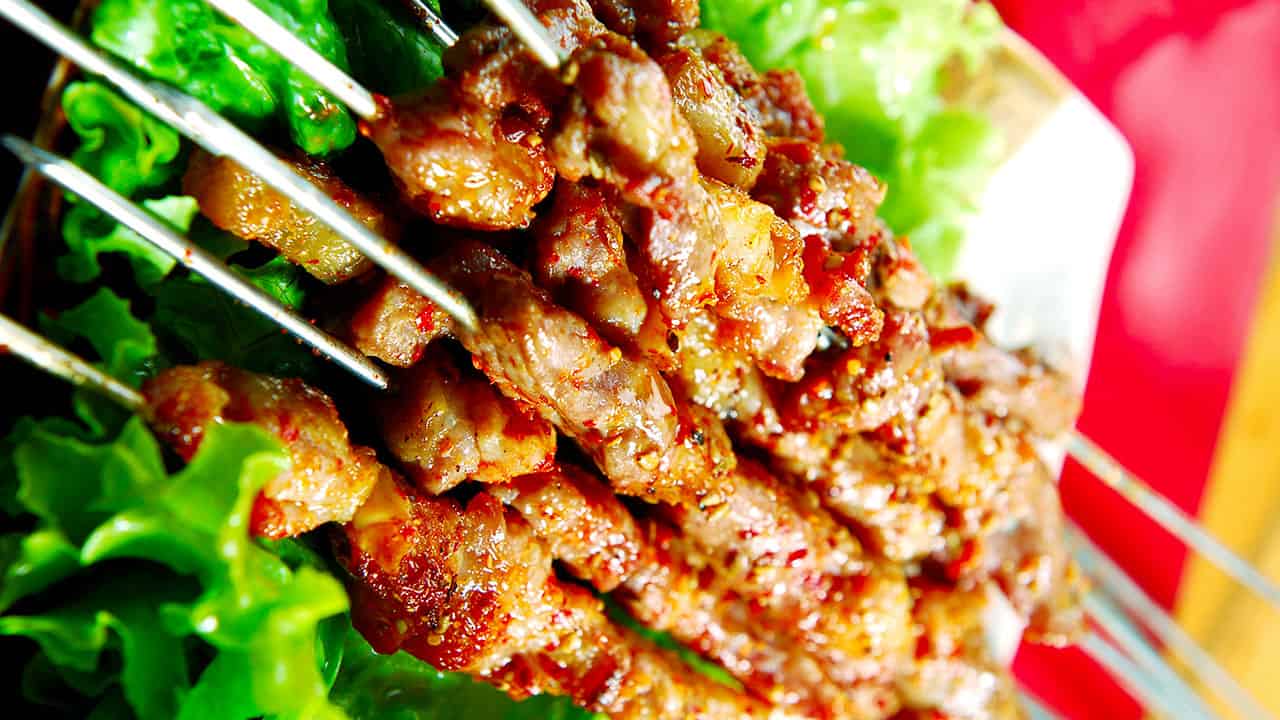
One of the favorite dishes of the lovers of barbecue. A rustic dish but with a strong flavor, in the afternoon passing through the streets, the Hanoi food market, the school gate, the smokey skewered meat shops give off a scent that makes anyone passing by have to look back. A simple dish with delicious marinated meat, grilled on charcoal, anyone of any age will love it.

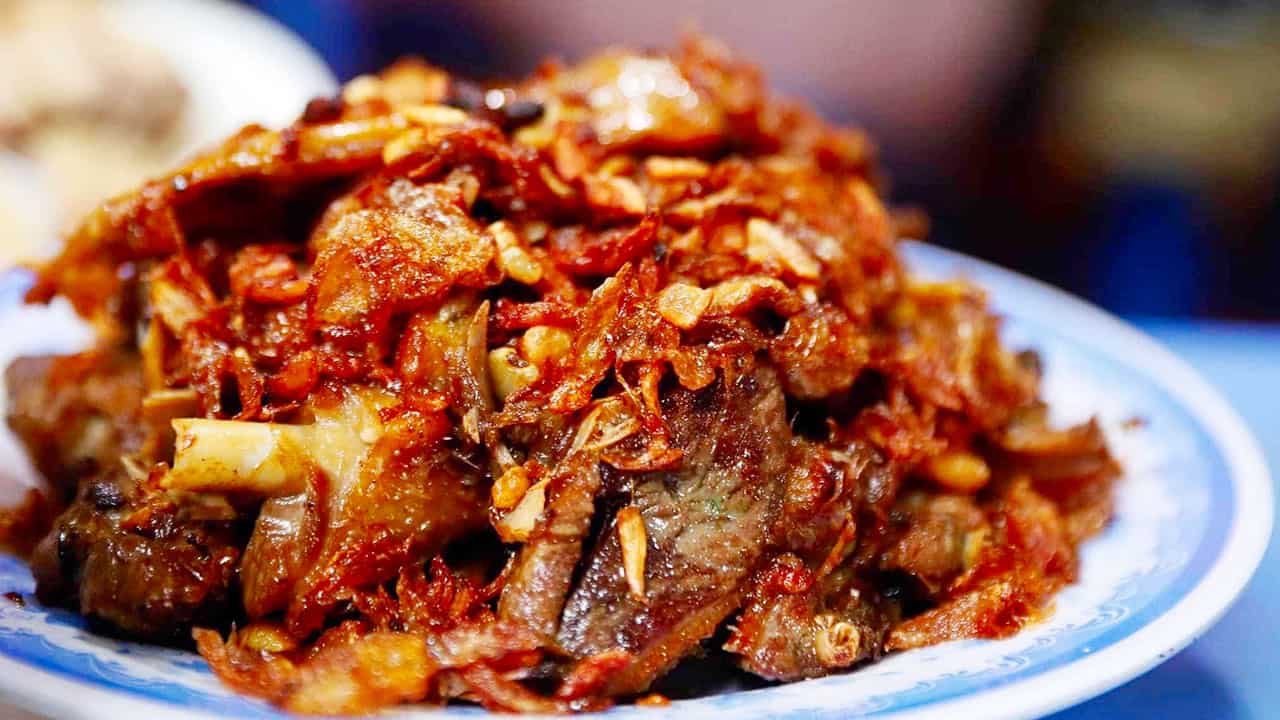
Goose meat with garlic – Ngan cháy tỏi

Goose meat with garlic – Ngan cháy tỏi

Goose meat with garlic with swan meat meets hot fat sizzling, emitting a seductive aroma and, shock it with fresh garlic that has been golden, let the garlic essential oil cherish each piece of meat savoury, soft and sweet.

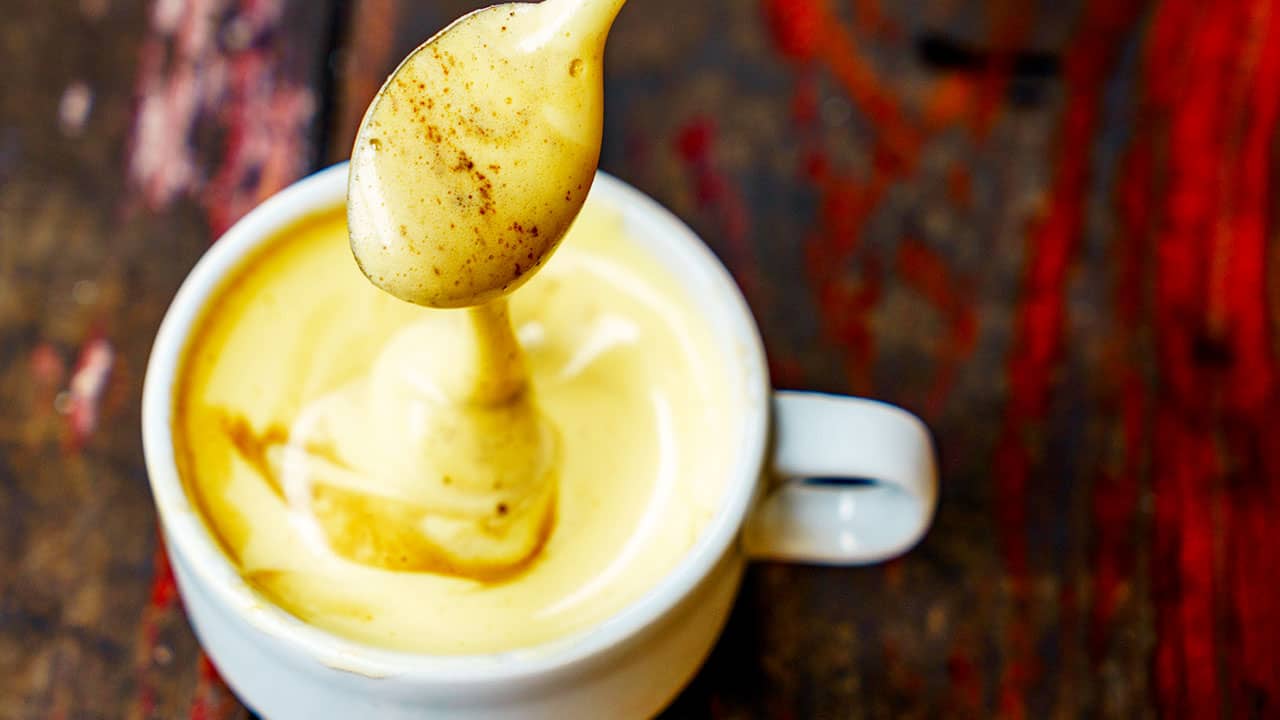
Egg coffee – Cà phê trứng

Egg coffee – Cà phê trứng

When visiting the city, many people will want to try this special coffee for its unique taste. Not as difficult to drink as black or brown coffee, egg coffee is quite easy to drink for everyone. However, to be able to make a delicious egg coffee with the right taste without being fishy is not an easy thing.

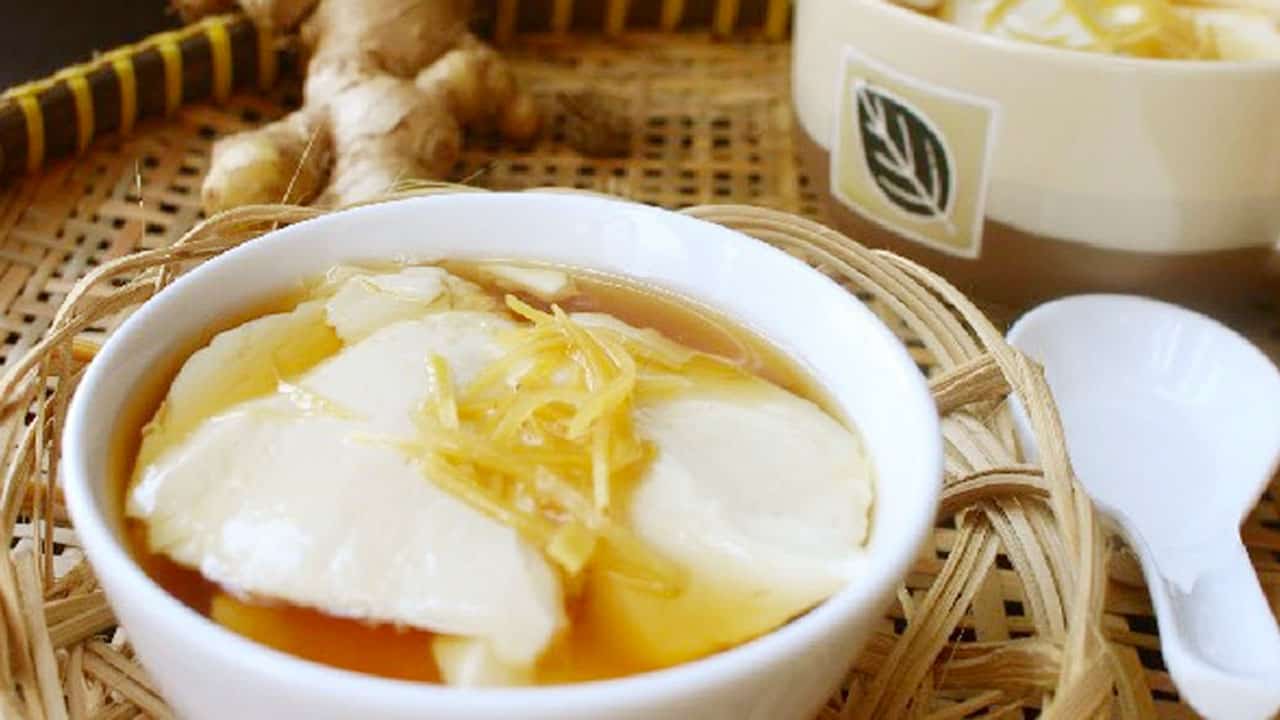
Tao Pho – Tào phớ

Tao Pho – Tào phớ
Tao Pho – Tào phớ

The taste of Tao Pho is cool, put in the mouth, it melts and melts in the heart of Hanoi street food. Adding sophisticated sugar water will surely satisfy the most demanding guests. This dish also has a lot of toppings to choose from such as pearls, coconut milk, and red beans.

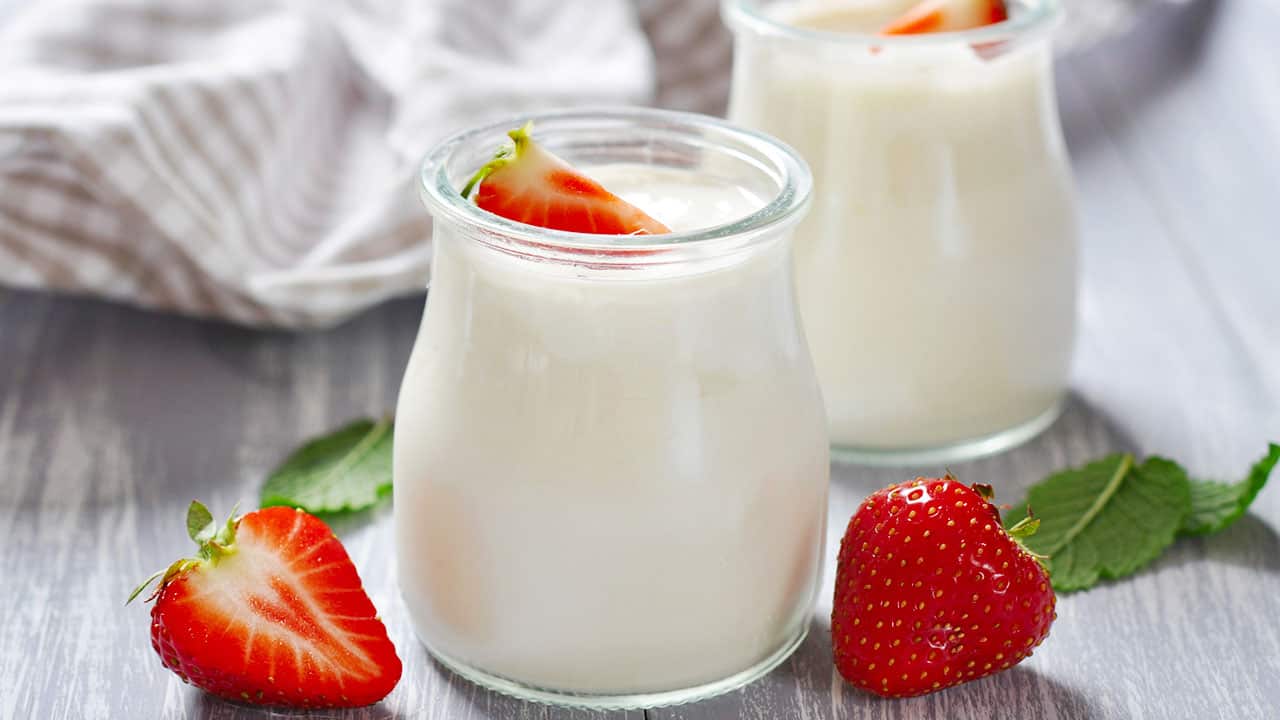
Yogurt – Sữa chua

Yogurt – Sữa chua
Yogurt – Sữa chua

Hanoi yogurt worth trying is a homemade yogurt with many cool flavors for summer. Although it has been around for a long time, it is still a favorite cheap snack for light meals today.

Fruit beams – Hoa quả dầm

Fruit pickles are simply chopped fruit

Fruit pickles are simply chopped fruit and mixed with condensed milk and shaved ice, but eaten on a summer day is both cool and nutritious. Visitors to any street of Hanoi can easily find themselves a snack shop selling pickled fruits.

Nuggets Hanoi – Cốm Hà Nội

Nuggets Hanoi – Cốm Hà Nội

When it comes to Hanoi’s culinary culture, connoisseurs will definitely talk about Nuggets as a very natural thing. Nuggets are Hanoi’s own, a very toxic snack that has been kept for many generations.

Nuggets are a gift from nature to farmers, a gift of young rice crystallized with the taste of heaven and earth and morning dew. Each granule of sticky rice has a fresh colostrum flavor, and is so fragrant that, just passing through a load of green rice nuggets, you can see that it brings back that gentle, characteristic ethereal smell. Therefore, this is a specialty food of Hanoi as the number 1 gift to bring back to relatives and friends when traveling.

Lemon Tea – Trà chanh

Lemon Tea – Trà chanh

The lemon tea shops in Hanoi have appeared recently with the sidewalk model with professional services and have been the favorite choice of everyone, especially young people. You can completely comfortably hang out at the bar with your friends and sip delicious and delicious drinks at extremely student prices. Not milk tea or luxury coffee, street lemon tea is a trend of Vietnamese people now that tourists coming to Hanoi also love it.

Dried beef salad – Nộm bò khô

Dried beef salad – Nộm bò khô

In Hanoi, whenever people mention mannequins, people immediately think of delicious and special dried beef mannequins. There are countless stalls with dried beef mannequins in Hanoi, from street vendors to luxury restaurants, each with its own distinct flavor.

Caramel

Caramel
Caramel

Homemade traditional caramel is also an attractive snack. But the caramel in Hanoi shops today also has many variations such as adding pearls, jelly, coconut, and fruit. The taste of this dish is also bold Hanoi street food that you should not miss when coming here.

Dried fruit – Ô mai

Dried fruit – Ô mai
Dried fruit – Ô mai

Dried fruit now has a multitude of options, made from many different types of fruit. Hang Duong Dried fruit is a specialty that many people choose to buy as a gift when traveling to the capital.

Trang Tien ice cream – Kem Tràng Tiền

Trang Tien ice cream

Trang Tien ice cream has been a famous dish for a long time, becoming a favorite dish for many generations. Trang Tien ice cream is always the choice on major holidays and summer holidays of many families. Tourists walk around the lakeside, wander around the old town but will definitely have to come back to eat Trang Tien ice cream.

Some notes when enjoying street food Hanoi

Just like anywhere else, when visiting the capital Hanoi, you should learn carefully about information such as prices of services, reputable dining addresses. This will help you not to fall into the trap of the challenger as well as avoid the points that often cut customers.

Hanoi is a paradise of sidewalk food stalls, but this street food culture sometimes makes it difficult for tourists. Because it is not easy to find the menu with the prices listed in these restaurants. Therefore, when entering a restaurant Hanoi, before eating, you also have to ask the price because if you finish eating and drinking, you can’t argue. This can make the owner just a little uncomfortable but it is better than being charged unexpectedly high prices after eating.

The above article has summarized the best street food Hanoi as well as some notes on enjoying the food here. Before coming to Hanoi, you need to find out all the information in advance to get the best experience.

Top 5 best pho in Hanoi Old Quarter
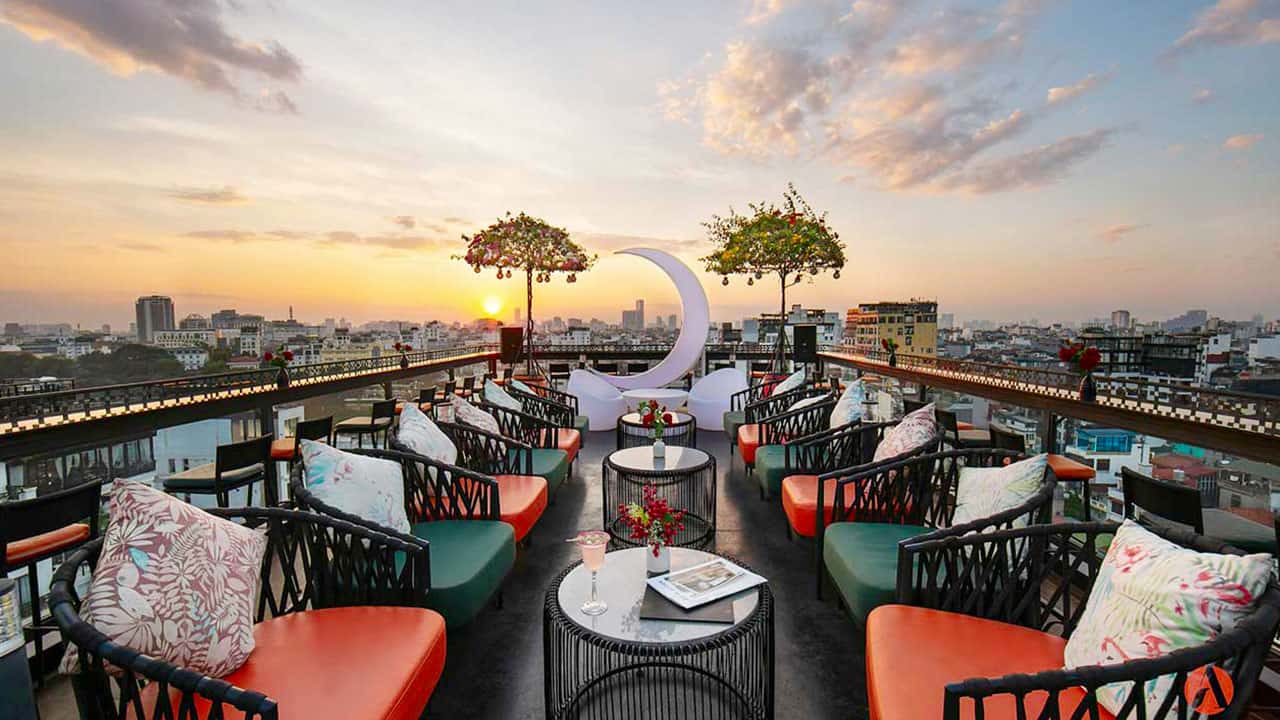
Pho Hanoi

People know Hanoi with its thirty-six ancient streets, with twelve passionate and beautiful flower seasons or with beautiful check-in places like a fairy scene. But what makes people miss Pho in Hanoi – the pride of the capital’s cuisine.

Pho can be considered as the “national dish” of Vietnam, especially in Hanoi. In the capital, from the small street to the big street, you can find pho anywhere. This is a daily dish in Hanoi, one can have it for breakfast, lunch or dinner. Some people like traditional flavors, others like new ways of cooking. Only from the fluffy white noodle soup, can Hanoians make hundreds of attractive and attractive dishes from aroma to taste. If you want to enjoy the best traditional Pho bowls, check out our list of 5 Pho restaurants in Hanoi Old Quarter. You will certainly feel satisfied.

Overview Pho Hanoi

Pho is a traditional dish of Vietnam, can also be considered as one of the most typical dishes for Vietnamese cuisine. Pho is usually used as a breakfast dish, or for dinner. Pho is one of the outstanding street foods.

Pho Hanoi
Pho Hanoi

Origin of Pho in Vietnam

From the mid-1960s to before the 1990s of the 20th century, for many reasons, the most important reason being the subsidized administrative management of food and foodstuffs, in Hanoi and many northern provinces appeared meatless pho in restaurants. state-owned stores. Also since the subsidy period, in Hanoi, people often have the habit of adding more noodles to the broth. Along with the renovation period from the 90s, pho has become more abundant and Hanoians often eat pho with small pieces of dough.

In Hanoi, pho is a special dish of Hanoians who do not know since when. Pho is used exclusively as a breakfast or lunch and dinner gift, not eaten with other dishes. The broth of pho is made from the broth of beef bones: lump bone, tubular bone and clavicle. Meat used for pho can be beef, or chicken. Pho must be thin and chewy. The seasoning of pho is green onion, pepper, chili vinegar, sliced lemon.

Pho originated in the North of Vietnam, infiltrating the Central and Southern regions in the mid-1950s. The Vietnamese in the north migrated to the South in 1954 with pho and pho started to have differences.

The exodus of Vietnamese people in the post-Vietnam war period made Pho known in many parts of the world, especially Western countries. There have been many pho restaurants in the US, France, Australia and Canada. So far, born in Vietnam, pho has become a famous dish in many countries around the world.

The main ingredients in Pho Hanoi

The main ingredients in Pho Hanoi

The main ingredients of pho are pho noodles and broth along with thinly sliced beef. In the past, only fully cooked beef noodle soup, later, diners accept both rare pho, chicken noodle soup, pork noodle soup, and shrimp noodle soup.

“Banh Pho”, traditionally, is made from rice flour, coated in thin sheets and then cut into fibers.

The broth is generally made by stewing beef bones, the meat used for pho is beef or chicken, dried squid and spices including cinnamon, anise, ginger, cardamom, cloves, dried onions, spring rolls, shrimps. , dried ginseng, oxtail, coriander seeds, etc. The recipe of each specific broth for each noodle shop is kept quite secret.

It is also accompanied by condiments such as: soy sauce, pepper, lemon, fish sauce, chili, etc. These spices are added according to the taste of each user. In the southern provinces of Vietnam, pho is presented with additional ingredients called herbs such as onions, bean sprouts and coriander leaves, in which coriander is the typical leaf of pho.

Top 5 Best Pho In Hanoi Old Quarter
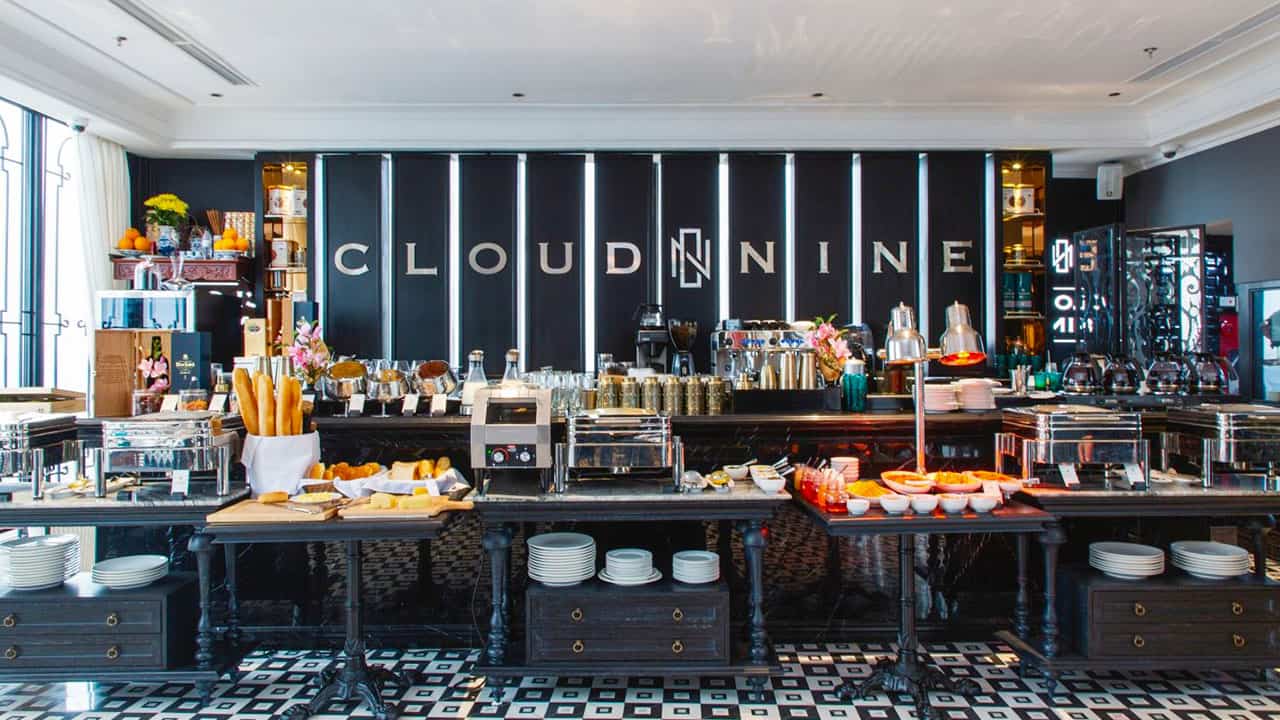
If you want to experience the traditional and truly delicious Pho taste, then you need to look to the old Pho restaurants. They offer a special Pho flavor that you can’t find anywhere else. Here is a list of heirloom Pho Hanoi restaurants you can refer to.

Pho Bat Dan – Phở Bát Đàn

Pho Bat Dan - Phở Bát Dàn
Pho Bat Dan – Phở Bát Dàn

The 49 Bat Dan heirloom noodle shop dates back to the 60s of the last century, it has existed and developed for more than 100 years. The entire century of existence of the shop remains the same, almost unchanged.

Pho Bat Dan still retains the traditional pho flavor with a fragrant and sweet broth cooked with beef bones and marrow, carefully selected beef that is clean and soft, and the noodles are tough and not mushy. What creates the strongest attraction for diners to this Bat Dan pho place is the image of a long line of people waiting to eat Bat Dan pho like in the subsidy period. Because of the special thing here, the name “waiting pho” was born. Therefore, although there are hundreds of thousands of different pho restaurants in the capital city, the reputation of Bat Dan Pho is forever spread by people as the most delicious and unique pho brand in the land.

Features of Pho Bat Dan

There are two features right at this Bat Dan Pho restaurant, that you will be “surprised” that the shop will have no service staff. It doesn’t sound as comfortable as today’s pho restaurants, because every place has a waiter to the table for guests. But not at Pho Bat Dan, all diners here must serve themselves completely. After waiting for a while for the customer’s turn to go through: order the food, pay for it, and bring the pho home.

The second special feature at Bat Dan Pho is that it doesn’t use spices or MSG, but just simmers the broth with bones with a little fish sauce. Through all this time, the restaurant still retains the authenticity of customers, still retains this flavor and cooking method from the past to now.

If you visit Hanoi, remember to add Bat Dan pho place to your self-sufficient Hanoi itinerary, to enjoy a bowl of Bat Dan pho once and feel the delicious and special taste of pho heirloom for more than 70 years. how are you.

Address Pho Bat Dan

  • Address of Bat Dan Pho restaurant: 49 Bat Dan Street, Cua Dong Ward, Hoan Kiem District, Hanoi Capital.
  • Opening hours: 6:00 to 10:00 and 18:00 to 20:30 on weekdays.
  • Reference price fluctuates: from 40,000 VND to 50,000 VND.

Pho 10 Ly Quoc Su – Phở 10 Lý Quốc Sư

Pho 10 Ly Quoc Su - Phở 10 Lý Quốc Sư
Pho 10 Ly Quoc Su – Phở 10 Lý Quốc Sư

Pho 10 Ly Quoc Su isn’t the only option, but it’s definitely the best. The taste of pho here is very special, both frugal, sweet and fragrant with a rustic aftertaste. While eating, you can feel the sophistication of the pho broth making every spoonful of broth in your mouth as if you want to stay there forever. Each piece of thinly sliced meat is presented very eye-catching, which is the ingenuity in each knife line. Biting a piece of meat and a little noodle soup, it seems that all sensations and senses come to life after a long winter break.

The restaurant is quite small, but it is very clean and has a cozy atmosphere. The menu of the restaurant is placed right under the glass of the dining table. The menu with pho is the main dish, but also has a variety of types such as rare beef pho, chicken noodle soup, special bowls. The price of Pho 10 Ly Quoc Su is quite high compared to the common ground of shops with the same brand. The lowest price of a bowl of pho is 70 000 VND.

About the service attitude of the staff

This is one of the famous pho restaurants but still retains an enthusiastic and professional service attitude. The staff at the shop have uniform uniforms, so it’s easy to identify, easy to call when you need something. Especially the professional bowl of pho, not causing unhygienic.

From the time of ordering to the time when pho is served, the longest is only about 10 minutes despite being crowded. The noodle making area is separated by glass to keep food hygiene and safety, there is only a small frame for the staff to serve pho.

Address Pho 10 Ly Quoc Su

Pho Thin Bo Ho – Phở Thìn Bờ Hồ

Pho Thin Bo Ho - Phở Thìn Bờ Hồ
Pho Thin Bo Ho – Phở Thìn Bờ Hồ

Thin Bo Ho Pho restaurant was born in 1954 and still retains its original simplicity, still nestled in a small alley on the famous Dinh Tien Hoang street. Over the past 60 years, although the city has gone through a few changes, the shop is still there, not much different from the original. Now few young people can understand the value of the oldest pho restaurant in Hanoi.

The quality of Pho Thin Bo Ho

Banh Pho is not soaked with preservatives, so it can only be used during the day, in return, the cake is soft and fragrant without being sour. The cooked or encrusted meat is cut into bite-sized pieces, the rare beef is gradually softened, rubbed with a large knife and placed in a bowl. The heat from the broth makes the meat cooked, and when brought out, the guests can keep the flavor in every fiber of the meat.

Pho Thin Bo Ho has a clear but still sweet broth, the beef is gradually softened, then marinated with pepper, ginger, garlic and a little fish sauce. In this way, the meat is fully spiced and more fragrant. Pho Thin Bo Ho has many different options, so diners are spoiled for choice according to their preferences.

Therefore, Pho Thin Bo Ho was honored as the dish serving the 2019 US-North Korea Summit in Hanoi. That day, Bui Chi Thin’s grandson, Bui Chi Thanh, was honored to receive a certificate of merit from Hanoi City. In the same year, Pho Thin Bo Ho entered the Top 10 favorite pho brands.

Pho Thin Bo Ho’s address

  • Address: 61 Dinh Tien Hoang, Hoan Kiem District, Hanoi
  • Opening hours: 05:00 – 13:00 | 18:00 – 20:30 daily
  • Price: 40,000VND – 55,000VND

Pho Bo Lam – Phở Bò Lâm

Pho Bo Lam is a long-standing pho brand, serving the best beef core noodle soup in Hanoi. The shop is a familiar destination of the people of Hoan Kiem district, attracting many tourists to visit Hanoi.

The outstanding feature of beef noodle soup is the clear, rich broth. The sweetness of the broth comes from the simmering beef bones, not the seasoning. The bowl of broth is not too hot, just enough to cook the onions and meat without burning the tongue. The beef here is quite soft, cooked evenly due to long blanching in hot water, so it has an eye-catching pink color. Beef core is soft, has a very unique taste. The thick, chewy noodles are true to Hanoi’s style, cut from a large noodle soup, and look quite square. Add the green, crispy spring onion stalks, creating a delicious bowl of pho that is unmatched.

A bowl of Pho Lam is not cheap, but it is worth the money. Moreover, the enthusiastic and fast service staff adds to the clean space of the restaurant. However, peak hours can be a bit crowded, with no seats, you will have to wait quite a while.

Pho Bo Lam address

  • Address: 48 Hang Vai, Hang Bo, Hoan Kiem, Hanoi
  • Phone: 0903 244 893
  • Opening hours: 7:00 – 22:00

Pho Ganh – Pho Gánh

Pho Ganh - Pho Gánh
Pho Ganh – Pho Gánh

In the top of the famous delicious Hanoi noodle shops, it is impossible not to mention that it is Pho 61 Hang Ngang. When coming here, diners will feel the rustic and familiar features.

With a variety of menu items, you are spoiled for choice with your favorite dishes. Almost everyone who comes here is also attracted by the traditional main dish, which is cooked and rare pho. In addition, if you want to change the taste, you can also order a delicious wine sauce.

With the taste of sweet and fragrant broth simmered from the bones, blended with soft chewy vermicelli noodles and thinly sliced meat to fit your mouth. All have created a particularly delicious bowl of Pho, which stimulates the taste buds immensely.

Another plus point of the restaurant is the service attitude of the staff is very enthusiastic and friendly. When you arrive, please sit in the waiting row to be served by the owner in turn.

  • Address: 61 Hang Ngang – Hang Dao – Hoan Kiem – Hanoi

Note When Eating Pho Hanoi

Note When Eating Pho Hanoi

Although rich in nutrients, if eaten improperly, it can make you obese or increase blood pressure. Here is a healthy way to eat pho that everyone should know:

  • Using bone broth: Eating pho with broth that uses “pho seasoning” instead of bone broth will make the content of saturated fat and salt in pho even higher, causing adverse health effects. Bone broth will be sweeter and more delicious.
  • Eat less noodle soup: Eat less noodle soup to reduce starch, thereby helping to lower blood sugar.
  • Eat a lot of vegetables: Eat with sprouts, onions, herbs to provide fiber in the body and control blood sugar. These herbs also make your bowl of pho more flavorful and appealing.
  • Replacing beef pho with chicken noodle soup helps to reduce protein intake as well as create a feeling of fullness faster.
  • Limit the use of chili sauce, chili oil, satay to reduce salt because these can be harmful to the heart. In a bowl of pho, which already has a lot of salt, you should limit these chili oils to reduce saltiness and enjoy the original sweetness of Pho.
  • Do not eat too many pho in one meal, eat too many meals in a week, because this can cause your weight to increase rapidly.

Conclusion

Pho Hanoi is one of the most attractive traditional dishes here. If you have a chance to go to Hanoi or Vietnam, you should try this dish. Each type of Pho will bring a completely different and new taste to you. Hopefully, our list of 5 Pho restaurants in Hanoi old quarter will make your trip more enjoyable!
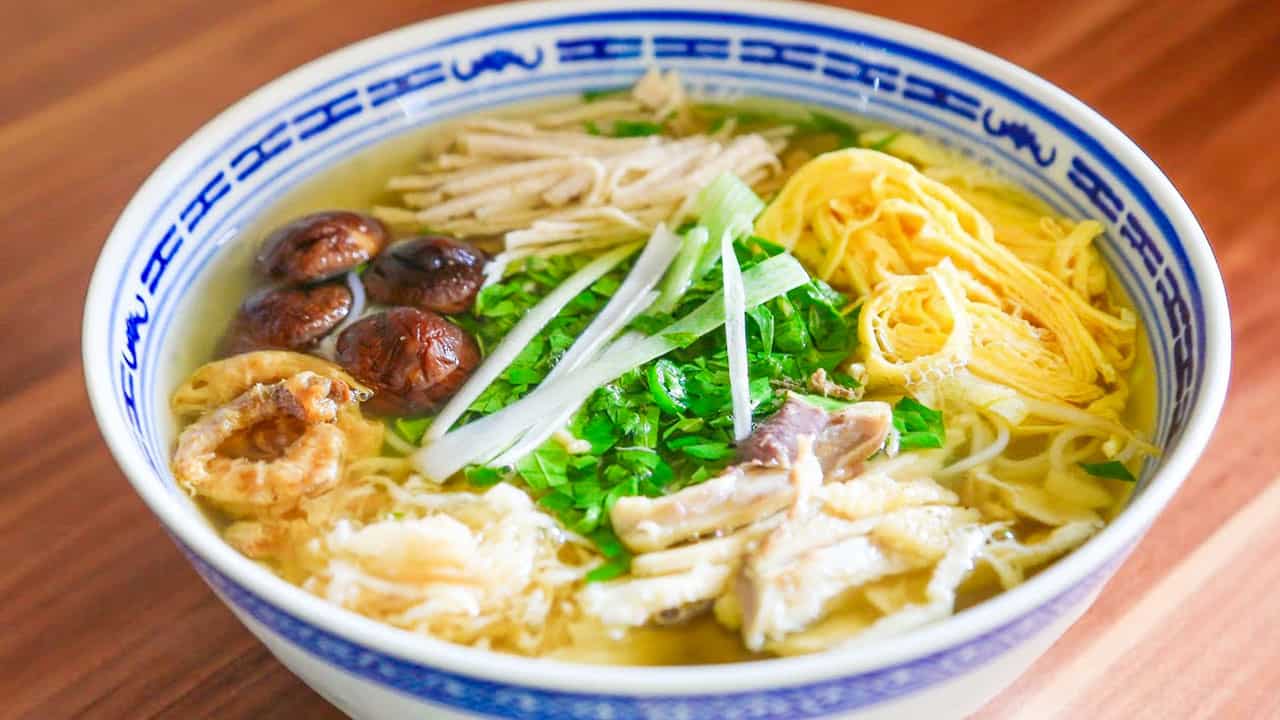
The Cold Food Festival (Tết Hàn Thực) origin and meaning

The Cold Food Festival in Vietnam

Cold Food Festival (Tết Hàn Thực) is a traditional New Year’s day taking place in March every year, popularly appearing in the North of Vietnam and China. Not everyone knows what Tết Hàn Thực is? As well as the origin and meaning of this Tet holiday. Today, let’s find out with Duong’s 2 restaurant clearly!

What is the Cold Food Festival?

What is the Cold Food Festival?

The Cold Food Festival (Tết Hàn Thực), also known as Qingming Festival or Tomb Sweeping Day, is a traditional Chinese and northern provinces of Vietnam holiday that falls on either March 3rd (lunar calendar). It is a time for families to pay their respects to their ancestors by visiting their graves, cleaning the tombstones, and offering food and other offerings.

The Cold Food Festival in Vietnam

“Tết Hàn Thực” in Vietnam

On “Tết Hàn Thực” all family’s members, even living or working far from home will come home to make “banh troi” and “banh chay” together. “Banh troi” and “banh chay” are two traditional food of Tet Han Thuc in Vietnam. “Banh troi” are spheres made of glutinous rice flour with piece of sugar inside. “Banh chay” are bigger than “banh troi” and have sweet green bean paste inside instead of piece of sugar.

Children experience Tết Hàn Thực

After all have been done, “banh troi” and “banh chay” will be put on a tray on altar to offer ancestor. The householder will burn incense to invite ancestor enjoy “Tết Hàn Thực” with family. When the liturgy of ancestor worship ended, all family will eat “banh troi” and “banh chay” together. “Banh troi” is usually added some coconut fibers and sesame; “banh chay” is associated with sweet broth.

Origin of Cold Food Festival

Origin of Cold Food Festival

The origin of the Cold Food Festival dates back to ancient China, where it was believed that eating hot food during this time would bring bad luck. Therefore, people would eat only cold food for three days leading up to the festival. This tradition is still observed by some people today, although it is not as widely practiced as it once was.

The meaning of Cold Food Festival

In addition to visiting graves and offering food, the Cold Food Festival is also a time for people to enjoy the outdoors and partake in various activities such as kite flying, dragon boat racing, and other traditional games. Overall, the “Tết Hàn Thực” is an important cultural event in Vietnam and China and a time for families to come together to honor their ancestors and enjoy each other’s company.

Remember ancestor
Remember ancestor

Another important aspect of the Cold Food Festival is the practice of burning joss paper, also known as ghost money. Joss paper is burned as a form of offering to ancestors in the afterlife, and it is believed that the smoke from the burning paper will reach the spirit world and provide comfort to the deceased.

In recent years, there has been a shift towards eco-friendly alternatives to joss paper, such as paper made from rice or bamboo, in order to reduce environmental impact. Some people also choose to donate to charity or volunteer in honor of their ancestors instead of burning offerings.

Donate to charity activity

The “Tết Hàn Thực” is not just limited to Vietnam and China; it is also observed in other countries with significant Chinese populations, such as Taiwan, Hong Kong, and Singapore. However, the way in which the festival is celebrated may vary depending on the region and local customs.

Conclude

Although the legend of that festival in China is to remember Gioi Tu Thoi a loyalty madarin in the dynasty of King Tan Van Cung, the festival in Vietnam is not related to that legend. We are found that day as a day to remember ancestor and for family gathering.

What is fine dining restaurant? Top 5 fine dining restaurants in Hanoi

What is fine dining restaurant?

If you’re thinking about opening, re-branding, or expanding a restaurant you probably already know what type of food you want to serve. But, have you thought about what kind of restaurant you want to run? The idea of a fine dining restaurant with great chachet may appeal to you but do you know what it takes to run a fine dining establishment versus a family restaurant, a casual restaurant or a fast casual restaurant?

What is fine dining restaurant?

What is fine dining restaurant?

Fine dining restaurant is a restaurant with high quality food, high quality service, including staff and other aspects. Fine dining restaurants are often luxuriously designed with high-quality materials, and have separate regulations for employees and customers.

Fine dining restaurants are usually distinguished by the high quality of three factors. Obviously, the higher quality, the higher the costs for all three of these factors.

Food

Food quality at fine dining restaurant

A fine dining restaurant’s menu does not need to be extensive, but all the ingredients need to be high quality. Depending on your area, the cost of the food itself may not actually be higher. Most importantly, the chef needs to be creative and the sous-chefs need to be well-trained to carry out the chef’s instructions. Because customers expect an enhanced level of service at a fine dining restaurant, chefs also need to be prepared to make adjustments to menu items.

Decor

Food decor in-fine dining restaurant

Everything in a fine dining restaurant should provide a unified feeling. So, if the menu is upscale Italian, the decor needs to be as well. If the menu is minimalist, so too should be the decor. Whatever the style, the linens, silverware, glassware, and plates all need to be high quality.

Customer Service

Customer service at fine dining restaurant

Establishing great customer service is especially important, and costly, for a fine dining experience. High quality customer service is not the stereotypically snooty waiter of movies, rather it is a large group of staff being attentive to the needs of customers. Waitstaff in fine dining restaurants need to be well trained and comfortable with a diverse group of customers.

Top 5 fine dining restaurants in Hanoi

Duongs 2 Restaurant

Duongs 2 Restaurant
Duongs 2 Restaurant

Duong’s 2 Restaurant is located 101 Ma May street in the center of Hanoi Old Quarter. Duongs 2 Restaurant is a best restaurants in hanoi old quarter with elegance of unique contemporary architecture that harmonizes with the sophistication and nostalgia of the old quarter atmosph.
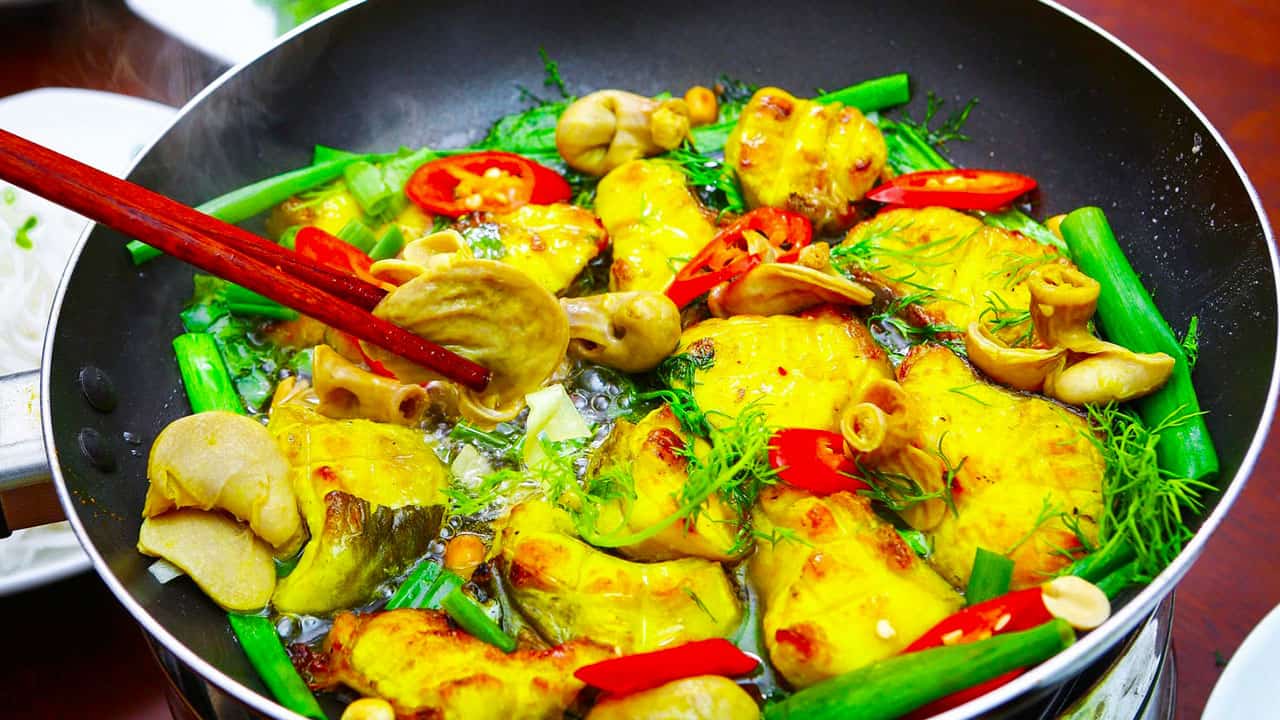
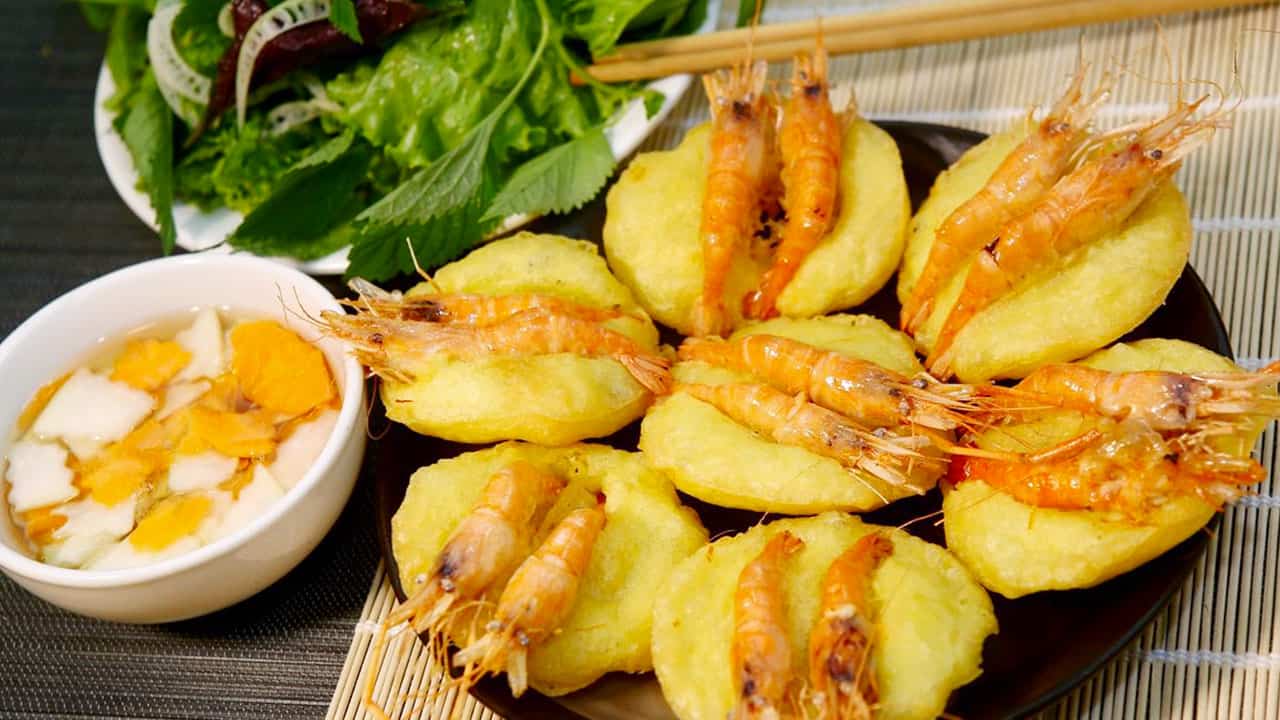
In addition to enjoying delicious Vietnamese dishes, you also have the opportunity to participate in the best cooking class in Hanoi. Do not miss it!

Contact

  • Address: 01 Ma May Street, Hoan Kiem Distric, Hanoi, Vietnam
  • Telephone:: +84 946 937 345 ((Viber/Zalo)
  • Email: info@duongrestaurant.com

Duong Restaurant

Duong’s Restaurant is located at 27 Ngo Huyen Street, an ideal place to eat in Hanoi Old Quarter.

Duong Restaurant
Duong Restaurant

Quality and thoughtfulness can be seen in every aspect of our business, from the comfortable and thoughtful interior design to the courteous service of our enthusiastic and food-savvy staff.
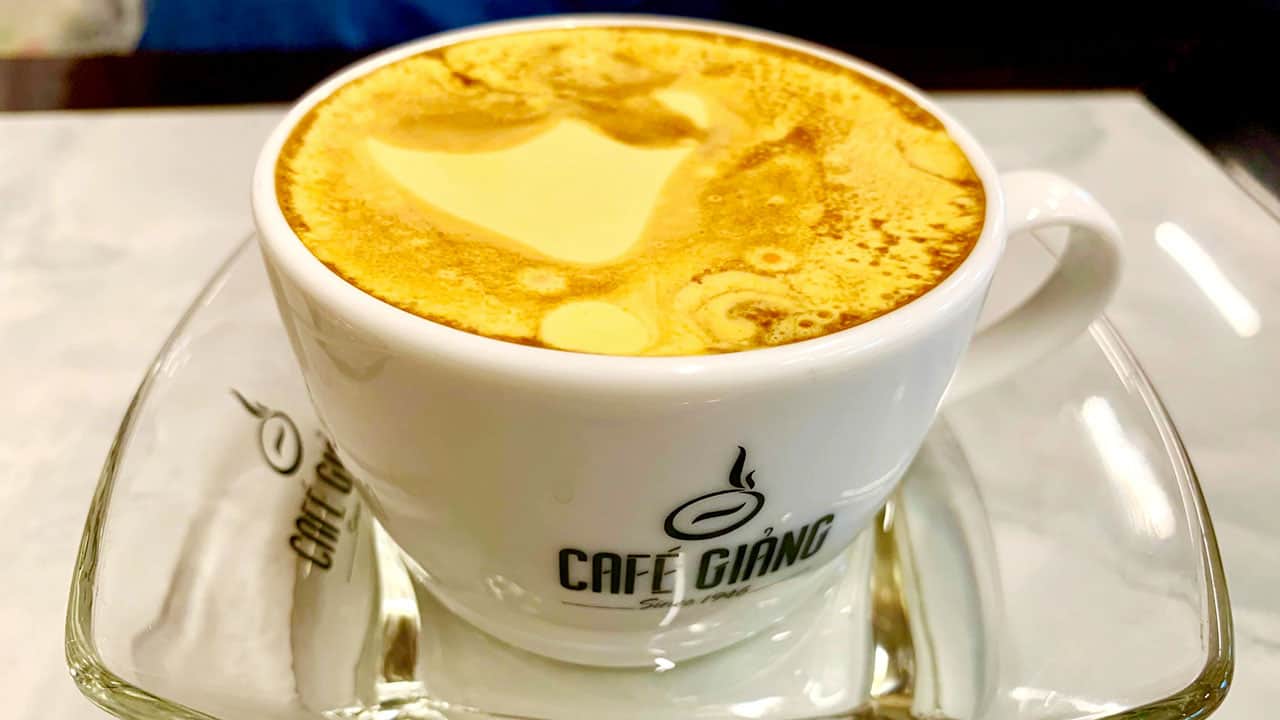
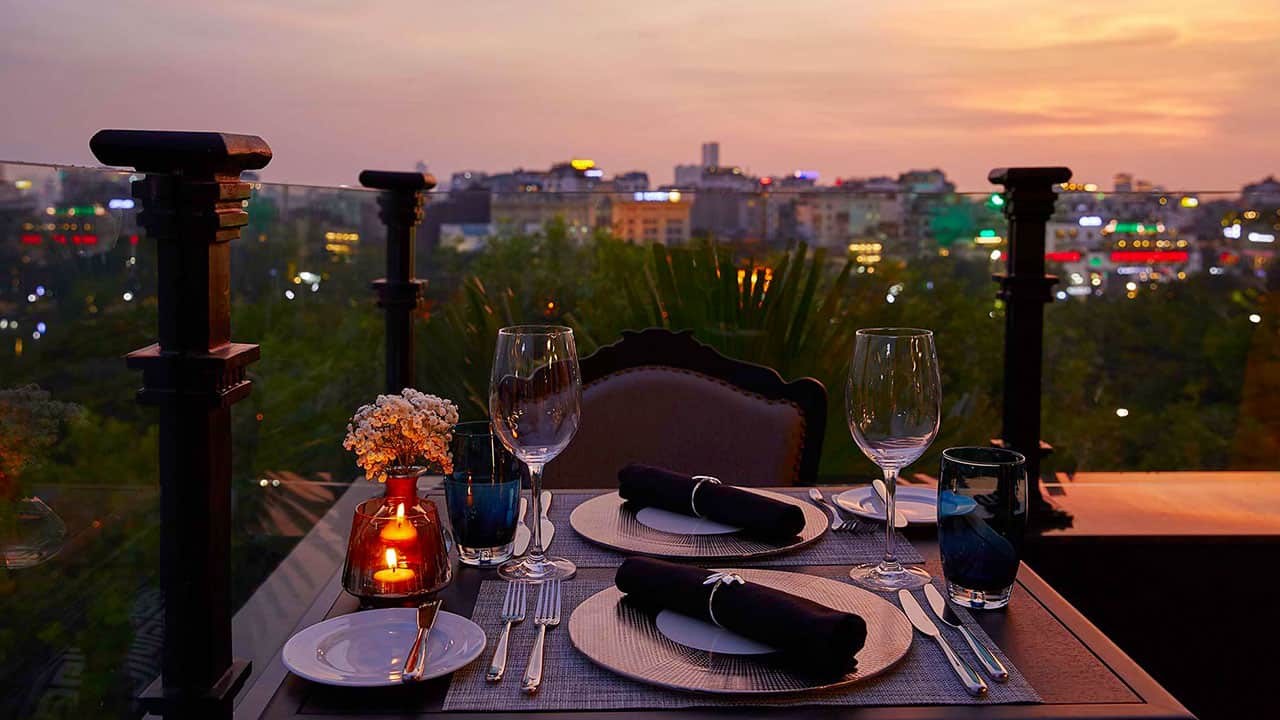
The chef at Duong restaurant built the menu by focusing on classic Vietnamese dishes with Western influences. There are not too many dishes on the menu we aim to create a perfect dish with delicious food & gorgeous decoration!

Contact

  • Address: 27 Ngo Huyen Street, Old Quarter, Hoan Kiem District, Hanoi, Vietnam
  • Telephone: +84 946 937 345 (Viber/Zalo)
  • Email: info@duongrestaurant.com

Grill 63

Grill 63 restaurant
Grill 63 restaurant

The Grill 63 restaurant of Lotte Hotel Hanoi serves fine steaks and a premium wine list right in the heart of the city.

With a modern decor, Grill63 is the ideal place for special occasions or romantic dinners with panoramic views of Hanoi on the 63rd floor.

Contact

  • Address: No. 54, Lieu Giai Str., Cong Vi Ward, Ba Dinh dis. Hanoi, Vietnam
  • Telephone: +84-24-3333-1000

The Rhythms Restaurant

The Rhythms Restaurant

Located in the heart of Hanoi with great views of Hoan Kiem Lake and the Old Quarter, The Rhythms restaurant offers a complete dining experience, a perfect blend of local heritage and style. Modern way, classic recipes raise the bar to international standards, with the desire to create a community of food lovers – where both locals and international friends can enjoy, cherish and promote Vietnamese flavors throughout the region.

Contact

  • Addres: 33-35 Hang Dau St., Hoan Kiem Dist., Hanoi, Vietnam
  • Telephone: +84-968-756-488
  • Email: info@therhythmsrestaurant.com

Cloud Nine restaurant

Cloud Nine restaurant

Cloud Nine restaurant is located on the 9th floor of La Siesta Premium Hang Be Hotel, overlooking Hoan Kiem Lake and Red River. The restaurant has a classic style reminiscent of an Indochina area. A palette of black, white, cream and blue-gray combines with geometric shapes of striped furniture and square patterned floor tiles. The extensions of the windows are creatively broken up by a series of iconic photographs and paintings hung from the glass, while the floor-to-ceiling curtains soften the environment.

The menu features the best of authentic Vietnamese cuisine including dishes from all regions of the country as well as a selection of international favorites. Each dish is creatively presented and technically sophisticated, taking diners on a culinary journey through the dishes.

Contact

  • Address: No 27 Hang Be St, Old Quarter, Hoan Kiem Dist, Hanoi, Vietnam
  • Telephone: +84 24 3929 0011
  • Email: info@cloudninerestaurants.com