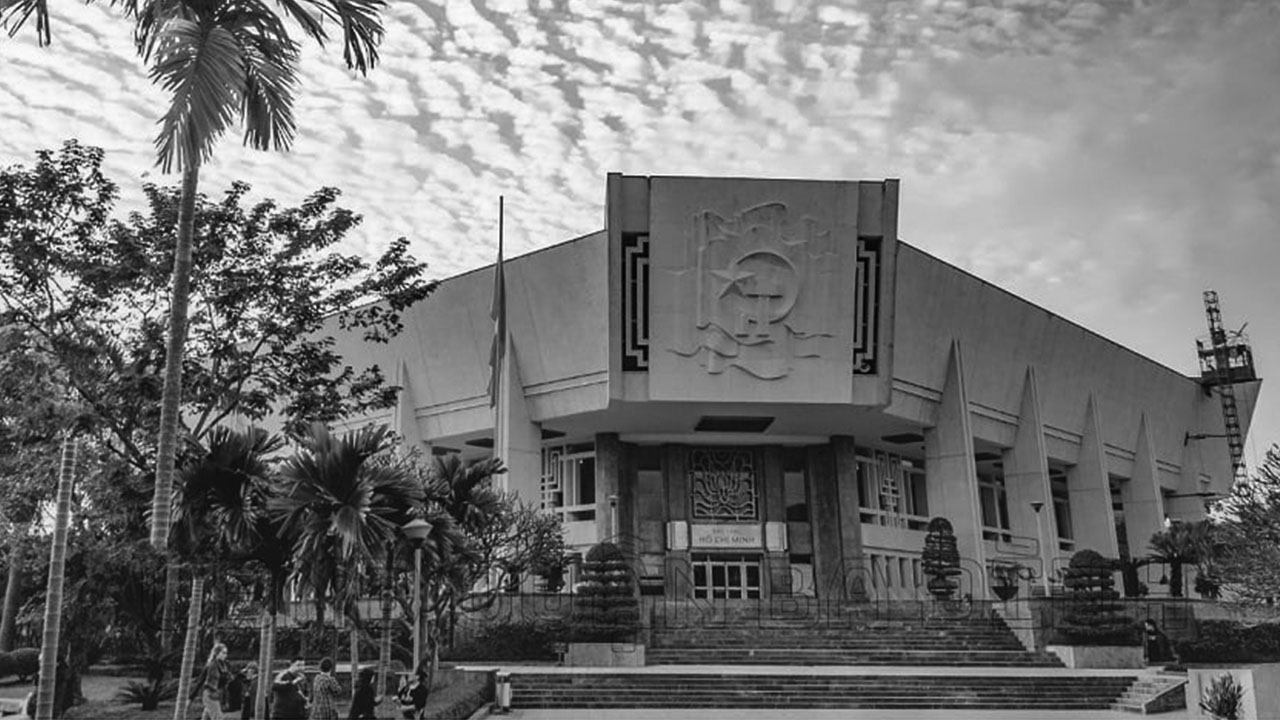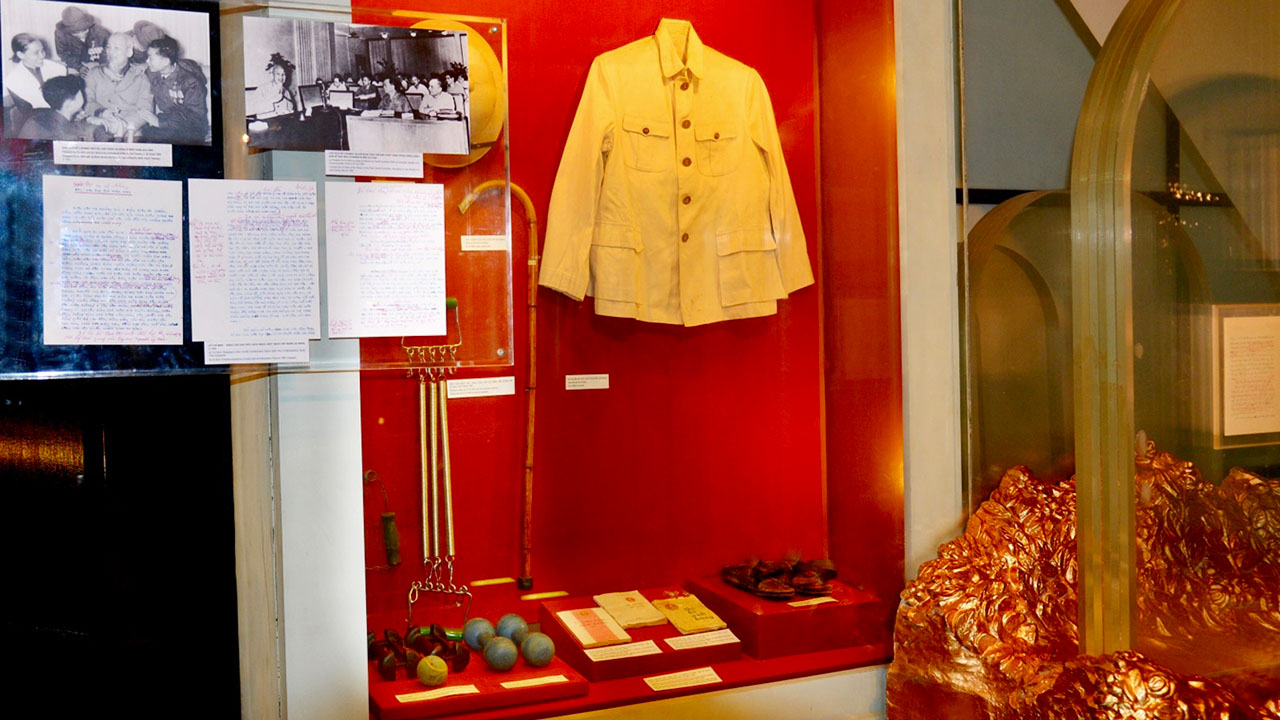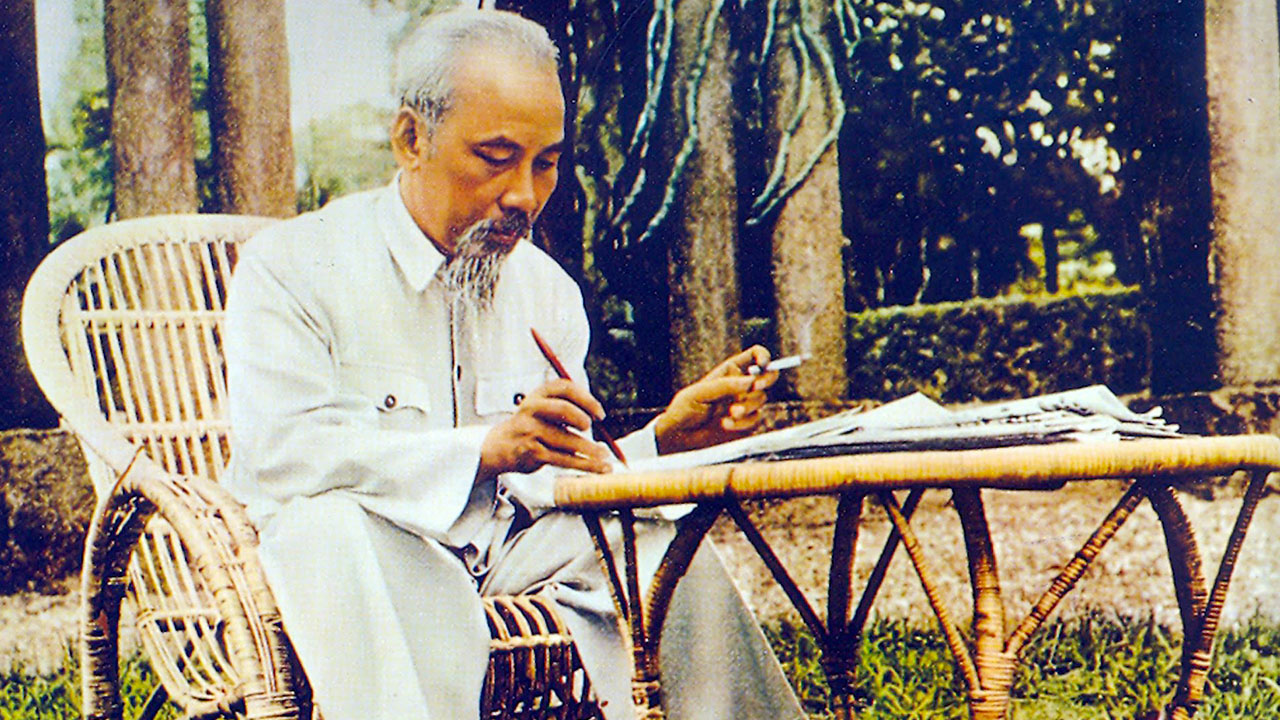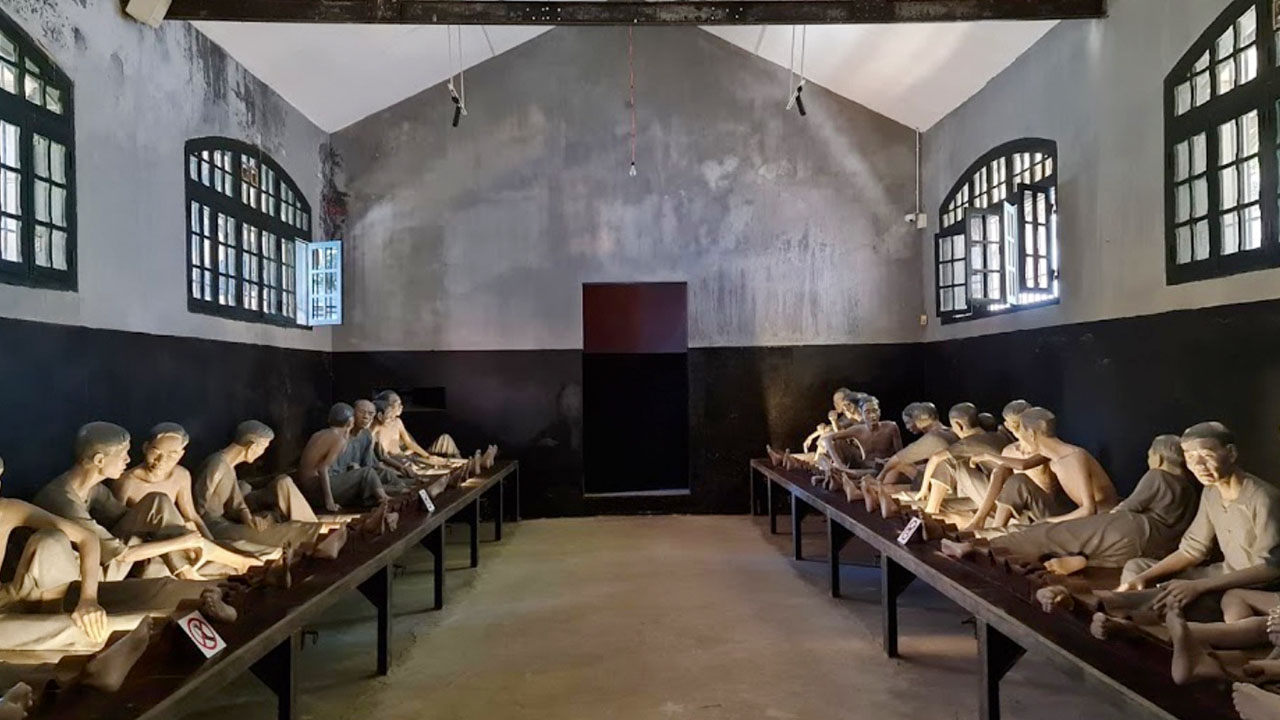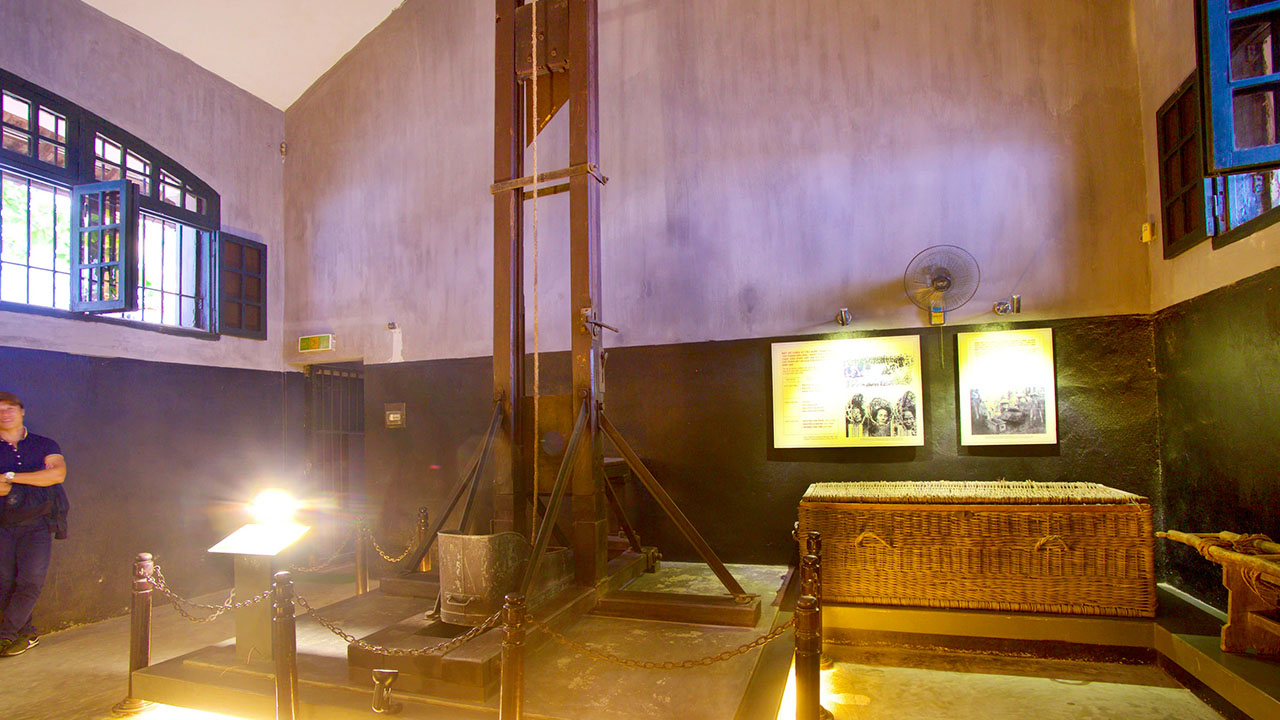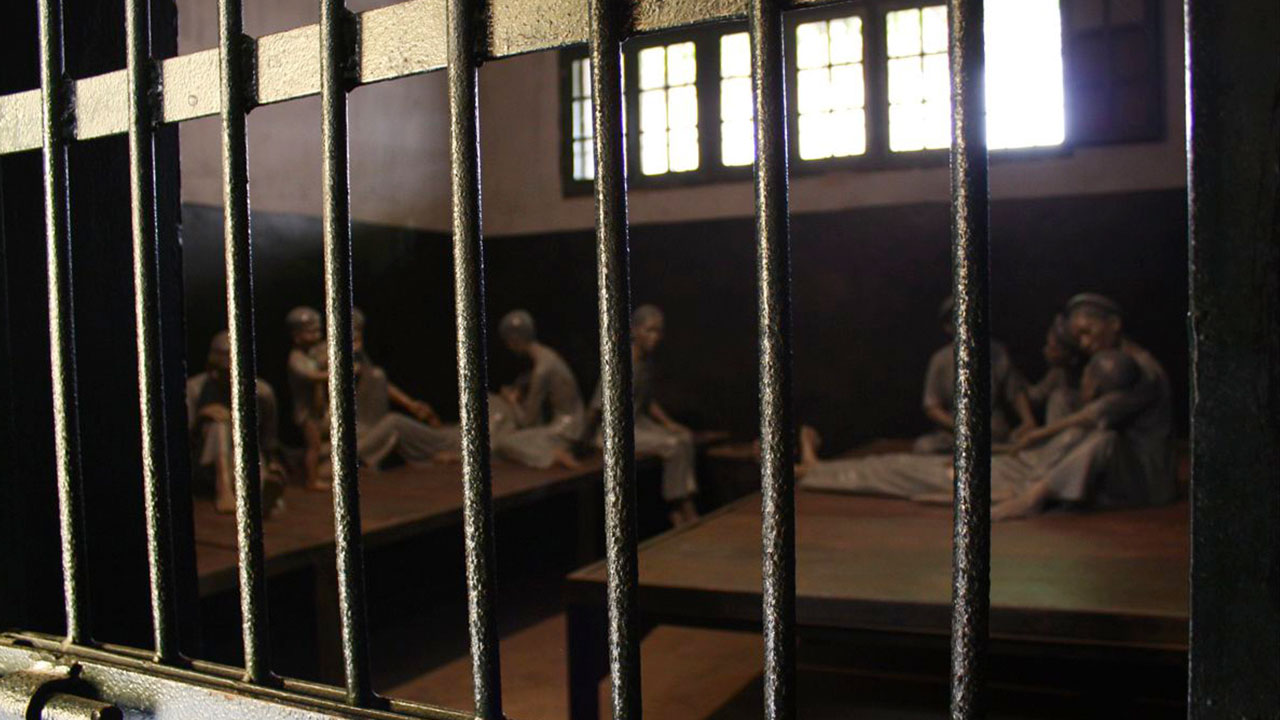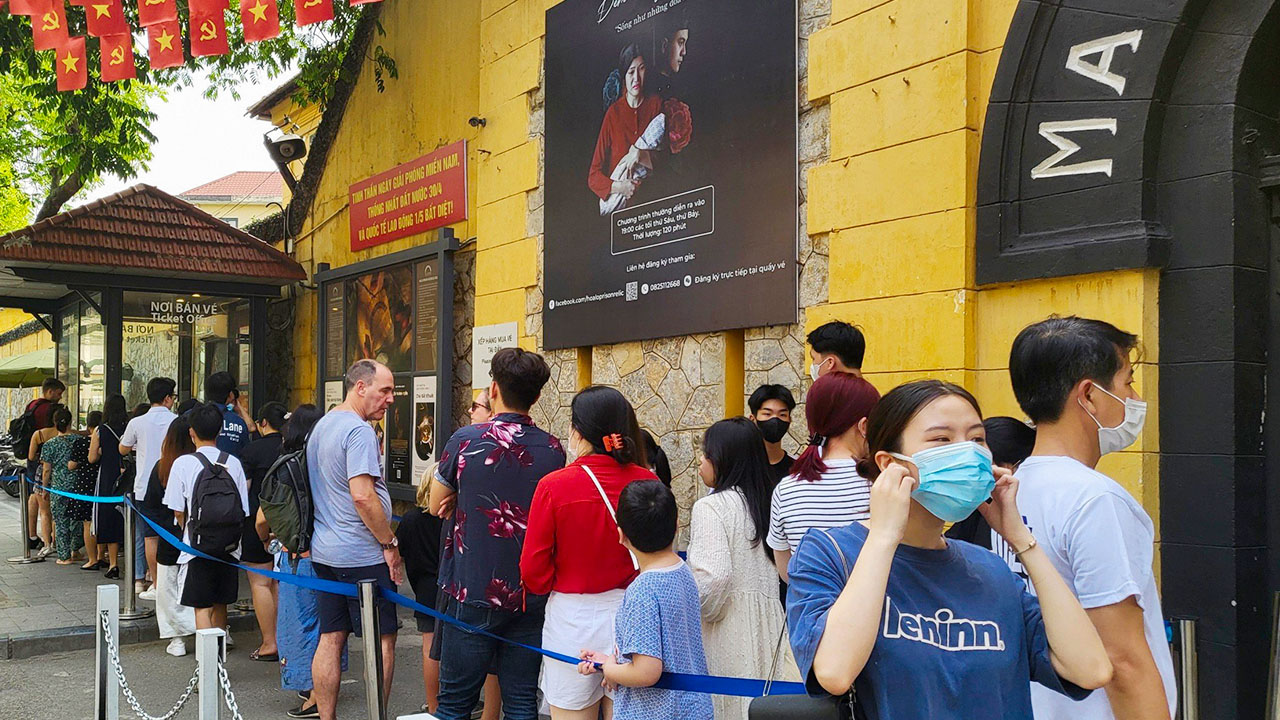
The B52 Victory Museum in Hanoi stands as a powerful testament to Vietnam’s resilience and determination during one of the most turbulent periods in its history. This iconic institution not only preserves the memories of a pivotal conflict but also serves as a bridge between past and present, offering visitors a unique opportunity to delve into the complexities of the Vietnam War and its lasting impact on the nation. As we embark on this exploration of the B52 Victory Museum, we will uncover its rich history, diverse exhibits, and the profound insights it offers to both local and international visitors.
Introduction
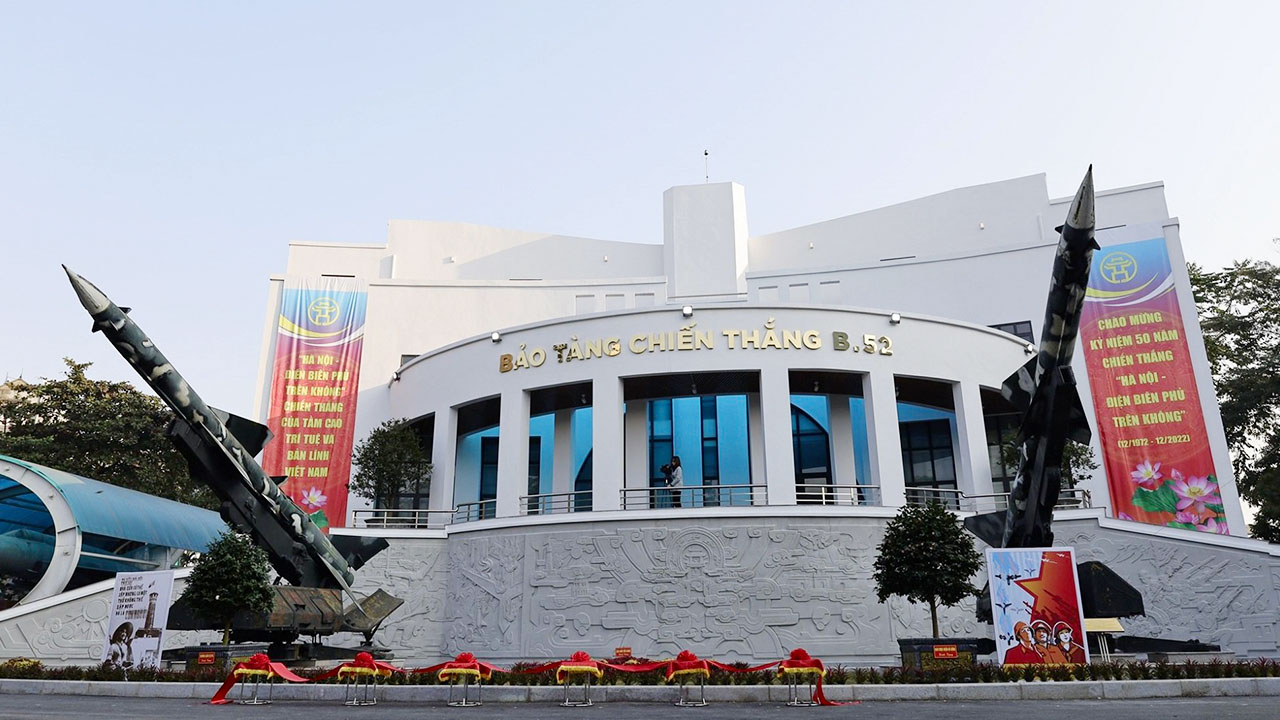
Overview of B52 Victory Museum in Hanoi
The B52 Victory Museum, situated in the heart of Hanoi, is a cornerstone of Vietnam’s historical narrative. Established in 1972, this museum stands as a living memorial to the Vietnamese people’s struggle for independence and their ultimate triumph over foreign intervention. The museum’s name is derived from the iconic B-52 bomber, a symbol of American military might during the Vietnam War, which now serves as a centerpiece of the museum’s collection.
At its core, the B52 Victory Museum is more than just a repository of artifacts; it is a multifaceted institution that combines historical preservation, education, and commemoration. The museum’s extensive collection includes a wide array of military equipment, personal belongings of soldiers, photographs, and documents that collectively paint a vivid picture of the war years. These exhibits are carefully curated to provide visitors with a comprehensive understanding of the conflict, its causes, and its far-reaching consequences.
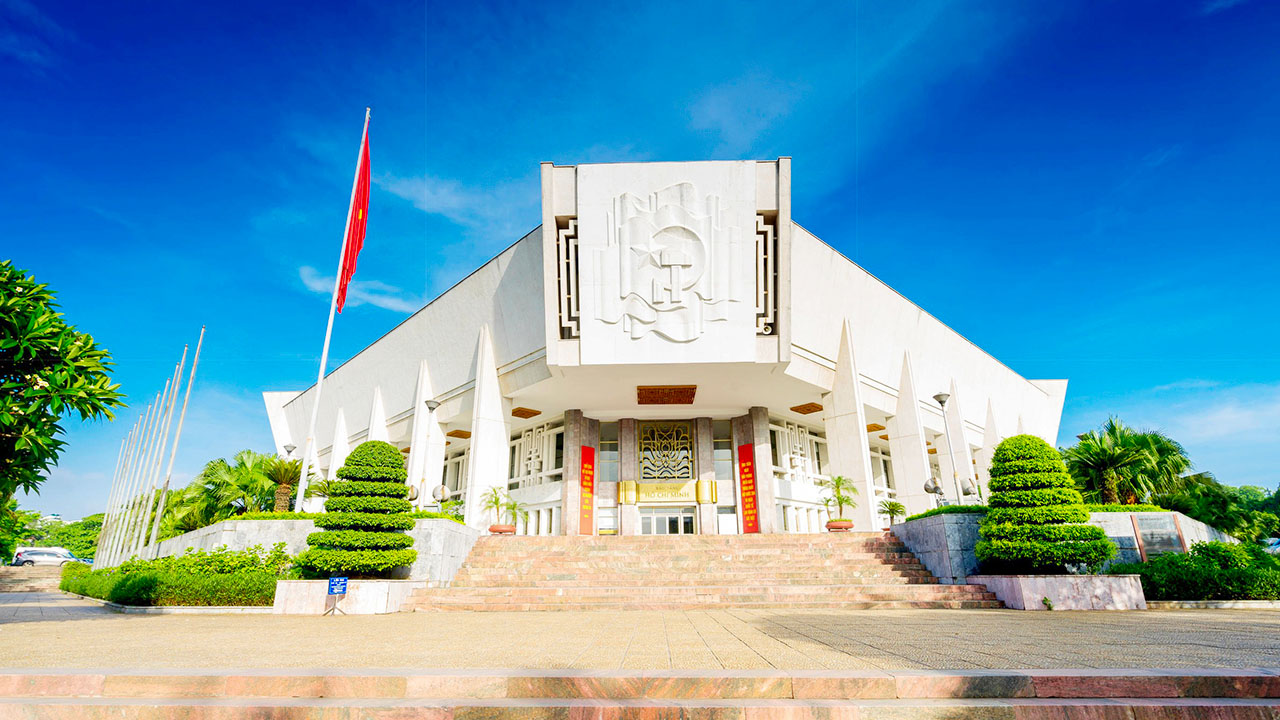
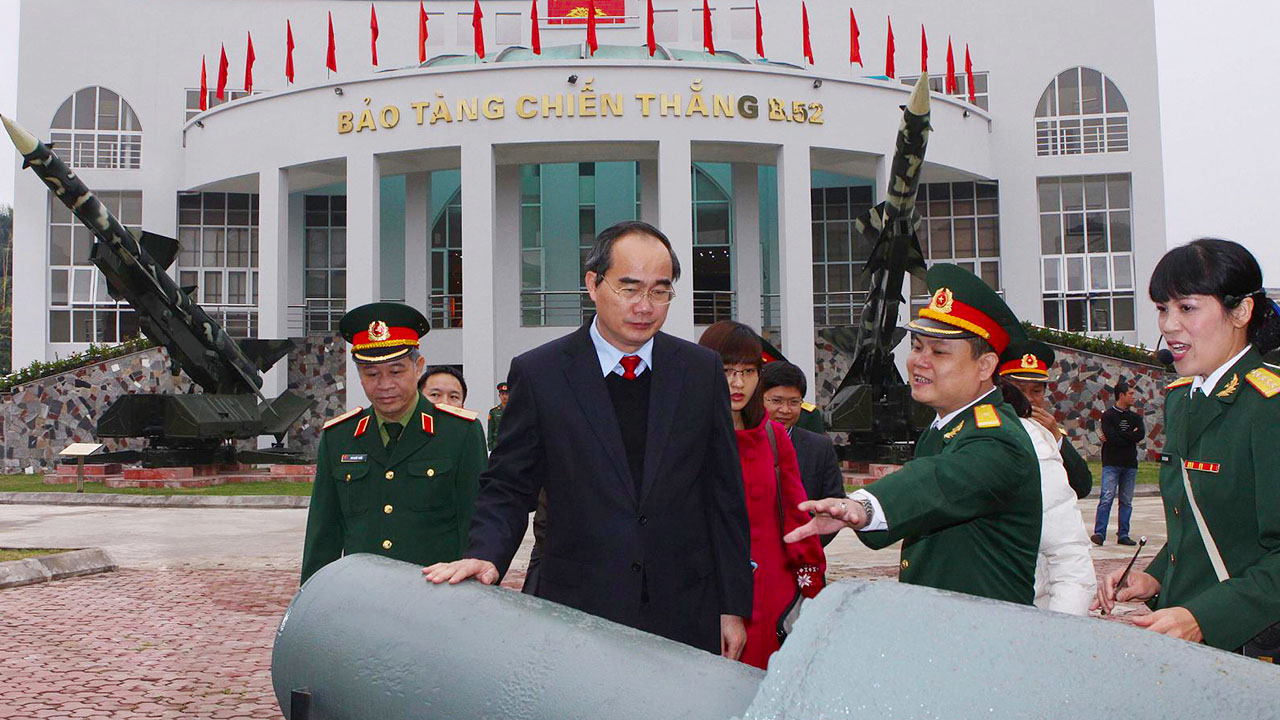
The museum’s architecture itself is a testament to its purpose, with its imposing structure designed to evoke both the gravity of war and the hope for peace. As visitors approach the museum, they are greeted by outdoor displays of military vehicles and aircraft, setting the stage for the immersive experience that awaits them inside.
Importance of visiting the B52 Victory Museum
Visiting the B52 Victory Museum is an essential experience for anyone seeking to understand the complexities of Vietnamese history and the broader context of the Cold War era. The importance of this visit can be understood through several key aspects:
- Historical Perspective:
- Provides a comprehensive overview of the Vietnam War
- Offers insights into the strategies and tactics employed by both sides
- Illuminates the global political climate of the 20th century
- Cultural Understanding:
- Showcases the resilience and determination of the Vietnamese people
- Highlights the impact of war on society and culture
- Promotes cross-cultural dialogue and understanding
- Educational Value:
- Serves as a vital resource for students and researchers
- Encourages critical thinking about war, peace, and international relations
- Offers interactive exhibits that engage visitors of all ages
By immersing oneself in the exhibits and narratives presented at the B52 Victory Museum, visitors gain a deeper appreciation for the sacrifices made during the war and the enduring spirit of the Vietnamese people. The museum serves as a powerful reminder of the human cost of conflict and the importance of striving for peace and reconciliation.
Moreover, the B52 Victory Museum plays a crucial role in preserving historical memory. In an era where firsthand accounts of the Vietnam War are becoming increasingly rare, the museum ensures that future generations can continue to learn from this pivotal period in history. By presenting multiple perspectives and encouraging reflection, the museum fosters a nuanced understanding of complex historical events.
For international visitors, the museum offers a unique opportunity to view the Vietnam War from a different vantage point, challenging preconceived notions and broadening their understanding of this global conflict. This cross-cultural exchange of ideas and perspectives is invaluable in promoting international understanding and cooperation.
In essence, a visit to the B52 Victory Museum is not merely a journey through history, but a profound educational experience that resonates with contemporary issues of war, peace, and national identity. It serves as a sobering reminder of the past while inspiring hope for a future built on mutual understanding and respect.
History of B52 Victory Museum
Establishment of the museum
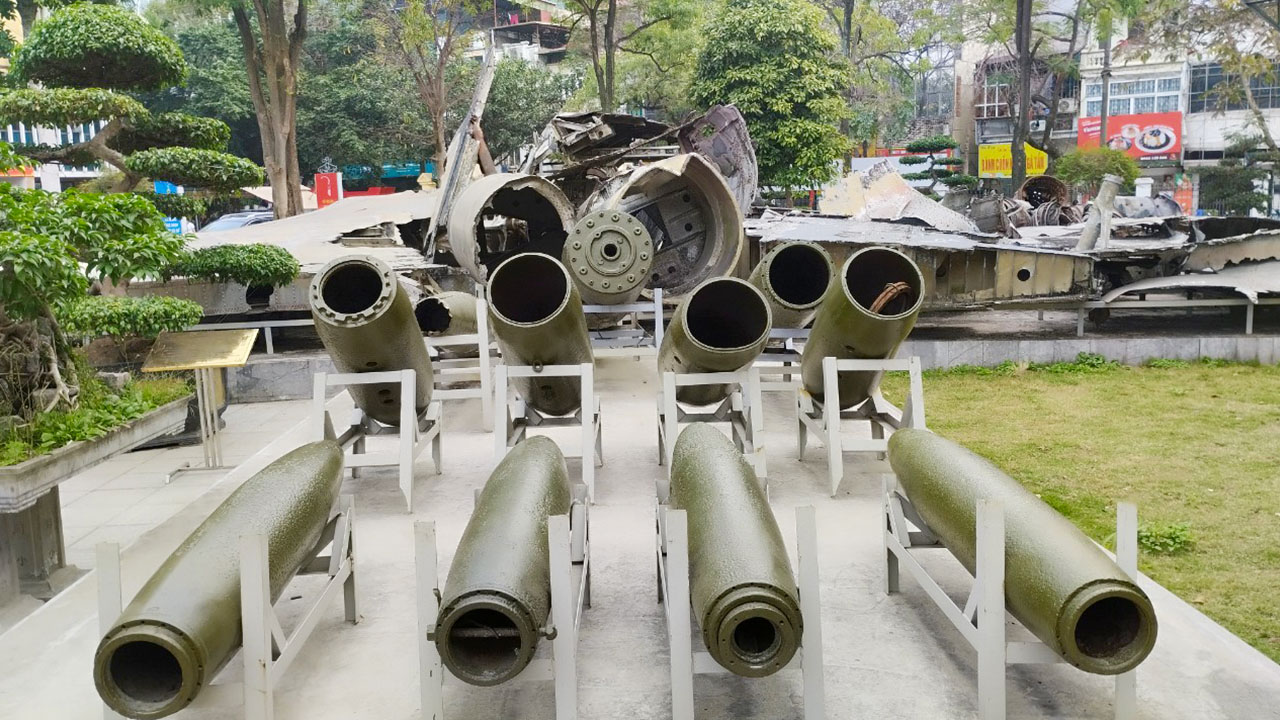
The B52 Victory Museum‘s establishment is intrinsically linked to the tumultuous events of the Vietnam War. Founded in 1972, the museum emerged during a critical period of the conflict, as the Vietnamese people continued their struggle for independence and unification. The decision to create this institution was born out of a desire to document, preserve, and commemorate the Vietnamese experience during the war.
The museum’s inception can be traced back to several key factors:
- Historical Context:
- Escalation of the Vietnam War in the late 1960s and early 1970s
- Increasing international attention on the conflict
- Growing need to document the Vietnamese perspective
- Political Motivations:
- Desire to boost morale among the Vietnamese people
- Showcase Vietnamese resilience and military achievements
- Counter international narratives about the war
- Cultural Preservation:
- Safeguard artifacts and documents related to the conflict
- Create a space for future generations to learn about this pivotal period
- Establish a national symbol of victory and independence
The initial collection of the museum primarily consisted of captured American military equipment, including the iconic B-52 bomber that would give the museum its name. These artifacts were not only symbols of military victory but also tangible evidence of the Vietnamese people’s determination and ingenuity in the face of a technologically superior adversary.
The museum’s location in Hanoi, the capital city, was strategically chosen to ensure maximum visibility and accessibility. Situated near other important cultural and historical sites, the B52 Victory Museum quickly became an integral part of Hanoi’s landscape and a must-visit destination for both locals and tourists.
In its early years, the museum faced numerous challenges, including limited resources and the ongoing conflict. However, the dedication of its founders and staff ensured that the institution persevered, gradually expanding its collection and refining its exhibits.
Significance of the museum in Vietnamese history
The B52 Victory Museum holds a place of paramount importance in Vietnamese history, serving as both a repository of national memory and a symbol of Vietnamese resilience. Its significance can be understood through several key aspects:
- Historical Documentation:
- Preserves primary sources and artifacts from the Vietnam War
- Offers a Vietnamese perspective on the conflict
- Serves as a valuable resource for historians and researchers
- National Identity:
- Reinforces the narrative of Vietnamese independence and resilience
- Celebrates the achievements of the Vietnamese people during the war
- Contributes to the formation of a collective national memory
- Educational Role:
- Provides a platform for educating future generations about the war
- Encourages critical thinking about historical events and their consequences
- Promotes understanding of Vietnam’s place in global history
The museum’s significance extends beyond its role as a historical archive. It serves as a powerful symbol of Vietnamese triumph over adversity, embodying the spirit of resistance that has characterized much of the nation’s history. By showcasing the ingenuity and determination of the Vietnamese people in the face of a technologically superior enemy, the museum reinforces a sense of national pride and unity.
Moreover, the B52 Victory Museum plays a crucial role in shaping the collective memory of the Vietnam War. It offers a counternarrative to many Western accounts of the conflict, providing visitors with a perspective that is often overlooked in international discourse. This alternative viewpoint is essential for a comprehensive understanding of the war and its impact on Vietnamese society.
The museum also serves as a site of remembrance and reflection. For many Vietnamese, particularly those who lived through the war years, the museum offers a space to honor the sacrifices of previous generations and to contemplate the cost of independence. For younger generations, it provides a tangible link to their nation’s recent past, helping to bridge the gap between historical events and contemporary Vietnamese society.
In the broader context of Vietnam’s post-war development, the B52 Victory Museum stands as a testament to the nation’s journey from conflict to reconciliation. While it commemorates military victory, the museum also emphasizes themes of peace and international cooperation, reflecting Vietnam’s evolving role on the global stage.
Evolution of the exhibits at the museum
Since its establishment in 1972, the B52 Victory Museum has undergone significant evolution in its exhibits, reflecting changes in historical understanding, museum practices, and Vietnam’s relationship with its past. This evolution can be traced through several key phases:
- Initial Phase (1972-1980s):
- Focus on displaying captured military equipment
- Emphasis on Vietnamese military victories
- Limited contextual information and interpretation
- Expansion Phase (1990s-2000s):
- Inclusion of more personal stories and artifacts
- Development of thematic exhibits beyond military aspects
- Introduction of multimedia elements
- Modern Phase (2010s-Present):
- Incorporation of interactive and immersive exhibits
- Balanced presentation of historical events
- Integration of digital technology for enhanced visitor experience
The evolution of the museum’s exhibits reflects a broader shift in how the Vietnam War is remembered and interpreted within Vietnamese society. Initially, the exhibits were primarily focused on showcasing military victories and captured enemy equipment, with a strong emphasis on nationalist narratives. However, as time passed and Vietnam’s relationships with former adversaries improved, the museum began to adopt a more nuanced approach to presenting the war.
One significant change has been the inclusion of more personal stories and artifacts. While early exhibits largely focused on military strategy and equipment, later additions have incorporated the experiences of individual soldiers and civilians. This shift has helped to humanize the conflict and provide visitors with a more empathetic understanding of the war’s impact.
The museum has also expanded its scope beyond purely military aspects of the war. New exhibits have been developed to explore the social, cultural, and economic dimensions of the conflict, providing a more comprehensive view of this complex period in history. This broadened perspective includes displays on wartime art, literature, and music, as well as exhibits detailing the impact of the war on Vietnamese society and daily life.
Technological advancements have played a crucial role in the evolution of the museum’s exhibits. The introduction of multimedia elements, such as audio guides, video installations, and interactive displays, has enhanced the visitor experience and made the historical content more accessible to diverse audiences. These technological innovations have been particularly effective in engaging younger visitors and international tourists who may have limited prior knowledge of the Vietnam War.
In recent years, the museum has made efforts to present a more balanced view of historical events. While still emphasizing Vietnamese perspectives, newer exhibits acknowledge the complexity of the conflict and its global context. This approach has included the incorporation of international viewpoints and a more nuanced examination of the war’s long-term consequences.
The evolution of the B52 Victory Museum‘s exhibits reflects a broader trend in museum practices towards more interactive and immersive experiences. Modern additions to the museum include:
- Virtual reality simulations of historical events
- Hands-on exhibits that allow visitors to engage with historical artifacts
- Digital archives that provide access to a wealth of historical documents and photographs
These innovations have transformed the museum from a static display of artifacts into a dynamic space for learning and reflection.
As the B52 Victory Museum continues to evolve, it faces the ongoing challenge of balancing historical accuracy with national narrative, and educational value with visitor engagement. The museum’s ability to adapt and innovate while maintaining its core mission of preserving and interpreting Vietnam’s wartime history will be crucial to its continued relevance and impact in the years to come.
Exhibition Areas at B52 Victory Museum
Indoor exhibition areas
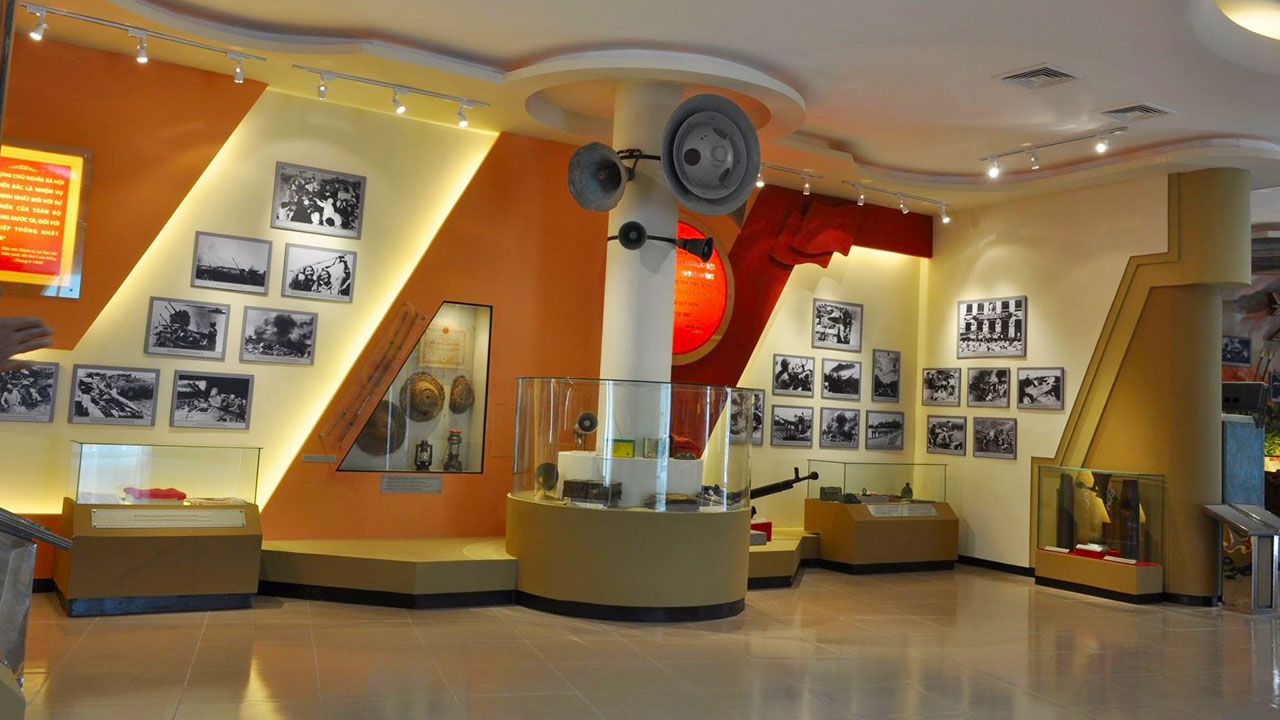
The indoor exhibition areas of the B52 Victory Museum form the heart of the institution, offering visitors a comprehensive and immersive journey through the history of the Vietnam War. These areas are carefully designed to provide a chronological and thematic exploration of the conflict, its causes, and its consequences. The indoor exhibitions are divided into several key sections:
- Historical Context Gallery:
- Presents the historical background leading up to the Vietnam War
- Explores the colonial period and the struggle for independence
- Provides insight into the global political climate of the Cold War era
- War Strategy and Tactics Hall:
- Showcases military strategies employed by both sides
- Displays maps, battle plans, and strategic documents
- Features interactive exhibits explaining key military operations
- Weapons and Equipment Display:
- Exhibits a wide range of weapons and military equipment used during the war
- Includes both Vietnamese and captured American weaponry
- Offers detailed explanations of the technological aspects of warfare
- Personal Stories Section:
- Presents individual accounts of soldiers and civilians
- Displays personal artifacts, letters, and photographs
- Provides a human perspective on the conflict
- Diplomatic Relations Room:
- Explores the international dimensions of the war
- Showcases diplomatic correspondence and peace negotiation documents
- Examines the role of other countries in the conflict
- Post-War Reconstruction Gallery:
- Highlights Vietnam’s recovery and development after the war
- Presents information on reconciliation efforts and normalization of relations
- Discusses the war’s long-term impact on Vietnamese society
Each of these indoor exhibition areas is designed to engage visitors through a combination of visual displays, textual information, and interactive elements. The use of lighting, sound effects, and spatial design enhances the visitor experience, creating an immersive environment that brings history to life.
One of the most striking features of the indoor exhibitions is the integration of multimedia elements. Large-scale video projections, audio recordings, and interactive touchscreens complement the physical artifacts, providing additional context and allowing visitors to delve deeper into specific topics of interest.
The museum’s curators have paid careful attention to the flow of information, ensuring that visitors can follow a logical progression through the exhibits while also having the flexibility to explore areas of particular interest. Clear signage and well-crafted explanatory texts, available in multiple languages, help guide visitors through the complex narrative of the war.
Another notable aspect of the indoor exhibition areas is the use of dioramas and reconstructions. These three-dimensional displays recreate key scenes from the war, such as underground tunnels used by Vietnamese forces or field hospitals, offering visitors a tangible sense of the conditions faced by those involved in the conflict.
The indoor exhibitions also include dedicated spaces for temporary and special exhibits. These areas allow the museum to showcase new acquisitions, explore specific themes in greater depth, or present traveling exhibitions from other institutions. This flexibility ensures that even repeat visitors can find new and engaging content with each visit.
Outdoor exhibition areas
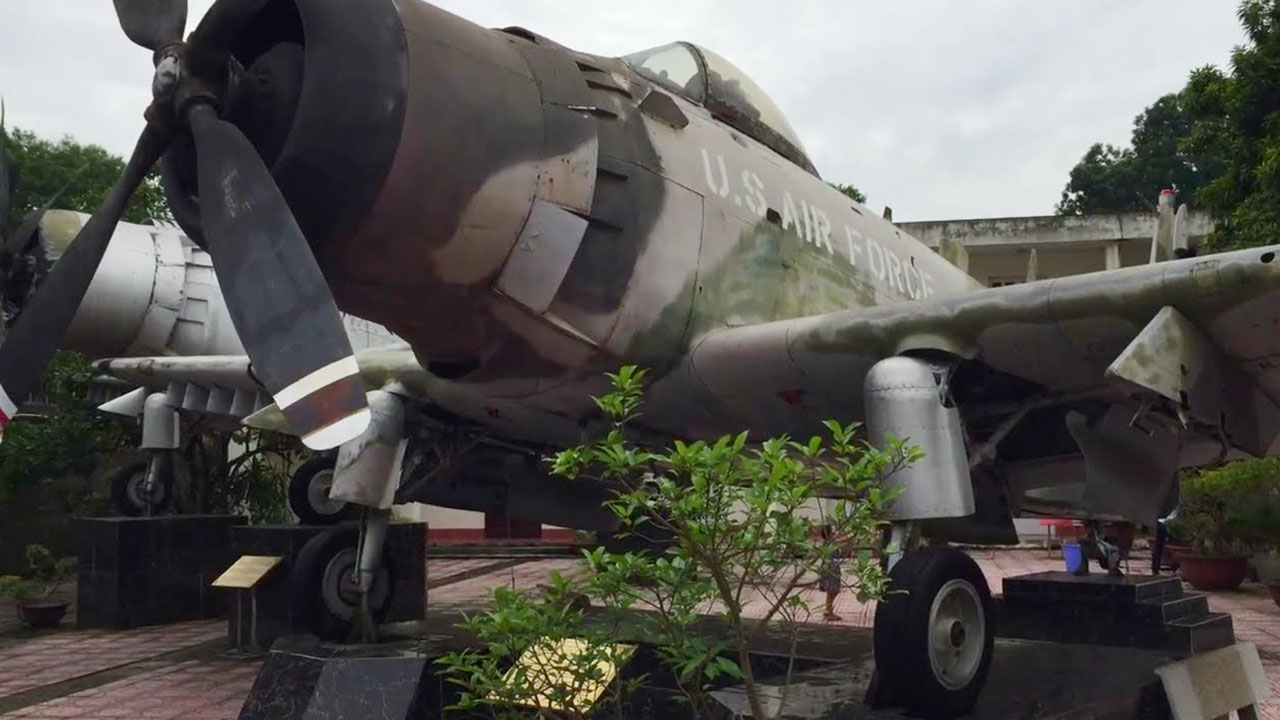
The outdoor exhibition areas of the B52 Victory Museum complement the indoor displays, offering visitors a unique opportunity to engage with larger artifacts and experience the physical scale of military equipment used during the Vietnam War. These open-air exhibits serve multiple purposes:
- Display of Large Military Equipment:
- Showcases tanks, aircraft, and artillery pieces
- Allows visitors to see military vehicles up close
- Provides context for the scale of military operations
- Memorial Spaces:
- Features monuments and sculptures commemorating key events and individuals
- Offers areas for reflection and remembrance
- Incorporates landscaping elements symbolizing peace and reconciliation
- Interactive Learning Zones:
- Includes hands-on exhibits for children and adults
- Offers spaces for outdoor educational programs and demonstrations
- Provides areas for reenactments and living history presentations
The centerpiece of the outdoor exhibition area is undoubtedly the collection of aircraft, including the iconic B-52 bomber that gives the museum its name. These aircraft are displayed in a way that allows visitors to appreciate their size and design, with informational plaques providing details about their roles in the conflict.
| Aircraft Type | Role in Vietnam War | Notable Features |
|---|---|---|
| B-52 Bomber | Strategic bombing | Eight-engine, long-range capability |
| F-4 Phantom | Fighter-bomber | Versatile, used by multiple branches |
| MiG-21 | Fighter jet | Primary Vietnamese fighter aircraft |
| UH-1 Huey | Utility helicopter | Widely used for troop transport |
Surrounding these aircraft are various ground vehicles, including tanks, armored personnel carriers, and artillery pieces. These exhibits are arranged to create a sense of a military encampment, giving visitors a feel for the logistics and scale of warfare during the conflict.
The outdoor area also features several memorial spaces dedicated to different aspects of the war. These include:
- A Wall of Names honoring Vietnamese soldiers and civilians who lost their lives
- Sculptures depicting scenes from the war and its aftermath
- A Peace Garden symbolizing hope and reconciliation
These memorial spaces are designed to provide areas for quiet reflection and commemoration, offering a counterpoint to the more technical displays of military equipment.
Interactive learning zones in the outdoor area cater to visitors of all ages. These spaces include:
- Replica trenches and bunkers that visitors can explore
- Simulated radar and communication stations
- Outdoor classrooms for group discussions and lectures
These interactive elements allow visitors, especially younger ones, to engage with history in a hands-on manner, making the learning experience more memorable and impactful.
The outdoor exhibition areas are also used for special events and reenactments, particularly on significant anniversaries related to the war. These events bring history to life, offering visitors a dynamic and immersive experience that complements the static displays.
Careful landscaping and design considerations have been implemented to ensure that the outdoor exhibits are integrated harmoniously with the surrounding environment. Paths and viewing platforms are strategically placed to offer optimal vantage points for observing the larger artifacts, while also providing accessibility for visitors with mobility challenges.
Special exhibitions and displays
The B52 Victory Museum regularly hosts special exhibitions and displays to complement its permanent collections and offer visitors fresh perspectives on the Vietnam War and related themes. These temporary exhibits serve several important functions:
- Exploring Specific Themes:
- Delve deeper into particular aspects of the war
- Highlight lesser-known stories and perspectives
- Examine the conflict’s impact on specific groups or regions
- Showcasing New Research:
- Present recent historical findings and interpretations
- Incorporate newly discovered artifacts or documents
- Offer updated analysis of key events and decisions
- Commemorating Anniversaries:
- Mark significant dates related to the war
- Honor specific battles, events, or individuals
- Reflect on the long-term consequences of the conflict
Special exhibitions at the B52 Victory Museum may focus on diverse topics such as the role of women in the war, the experiences of civilians during the conflict, or the impact of Agent Orange. These temporary displays provide a platform for scholars, artists, and community members to contribute their perspectives and insights, enriching the museum’s offerings and engaging visitors in ongoing conversations about history and memory.
In addition to thematic exhibitions, the museum also hosts rotating displays of artifacts and documents that are not part of the permanent collection. These items may be on loan from other institutions, donated by individuals or families, or newly acquired by the museum. By showcasing these unique pieces, the B52 Victory Museum ensures that its exhibits remain dynamic and relevant, reflecting the evolving nature of historical research and interpretation.
Visitors to the special exhibitions at the museum can expect curated presentations with informative labels, multimedia components, and interactive elements to enhance their understanding and engagement. Educational programs, such as lectures, workshops, and guided tours, often accompany these temporary displays, providing opportunities for deeper exploration and dialogue.
One notable aspect of the special exhibitions at the B52 Victory Museum is their ability to spark conversations and reflections among visitors from diverse backgrounds. By presenting nuanced and multifaceted narratives of the Vietnam War, these displays encourage critical thinking, empathy, and dialogue, fostering a deeper appreciation for the complexities of history and its enduring relevance to contemporary issues.
Overall, the special exhibitions and displays at the B52 Victory Museum contribute to its mission of promoting historical awareness, cultural understanding, and peace. By offering a platform for diverse voices and perspectives, the museum continues to serve as a vital hub for education, reflection, and commemoration, inviting visitors to engage thoughtfully with the legacies of the past and envision paths towards a more inclusive and harmonious future.
Highlights of B52 Victory Museum

The B52 Victory Museum in Hanoi is renowned for its exceptional collection of artifacts, immersive exhibits, and engaging experiences that bring the history of the Vietnam War to life for visitors of all ages. From iconic military equipment to interactive displays, the museum offers a range of highlights that showcase the complexity and significance of this pivotal period in Vietnamese history.
Key artifacts on display
One of the standout features of the B52 Victory Museum is its impressive array of key artifacts from the Vietnam War era. These objects provide tangible connections to the past, offering insights into the strategies, technologies, and human experiences of the conflict. Some of the notable artifacts on display include:
- B-52 Bomber: The museum’s namesake aircraft, a symbol of the U.S. bombing campaign during the war.
- Weapons and Uniforms: A diverse collection of firearms, explosives, and military gear used by both Vietnamese and foreign forces.
- Photographs and Documents: Historical images, letters, and official papers that document the wartime events and their aftermath.
- Personal Effects: Belongings of soldiers, civilians, and activists, revealing individual stories and perspectives from the war.
- Artistic Representations: Paintings, sculptures, and installations created by artists responding to the war and its legacy.
These key artifacts serve as focal points within the museum’s exhibitions, allowing visitors to connect emotionally and intellectually with the realities of war and its enduring impact on society. Through these objects, visitors can gain a deeper understanding of the complexities of conflict, resilience, and memory.
Interactive experiences for visitors
In addition to its static displays, the B52 Victory Museum offers a range of interactive experiences designed to engage visitors in multi-sensory learning and exploration. These hands-on activities and digital resources enhance the museum visit by encouraging active participation and personalized discovery. Some of the interactive experiences available at the museum include:
- Simulation Stations: Virtual reality simulations of historical events or military operations.
- Touch Tables: Interactive screens where visitors can explore maps, timelines, and multimedia content.
- Educational Games: Digital challenges and puzzles that test knowledge of the war and its consequences.
- Role-Playing Scenarios: Immersive enactments of wartime situations or decision-making processes.
- Oral History Booths: Recording booths where visitors can share their own stories or reflections on the war.
By incorporating these interactive elements into its exhibitions, the B52 Victory Museum caters to diverse learning styles and interests, making the historical content more accessible and engaging for visitors of all backgrounds. Whether through hands-on activities, digital interfaces, or participatory programs, the museum invites visitors to actively participate in the process of historical inquiry and interpretation.
Guided tours at the museum
For visitors seeking a more structured and in-depth experience, the B52 Victory Museum offers guided tours led by knowledgeable docents or historians. These tours provide valuable context, interpretation, and storytelling that enhance the visitor’s understanding of the exhibits and their historical significance. Some key features of the guided tours at the museum include:
- Thematic Focus: Tours may explore specific aspects of the war, such as military tactics, civilian experiences, or diplomatic relations.
- Behind-the-Scenes Access: Exclusive opportunities to view archival materials, conservation labs, or storage areas not open to the public.
- Q&A Sessions: Interactive discussions with tour guides, allowing visitors to ask questions, share insights, and engage in dialogue.
- Special Presentations: Guest speakers, experts, or eyewitnesses may join tours to offer unique perspectives and firsthand accounts.
- Customized Experiences: Private tours can be arranged for groups, schools, or organizations with specific interests or scheduling needs.
Guided tours at the B52 Victory Museum offer visitors a curated and personalized journey through the exhibits, fostering deeper connections to the historical content and creating memorable experiences. Whether for first-time visitors or returning guests, these tours provide opportunities for reflection, learning, and dialogue that enrich the overall museum visit.
In conclusion, the highlights of the B52 Victory Museum reflect its commitment to providing a comprehensive and engaging exploration of the Vietnam War and its legacies. Through key artifacts, interactive experiences, and guided tours, the museum invites visitors to immerse themselves in the complexities of history, fostering understanding, empathy, and critical thinking. By offering a range of educational and experiential opportunities, the museum ensures that each visit is not only informative but also transformative, inspiring visitors to reflect on the past and consider its implications for the present and future.
Visitor Information
When planning a visit to the B52 Victory Museum in Hanoi, it is essential to have access to relevant information regarding opening hours, ticket prices, and accessibility options for all visitors. Understanding these details can help ensure a smooth and enjoyable experience at the museum.
Opening hours of B52 Victory Museum
The B52 Victory Museum typically operates during specific hours throughout the week, allowing visitors ample time to explore its exhibitions and attractions. The museum’s opening hours are as follows:
| Day | Opening Hours |
|---|---|
| Monday | 8:00 AM – 5:00 PM |
| Tuesday | 8:00 AM – 5:00 PM |
| Wednesday | 8:00 AM – 5:00 PM |
| Thursday | 8:00 AM – 5:00 PM |
| Friday | 8:00 AM – 5:00 PM |
| Saturday | 8:00 AM – 5:00 PM |
| Sunday | Closed |
Please note that the museum may have adjusted hours on public holidays or special occasions, so it is advisable to check the official website or contact the museum directly for the most up-to-date information.
Ticket prices and discounts
To enter the B52 Victory Museum and enjoy its exhibits, visitors are required to purchase tickets at the entrance or through online booking platforms. The museum offers various ticket options to accommodate different visitor categories, including:
- Adults: Standard admission tickets for adult visitors.
- Children: Reduced-price tickets for children under a certain age (usually 12 years old).
- Students: Discounted rates for students with valid identification cards.
- Seniors: Special pricing for senior citizens above a certain age.
- Group Discounts: Savings for large groups or organized tours.
Ticket prices at the B52 Victory Museum are affordable and offer excellent value considering the quality of exhibits and experiences available to visitors. Additionally, the museum may occasionally run promotional offers, seasonal discounts, or package deals in collaboration with partners or sponsors.
Accessibility information for visitors with disabilities
The B52 Victory Museum is committed to providing an inclusive and welcoming environment for all visitors, including those with disabilities or special needs. The museum has implemented various accessibility features and services to ensure that every guest can fully enjoy their visit. Some of the accessibility options available at the museum include:
- Wheelchair Access: Ramps, elevators, and designated pathways for wheelchair users.
- Accessible Restrooms: Facilities equipped with grab bars, low sinks, and other amenities for individuals with mobility challenges.
- Assistive Listening Devices: Audio guides or devices for visitors with hearing impairments.
- Large Print Materials: Printed guides, brochures, or labels in larger fonts for visitors with visual impairments.
- Service Animal Accommodation: Policies allowing service animals to accompany visitors with disabilities.
By prioritizing accessibility and inclusivity, the B52 Victory Museum ensures that all visitors can engage with its exhibits and programs comfortably and independently. Visitors with specific accessibility requirements are encouraged to contact the museum in advance to arrange any necessary accommodations or support services.
In conclusion, understanding visitor information such as opening hours, ticket prices, and accessibility options is crucial for planning a successful and enjoyable visit to the B52 Victory Museum. By providing clear and comprehensive information to visitors, the museum demonstrates its commitment to ensuring a positive and enriching experience for all guests, regardless of age, background, or abilities.
Educational Programs at B52 Victory Museum
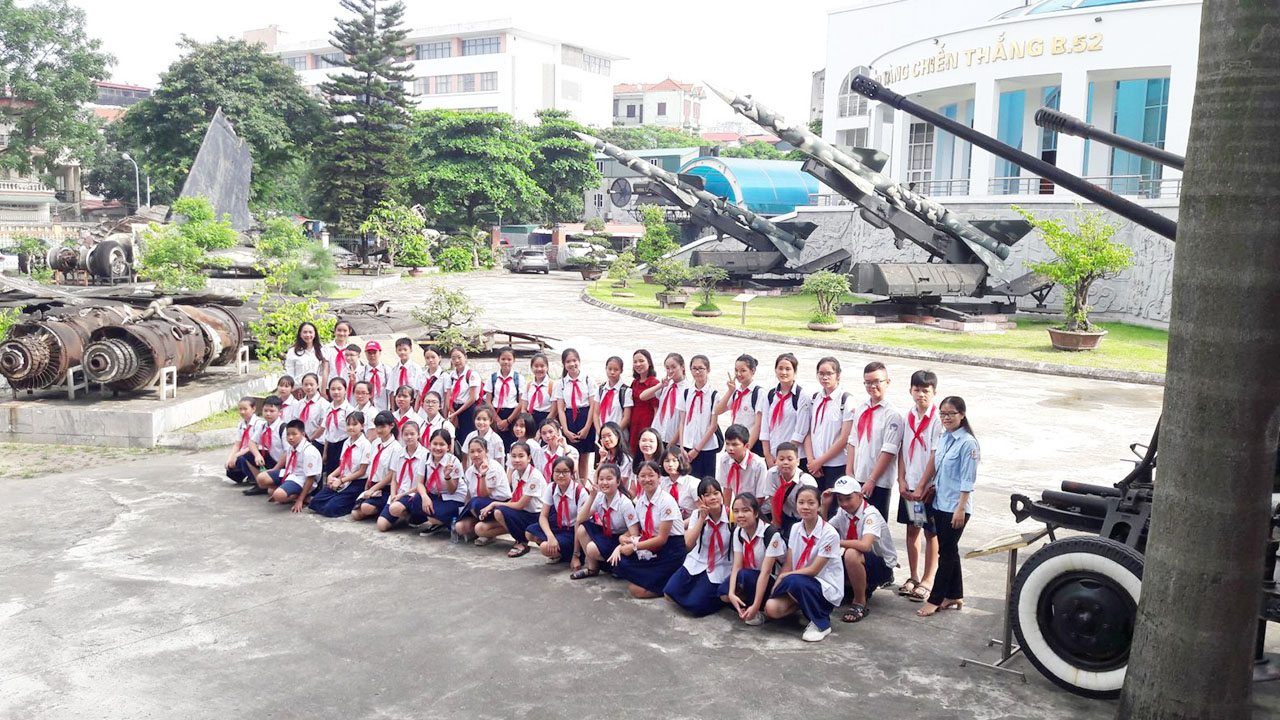
In addition to its exhibitions and displays, the B52 Victory Museum in Hanoi offers a range of educational programs designed to enhance visitors’ understanding of the Vietnam War and its historical context. These programs cater to various audiences, including school groups, students, and lifelong learners, providing opportunities for interactive learning and engagement.
School tours and group visits
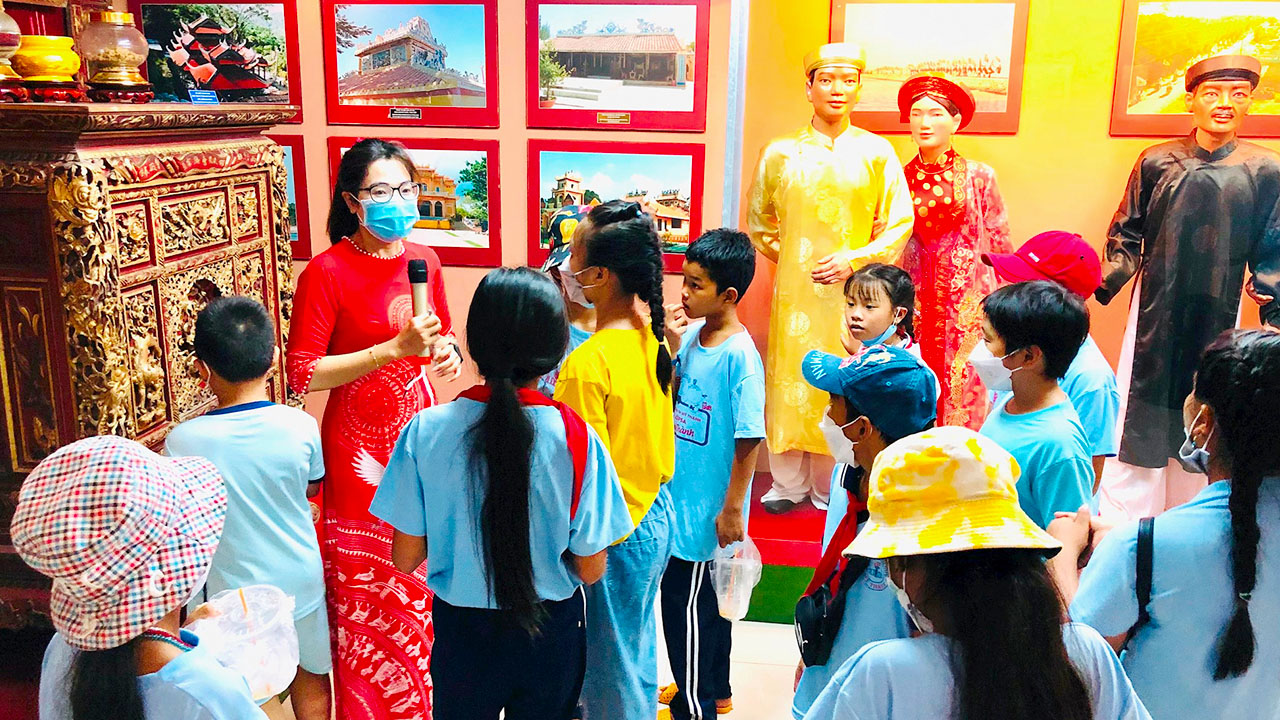
School tours are a popular educational activity at the B52 Victory Museum, allowing students to explore the exhibits under the guidance of knowledgeable museum staff or trained educators. These tours often include age-appropriate explanations, interactive activities, and discussions tailored to the students’ academic levels and interests. Group visits from schools or educational institutions can be arranged in advance, ensuring a structured and informative experience for students of all ages.
Workshops and activities for students
In addition to guided tours, the museum organizes workshops and hands-on activities that encourage student participation and critical thinking. These interactive sessions may involve artifact handling, art projects, role-playing exercises, or historical simulations, offering students a deeper immersion into the complexities of wartime experiences. By engaging with primary sources and engaging in collaborative tasks, students can develop a nuanced understanding of history and its relevance to contemporary issues.
Collaboration with educational institutions
The B52 Victory Museum collaborates with local schools, universities, and educational organizations to develop customized programs that align with academic curricula and learning objectives. These partnerships may involve curriculum integration, guest lectures, research projects, or internship opportunities for students interested in history, museum studies, or related fields. By fostering connections with the education community, the museum enhances its impact as a learning resource and cultural institution.
Educational programs at the B52 Victory Museum play a vital role in promoting historical literacy, critical thinking, and empathy among visitors of all ages. By offering engaging and informative experiences that complement formal education, the museum contributes to a broader understanding of the Vietnam War and its enduring legacies, shaping perspectives and fostering dialogue on complex historical topics.
Souvenirs and Gift Shop
After exploring the rich history and exhibits at the B52 Victory Museum, visitors have the opportunity to take home a piece of their experience through the museum’s souvenir and gift shop. This section highlights the unique items available for purchase, the support provided to local artisans and craftsmen, and the convenience of online store options for visitors.
Unique items available for purchase
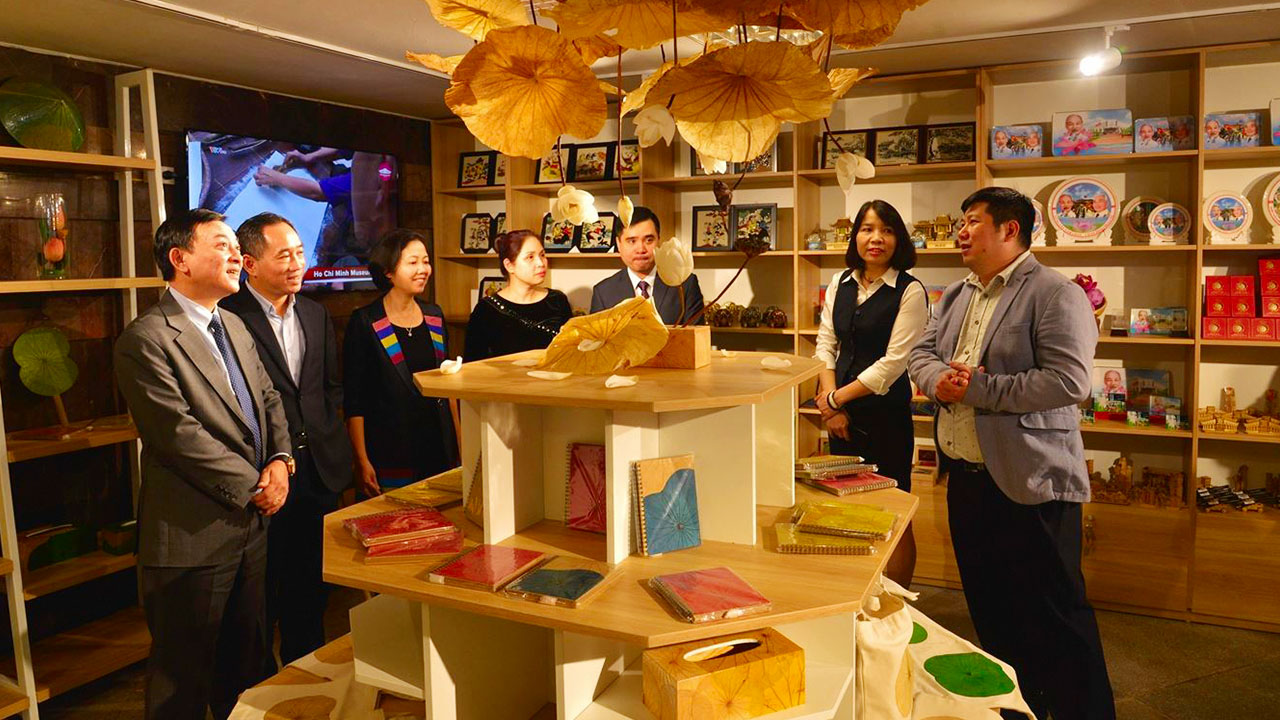
The souvenir and gift shop at the B52 Victory Museum offers a diverse selection of merchandise that reflects the museum’s themes and collections. Visitors can browse through a range of items such as:
- Replica artifacts: Miniature models or replicas of historical objects related to the Vietnam War.
- Books and publications: Educational materials, books, and guides on Vietnamese history and military conflicts.
- Clothing and accessories: T-shirts, hats, bags, and other apparel featuring iconic symbols or designs.
- Art and crafts: Handcrafted items, artwork, and souvenirs made by local artists and artisans.
These unique souvenirs serve as meaningful reminders of the visit to the museum and contribute to supporting the local cultural heritage and economy.
Support for local artisans and craftsmen
By sourcing products from local artisans and craftsmen, the B52 Victory Museum‘s gift shop plays a vital role in promoting traditional craftsmanship and preserving cultural traditions. Visitors can purchase authentic handcrafted items that showcase the skills and creativity of Vietnamese artisans, contributing to sustainable livelihoods and community development. Supporting local artisans through souvenir purchases fosters a sense of connection to the region’s cultural heritage and promotes ethical consumer practices.
Online store options for visitors
For visitors who wish to continue their engagement with the B52 Victory Museum from afar or purchase gifts for friends and family, the museum may offer online store options. An e-commerce platform allows visitors to browse and buy museum-related merchandise conveniently, with shipping services available to deliver items to their preferred locations. Online stores provide accessibility and convenience for visitors who want to explore additional offerings or support the museum’s initiatives beyond their physical visit.
The souvenir and gift shop at the B52 Victory Museum not only enhances the visitor experience by offering unique mementos but also contributes to the preservation of local culture and heritage through its support for artisans and craftsmen. By providing a range of high-quality products and online shopping opportunities, the museum extends its impact beyond its physical location, engaging visitors in a meaningful way even after they have left the premises.
Dining Options at B52 Victory Museum
Exploring a museum can be an enriching experience that works up an appetite. The B52 Victory Museum in Hanoi ensures that visitors have access to dining options within the museum complex to refuel and relax during their visit. This section covers the cafes and restaurants available, menu options and special dishes, as well as considerations for dietary restrictions and special requests.
Cafes and restaurants within the museum complex
The B52 Victory Museum features on-site cafes and restaurants where visitors can enjoy a variety of refreshments and meals in a convenient setting. These dining establishments may offer:
- Cafeteria-style service: Quick bites, snacks, and beverages for a casual dining experience.
- Sit-down restaurants: Full-service dining options with a selection of appetizers, entrees, and desserts.
- Outdoor seating: Al fresco dining areas for enjoying meals in a scenic environment.
Whether visitors prefer a light snack between exhibits or a leisurely meal to reflect on their museum tour, the dining options at the B52 Victory Museum cater to different preferences and dining styles.
Menu options and special dishes
The menus at the cafes and restaurants within the B52 Victory Museum are likely to feature a mix of traditional Vietnamese cuisine, international dishes, and contemporary favorites. Some popular menu items and special dishes may include:
- Pho: A classic Vietnamese noodle soup with aromatic broth, herbs, and meat or tofu.
- Banh Mi: A French-inspired baguette sandwich filled with various savory ingredients.
- Spring rolls: Fresh or fried rolls filled with vegetables, herbs, and protein, served with dipping sauce.
- Vietnamese coffee: Strong and rich coffee served with condensed milk, hot or iced.
Visitors can savor these culinary delights while immersing themselves in the cultural ambiance of the museum complex, creating a holistic sensory experience that complements their exploration of history and heritage.
Dietary restrictions and special requests
The dining options at the B52 Victory Museum may accommodate various dietary restrictions and special requests to ensure that all visitors can enjoy a satisfying meal. Common considerations for dietary needs include:
- Vegetarian or vegan options: Plant-based dishes or alternatives for guests who do not consume meat or animal products.
- Gluten-free or allergen-friendly choices: Menu items that cater to individuals with gluten intolerance or food allergies.
- Customizable orders: Flexibility for guests to modify dishes based on personal preferences or dietary requirements.
By offering a range of menu options and accommodating special requests, the dining facilities at the B52 Victory Museum strive to provide a welcoming and inclusive experience for all visitors, enhancing their overall enjoyment of the museum visit.
In conclusion, the availability of dining options at the B52 Victory Museum adds convenience and comfort to visitors’ experiences, allowing them to relax and recharge amidst their exploration of historical exhibits. Whether enjoying a quick snack or indulging in a full meal, visitors can savor delicious cuisine while basking in the cultural atmosphere of the museum complex.
Parking Facilities
When planning a visit to the B52 Victory Museum in Hanoi, it is essential to consider parking facilities to ensure a smooth and convenient experience. This section provides information on the availability of on-site parking, associated fees, and duration limits for visitors bringing their vehicles to the museum.
On-site parking availability
The B52 Victory Museum may offer on-site parking facilities for visitors arriving by car or motorbike. These parking areas are conveniently located near the museum entrance, providing easy access for individuals and families exploring the exhibits. The availability of on-site parking helps streamline the visitor experience, allowing guests to park their vehicles securely and enjoy their time at the museum without concerns about finding off-site parking options.
Parking fees and duration limits
While on-site parking at the B52 Victory Museum enhances accessibility for visitors, there may be associated fees and duration limits to consider. Parking fees are typically structured based on hourly rates or flat fees for extended stays. Visitors should inquire about the parking charges upon arrival and be mindful of any time restrictions to avoid inconvenience or additional costs. Understanding the parking fees and duration limits beforehand enables visitors to plan their visit effectively and budget for parking expenses accordingly.
Ensuring convenient on-site parking facilities with clear information on fees and duration limits enhances the overall visitor experience at the B52 Victory Museum. By providing accessible parking options and transparent guidelines, the museum aims to facilitate hassle-free transportation for guests and optimize their enjoyment of the museum’s offerings.
In conclusion, the availability of on-site parking facilities at the B52 Victory Museum contributes to visitor convenience and accessibility, allowing individuals to reach the museum easily and enjoy their visit without transportation-related concerns. By providing clear information on parking fees and duration limits, the museum ensures a seamless experience for guests arriving by car or motorbike, enhancing the overall accessibility and appeal of the museum complex.
Nearby Attractions
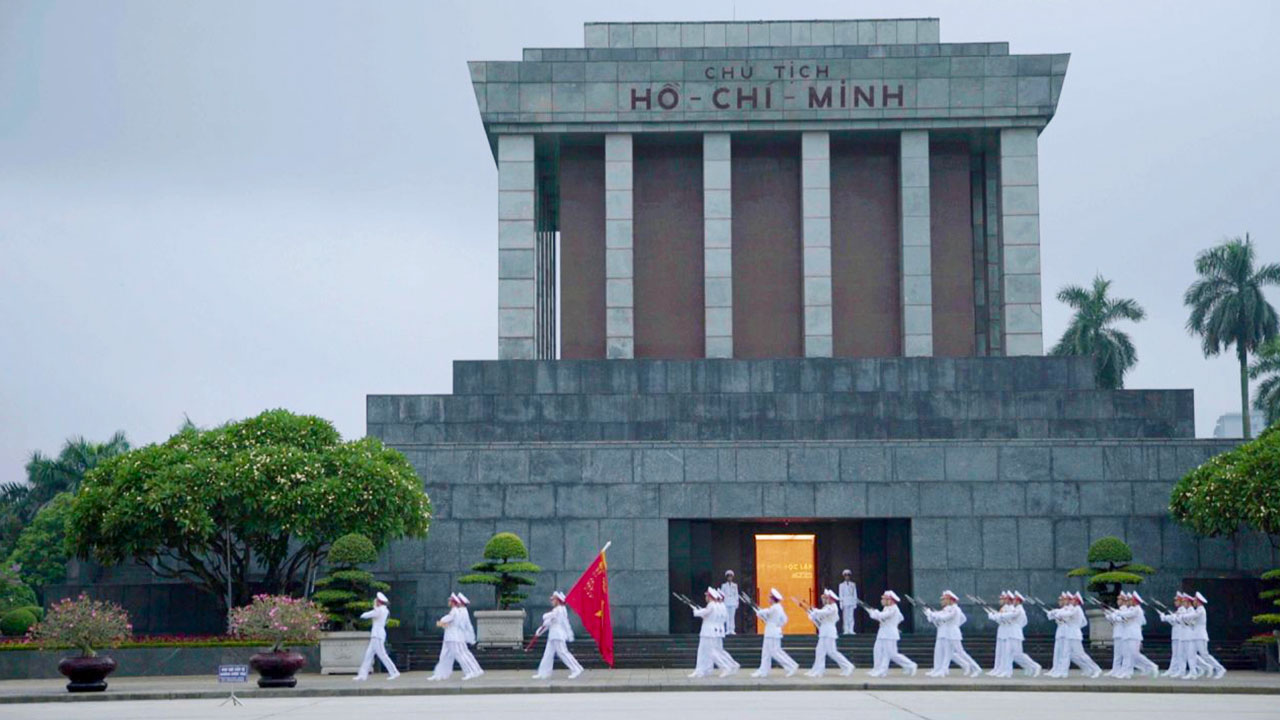
Exploring the B52 Victory Museum in Hanoi offers visitors a glimpse into Vietnam’s rich history and cultural heritage. To further enrich their experience, guests can also discover other nearby attractions that complement their visit to the museum. This section highlights some historical sites, parks, and recreational areas in the vicinity of the B52 Victory Museum, along with transportation options to reach these points of interest.
Other historical sites near B52 Victory Museum
- Ho Chi Minh Mausoleum: Located in Ba Dinh Square, the final resting place of President Ho Chi Minh is a significant historical landmark in Hanoi. Visitors can explore the mausoleum and learn about the life and legacy of Vietnam’s revolutionary leader.
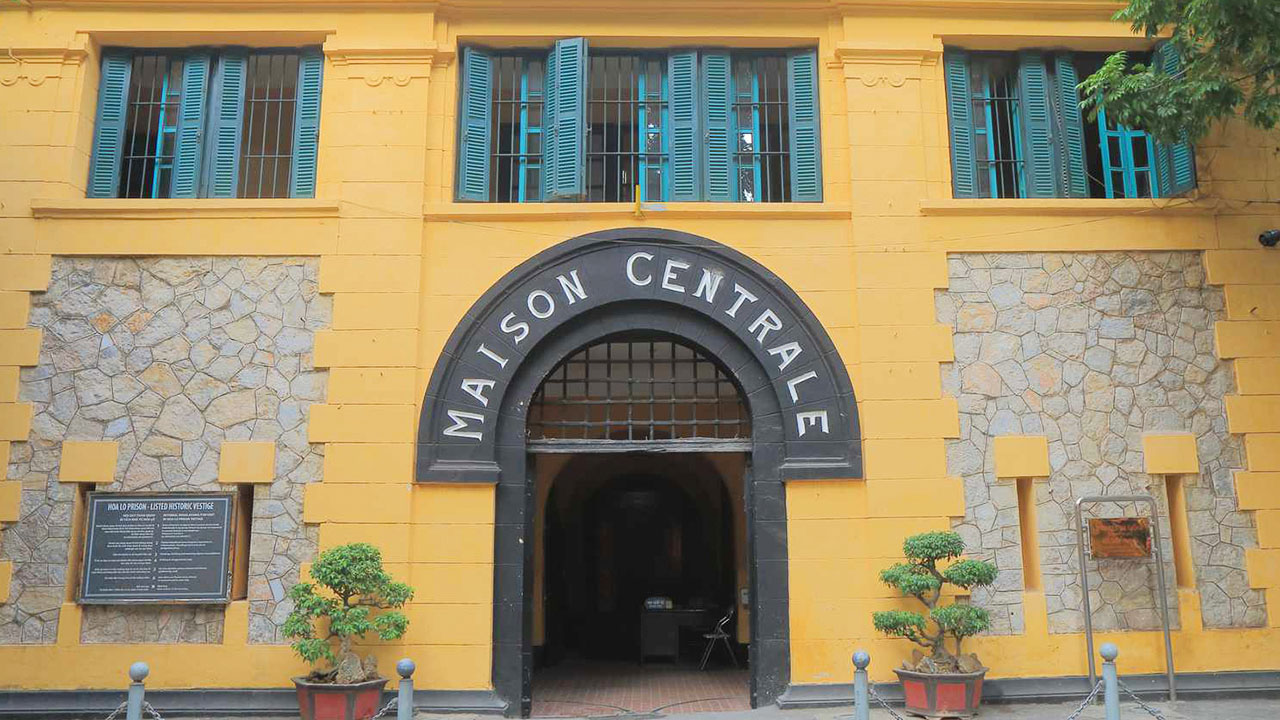
- Hoa Lo Prison: Also known as the “Hanoi Hilton,” this former prison complex showcases the dark history of colonial rule and wartime incarceration. Guided tours offer insights into the experiences of prisoners held at the facility.
- Thang Long Imperial Citadel: A UNESCO World Heritage Site, the citadel reflects Vietnam’s ancient capital and architectural splendor. Visitors can admire the well-preserved ruins and artifacts that depict the country’s royal past.
Parks and recreational areas in the vicinity
- Lenin Park: A tranquil green space near the B52 Victory Museum, Lenin Park provides a peaceful retreat for visitors seeking relaxation amidst lush gardens and scenic pathways. The park is ideal for leisurely strolls or picnics.
- Thu Le Zoo and Botanical Garden: Nature enthusiasts can explore diverse flora and fauna at Thu Le Zoo, which features animal exhibits, botanical collections, and recreational facilities for families and children.
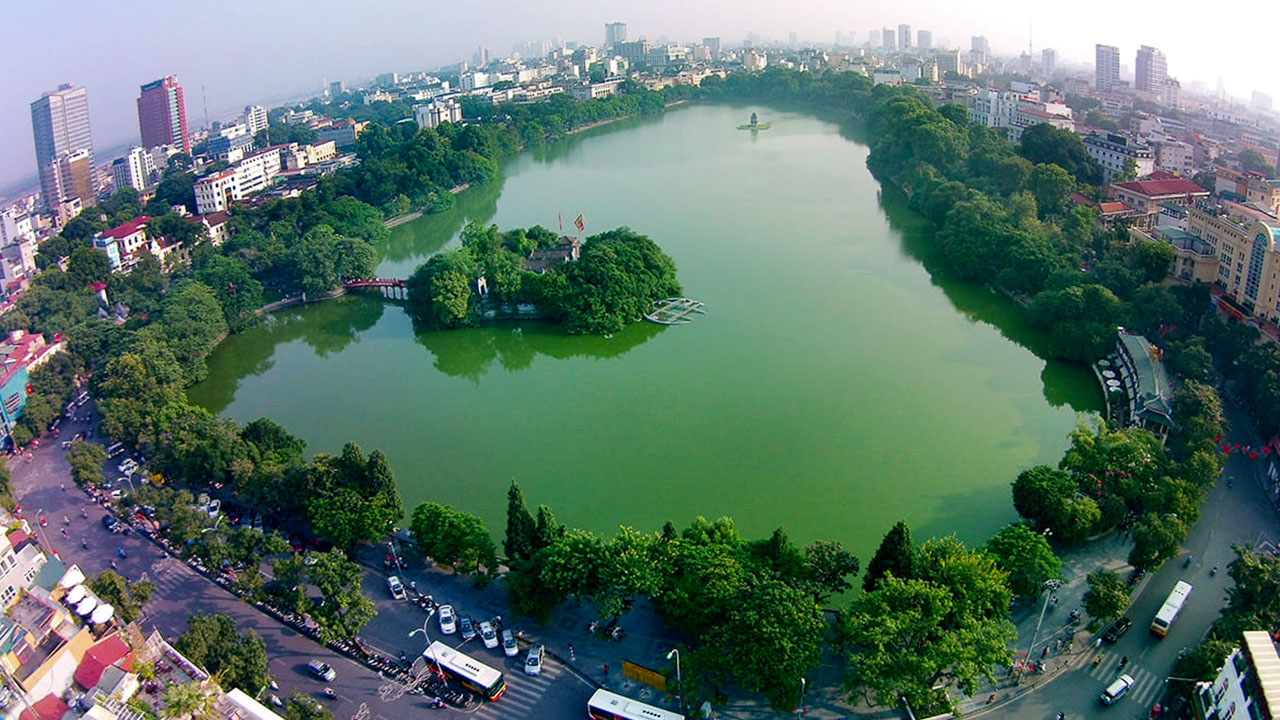
- West Lake: One of the largest freshwater lakes in Hanoi, West Lake offers panoramic views, lakeside cafes, and opportunities for boat rides. Visitors can enjoy the serene ambiance and picturesque surroundings of this natural attraction.
Transportation options to reach nearby attractions
- Public transportation: Visitors can utilize Hanoi’s extensive public transport network, including buses and taxis, to access nearby attractions from the B52 Victory Museum. Information on routes and schedules is available for convenient travel.
- Bicycle rentals: Exploring the area by bicycle provides a eco-friendly and leisurely way to visit neighboring sites such as parks and historical landmarks. Rental services may be available near the museum or in the vicinity.
- Walking tours: Guided walking tours or self-guided exploration on foot allow visitors to immerse themselves in the local culture and architecture while moving between attractions near the B52 Victory Museum.
By exploring the diverse array of nearby attractions, visitors to the B52 Victory Museum can extend their cultural journey and discover more facets of Hanoi’s vibrant landscape. Whether delving into history, enjoying nature, or experiencing urban life, these attractions offer additional layers of exploration and enrichment to enhance the overall museum visit experience.
Best Time to Visit B52 Victory Museum
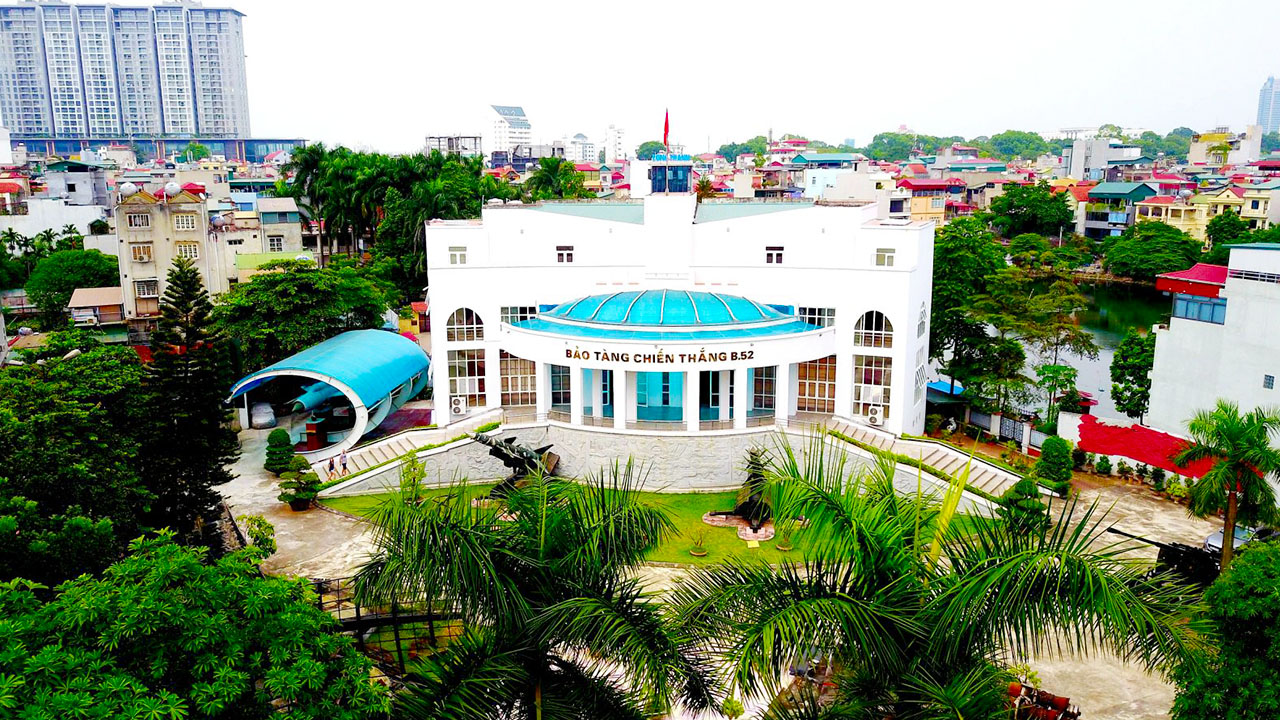
Planning a visit to the B52 Victory Museum in Hanoi involves considering the best time to explore the exhibits and engage with the historical narratives presented at the museum. This section provides insights into peak seasons, crowd predictions, special events, and exhibitions throughout the year to help visitors optimize their museum experience.
Peak seasons and crowd predictions
Understanding the peak seasons and crowd predictions at the B52 Victory Museum can assist visitors in planning their visit for optimal enjoyment and convenience. Typically, weekends, public holidays, and school vacation periods may attract higher numbers of visitors to the museum, leading to increased crowds and potential wait times for entry and access to exhibits. To avoid congestion and fully appreciate the museum’s offerings, visitors may consider visiting on weekdays or during off-peak hours when attendance is lower.
Special events and exhibitions throughout the year
- Anniversary celebrations: The B52 Victory Museum commemorates significant historical events and milestones through special anniversary celebrations and exhibitions. Visitors can immerse themselves in themed displays, cultural performances, and educational programs that highlight Vietnam’s victories and struggles during pivotal moments in history.
- Temporary exhibitions: The museum periodically hosts temporary exhibitions featuring diverse topics, artistic creations, and interactive installations that complement its permanent collections. These temporary displays offer fresh perspectives, engaging experiences, and opportunities for visitors to delve deeper into specific themes or periods of Vietnamese history.
- Cultural festivals: Collaborating with local communities and cultural organizations, the B52 Victory Museum participates in various cultural festivals and events that showcase Vietnam’s traditions, arts, and heritage. Visitors can enjoy live music, traditional dances, craft demonstrations, and culinary delights during these festive occasions held within the museum complex.
By staying informed about peak seasons, crowd predictions, and upcoming events at the B52 Victory Museum, visitors can tailor their museum visit to align with their preferences and interests. Whether seeking a quieter experience, attending special exhibitions, or immersing in cultural festivities, guests can make the most of their time at the museum by choosing the best time to explore its diverse offerings.
Safety Measures at B52 Victory Museum
Ensuring the safety and well-being of visitors is a top priority at the B52 Victory Museum in Hanoi. This section outlines the emergency protocols, security checks, bag inspections, and first aid facilities implemented at the museum to provide a secure environment for guests during their visit.
Emergency protocols and evacuation procedures
- Emergency exits: The museum features clearly marked emergency exits and evacuation routes to guide visitors to safety in the event of an emergency such as a fire or natural disaster. Guests should familiarize themselves with the exit locations upon entering the museum premises.
- Evacuation drills: Periodic evacuation drills are conducted at the B52 Victory Museum to practice emergency response procedures and ensure staff and visitors are prepared to evacuate efficiently and calmly if needed. These drills enhance safety awareness and readiness among all individuals present at the museum.
Security checks and bag inspections
- Baggage screening: As part of the museum’s security measures, visitors may be subject to bag inspections and security screenings before entering the exhibition areas. This precaution helps maintain a secure environment within the museum complex and safeguard the artifacts and displays from potential risks.
- Metal detectors: In compliance with security standards, metal detectors may be utilized at entry points to detect prohibited items or ensure visitor safety. Guests are advised to cooperate with security personnel and follow instructions during the screening process for a smooth entry into the museum.
First aid facilities and medical assistance
- First aid stations: The B52 Victory Museum is equipped with first aid stations staffed by trained personnel who can provide immediate assistance in case of minor injuries, health concerns, or medical emergencies. Visitors experiencing any medical issues should seek help from museum staff stationed at these designated areas.
- Medical emergency response: In the event of a medical emergency requiring urgent attention, museum staff will coordinate with local medical services and authorities to ensure prompt medical assistance and transportation to healthcare facilities. Visitors are encouraged to notify museum staff immediately if they require medical aid while on the museum premises.
By implementing robust safety measures, emergency protocols, and security checks, the B52 Victory Museum prioritizes the well-being and protection of its visitors, staff, and assets. These proactive measures contribute to a safe and secure environment where guests can explore the museum’s exhibits with peace of mind and confidence in their overall museum experience.
Sustainable Practices at B52 Victory Museum
The B52 Victory Museum in Hanoi is committed to promoting sustainable practices that contribute to environmental conservation, waste management, and community outreach initiatives. This section highlights the museum’s efforts to reduce its ecological footprint, engage in responsible waste disposal, and support local communities through various sustainability programs.
Environmental conservation efforts
- Energy-efficient systems: The museum employs energy-efficient lighting, heating, and cooling systems to minimize energy consumption and reduce its carbon footprint. By utilizing sustainable technologies and practices, the B52 Victory Museum aims to lower its environmental impact and operate in an eco-friendly manner.
- Green spaces: Within the museum complex, green spaces and gardens are cultivated to enhance biodiversity, improve air quality, and create natural habitats for local flora and fauna. These green areas not only beautify the surroundings but also promote environmental sustainability and conservation awareness among visitors.
Waste management and recycling initiatives
- Recycling programs: The B52 Victory Museum implements recycling programs to segregate and recycle waste materials such as paper, plastic, glass, and metal. Visitors are encouraged to use designated recycling bins located throughout the museum premises to dispose of recyclable items responsibly and support the museum’s waste reduction efforts.
- Composting practices: Organic waste generated within the museum, including food scraps and garden trimmings, is composted to produce nutrient-rich soil for landscaping and gardening purposes. Composting helps divert organic waste from landfills, reduces greenhouse gas emissions, and promotes sustainable resource management at the museum.
Community outreach programs and partnerships
- Educational workshops: The B52 Victory Museum collaborates with schools, universities, and community organizations to conduct educational workshops and seminars on environmental sustainability, conservation, and climate change. These programs engage participants in learning about pressing environmental issues and inspire them to adopt eco-friendly practices in their daily lives.
- Community clean-up campaigns: As part of its community outreach initiatives, the museum organizes periodic clean-up campaigns in partnership with local residents, businesses, and government agencies. These clean-up activities aim to raise awareness about waste management, litter prevention, and environmental stewardship while fostering a sense of civic responsibility and community pride.
By championing sustainable practices, waste reduction strategies, and community engagement initiatives, the B52 Victory Museum demonstrates its commitment to environmental stewardship and social responsibility. Through these efforts, the museum not only preserves Vietnam’s historical heritage but also contributes to a greener, more sustainable future for generations to come.
Accessibility for International Visitors
Welcoming international visitors with inclusivity and cultural sensitivity is a key aspect of the B52 Victory Museum‘s commitment to providing a diverse and enriching museum experience. This section outlines the accessibility measures, multilingual services, and travel information tailored to meet the needs of guests from around the world.
Multilingual signage and guided tours
- Language options: To accommodate international visitors, the B52 Victory Museum offers multilingual signage, brochures, and audio guides in commonly spoken languages such as English, French, Chinese, and Spanish. These language options help non-native speakers navigate the museum exhibits, understand historical narratives, and engage with the displays effectively.
- Guided tours: International visitors can participate in guided tours conducted in various languages by knowledgeable museum staff or certified tour guides. These guided tours provide in-depth insights into the museum’s collections, historical significance, and cultural context, enhancing the overall visitor experience and facilitating cross-cultural exchange.
Cultural sensitivity and inclusivity measures
- Cultural awareness training: Museum staff undergo cultural sensitivity training to ensure respectful interactions with visitors from diverse cultural backgrounds and traditions. By promoting cultural awareness and inclusivity, the B52 Victory Museum fosters a welcoming environment where all guests feel valued, respected, and understood during their museum visit.
- Inclusive facilities: The museum facilities are designed to be accessible to individuals with disabilities, including wheelchair ramps, elevators, and designated parking spaces. By prioritizing accessibility and inclusivity, the B52 Victory Museum strives to accommodate the diverse needs of international visitors and create a barrier-free environment for all guests to enjoy.
Visa and travel information for international visitors
- Visa requirements: International visitors planning to visit the B52 Victory Museum in Hanoi should check the visa requirements for entry into Vietnam based on their nationality and travel purpose. It is advisable to obtain the necessary visas or travel permits in advance to ensure a smooth and hassle-free museum visit.
- Transportation options: International visitors can reach the B52 Victory Museum using various transportation modes, including taxis, public buses, and ride-hailing services. The museum’s central location in Hanoi makes it easily accessible from major hotels, tourist attractions, and transportation hubs, allowing international guests to navigate the city conveniently and reach the museum with ease.
By prioritizing accessibility, cultural sensitivity, and tailored services for international visitors, the B52 Victory Museum aims to create a welcoming and inclusive environment where guests from around the world can connect with Vietnam’s history, heritage, and cultural legacy. Through these initiatives, the museum enriches the global visitor experience and fosters cross-cultural understanding and appreciation.
Membership and Loyalty Programs
Becoming a member of the B52 Victory Museum offers a range of benefits, privileges, and exclusive opportunities for loyal visitors who wish to deepen their engagement with the museum’s collections, events, and educational programs. This section explores the advantages of museum membership, special events for members, and the rewards available to loyal patrons.
Benefits of becoming a museum member
- Unlimited access: Museum members enjoy unlimited access to the B52 Victory Museum‘s exhibitions, special displays, and events throughout the year. With a membership pass, visitors can explore the museum at their leisure, revisit favorite exhibits, and stay updated on new acquisitions and installations.
- Discounted tickets: Members receive discounted or complimentary tickets to special exhibitions, workshops, lectures, and cultural performances hosted by the museum. These cost-saving benefits make museum membership a valuable investment for frequent visitors seeking enhanced experiences and exclusive access to curated events.
Exclusive events and privileges for loyal visitors
- Members-only previews: Museum members have the opportunity to attend exclusive previews and receptions for new exhibitions, gallery openings, and artifact unveilings before they are open to the general public. These VIP events allow members to interact with curators, artists, and historians while gaining insider insights into the museum’s collections.
- Priority reservations: Members enjoy priority reservations for guided tours, educational programs, and special events at the B52 Victory Museum. By securing early bookings and preferred time slots, members can plan their museum visits efficiently, avoid wait times, and maximize their participation in popular museum activities.
Loyalty rewards and recognition
- Member discounts: In addition to discounted tickets, museum members may receive special discounts on merchandise, souvenirs, and dining options within the museum complex. These loyalty rewards incentivize repeat visits, foster patronage, and show appreciation for members’ continued support of the museum’s mission and programs.
- Recognition programs: The B52 Victory Museum acknowledges and celebrates the contributions of loyal members through recognition programs, personalized acknowledgments, and commemorative gifts. By recognizing members’ dedication and involvement, the museum cultivates a sense of belonging, pride, and connection among its supportive community of patrons.
By joining the museum’s membership program, visitors can unlock a host of benefits, privileges, and rewards that enhance their museum experience, deepen their engagement with the exhibits, and foster a lasting connection to the cultural heritage preserved at the B52 Victory Museum. Whether seeking exclusive access, discounted offerings, or special event invitations, museum members can enjoy a heightened level of involvement and appreciation for Vietnam’s rich history and legacy.
Volunteer Opportunities at B52 Victory Museum
Volunteering at the B52 Victory Museum provides individuals with a unique opportunity to contribute to the museum’s mission, engage with its historical narratives, and support its educational programs and community initiatives. This section outlines the volunteer recruitment process, training and development opportunities, and recognition for volunteer contributions at the museum.
Volunteer recruitment process
- Application procedure: Prospective volunteers interested in serving at the B52 Victory Museum can submit an online application form or contact the museum’s volunteer coordinator to express their interest. The application typically includes personal details, availability, skills, and areas of interest for volunteering.
- Interview and selection: After receiving volunteer applications, the museum conducts interviews or orientation sessions to assess candidates’ suitability, interests, and availability for volunteer roles. Selected volunteers are matched with specific assignments based on their skills, preferences, and the museum’s current needs.
Training and development for museum volunteers
- Orientation sessions: New volunteers undergo orientation sessions to familiarize themselves with the museum’s history, collections, policies, and safety procedures. These sessions provide essential information and guidance to help volunteers acclimate to their roles, responsibilities, and expectations while serving at the museum.
- Skill-building workshops: The B52 Victory Museum offers skill-building workshops, training sessions, and professional development opportunities for volunteers to enhance their knowledge, communication skills, and museum-related competencies. These workshops empower volunteers to excel in their roles, engage with visitors effectively, and contribute meaningfully to the museum’s programs.
Recognition and rewards for volunteer contributions
- Volunteer appreciation events: The museum hosts volunteer appreciation events, recognition ceremonies, and social gatherings to celebrate the contributions and dedication of its volunteer team. These events provide a platform to acknowledge volunteers’ efforts, network with fellow volunteers, and express gratitude for their valuable service to the museum.
- Certificates and testimonials: Volunteers who demonstrate exceptional commitment, creativity, or leadership may receive certificates of appreciation, testimonials, or letters of recommendation from the museum acknowledging their contributions. These recognitions serve as valuable credentials and references for volunteers seeking to further their careers or pursue opportunities in the museum sector.
By volunteering at the B52 Victory Museum, individuals can actively participate in preserving Vietnam’s history, engaging with visitors, and supporting educational initiatives that promote cultural understanding and appreciation. Whether assisting with guided tours, workshops, or special events, museum volunteers play a vital role in enriching the visitor experience, fostering community connections, and contributing to the museum’s mission of heritage conservation and public engagement.
Tips for a Memorable Visit
To make the most of your visit to the B52 Victory Museum in Hanoi, consider these practical tips and recommendations for planning an engaging and memorable museum experience. From itinerary planning to dress code suggestions, these tips can help you optimize your visit and immerse yourself in the historical narratives and cultural treasures showcased at the museum.
Planning your itinerary in advance
- Research exhibits: Before your visit, research the museum’s exhibits, special displays, and historical significance to gain a deeper understanding of the narratives you will encounter. Identify key artifacts or themes of interest to prioritize during your museum exploration.
- Check museum hours: Verify the museum’s opening hours, ticket prices, and any special events or exhibitions scheduled for the day of your visit. Planning your arrival time accordingly can help you avoid crowds, maximize your visit duration, and take advantage of guided tours or educational programs.
Dress code recommendations for the museum visit
- Comfortable attire: Wear comfortable clothing and footwear suitable for walking and exploring the museum’s indoor and outdoor exhibition areas. Consider the weather conditions and dress in layers to adjust to temperature changes within the museum complex.
- Respectful attire: As a sign of respect for the historical significance of the museum and its exhibits, opt for modest attire that covers shoulders, knees, and cleavage. Avoid wearing revealing or inappropriate clothing that may detract from the solemnity of the museum visit.
Engaging with museum staff for a personalized experience
- Ask questions: Interact with museum staff, guides, or docents to seek additional information, clarifications, or anecdotes related to the exhibits on display. Engaging in conversations with knowledgeable staff can enhance your understanding of the historical context and cultural relevance of the artifacts.
- Attend guided tours: Participate in guided tours offered by the museum to benefit from expert insights, behind-the-scenes stories, and interactive experiences led by experienced guides. Guided tours provide a structured and informative way to explore the museum’s collections and connect with its narratives.
By following these tips for a memorable visit to the B52 Victory Museum, you can enrich your museum experience, deepen your appreciation for Vietnam’s history, and create lasting memories of your cultural journey through the museum’s exhibitions and displays.
Other Famous Museums in Hanoi
In addition to the B52 Victory Museum, Hanoi boasts a rich cultural tapestry of museums and historical sites that offer diverse perspectives on Vietnam’s heritage, arts, and traditions. This section introduces other famous museums in Hanoi worth exploring for a comprehensive immersion into the country’s history and culture.
Ho Chi Minh Mausoleum
- Historical significance: The Ho Chi Minh Mausoleum is a monumental structure dedicated to Vietnam’s revolutionary leader, Ho Chi Minh, showcasing his embalmed body in a solemn and revered setting. Visitors can pay their respects, learn about Ho Chi Minh’s legacy, and witness the architectural grandeur of the mausoleum.
- Surrounding attractions: The mausoleum complex includes the Presidential Palace, Ho Chi Minh’s stilt house, and the One Pillar Pagoda, offering a glimpse into Vietnam’s political history, traditional architecture, and spiritual heritage. Exploring these adjacent attractions provides a holistic understanding of Ho Chi Minh’s life and influence on the nation.
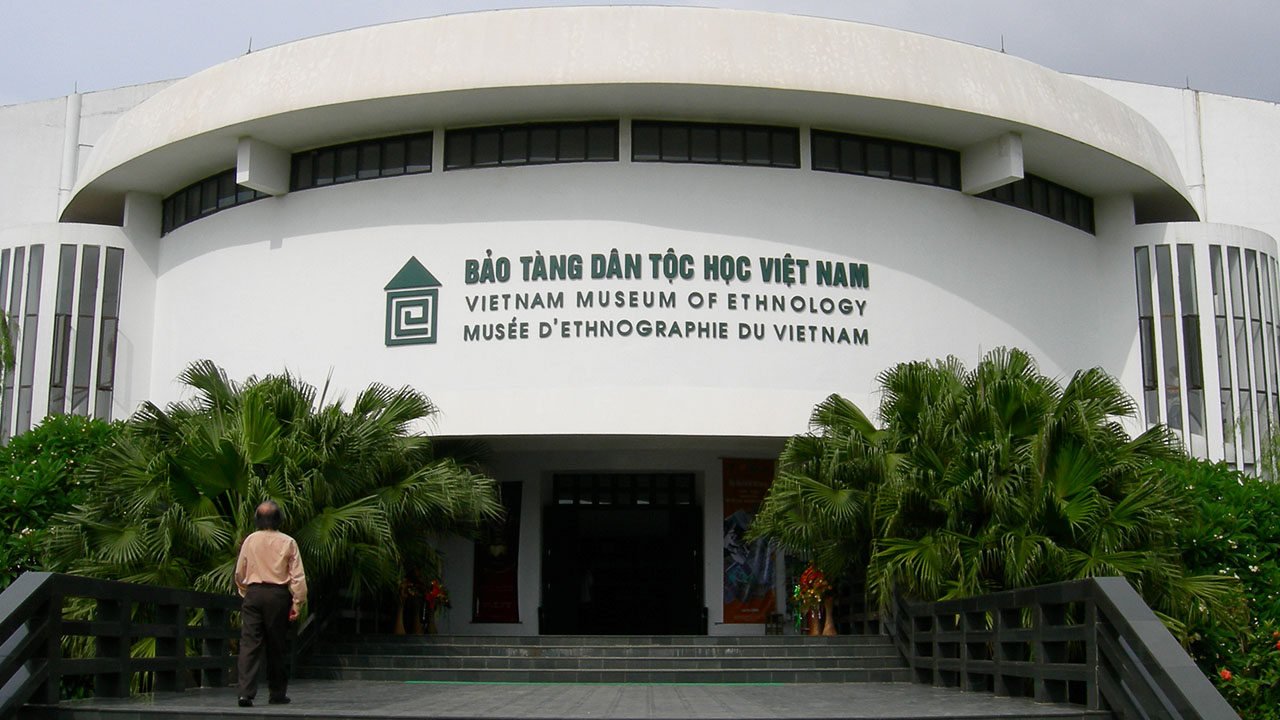
Vietnam Museum of Ethnology
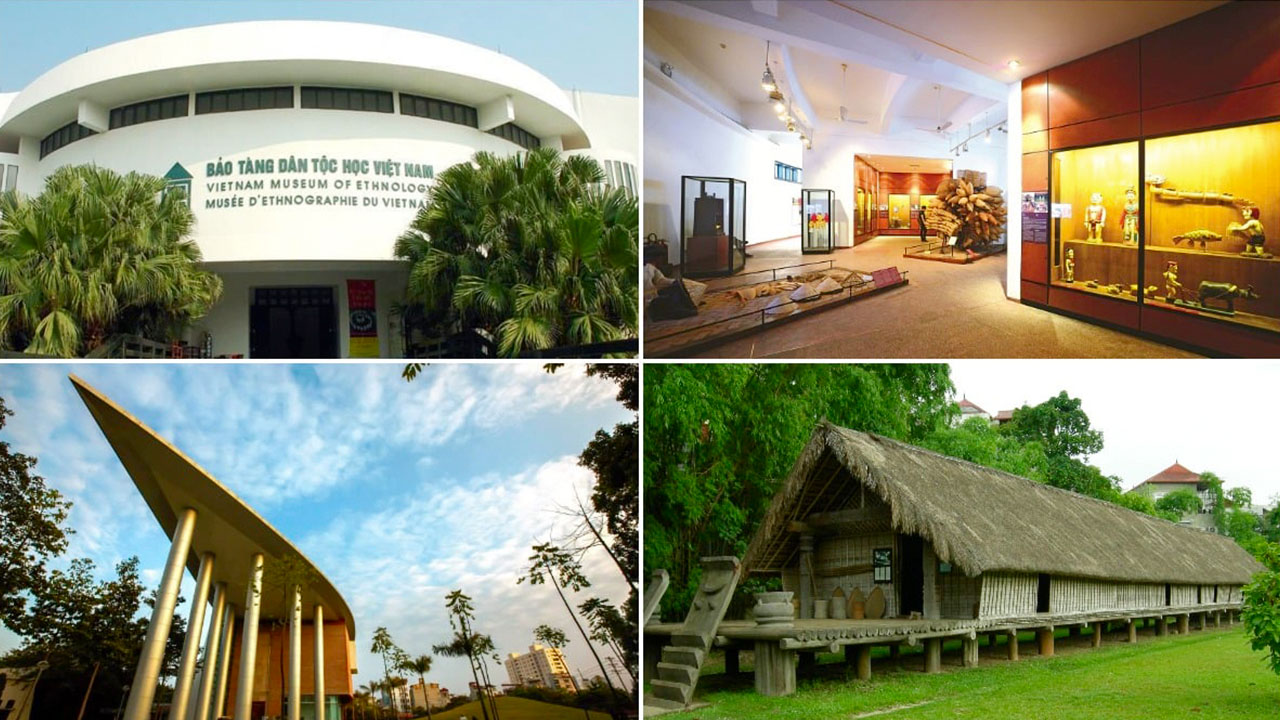
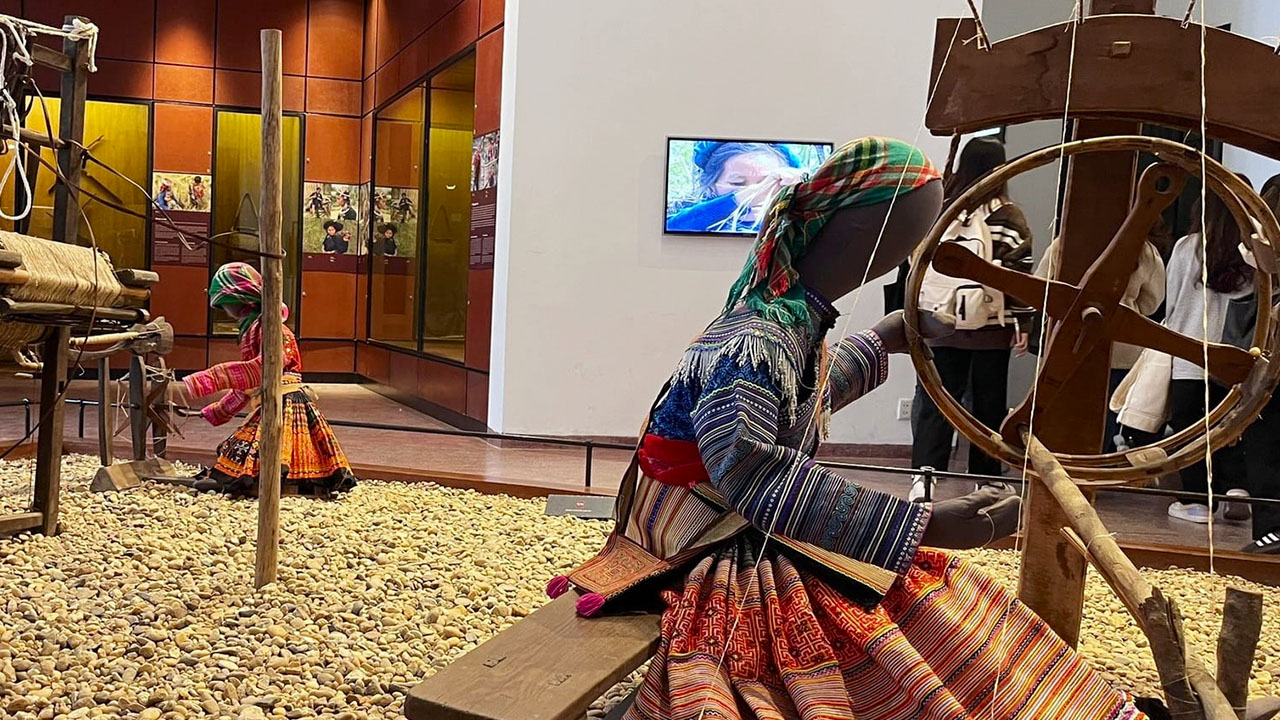
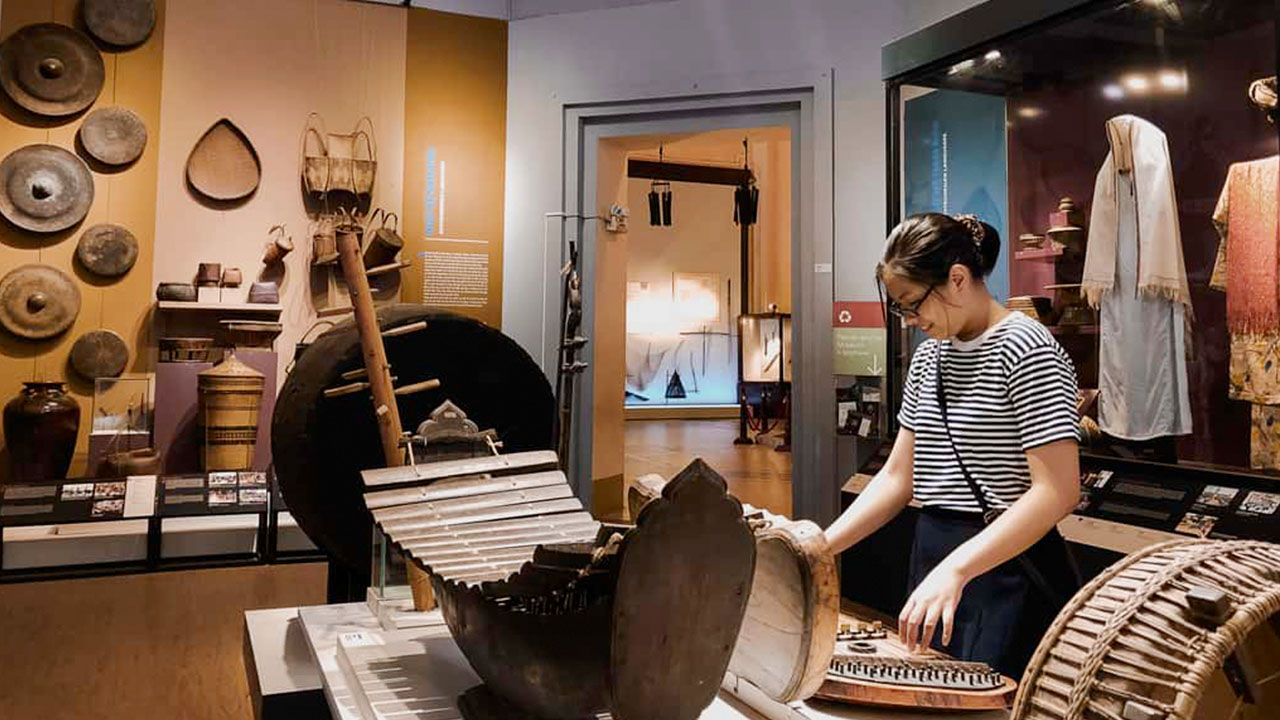
- Cultural diversity: The Vietnam Museum of Ethnology showcases the country’s ethnic diversity, cultural traditions, and indigenous heritage through immersive exhibitions, artifacts, and interactive displays. Visitors can explore different ethnic groups, customs, and crafts that reflect Vietnam’s rich tapestry of cultural identities.
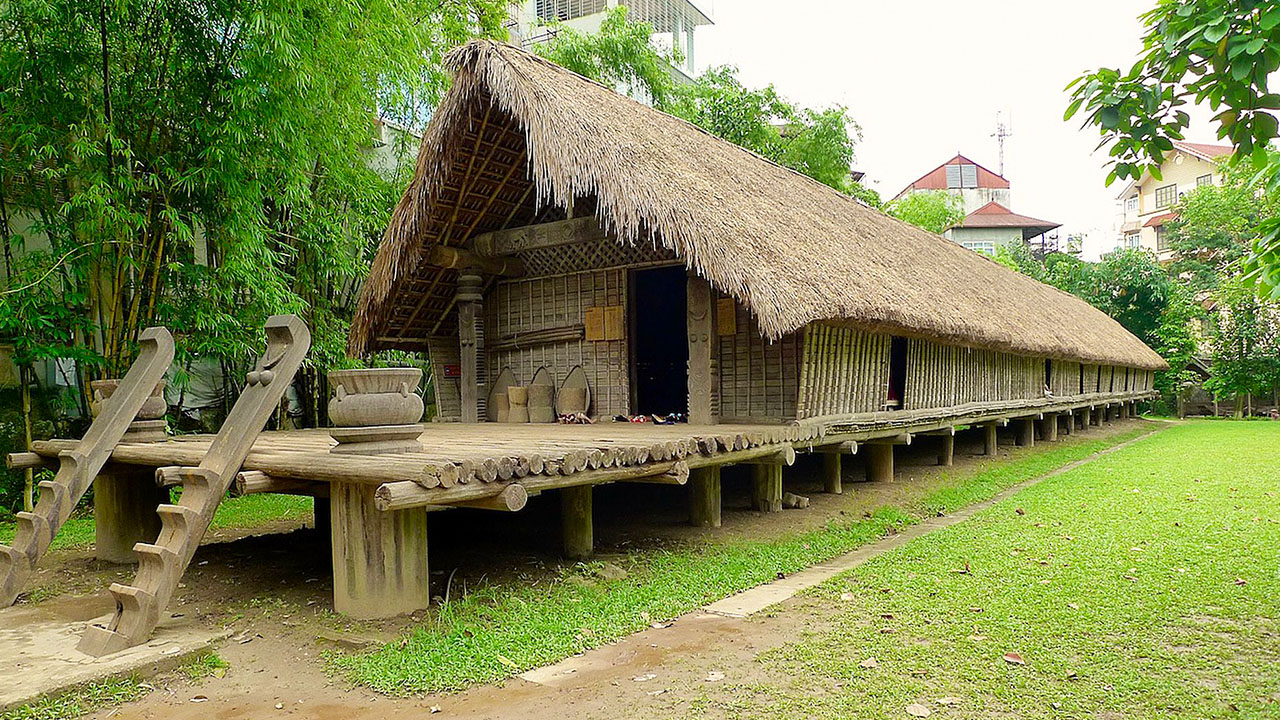
- Outdoor village replicas: The museum features outdoor village replicas representing various ethnic communities in Vietnam, allowing visitors to experience traditional houses, tools, and rituals firsthand. These authentic recreations provide insights into rural life, craftsmanship, and social customs practiced by different ethnic groups across the country.
Hanoi Museum and Temple of Literature
- Architectural marvels: The Hanoi Museum and Temple of Literature exemplify Vietnam’s architectural heritage, artistic achievements, and scholarly traditions. The Hanoi Museum showcases contemporary design and exhibitions, while the Temple of Literature honors Confucian scholars and serves as a symbol of academic excellence.
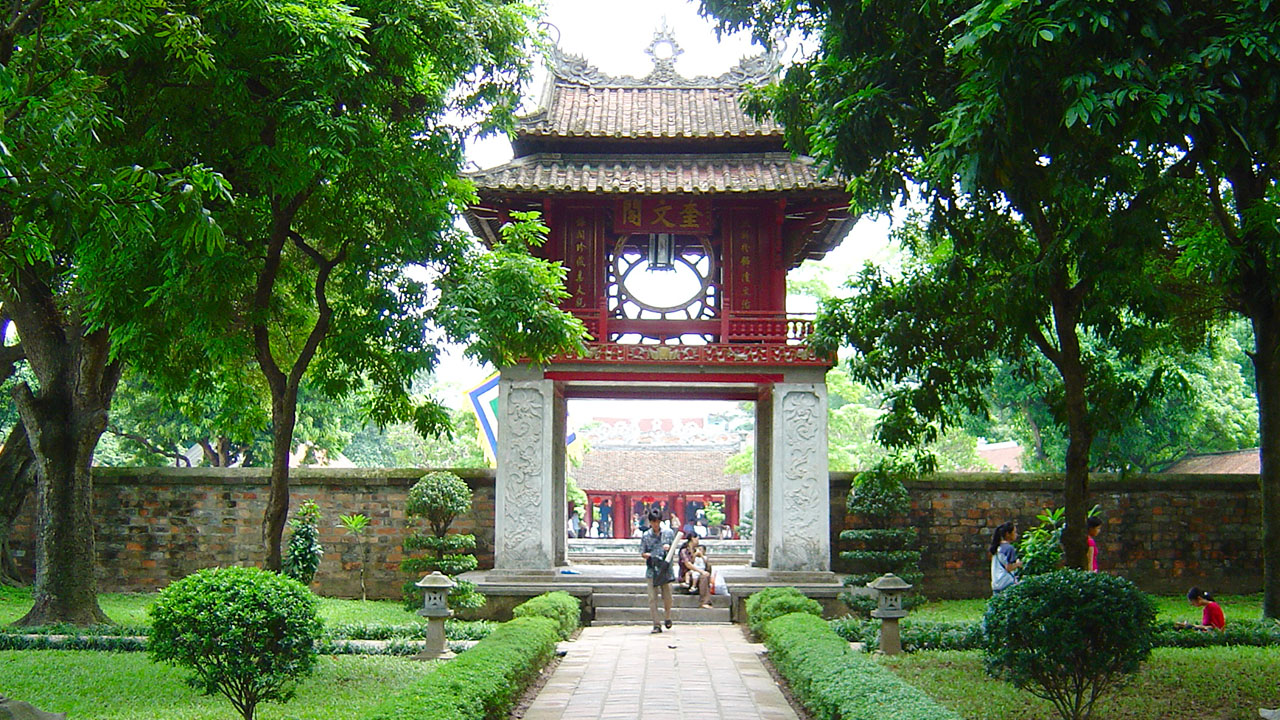
- Literary legacy: The Temple of Literature, Vietnam’s first university, pays homage to Confucian teachings, scholarship, and intellectual pursuits dating back to the 11th century. Visitors can explore ancient pavilions, courtyards, and inscriptions that celebrate Vietnam’s literary heritage and educational legacy.
By visiting these renowned museums in Hanoi, travelers can delve deeper into Vietnam’s history, culture, and artistic expressions, gaining a comprehensive understanding of the country’s heritage and societal evolution. Each museum offers a unique perspective on Vietnam’s past, present, and future, inviting visitors to embark on a multifaceted exploration of the nation’s diverse cultural landscape.
Notes
Before concluding your visit to the B52 Victory Museum, consider the following notes and recommendations to enhance your overall museum experience and make the most of your cultural journey through its exhibits and displays.
Check the museum’s calendar for upcoming events
- Event schedules: Stay informed about the museum’s calendar of events, exhibitions, and programs by checking the official website, social media platforms, or information desk for updates. Plan your visit around special events, workshops, or cultural festivals to engage with the museum’s dynamic offerings.
- Event notifications: Sign up for email newsletters, notifications, or alerts from the museum to receive timely updates on upcoming events, promotions, and exclusive opportunities available to visitors. Subscribing to the museum’s communications channels can keep you informed and connected to its latest happenings.
Follow the museum on social media for updates and promotions
- Social media platforms: Follow the B52 Victory Museum on social media platforms such as Facebook, Instagram, and Twitter to stay connected with the museum’s news, announcements, and behind-the-scenes content. Engage with the museum’s online community, share your museum experiences, and participate in interactive discussions with fellow visitors.
- Promotional offers: Keep an eye out for promotional offers, discounts, and special deals promoted on the museum’s social media channels or website. Take advantage of exclusive promotions, ticket packages, or membership incentives to maximize your museum visit and enjoy added benefits during your cultural exploration.
By staying informed, engaged, and connected with the B52 Victory Museum through its events, promotions, and online platforms, you can enrich your museum experience, deepen your cultural insights, and continue your journey of discovery beyond the museum’s physical boundaries.
Mistakes to Avoid
During your visit to the B52 Victory Museum, it is essential to observe certain guidelines, etiquettes, and precautions to ensure a respectful, enjoyable, and safe museum experience. This section highlights common mistakes to avoid while exploring the museum’s exhibits and interacting with its artifacts and facilities.
Neglecting to read the museum’s rules and regulations
- Respect museum policies: Familiarize yourself with the museum’s rules, guidelines, and restrictions regarding photography, touching artifacts, and behavior within the exhibition areas. Adhering to these regulations shows respect for the museum’s collections, preservation efforts, and cultural heritage.
- Follow instructions: Pay attention to signage, instructions from museum staff, and audio guide prompts to navigate the museum responsibly and avoid disruptive behaviors that may detract from other visitors’ experiences. By respecting the museum’s rules, you contribute to a harmonious and orderly environment for all guests to enjoy.
Touching or mishandling artifacts on display
- Artifact preservation: Refrain from touching, leaning on, or tampering with the artifacts, displays, or exhibit cases at the museum. Artifacts are delicate, irreplaceable objects that require careful preservation and handling to maintain their historical integrity and cultural significance.
- Observe distance: Maintain a safe distance from the artifacts, barriers, and display cases to prevent accidental damage, contamination, or interference with the museum’s collections. Appreciate the artifacts from a respectful distance to safeguard their authenticity and ensure their longevity for future generations to appreciate.
By avoiding these common mistakes and adhering to the museum’s guidelines and etiquettes, you can contribute to a positive, respectful, and enriching museum visit that honors the historical narratives, artifacts, and cultural treasures preserved at the B52 Victory Museum.
Frequently Asked Questions
As you prepare for your visit to the B52 Victory Museum, consider the following frequently asked questions to address common inquiries, concerns, and curiosities that may arise during your museum exploration. By reviewing these FAQs, you can better plan your visit, anticipate logistical details, and enhance your overall museum experience.
How long does it take to explore B52 Victory Museum?
- Exploration duration: On average, visitors spend approximately 1-2 hours exploring the indoor and outdoor exhibition areas of the B52 Victory Museum. However, the actual visit duration may vary based on individual interests, engagement levels, and participation in guided tours or special exhibitions.
- Extended visits: For a more comprehensive museum experience, visitors may choose to allocate additional time for detailed observation, interactive activities, and in-depth exploration of specific exhibits or thematic displays. Extending your visit allows for a deeper immersion in Vietnam’s history and cultural heritage showcased at the museum.
Are there guided toursavailable at the museum?
- Guided tour availability: The B52 Victory Museum offers guided tours conducted by knowledgeable museum staff or trained docents who provide insights, historical context, and engaging narratives about the exhibits and artifacts on display. Visitors can join scheduled tours or request private tours for a more personalized museum experience.
- Tour themes: Guided tours at the museum may focus on specific aspects of Vietnamese history, military operations, technological innovations, or personal stories related to the Vietnam War and its impact on the nation. Tour themes vary based on the expertise of the guides and the interests of the visitors, offering diverse perspectives on the museum’s collections.
Can I take photographs inside the museum?
- Photography permissions: The B52 Victory Museum allows photography for personal, non-commercial use within designated areas of the exhibition spaces. Visitors are encouraged to capture memories, document their museum experience, and share their impressions with friends and family through photos or videos taken responsibly and respectfully.
- Restricted areas: Some sections of the museum may have restrictions on photography, flash usage, or tripod setups to ensure the preservation of sensitive artifacts, displays, or multimedia presentations. Visitors should follow signage, instructions from staff, and posted guidelines to comply with photography regulations throughout the museum.
By familiarizing yourself with these frequently asked questions and preparing accordingly for your visit to the B52 Victory Museum, you can optimize your museum exploration, engage with the exhibits effectively, and make the most of your cultural journey through Vietnam’s historical narratives and military heritage.
Conclusion
In conclusion, the B52 Victory Museum in Hanoi stands as a poignant testament to Vietnam’s resilience, courage, and triumph during the Vietnam War. Through its compelling exhibitions, interactive experiences, and educational programs, the museum preserves the memory of the historic Operation Linebacker II and honors the sacrifices made by the Vietnamese people in defense of their sovereignty and independence.
By delving into the museum’s history, exhibition areas, highlights, visitor information, and educational initiatives, travelers can gain a profound understanding of Vietnam’s wartime struggles, technological advancements, and national pride showcased within its walls. The B52 Victory Museum serves as a cultural landmark, a historical archive, and a symbol of remembrance for future generations to learn, reflect, and appreciate the legacy of those who fought for peace and freedom.
Whether exploring the indoor galleries, outdoor displays, or special exhibitions at the museum, visitors are invited to immerse themselves in Vietnam’s past, present, and future through a curated collection of artifacts, documents, and narratives that illuminate the country’s journey towards reconciliation, unity, and progress.
As you plan your visit to the B52 Victory Museum, remember to adhere to the museum’s regulations, engage with its educational programs, and support its sustainable practices to contribute to a meaningful, respectful, and enriching cultural experience. By embracing the stories, lessons, and memories preserved at the museum, you embark on a transformative voyage through Vietnam’s history, heritage, and enduring spirit of victory.